REVIEW · CITY TOURS
Ravenna: Private City Top Sights and Monuments Walking Tour
Book on GetYourGuide →Operated by TUI Musement · Bookable on GetYourGuide
Ravenna rewards slow looking.
This private 3-hour walk focuses on the city’s best Roman-and-Byzantine monuments, with expert guidance and UNESCO mosaics up close. I especially like the tight route (4 major sites) and the fact your guide is dedicated to you, not a big mixed group. One thing to plan for: you’ll need to handle transportation on your own, since it’s not included.
Ravenna is the kind of place where history isn’t in a book—it’s in the walls. The city shifts hands and rulers over centuries, yet the mosaics stay remarkably intact. If you love turning a vacation walk into real understanding, this tour is built for that.
In This Review
- Key highlights you’ll actually notice
- Ravenna mosaics: why this city looks so different
- Where the tour starts: Piazza del Popolo under the clock tower
- Basilica of San Vitale: portraits made of light
- Mausoleum of Galla Placidia: the quiet stop that hits hardest
- Baptistery of Neon (Battistero Neoniano): early Christian craft up close
- Sant’Apollinare Nuovo: when the story is on the walls
- Back through old Ravenna: Piazza del Popolo and Dante’s Area of Silence
- Private guide value: how you get more out of 3 hours
- Price and tickets: what you’re getting for $168.79
- Who this tour suits best (and who may want a different plan)
- Weather reality: what happens if it rains?
- Should you book this Ravenna Private City Top Sights and Monuments Walking Tour?
- FAQ
- How long is the private Ravenna walking tour?
- Where do we meet the guide?
- Which sites are included in the tour?
- Is transportation to the meeting point included?
- What languages are available for the live guide?
- Does the tour run if it rains?
- Is the tour actually private?
Key highlights you’ll actually notice
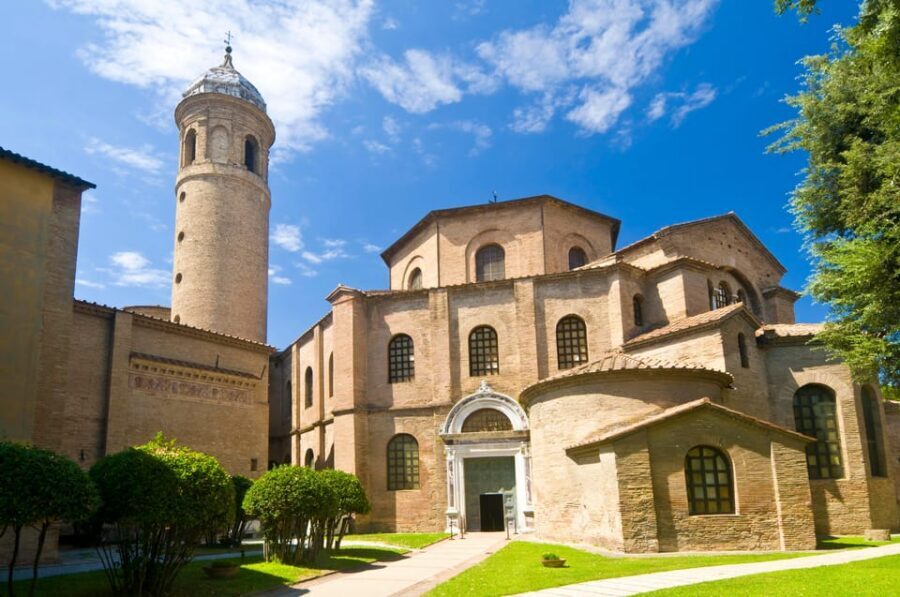
- San Vitale’s mosaics with early Christian + Byzantine context, not just decoration
- Galla Placidia’s Mausoleum for that strong “small space, big impact” feeling
- Battistero Neoniano to see how early Christian art uses light and form
- Sant’Apollinare Nuovo’s visual storytelling, all paced for walking and viewing
- A Dante moment around the Piazza del Popolo and the Area of Silence
Ravenna mosaics: why this city looks so different
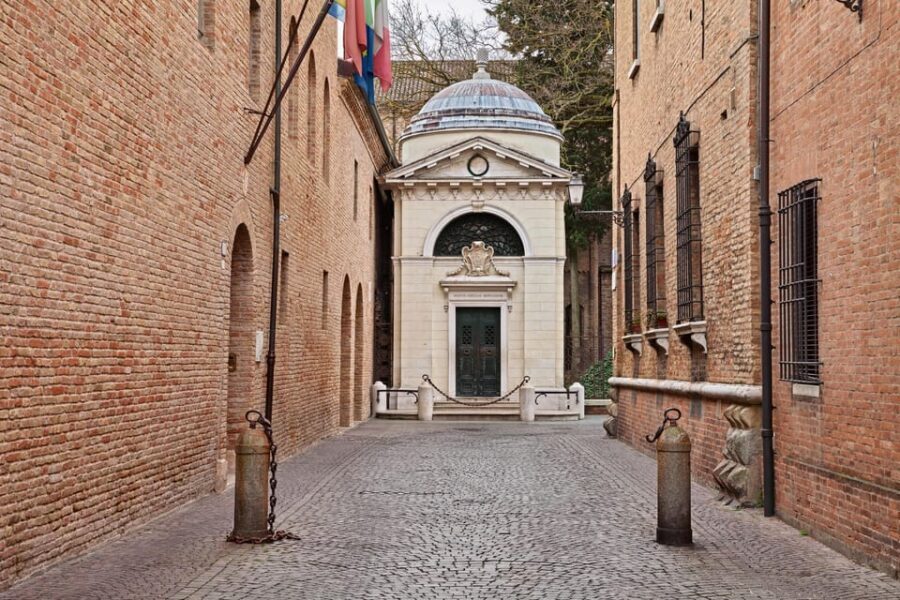
Ravenna’s a weird and wonderful mix. In the 5th century AD, it was the capital of the Western Roman Empire. Later it served as the Ostrogoths’ kingdom capital, then the Byzantine Empire reconquered it in 540 AD. After that, Ravenna became the center of the Byzantine Exarchate until the Lombards arrived in 751 AD, shifting the city again.
Even if you only know Ravenna for mosaics, that political shuffle helps explain the style you see in these churches. The art isn’t one single “look.” You’ll spot transitions—early Christian ideas shaped by older Roman forms, then Byzantine influence that leans into spiritual symbolism and refined surface beauty.
And here’s a bonus detail that helps the city make sense: even though Ravenna is inland, it connects to the Adriatic Sea by the Candiano Canal. That helped make the city important and well-connected. When places are trade hubs, you usually get better art, more materials, and more ambition.
This tour leans hard into that payoff: you don’t wander randomly—you hit the monuments where that layered story shows up best.
You can also read our reviews of more walking tours in Rome

Where the tour starts: Piazza del Popolo under the clock tower
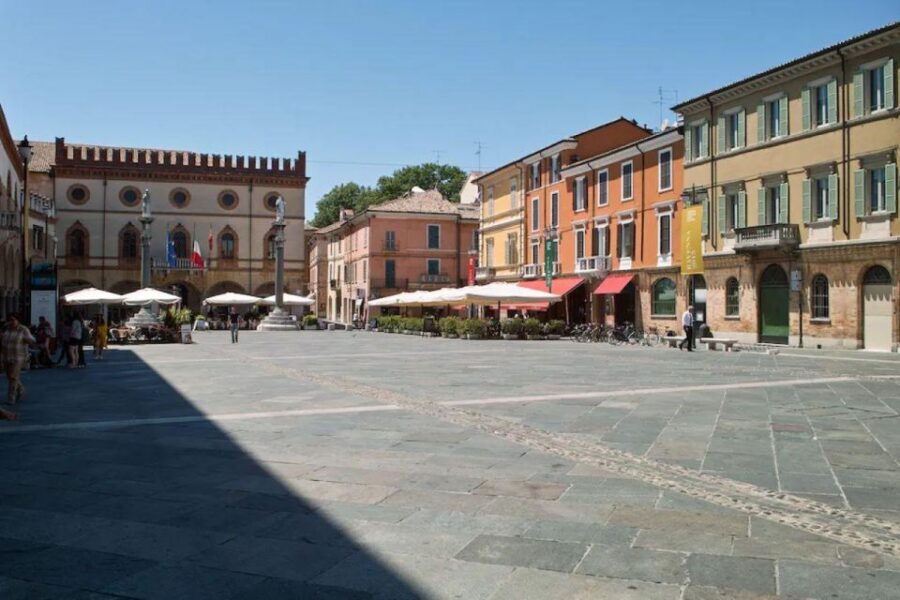
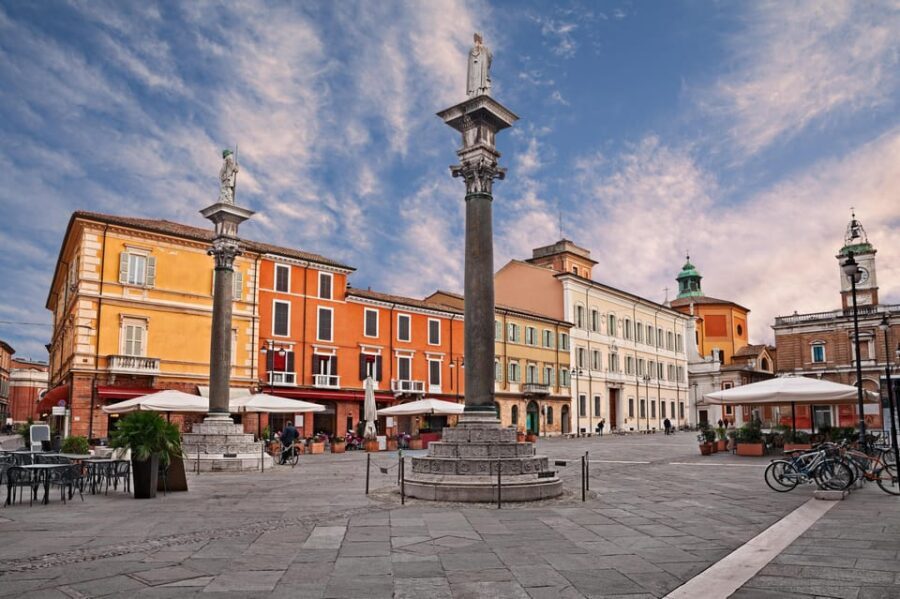
Your walk begins at Piazza del Popolo in Ravenna, at Fontanella. The guide meets you under the clock tower. This is a good starting choice because Piazza del Popolo is a natural anchor point for getting your bearings fast and then moving on foot.
Expect a guided route that keeps you moving, but not rushing. Since the tour lasts about 3 hours, the plan is designed for maximum monument time with enough walking to feel like a real city stroll. If you’re the type who likes to get context before you look, the meeting point is set up for that.
One practical note: wear shoes that handle old streets and occasional uneven surfaces. The tour is a walking format, and the stops are inside churches where you’ll spend time standing and looking up.
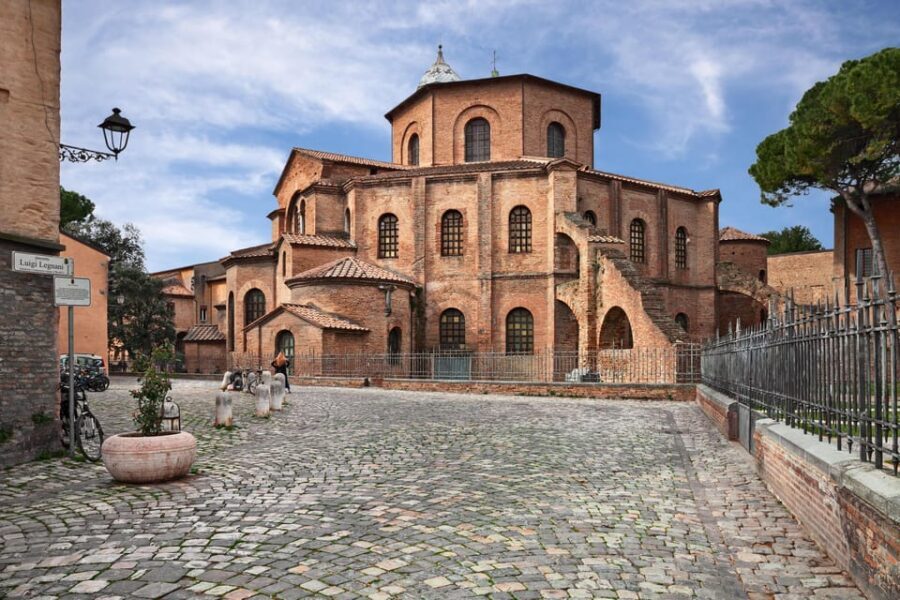
Basilica of San Vitale: portraits made of light
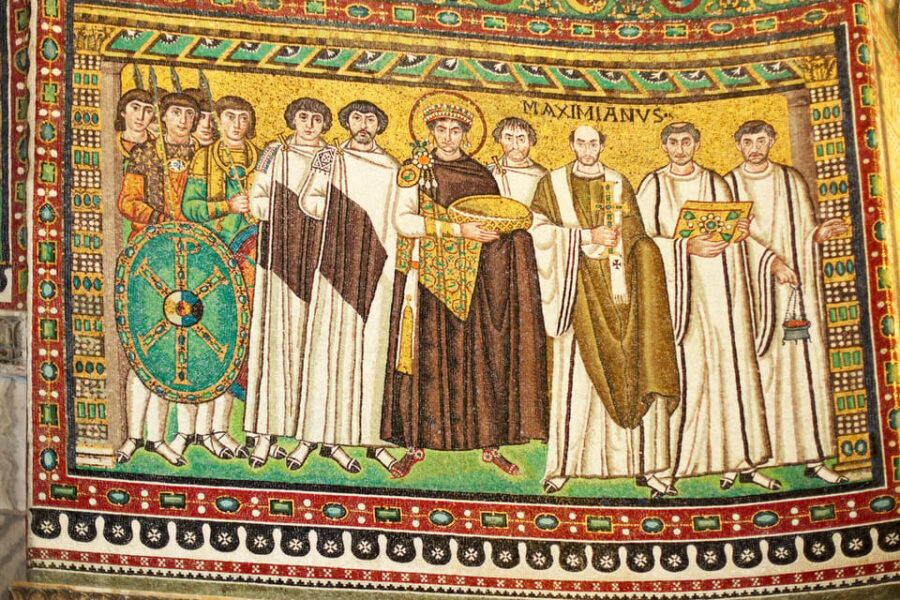
San Vitale is the stop that sets the tone. This is where you’ll see early Christian and Byzantine mosaics together, and the guide’s job is to help you read them instead of just staring.
You’ll enter for a guided visit, with time to slow down. The biggest mistake people make in mosaic churches is treating the artwork like wallpaper. The guide helps you notice that the figures, colors, and backgrounds are doing specific jobs—showing power, belief, and identity in a visual language that’s built to last.
What I like about this stop on a private tour: you can ask small questions as you look up. You’re not stuck waiting until later for clarity. The guide can point out details in the moment—how the composition guides your eye, and how the style signals Byzantine influence.
A possible drawback: churches can be busy and dim, and mosaics reward close viewing. If you prefer quick photo stops, you might feel like you’re spending more time standing than snapping.
Mausoleum of Galla Placidia: the quiet stop that hits hardest
Next comes the Mausoleum of Galla Placidia. This is one of those places where the scale stays small, but the mood gets big fast. Expect a guided visit focused on the mosaics—because that’s the real reason to come.
The mausoleum gives you a different kind of viewing than a large basilica. You get a more enclosed experience, so the artwork feels concentrated. That matters because it changes how you take it in. Instead of scanning a wide interior, you’re more likely to settle into a slower rhythm—look, absorb, then look again with a better idea of what you’re seeing.
On a private tour, your guide can pace this stop based on what you’re most curious about. If you care more about the art style, they’ll frame it that way. If you care more about the historical setting—Ravenna as a Byzantine center—they’ll connect the dots as you stand there.
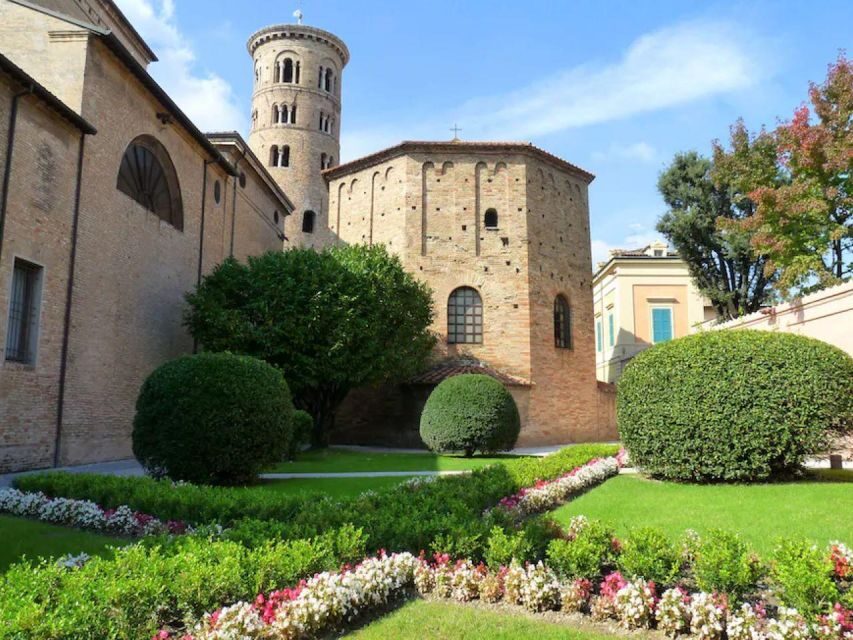
Baptistery of Neon (Battistero Neoniano): early Christian craft up close
Then you’ll move to the Baptistery of Neon. This is a stop that often surprises people. It’s not just another church interior. The baptistery format helps you understand why art mattered so much in religious spaces—not only for symbolism, but also for teaching and atmosphere.
You’ll get a guided visit here too, with entrance included. That’s valuable because the guide can point out the visual logic: how the design and figures relate to the purpose of the space, and how early Christian iconography communicates meaning without needing modern explanations.
This stop also breaks up the emotional intensity. After the mausoleum’s concentrated impact, the baptistery gives you a clearer structure to focus on. It’s the kind of stop that can turn into your favorite if you like the “how it’s built” side of art.
You can also read our reviews of more city tours in Rome


Sant’Apollinare Nuovo: when the story is on the walls
Sant’Apollinare Nuovo brings the tour into full narrative mode. Again, you’ll enter for a guided visit, and the mosaics are the main event.
This is where the guide’s interpretation really pays off. You’ll spend time looking at the way scenes and figures are arranged, and you’ll get the historical and artistic context to understand why those images appear where they do.
One reason I like this stop on a private tour: it’s easier to ask for clarification when you’re confused. Mosaics can be visually complex. With a dedicated guide, you don’t have to just hope the next stop will fix your understanding.
Also, since the tour includes entrance tickets here, you don’t have to manage extra entry planning for another major site. That keeps your time aligned with your viewing time.
Back through old Ravenna: Piazza del Popolo and Dante’s Area of Silence
After the main monuments, you’ll walk through the streets of the old town and stop around Piazza del Popolo. You’ll also visit the Dante area, known as the Area of Silence.
This is where the tour turns from art history to lived culture. Ravenna has a sense of stillness in certain corners, and the Dante connection makes it feel personal instead of like a checklist.
One specific detail you’ll hear: Dante died in Ravenna on 13 September 1321. That fact adds weight to the stroll. Even if you only know one or two lines of Dante, the date anchors the story in real place, not abstraction.
Practical tip: this part is outdoors. If the weather is warm, you’ll appreciate it. If it’s cold or wet, you’ll want a light layer and a plan for slippery pavements.
Private guide value: how you get more out of 3 hours
This tour is private, meaning you’re not sharing your guide with strangers. For monuments like these, that matters. A dedicated guide can slow down when you’re still processing what you just saw. They can also speed up if you’re ready to move on.
One more angle: this experience is multilingual (English, French, Italian, Spanish, German). If language is a concern, you’re covered. You’ll be able to ask questions and get answers without the translation gap that can happen on multi-language group tours.
And in Ravenna’s mosaic churches, a strong guide is everything. If you get Samantha as your guide, you’re likely to benefit from the way she explains artworks across different eras and adds background that makes the visuals click. That’s the kind of interpreting you want when you’re standing in front of ancient art and trying to understand why it looks the way it does.
The other advantage: private pacing helps you avoid the typical “photo sprint.” You can look longer and leave with real understanding, not just a memory of colors.
Price and tickets: what you’re getting for $168.79
The price is $168.79 per person for a 3-hour private guided walking tour. That sounds specific—and that specificity often signals something important: the tour is built around a focused set of paid-entry sites.
Entrance tickets are included for the key sites: Chiesa di San Vitale, Mausoleo di Galla Placidia, Battistero Neoniano, and Basilica Sant’Apollinare Nuovo. That inclusion usually saves time and avoids ticket-shopping friction, especially when you want to keep the day moving.
What’s not included: transportation to the meeting point, and entrance tickets for any other sites outside the listed inclusions.
So here’s the value equation for you:
- If you plan to visit these four sites anyway, the ticket inclusion makes the price easier to justify.
- If you’re unsure about one site, the private format still gives you flexibility to spend more time where you care most.
If you’re trying to cut costs, you may find self-guided visits cheaper. But if you care about understanding the mosaics and the historical connections, a guide turns “seeing” into “getting it.”
Who this tour suits best (and who may want a different plan)
This tour fits you well if:
- You want UNESCO-level monuments but also explanation, not just photos
- You have limited time in Ravenna and want a logical route
- You prefer quiet, controlled pacing with a dedicated guide
- You like art history that connects style to context (Roman to Byzantine to later shifts)
It may be less ideal if:
- You hate walking or standing for extended viewing time
- You prefer to wander freely without a structured plan
- You’re hoping the tour includes extra entrances beyond the four specified sites
Weather reality: what happens if it rains?
The tour operates even when it’s raining. That’s good to know because Ravenna weather can change quickly and you don’t want to lose a plan.
If there’s exceptionally heavy rain, the tour may be canceled and you’d receive a full refund. In other words: you’re not automatically stuck, but you should still pack for damp weather.
Should you book this Ravenna Private City Top Sights and Monuments Walking Tour?
I’d book it if you want a high-value Ravenna experience that focuses on the mosaics and gives you meaning fast. The route is tight—San Vitale, Galla Placidia, Neon Baptistery, and Sant’Apollinare Nuovo—and you get entrance tickets to all four. That alone makes it efficient.
I’d also book it if you want the reassurance of a guide who can explain what you’re looking at. In churches like these, explanations aren’t optional. When you understand what the mosaics are doing, the whole visit changes.
Skip it only if you’re prioritizing free wandering over structured viewing. With a private tour, the structure is the point.
FAQ
How long is the private Ravenna walking tour?
It lasts 3 hours.
Where do we meet the guide?
You meet at Piazza del Popolo, Ravenna, under the clock tower.
Which sites are included in the tour?
Entrance tickets are included for Chiesa di San Vitale, Mausoleo di Galla Placidia, Battistero Neoniano, and Basilica Sant’Apollinare Nuovo.
Is transportation to the meeting point included?
No. Transportation to the meeting point is not included.
What languages are available for the live guide?
The live tour guide is available in English, French, Italian, Spanish, and German.
Does the tour run if it rains?
Yes, it operates even when it’s raining. In exceptionally heavy rain, it may be canceled and you receive a full refund.
Is the tour actually private?
Yes. It’s a private group experience with an expert guide dedicated to you.