REVIEW · COOKING CLASSES
Private Cooking Class in the Heart of Rome 3 types of Pasta and Wine
Book on Viator →Operated by Roma Gourmet Experience · Bookable on Viator
Rome smells like dinner.
This private cooking class pairs hands-on pasta making with real Roman atmosphere and an English-speaking chef who can walk you through every step. You’ll start with a couple of sights in Trastevere, then shift into the kitchen to learn how to make handmade pasta—plus how to dress it with traditional Italian sauces.
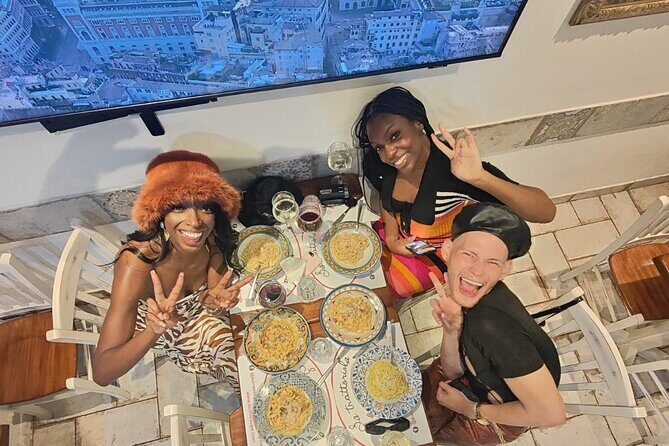
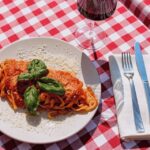
What I like most: you get to make three pasta types (fettuccine, gnocchi, and cavatelli) from scratch, and you finish by eating what you make with Italian wine and a proper meal (bruschetta, water, bread, dessert). The experience is also designed for dietary needs, including a gluten-free course option.
One thing to consider: the cooking venue may not be in the historic Trastevere district the way you might expect. You could be taken to a newer, larger kitchen farther out (inside the Appia Antica Archaeological Park), so plan on a bit of transport time between the sights and the cooking space.
In This Review
- Key things that make this class worth your time
- Why a private Rome pasta class beats the usual food tour
- What you’ll cook: fettuccine, gnocchi, and cavatelli (the real Rome trio)
- The wine, bruschetta, and dessert spread (and the 18+ rule)
- The Trastevere stops: Santa Maria in Trastevere and the neighborhood walk
- From Trastevere vibes to the kitchen at Appia Antica
- What you actually learn (so you can cook at home with confidence)
- Group size, pace, and why “private” changes everything
- Price and value: is $94.92 worth it?
- Who should book this pasta and wine class
- Should you book this Rome private pasta class?
- FAQ
- What does this cooking class include?
- How long is the experience?
- Is this class private?
- What pasta types will I make or eat?
- Is the class offered in English?
- Is there a gluten-free option?
- Will I be served wine?
- Where do I meet and where does it end?
- How do cancellations work?
Key things that make this class worth your time
- Private and English-friendly: only your group, with a chef who teaches step-by-step without a language gap.
- Handmade pasta with a machine: you learn how to use the pasta making machine well, not just follow a recipe.
- You eat a full meal: bruschetta starters, multiple pasta first courses, wine, bread, water, and homemade dessert.
- Sauce pairing is part of the lesson: you don’t just make shapes—you learn dressing choices for each pasta.
- Diet options are built in: gluten-free is available, and accommodations can be made.
- You leave with support for home cooking: the chef can document key steps and share recipes afterward.
Why a private Rome pasta class beats the usual food tour
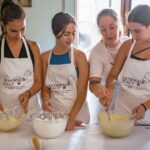
If you’re the kind of traveler who likes doing instead of just watching, this format hits hard. The teaching is built around one chef, your group, and a real kitchen workflow—knead, roll, cut, cook, then serve. That hands-on loop is what makes pasta making stick.
The other big win is the English instruction. Pasta dough and sauce don’t tolerate vague explanations. With Christian teaching directly, you can ask questions and get corrections on the spot, especially when you’re learning how the dough should feel and how to run the pasta machine.
One more practical plus: you’re not stuck with a tiny tasting. The class is structured as a meal, so you leave satisfied instead of hungry, and you get to compare what you made with the sauce direction you received.
You can also read our reviews of more private tours in Rome
What you’ll cook: fettuccine, gnocchi, and cavatelli (the real Rome trio)
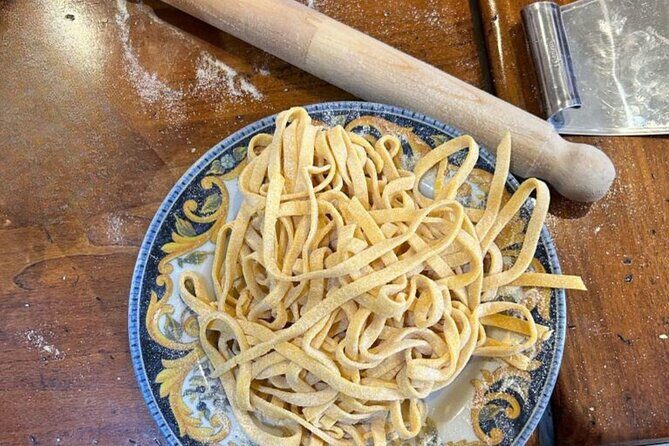
The course centers on handmade pasta with two main workshop items: fettuccine and gnocchi. You’ll work with the pasta making machine for the fettuccine, and you’ll learn how to shape gnocchi so they cook properly and hold their texture.
Then you also get cavatelli as part of the served first-course lineup. The menu structure is built to make the meal coherent: the pasta you help make becomes the pasta you eat, with dressing options matched to Italian sauce traditions.
Here’s what that means for you: you’re not learning one technique in isolation. You’re building a small toolkit:
- how to handle dough for rolling
- how to shape and portion gnocchi
- how to choose a sauce direction based on pasta type
- how to finish a plate so it tastes like an Italian kitchen, not a bland homemade attempt
And if you’re worried about skill level, the feedback you’ll get in class matters more than natural talent. The best part of a private setup is that you’re not waiting your turn while the group moves on.
The wine, bruschetta, and dessert spread (and the 18+ rule)
This class is not just about pasta. It’s built like a lunch or dinner.
You can expect:
- Two bruschettas as starters
- Two to three pasta first courses depending on the package flow, including fettuccine and gnocchi that you make in the workshop, plus cavatelli on the menu
- A glass of Italian wine, along with water and bread
- A homemade dessert of your choice from the day’s options
One detail I appreciate: there’s an age rule in place for alcohol. If you’re not of legal drinking age in Italy (18), you won’t be served alcoholic beverages. That keeps things smooth and avoids the awkwardness that can happen in mixed-age groups.
Practical tip: if you want to enjoy both the cooking and the wine without feeling rushed, pace yourself. You’ll be doing real work with flour and hot pans, so don’t treat the wine like pre-dinner shots.
The Trastevere stops: Santa Maria in Trastevere and the neighborhood walk
Before the kitchen work, the experience includes two stops connected to Trastevere: Basilica di Santa Maria in Trastevere and time in the Trastevere area.
Why those stops matter even if your main goal is pasta:
- Trastevere sets the mood. Rome feels like a lived-in neighborhood when you’re walking there, not just looking at it from a bus window.
- It also breaks up the day so the cooking class doesn’t feel like a single long activity. You get a small, focused cultural warm-up before you start working with dough.
What to watch for: wear shoes you can handle on uneven sidewalks. You’ll be in a historic neighborhood and then heading to the cooking location afterward.
If you want to make the most of it, take a slow lap through Trastevere after the class too. The “pasta meal” part is structured, but the neighborhood atmosphere is yours to stretch.
From Trastevere vibes to the kitchen at Appia Antica
The big logistics point: the cooking venue can be different from what you might picture when you book a class described around the heart of Rome.
In practice, you should expect the cooking space may be in a newer facility inside the Appia Antica Archaeological Park—larger, more comfortable, and not trapped in a tiny back-room kitchen. There’s also practical guidance that the area is still well connected by bus: buses from Piazza Venezia or the Palatine area can reach the entrance in about 20 minutes.
So how do you plan this as a traveler?
- Build a little buffer time between the early Trastevere portion and the start of cooking.
- If you’re relying on public transport, double-check routes the day of, because Rome traffic and bus timing can be unpredictable.
- If your hotel is central, it’s still doable, but treat this as an experience that mixes sightseeing with a real working kitchen farther out.
Bottom line: even if the venue location is different than expected, the trade-off is often better cooking comfort—space matters when you’re learning to roll pasta correctly.
You can also read our reviews of more cooking classes in Rome
What you actually learn (so you can cook at home with confidence)
A good pasta class teaches technique, not just recipes. The way this one is structured, you’re guided through the process and you learn why things work.
Key skills you’ll likely leave with:
- Using a pasta making machine the right way for consistent thickness
- Getting the dough to the texture you need before rolling
- Shaping gnocchi so they cook properly
- Choosing traditional Italian sauces to dress each pasta type
- Understanding ingredient combinations well enough to recreate flavors at home
One small but smart advantage: the chef can explain and demonstrate, then let you work. In the reviews and details you’ll see a pattern—Christian takes time, gives clear directions, and adjusts pacing so you don’t feel swept along.
Also, you may get extra learning support. Several participants report that the chef documents key steps with photos and videos, and shares them after. Some also mention receiving a recipe book. If you’re the type who learns best with a reference, that’s a real quality-of-life upgrade.
Group size, pace, and why “private” changes everything
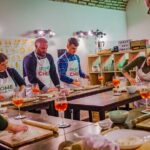
This is a private tour/activity, meaning only your group participates. That matters more than people think.
In a private setting:
- Questions don’t get delayed.
- Your chef can correct technique in real time.
- Your timing stays calmer. Pasta is forgiving for a minute, not forgiving forever.
It also tends to make the experience friendlier for families. One review notes kids around middle-school age enjoyed the class a lot, and that the learning stayed hands-on without turning into a lecture.
In terms of pace, plan for a full 2 hours 30 minutes. You’ll have time to cook, eat, and still leave feeling like you learned something. If you’re the “always hungry” type, come with a manageable appetite—don’t arrive after a big meal.
Price and value: is $94.92 worth it?
At $94.92 per person, you’re paying for much more than a cooking demo. You’re paying for:
- instruction from a chef (English-speaking)
- hands-on work making multiple pasta types
- a full meal structure (bruschetta, pasta first courses, dessert)
- wine (for adults) plus water and bread
- the private, only-your-group format
If you compare this to paying separately for a guided food experience and then dinner, the value starts to make sense. This isn’t just “try three bites.” You make the dishes, you eat them, and you get enough technique to try again later.
The only price-related consideration is your transport and scheduling. The class includes both Trastevere sightseeing and a kitchen location that may be farther out, so if you’re staying far from central Rome, think about transit costs and timing.
Who should book this pasta and wine class
This works especially well if you:
- want a practical, hands-on activity instead of passive sightseeing
- like food culture but want to learn technique you can repeat at home
- travel in a small group that benefits from private attention
- need a gluten-free course option (available)
It’s also a good pick for mixed-experience groups. Beginners can focus on dough feel and machine handling. More confident cooks can lean into sauce decisions and plate finishing.
If you’re traveling with kids, it can be a fun “from scratch” skill moment, as long as everyone is comfortable with flour and a hands-on schedule.
Should you book this Rome private pasta class?
Yes, if you want real kitchen skills and a meal that feels like a Roman event rather than a snack stop. The strongest reasons to book are the private format, the chef-led guidance (Christian), and the fact that you both cook and eat a structured menu.
I’d say think twice only if you hate any chance of venue change. The cooking location can be outside Trastevere in the Appia Antica area, and you’ll want to plan transport accordingly. If you’re okay with that, you’ll likely love how much you take home—food, technique, and the satisfaction of making pasta from scratch.
FAQ
What does this cooking class include?
It includes a fettuccine and gnocchi workshop with guidance from the chef, plus two bruschettas, the pasta first courses made by the group, a glass of wine, water, bread, and a homemade dessert.
How long is the experience?
It lasts about 2 hours 30 minutes.
Is this class private?
Yes. It’s a private tour/activity, with only your group participating.
What pasta types will I make or eat?
You’ll learn and make fettuccine and gnocchi in the workshop, and cavatelli is included as part of the first-course menu.
Is the class offered in English?
Yes, it’s offered in English.
Is there a gluten-free option?
Yes. The experience includes packages that can satisfy gluten-free needs, including a gluten-free course option.
Will I be served wine?
Wine is included for adults, and customers under 18 (the legal drinking age in Italy) will not be served alcoholic beverages.
Where do I meet and where does it end?
The meeting point is Via Ardeatina, 237, 00179 Roma RM, Italy, and the activity ends back at the meeting point.
How do cancellations work?
Free cancellation is available. You can cancel up to 24 hours in advance for a full refund, and cancellations within 24 hours of the start time are not refunded.