REVIEW · POMPEII
Pompeii: guided tour of the ruins and cooking class fresh pasta
Book on Viator →Operated by Giardini Balestrieri · Bookable on Viator
Pompeii hits hard. This tour makes it humane. You get a small-group, guided walk through the best-known (and most teachable) parts of the ruins, then a relaxed kitchen session where you cook with produce from a garden with Vesuvius views. Two things I’d call out right away: the private feel for groups up to 10 and the fact that the food part is hands-on, not a show-and-tell.
One consideration: the Pompeii entrance ticket is not included (extra €20 per person), and the day runs on a tight flow—great for efficiency, but not built for long extra wandering once you finish the ruins time.
In This Review
- Key points to know before you go
- Private Pompeii + pasta: what you’re really buying
- Meeting at Scavi di Pompei and how the day flows
- Ruins time: the guide route that saves your brain
- Pompeii tickets and the “one entry” reality
- The countryside garden lunch: Vesuvius in your line of sight
- Fresh pasta from scratch: what you’ll actually learn
- Wine, water, and the meal pacing
- Transportation and small-group comfort
- Timing tips so you don’t lose the day
- Who this tour fits best (and who should choose something else)
- The value question: $300.40 per person makes sense for the right traveler
- Should you book this Pompeii ruins + pasta class?
- FAQ
- How long is the Pompeii guided tour plus cooking class?
- Is the Pompeii entrance fee included?
- What is the language of the tour?
- How many people are in a group?
- What stops are included in the itinerary?
- What will I cook during the class?
- Is lunch and dessert included?
- Is wine included?
- Where do I meet for the tour?
- What’s the cancellation policy?
Key points to know before you go
- Max 10 travelers keeps the guide’s explanations clear and Q&A realistic.
- Ruins focus that’s more than postcard stops, with theaters, baths, forum, and key temples.
- Countryside garden meal with views of Vesuvius and the Lattari Mountains.
- Produce-picked cooking turns pasta-making from a class into a local food story.
- Gragnano DOC wine is included with lunch (1 glass).
- Tickets separate: Pompeii entry runs an extra €20 per person.
Private Pompeii + pasta: what you’re really buying
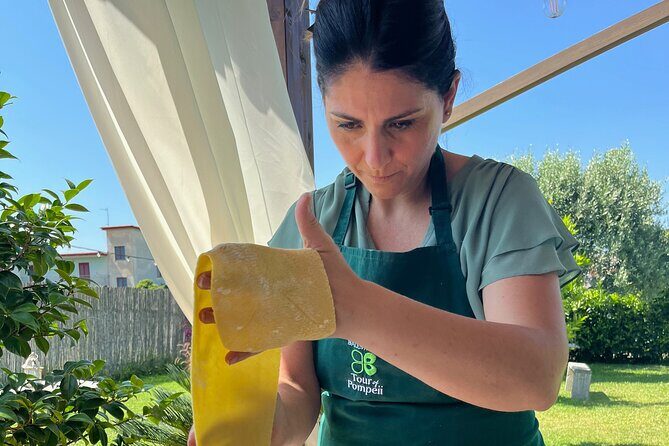
This combo tour is priced as a “do it right” day. At $300.40 per person, you’re not just paying for access to Pompeii. You’re paying for two things that are hard to replicate on your own: guided time in the ruins and a real meal you make with local ingredients, in a setting that feels away from the crowds.
The private transportation also matters. Pompeii is huge, and moving between sights without losing momentum is half the battle. Once you factor in that you’re doing both archaeology and cooking (plus lunch, dessert, water, and wine), the price starts to make sense for groups that want structure and comfort.
You can also read our reviews of more guided tours in Pompeii

Meeting at Scavi di Pompei and how the day flows
You meet at Scavi di Pompei, Viale delle Ginestre, 80045 Pompei. The tour ends back at the meeting point, so you’re not left scrambling to find your way after lunch.
Expect a total of about 5 to 6 hours. The schedule is built as a two-part day:
1) roughly 2 hours in the Pompeii Archaeological Park with a guide
2) roughly 3 hours in the Pompeian countryside garden for lunch and cooking
That split is practical. You get the “big Pompeii hits” while your energy is freshest, then you shift gears into food and conversation in a calmer environment.
Also note the group size: up to 10 travelers. That’s small enough that you can actually ask questions without waiting your turn forever.
Ruins time: the guide route that saves your brain
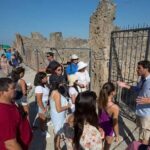
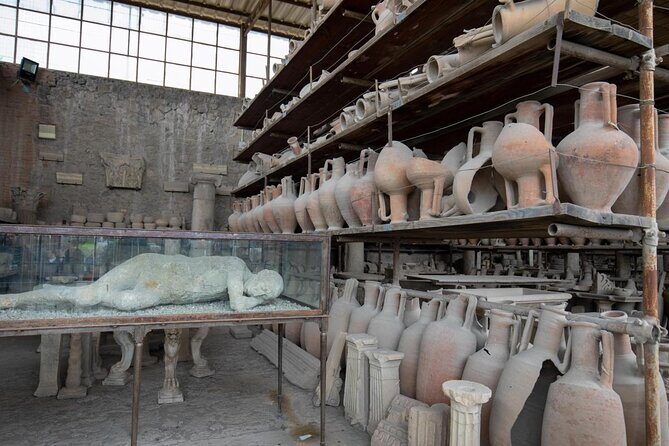
Stop 1 is the Archaeological Park of Pompeii. The format is a guided walk with a guide/archaeologist, and the route is designed to connect places so you don’t just collect ruins—you understand how they fit together.
Here’s what you should expect to cover:
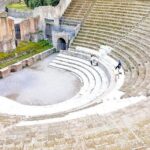
- Theaters
- Important houses with frescoes and decorations
- Via dell’abbondanza, with shops and workshops along the main street
- Thermal baths, including their striking interior spaces
- The brothel, often called the House of Pleasure
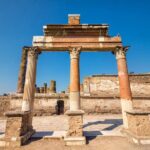
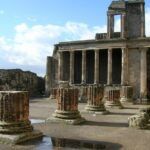
- The Forum and major monuments
- Temples of Apollo and Jupiter
- The Basilica
Why this route works: it follows the logic of the city. You move from performance space (theaters), to everyday street life (Via dell’abbondanza), to “public power” zones (forum and basilica), and then to religious anchors (temples). Even if you only remember a few names later, the places start to feel connected.
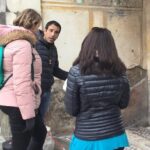
In the small-group format, guides can tailor explanations to your questions. In past versions of this experience, guides such as Clelia, Lucy, Carla, and Lello have been used, and their common thread is clear, spot-on explanations rather than dumping facts from a script. You’ll still want to wear comfortable shoes—Pompeii is mostly walking on uneven ground—but the pacing should feel manageable for most people.
One more practical note: admission tickets for Pompeii are not included. Plan on paying the extra €20 per person for entry.
Pompeii tickets and the “one entry” reality
Pompeii entry being separate is the one big planning item. Since Pompeii tickets cover just one entry, you can’t assume you’ll do an extra round later after the guided portion.
If you’re the type who wants to wander on your own, try to do that before the cooking part and within the time you’ve got. This tour is built to keep you on schedule; it isn’t a “take your time then come back later” plan.
The countryside garden lunch: Vesuvius in your line of sight
Stop 2 takes you from the ruins to a garden in the Pompeian countryside. This is the part that changes the mood of the day.
You’ll eat with views of:
- Vesuvius
- the Lattari Mountains
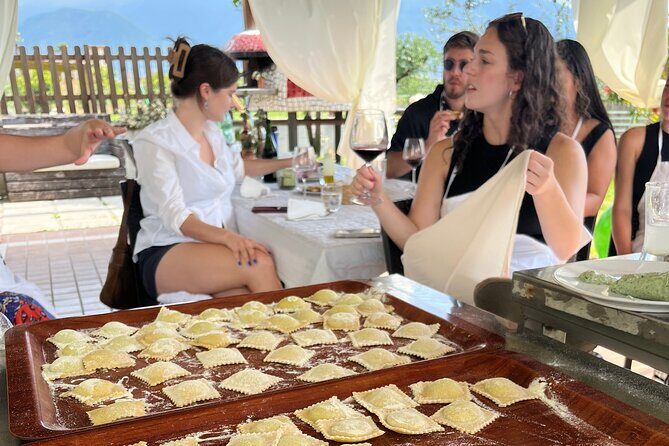
The garden setting includes olive and citrus trees, and it’s more than scenery. You’ll prepare your lunch using produce that’s picked for the experience. That small detail turns the meal into something you can’t fully duplicate in a restaurant.
In several past sessions, hosts such as Sabrina (and others like Rosalba) have walked guests through the garden and the ingredients, which makes the food feel rooted in this place, not imported from somewhere else. Even if you’re not a big “farm-to-table” person, you’ll likely appreciate the freshness once you’re tasting what’s used.
One useful takeaway: this stop is designed to be social and unhurried. After two hours inside Pompeii, it feels like a reset—good conversation, good food, and time to ask casual questions instead of holding your attention for a guided sprint.
You can also read our reviews of more cooking classes in Pompeii

Fresh pasta from scratch: what you’ll actually learn
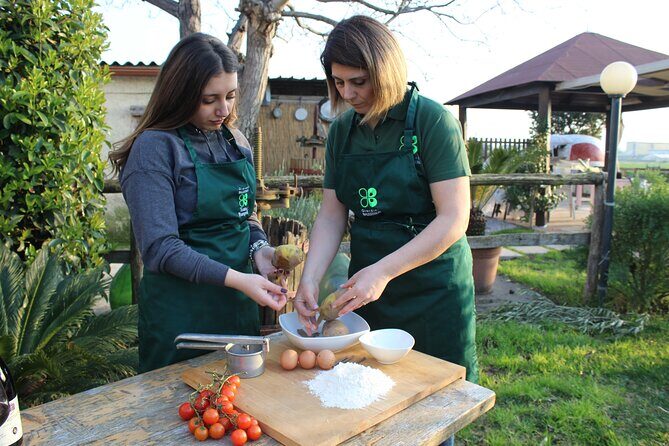
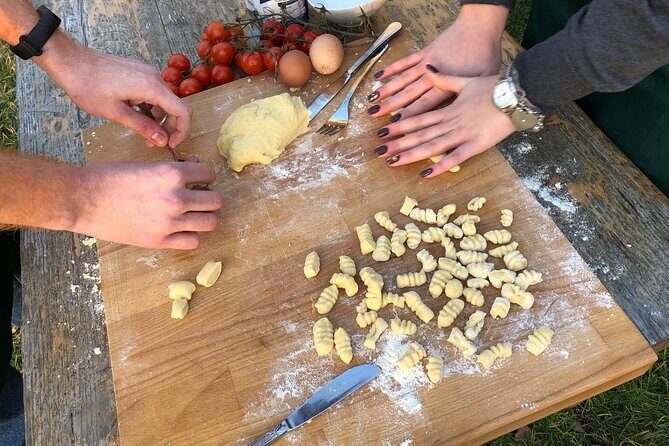
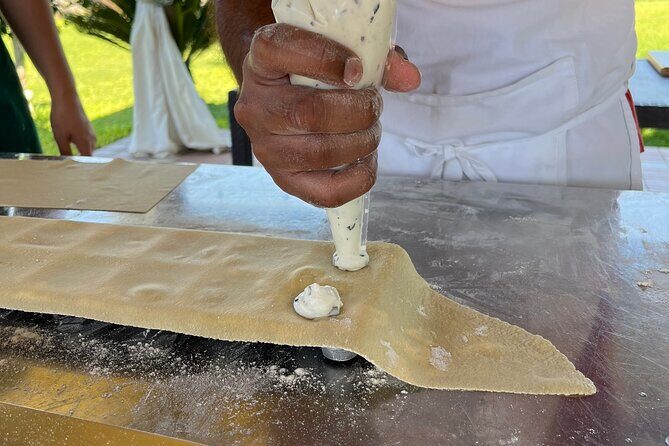
The cooking class is hands-on. You’ll learn how to make an authentic Campania-style recipe from scratch, using garden produce.
While the exact dish can vary by session, the experience often includes fresh pasta formats like:
- ravioli (with fillings such as ricotta and spinach in at least some versions)
- gnocchi (including potato gnocchi, with techniques explained by the host)
During the class, you’ll typically do the hands-on work:
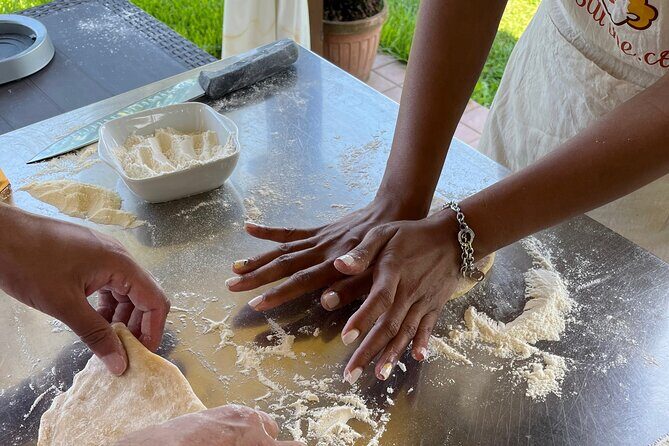
- prepare the pasta dough
- shape your own pasta (for example, making your own ravioli)
- follow along with cooking steps and then eat what you make
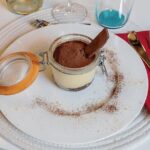
In some versions of the experience, guests also build up to dessert together. Lemon cake is mentioned in one cooking session, and tiramisu shows up in another. You’re not just learning one technique—you’re getting a full meal arc: appetizer, pasta-making, then dessert.
What you’ll like here is that pasta-making isn’t treated like a science project. The host’s job is to make it approachable. Even if your Italian is limited, the process is visual and step-based.
Wine, water, and the meal pacing
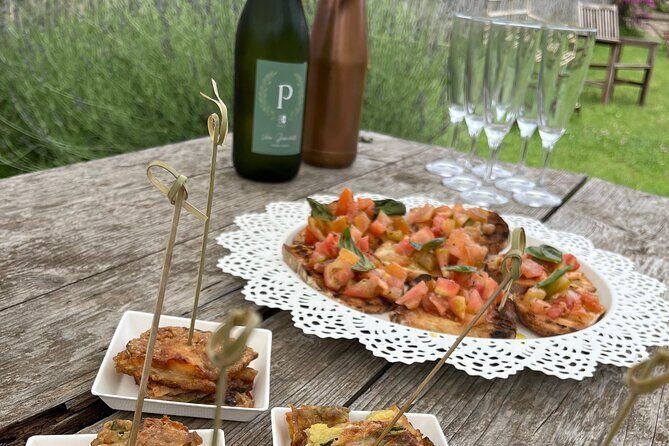
Lunch is included, along with:
- still and sparkling water
- dessert
- 1 glass of Gragnano DOC wine
- additional soda/pop still or sparkling water
The wine piece matters because Gragnano is part of the local identity here. In at least some experiences, guests are also offered extra local spirits such as homemade limoncello, but that’s not listed as a guaranteed inclusion—so treat it as a possible bonus rather than a certainty.
The meal pacing is also thoughtful. Some classes include a light start like bruschetta made with fresh vegetables before you begin pasta. That keeps you from arriving to pasta hunger-fatigued, and it gives you a better rhythm for the cooking part.
Also, since you’re eating in a garden setting, you’re not just getting fed—you’re getting a change of pace. That’s why this combo works so well as a full day: history in the morning, then food and laughter in the afternoon.
Transportation and small-group comfort
The tour includes private transportation. In a practical sense, that means fewer logistics headaches and less time wasted organizing your own ride between sites.
The group size is capped at 10 travelers, which usually makes for a more fluid day:
- the guide can slow down when someone needs it
- you can ask a question without feeling lost in the crowd
- the cooking host can keep an eye on what you’re doing
One of the best things about this format is flexibility. For example, in one described experience, a slower pace happened due to a foot injury. The main point for you: the tour is structured, but it isn’t so rigid that one human issue ruins everything.
Timing tips so you don’t lose the day
This is a 5–6 hour schedule, and the hours are doing a job. If you want the best outcome:
- plan to arrive at the meeting point with a little buffer so you don’t rush into the ruins
- wear shoes you trust for walking on irregular ground
- eat lightly before the start if you get easily nauseous with motion, but expect to have a full lunch later
If your goal is to see more of Pompeii than the guided highlights, you’ll need to think carefully. The itinerary is planned so you can’t just stretch the ruins portion endlessly and still hit the cooking session on time.
Also keep in mind that Pompeii tickets are valid for one entry. If you’re thinking about doing extra wandering, try to choose your window and commit to it rather than assuming you can come back later without paying again.
Who this tour fits best (and who should choose something else)
This experience is a strong match if you want:
- guided Pompeii without getting stuck translating ruins on your own
- a hands-on cooking class using fresh local produce
- a small-group day that feels personal rather than factory-tour
It’s also ideal for mixed-interest groups—people who care about archaeology and people who care about food can both leave happy.
I’d be a little cautious if you hate schedules. This is not a “show up when you feel like it” plan, and it’s not built for extended independent roaming once the ruins portion ends.
Finally, if you’re traveling with mobility concerns, note that most travelers can participate, and past groups have had flexibility for slower pace. Still, Pompeii involves walking and standing, so go in with realistic expectations.
The value question: $300.40 per person makes sense for the right traveler
Let’s talk value without sugarcoating it. Pompeii entry alone is extra (€20 per person). That doesn’t include anything like lunch, a guided route, or transportation.
So what are you getting for the $300.40?
- a guided tour covering key ruins that are hard to prioritize on your own
- private transportation
- lunch (or dinner depending on timing), dessert, and water
- wine: one glass of Gragnano DOC
- a fresh pasta cooking class where you make your own food
- a calm, scenic garden setting with Vesuvius views
If you’re coming to Pompeii for a “see everything, then eat” day, this combo is likely worth the upgrade over piecing it together yourself—especially for groups that want a guide in both worlds: ruins and kitchen.
Should you book this Pompeii ruins + pasta class?
If you want Pompeii to feel organized and understandable, and you want the food experience to be more than a meal, this is a book-worthy day.
I’d especially recommend it when you:
- prefer small groups over big bus energy
- like learning from a guide while you walk
- enjoy cooking or at least love watching how pasta is made with fresh ingredients
Pass if your top priority is maximum freedom to roam Pompeii for hours. This tour is efficient by design, and that’s the trade-off.
If you do book, plan for the extra Pompeii ticket cost and wear shoes that can handle the ruins. Then lean into the fun part: by the time you’re shaping pasta in a garden with Vesuvius in view, Pompeii stops being just a site. It becomes a day you can talk about.
FAQ
How long is the Pompeii guided tour plus cooking class?
The full experience runs about 5 to 6 hours.
Is the Pompeii entrance fee included?
No. Pompeii ruins tickets cost €20.00 per person and are not included.
What is the language of the tour?
The tour is offered in English.
How many people are in a group?
This activity has a maximum of 10 travelers.
What stops are included in the itinerary?
You’ll visit the Pompeii Archaeological Park ruins with a guide, then head to a garden in the Pompeian countryside for lunch and the cooking class.
What will I cook during the class?
You’ll learn to cook an authentic Campania region dish from scratch and prepare fresh pasta as part of the cooking class. The specific pasta can vary by session.
Is lunch and dessert included?
Yes. Lunch or dinner is included, along with dessert.
Is wine included?
Yes. You’ll receive 1 glass of Gragnano DOC wine with your meal (included).
Where do I meet for the tour?
You meet at Scavi di Pompei, Viale delle Ginestre, 80045 Pompei NA, Italy.
What’s the cancellation policy?
Free cancellation is available. You can cancel up to 24 hours in advance for a full refund.