REVIEW · POMPEII
Pasta Cooking class in Pompeii
Book on Viator →Operated by Giardini Balestrieri · Bookable on Viator
This pasta class feels like dinner at home. You start in a quiet garden in Pompeii, then move into Sabrina’s kitchen to learn handmade pasta the old way, using simple ingredients and real technique passed down through her family.
I love the hands-on teaching. You practice the dough feel, learn how to roll it out, and get shown how to use the pasta machine properly. I also love the meal that follows: seasonal bruschetta from the garden, the fresh pasta you made, and a sweet dessert in a family setting (often with wine at the table).
One consideration: this is a cooking-focused experience, not a ruins-and-views tour. If you’re counting on Pompeii sightseeing time during these 3 hours, you’ll need to plan that separately.
In This Review
- Key Highlights You’ll Actually Care About
- Where This Pasta Class Happens (and Why That Matters)
- Meeting Sabrina: Garden Starter, Then the Kitchen Moves
- The Handmade Pasta Lesson: Dough Feel and Rolling Skills
- What You’ll Cook: Bruschetta, Fresh Pasta, and Dessert
- The Meal Side: Eating Together Like a Family Table
- Price and Value: Is $94.68 Worth It?
- Logistics That Affect Your Day (Without the Stress)
- Who This Is Best For (and Who Should Skip It)
- Should You Book This Pasta Class in Pompeii?
- FAQ
- How long is the pasta cooking class in Pompeii?
- Where do I meet for the class?
- What’s included in the menu?
- Is transfer included in the price?
- How big is the group?
- Is a mobile ticket used?
- What is the cancellation policy?
Key Highlights You’ll Actually Care About
- Small group size (max 10) means more time with the dough and the teacher
- Garden-to-kitchen flow: seasonal ingredients first, then hands-on pasta
- Technique coaching includes dough feel, rolling, and pasta machine use
- You eat what you make, plus starter and dessert (bruschetta, fresh pasta, sweet of home)
- Sabrina’s family atmosphere turns it from a class into a shared meal
Where This Pasta Class Happens (and Why That Matters)
The location is the big part of the magic. This isn’t a studio with plastic counters and a timer. You meet at Via Messigno, 132, 80045 Pompei NA, then you’re guided into a home kitchen connected to a small garden. That garden matters because you’re not just tasting food. You’re seeing the source, then learning how to turn those ingredients into something Italian and specific to the day.
Pompeii is famous for ruins. This experience gives you a different side of the region: the everyday rhythm of cooking and eating in a real household. The setting near the base of Mount Vesuvius also changes the mood. The air feels fresher than the busy center, and the pace slows down while you knead and roll.
The duration is about 3 hours, so you’ll get a complete arc: ingredients and starter, pasta-making practice, and the meal that comes right after. If you like food tours that end in a table you share with the people teaching you, this format works well.
You can also read our reviews of more cooking classes in Pompeii
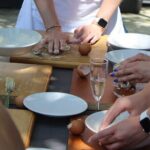
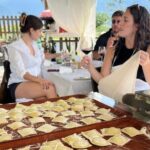
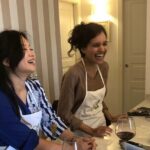
Meeting Sabrina: Garden Starter, Then the Kitchen Moves
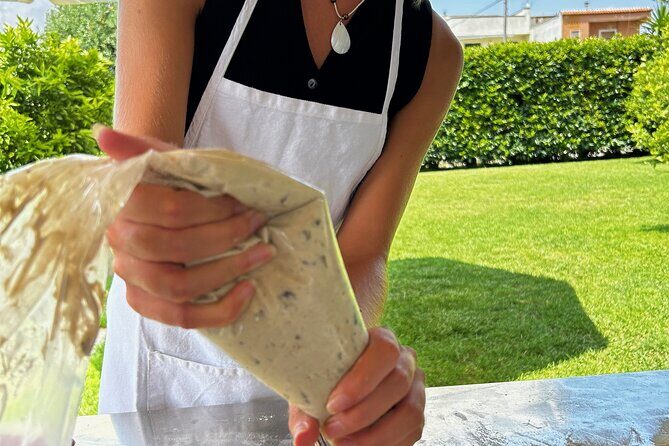
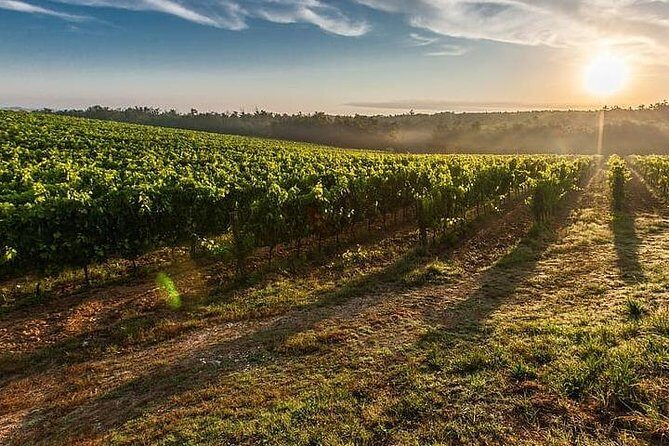
Your experience starts with an introduction that’s simple but effective. You begin outside in a small garden where the host shows you products grown for the household. It’s not just a photo stop. It sets the theme: what you’ll cook comes from land close by.
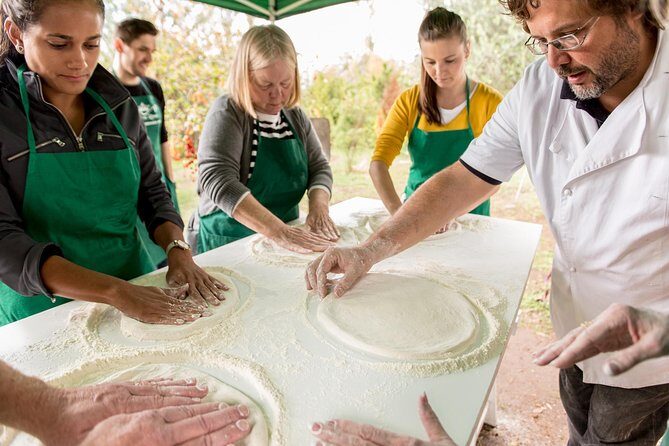
Then you head into the house, where the pace becomes hands-on. Sabrina teaches like a family cook: practical steps, clear cues, and lots of attention to texture. The focus stays on what your hands should feel like, not on fancy jargon.
This is also where the “small group” size becomes useful. With a maximum of 10 travelers, you’re less likely to get stuck waiting while someone else finishes rolling dough. You’ll spend more time doing, less time watching.
If you’re traveling as a couple or with kids, this format is especially workable. The lesson is structured, but the environment stays warm and personal. One of the great perks is that you’re not rushed. You’re guided through the process and then you eat together.
The Handmade Pasta Lesson: Dough Feel and Rolling Skills
Here’s what makes the instruction worth your time: you’re not only learning recipes. You’re learning technique you can repeat later.
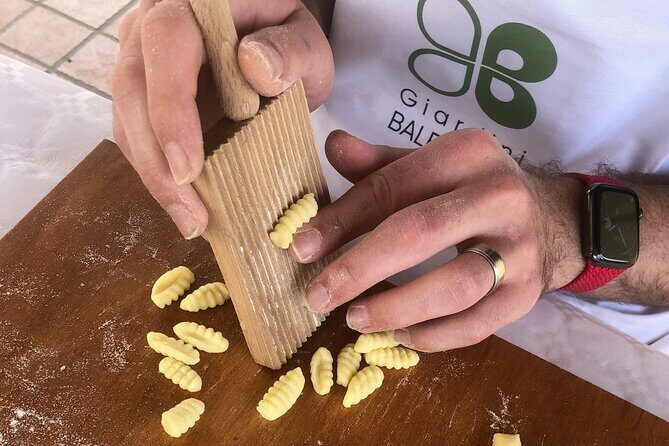
Sabrina focuses on the moment when the dough becomes right—how it should feel, how it should hold together, and what to do so it rolls smoothly. In a lot of cooking classes, people get the steps but miss that sensory part. Here, you get coached on dough texture as you work.
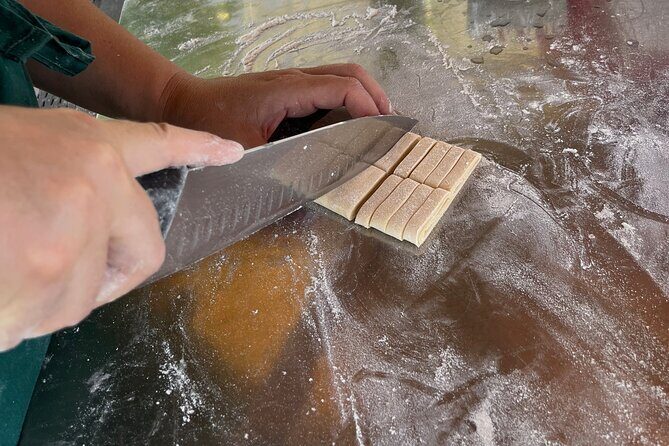
You also learn how to roll the pasta out correctly. Rolling sounds easy until you try it. Thickness affects everything: how the pasta cooks and how it behaves with sauces. You’ll get the chance to practice rather than just observe.
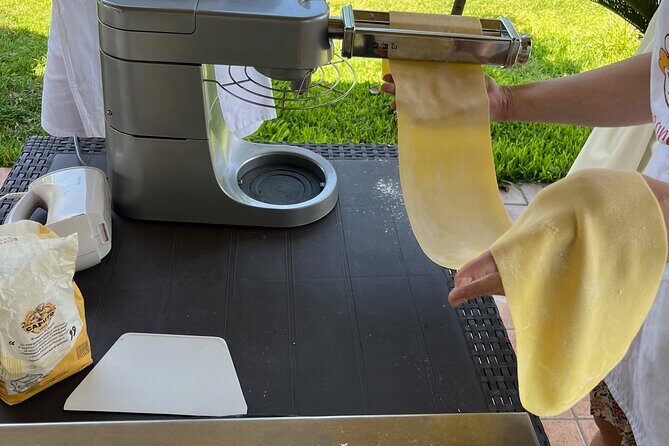
Then comes the pasta machine. You’ll see how it fits into the process and how to operate it properly so you don’t end up with uneven strips. Getting comfortable with the machine is a real skill, especially if you’re the type who buys one on vacation and wonders later why homemade pasta never quite matches the photos.
This section of the class is the core value of the whole experience. The techniques are the kind you can bring home, even if you’re not making pasta every week.
What You’ll Cook: Bruschetta, Fresh Pasta, and Dessert
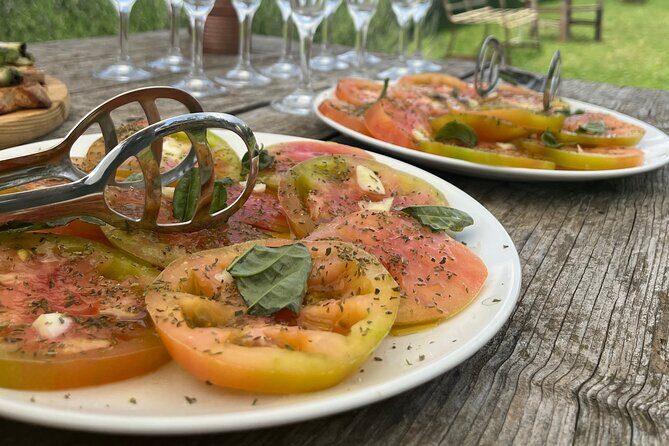
You’ll eat a full sequence, not just snacks.
Starter: bruschetta with seasonal vegetables. The vegetables are described as coming from the garden, so the flavors tend to feel grounded and seasonal rather than pre-planned to be “tour food.”
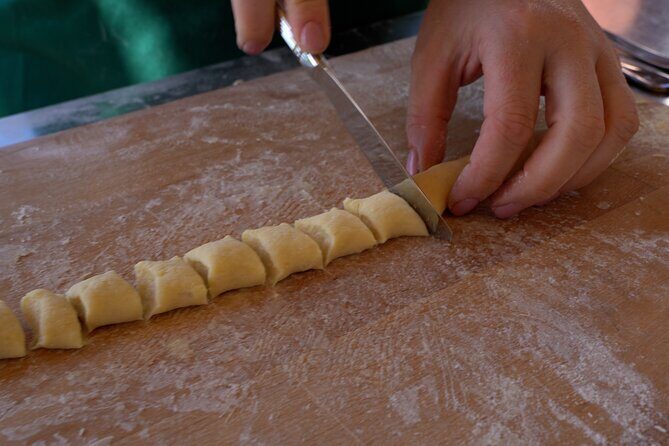
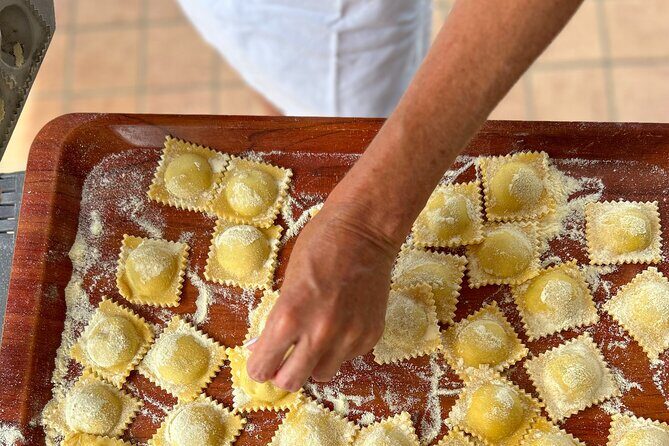
Main: fresh pasta made by hand. The exact pasta format can vary, but the lesson clearly teaches handmade pasta using flour and eggs, plus the rolling process. In some sessions, you may also cover stuffed pasta like ravioli and learn how to make long cuts like fettuchini.
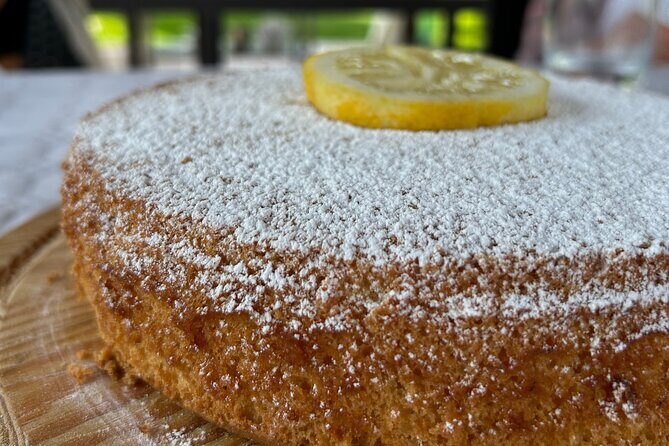
Dessert: sweet of home. The wording is simple, but that’s often a sign you’re getting something personal rather than a mass-produced item.
If you’re wondering whether you’ll actually be full at the end: you should be. The class is built around making the pasta and then sitting down to eat it as part of the same experience. This avoids the common problem where you spend time cooking and then get a tiny taste.
And because the menu includes both starter and dessert, you get a broader picture of the household meal style. You’re learning how Italians think about courses, not just how to shape one type of pasta.
The Meal Side: Eating Together Like a Family Table
The best part is often the moment after the cooking: you get to eat what you made with the people who taught you.
The experience is framed as joining an Italian family for a meal. That sounds like marketing fluff until you feel the difference. The environment stays relaxed. You’re not sent away to eat alone. You’re invited into the eating part of the process, which is where the cooking actually becomes meaningful.
Wine can be part of the meal experience here, and you might be introduced to local styles connected to the region. That kind of detail matters because it ties your pasta to the broader culture of food and drink around Vesuvius and Pompeii.
Also, the family setting adds character. There’s mention of meeting Sabrina’s husband and kids, and even time with a house cat. Those are the details that make the class feel like a lived-in home rather than a scripted performance.
If you’re worried the meal will feel awkward, don’t. The teaching tone is friendly and direct, and the structure helps everyone know what’s happening next.
You can also read our reviews of more tours and experiences in Pompeii
Price and Value: Is $94.68 Worth It?
Let’s talk numbers honestly.
At $94.68 per person for about 3 hours, you’re paying for four things:
- A real kitchen setup where you can work with dough
- A small group cap (max 10), so instruction doesn’t feel rushed
- The ingredients for a full meal sequence (starter, pasta, dessert)
- The host’s time and teaching skill, led by Sabrina
If you compare it to a quick tasting tour, the price feels higher. But those quick tours don’t teach you dough feel, rolling technique, or pasta machine operation. Here, you get learn-to-do value, not just learn-to-watch.
You should also consider what you’re paying for: a personalized kitchen lesson in a home environment. That’s harder to recreate on your own than, say, visiting another restaurant. Even if you only use the technique once at home, the lesson can still feel worth it because it teaches a method, not only a flavor.
One note: gratuities and transfer aren’t included. If you need transportation arranged, build that into your planning. If you’re already local or can reach Via Messigno, 132 with public transit, it’s easier to keep costs predictable.
Logistics That Affect Your Day (Without the Stress)
This class ends back at the meeting point, which makes it easier to plan after. The start point is clear: Via Messigno, 132. It’s also described as near public transportation, which helps if you’re mixing this with other activities around Pompeii.
You’ll receive a mobile ticket, so plan for phone battery. That’s small, but it matters when you’re moving on foot.
The group size limit is 10 travelers. That usually means better flow and less waiting, but it also means you should book early if you’re traveling in peak season. Smaller groups often fill first.
If you’re traveling with a service animal, it’s listed as allowed, which is helpful to know.
Finally, there’s a minimum number of travelers requirement. If the class doesn’t meet it, you’ll be offered a different date/experience or a full refund. That flexibility can lower your risk.
Who This Is Best For (and Who Should Skip It)
This pasta class is a strong fit if you want food that feels personal and practical.
You’ll likely love it if:
- You enjoy cooking and want technique, not just a meal
- You want a break from the usual Pompeii routine
- You’re traveling as a couple, a small group, or with kids who can handle an active 3-hour session
- You like small-group experiences where you actually talk with the host
You might want to skip or pair it carefully if:
- You’re only in Pompeii for very limited time and need maximum ruins time
- You want a purely sightseeing-focused tour (this one is kitchen-first)
- You’re only looking for a quick bite rather than a hands-on lesson
Should You Book This Pasta Class in Pompeii?
If you want a memorable “I learned something real” experience, I’d book it. The combination of garden-to-table ingredients, a small group, and instruction focused on dough texture and rolling technique is exactly what makes this kind of class stand out in a good way.
It’s also a nice change of pace from Pompeii’s big visual scale. You’ll come away with skills you can repeat and a meal you actually cooked, not just consumed.
On the other hand, if your plan is tightly packed with ruins and you’re craving only sightseeing, you might feel like you chose the wrong kind of activity. In that case, treat it as your cultural reset meal, not your main Pompeii event.
FAQ
How long is the pasta cooking class in Pompeii?
It lasts about 3 hours.
Where do I meet for the class?
The meeting point is Via Messigno, 132, 80045 Pompei NA, Italy.
What’s included in the menu?
You’ll have bruschetta with seasonal vegetables, fresh pasta that you make, and a sweet dessert of home.
Is transfer included in the price?
No. Transfer is listed as not included.
How big is the group?
The class has a maximum of 10 travelers.
Is a mobile ticket used?
Yes. The experience includes a mobile ticket.
What is the cancellation policy?
You can cancel for free up to 24 hours before the experience start time for a full refund.