REVIEW · POMPEI CAMPANIA
From Pompeii: Vesuvius excursion + Pompeii guided tour
Book on GetYourGuide →Operated by Max travel · Bookable on GetYourGuide
Seeing Vesuvius from the crater rim makes Pompeii hit different. This outing pairs a climb to the top of the crater with a guided walk through Pompeii’s most important sites, so you connect the explosion to the daily life it interrupted. I especially love the easy logistics (transfers included, and you skip the ticket line) and the chance to hear the Pompeii archaeology guide explain what you’re looking at. One heads-up: the Vesuvius portion includes a walk on uneven, step-like terrain, and the crater entrance can close in bad weather.
You’ll start at Porta Marina Superiore, meet your team, ride up toward the volcano, and then drop back down for Pompeii. The whole pace is about giving you the big hits in one day without you playing transportation Tetris. Just plan for sun, stairs, and time on your feet.
In This Review
- Key highlights worth your attention
- Getting started at Porta Marina Superiore (Via Marina, 6)
- The van ride: how the day sets context before you climb
- Mount Vesuvius crater walk: 25 minutes that changes your perspective
- The crater visit: what to focus on while you have time
- Back down to Pompeii: where your guide turns ruins into a routine
- The best part of Pompeii isn’t the biggest crowds
- Timing: a realistic 5-hour plan (and what it means for you)
- Price and value: what you’re really paying for
- What to bring (and what to do with your energy)
- Who should book this Pompeii and Vesuvius combo
- Should you book it?
- FAQ
- How long is the Pompeii and Vesuvius excursion?
- Where does the tour start?
- What is included in the price?
- Is the Villa dei Misteri included?
- Do I need to buy tickets in advance?
- What languages are the guides?
- Is it wheelchair accessible?
- What if the weather is bad at Vesuvius?
- Can I cancel for a full refund?
Key highlights worth your attention
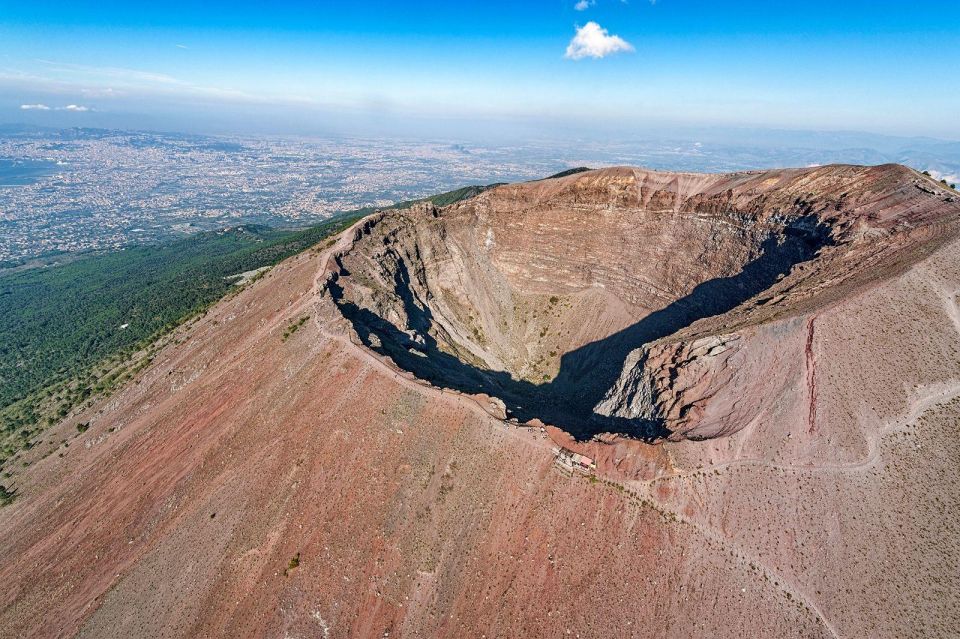
- Crater approach from 1,000 meters: a controlled ascent followed by a ~25-minute walk toward the crater top
- Real time on the volcano cone: you get around enough to take in dramatic views of the shape of Vesuvius
- Guided Pompeii with an archaeologist: you focus on the most important areas, not a random wander
- Transfers + tickets included: fewer logistics headaches, more time at the sights
- Time to ask for extra stops after Pompeii: your guide can point you toward nearby sights and food options
- Weather can affect the crater: plan with the understanding that access may be limited
Getting started at Porta Marina Superiore (Via Marina, 6)
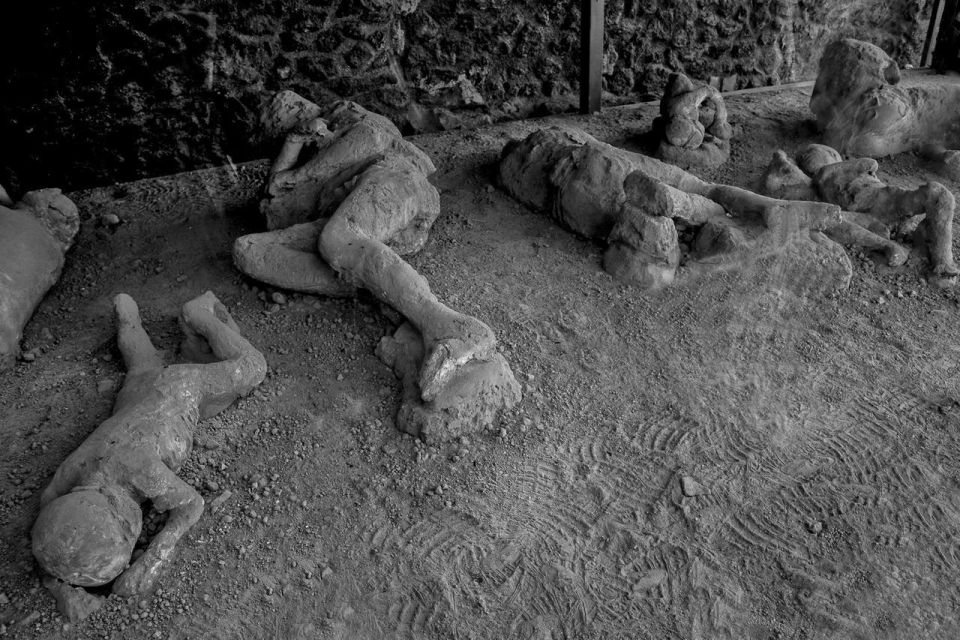
I like tours that begin where the action is. Here, the meeting point is at the main entrance to Pompeii ruins, Porta Marina Superiore, on Via Marina 6. That matters because it reduces the “where do I even go?” stress that can eat your morning.
From there, you board a van for the ride up toward Vesuvius. Expect the day to move on a set schedule—this is not the kind of trip where you can casually drift. If you’re prone to getting distracted, bring your energy for photos because you’ll likely be surprised at how quickly the scenery changes from city to volcanic slopes.
This is also where language support can help you get more out of the day. The live tour guide is available in English and Italian, so you can follow the explanations without guessing.
You can also read our reviews of more tours and experiences in Pompei Campania.



The van ride: how the day sets context before you climb
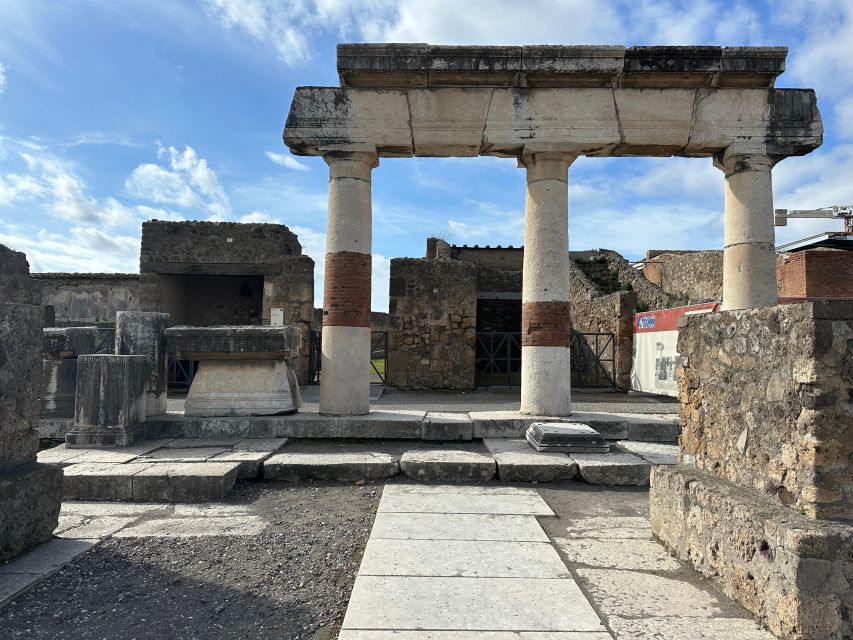
A big part of the value here is what happens before you even start walking. Your driver takes you to about 1,000 meters above sea level before the crater path begins. That positioning helps because you’re not doing the steepest part by foot. You still walk, but the climb is managed.
The ride is also when you get the story framed. In great groups, the guide keeps things moving with practical context about what Vesuvius did and how Pompeii was arranged. One review mentioned a guide named Nello keeping the drive informative, which makes sense—when you arrive at the crater, you’re not just looking at a hole in the ground. You’re looking at the physical setting of a major event from 79 A.D.
Small practical note: keep your own comfort in mind on the drive. One review described a moment of driver phone use that made the group uneasy after a near miss on the road. If you ever notice distracted driving, it’s totally reasonable to ask to pull over or refocus. You’re paying for a service, and safety is non-negotiable.
Mount Vesuvius crater walk: 25 minutes that changes your perspective
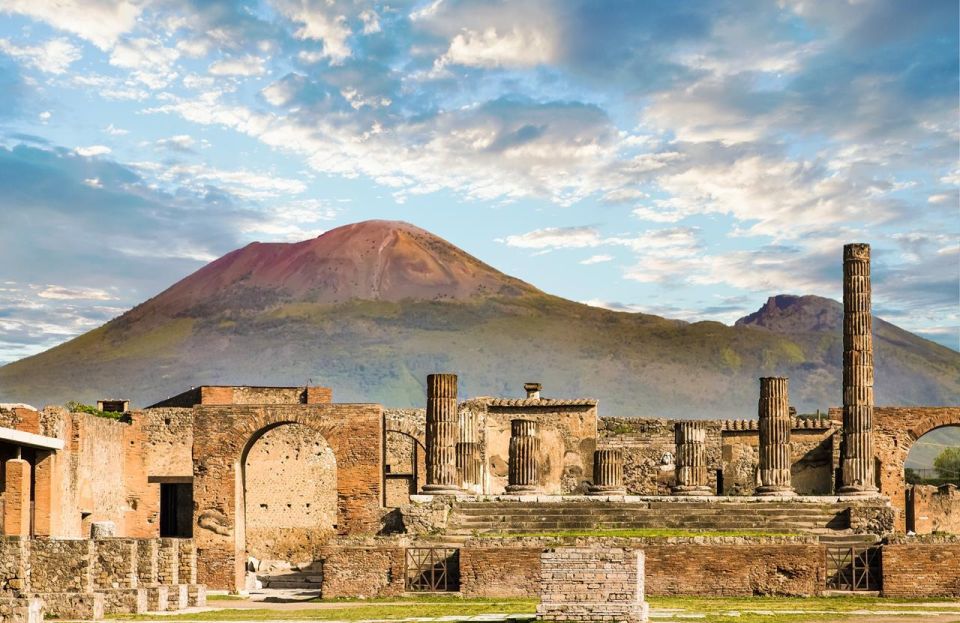
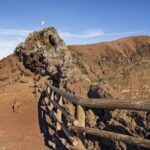
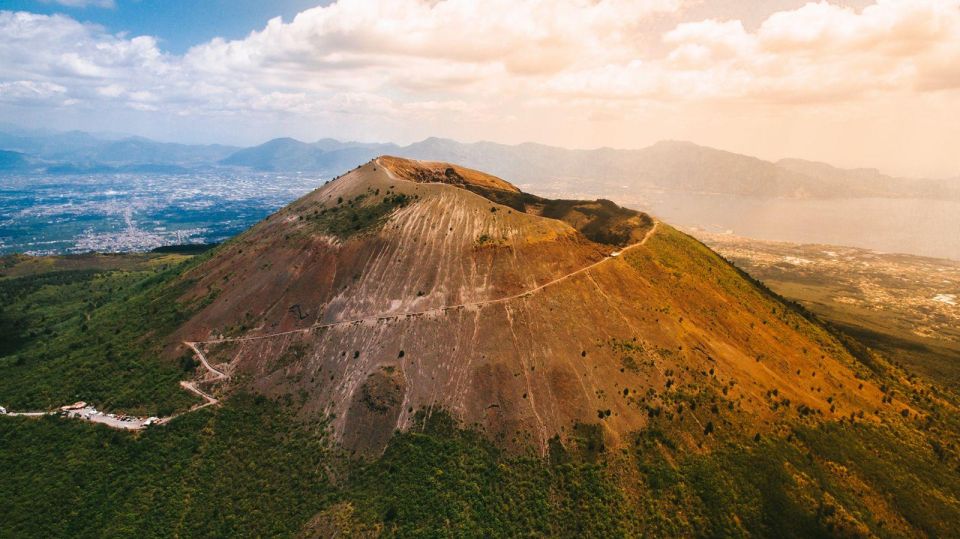
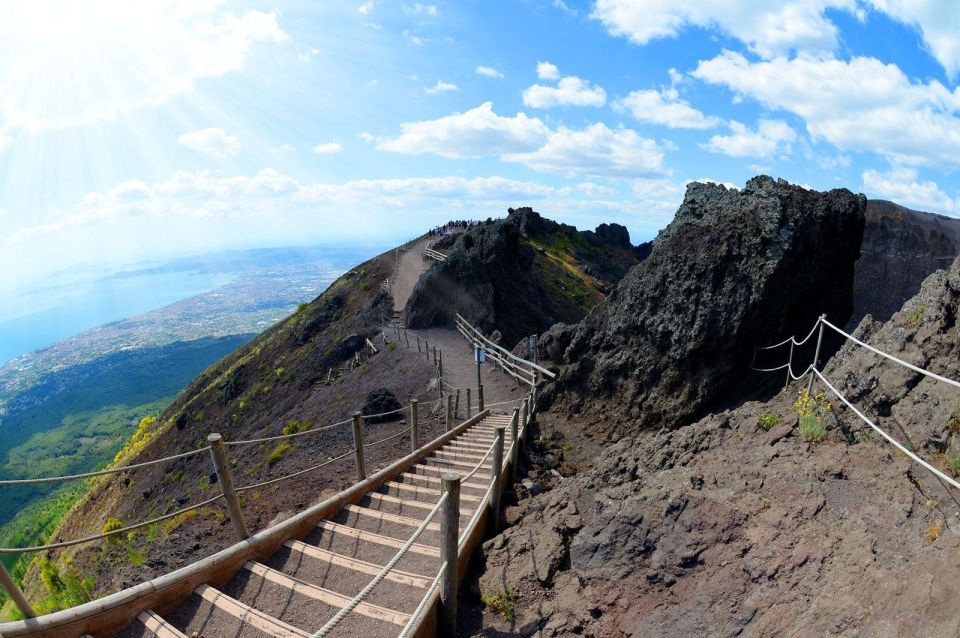
This is the heart of the volcano part. After reaching around 1,000 meters, you walk for about 25 minutes along a path leading toward the top of the crater. That’s not a long hike on paper, but it is a real walk. You’re dealing with volcanic terrain, possible steps, and sun exposure. This is why comfortable shoes matter more than you think.
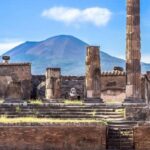
From the top, you get about 2 hours to explore around the cone and take in the crater views. The key here isn’t just the photo. It’s how the crater rim helps you understand scale—why Pompeii could be impacted the way it was, and why people in the region would have experienced the mountain’s behavior as immediate and terrifying.
Two things to consider:
- Ambulation limits: It’s not described as wheelchair-friendly. One review called out that the hike and stepped terrain can be a challenge if you have difficulty walking.
- Weather control: The crater entrance could close due to adverse weather conditions. If that happens, the plan depends on how the operator adjusts your experience. It’s not a tour you want to treat like a guaranteed weather-independent must-do.
If you want to enjoy this part, go slowly at the start, stay hydrated, and don’t save all your breath for the last minutes. Volcano walks can feel longer than expected because the ground isn’t flat and the viewpoint is constantly pulling your attention.
The crater visit: what to focus on while you have time
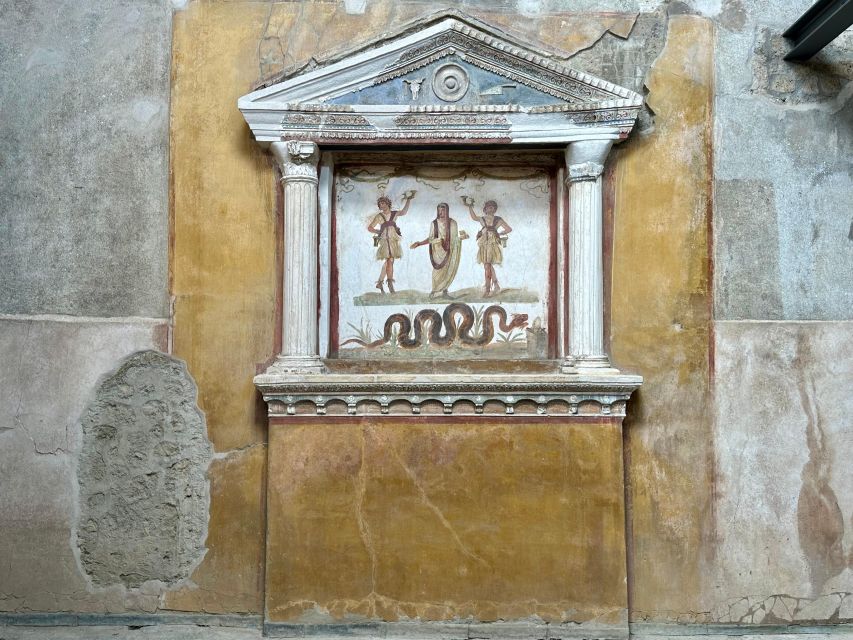
Once you reach the crater top, the best use of your time is to slow down and pick a few “anchors” visually. Don’t try to photograph everything equally—choose what helps you connect the day’s two halves (volcano and city).
I like thinking in three layers as you look around:
- The crater shape: note how it opens and how the slopes funnel your eye.
- Distance cues: if you can, compare how far you can see and what you can spot below.
- Cause-and-effect mindset: imagine what a nearby town would have sensed during an eruption in August 79 A.D.—not just the event, but the speed and intensity of what happened.
If you’re someone who likes explanations, ask your guide a question before you go off to take photos. A short question—what should I notice first, where does the path make the most difference—often turns a scenic stop into real understanding.
Back down to Pompeii: where your guide turns ruins into a routine
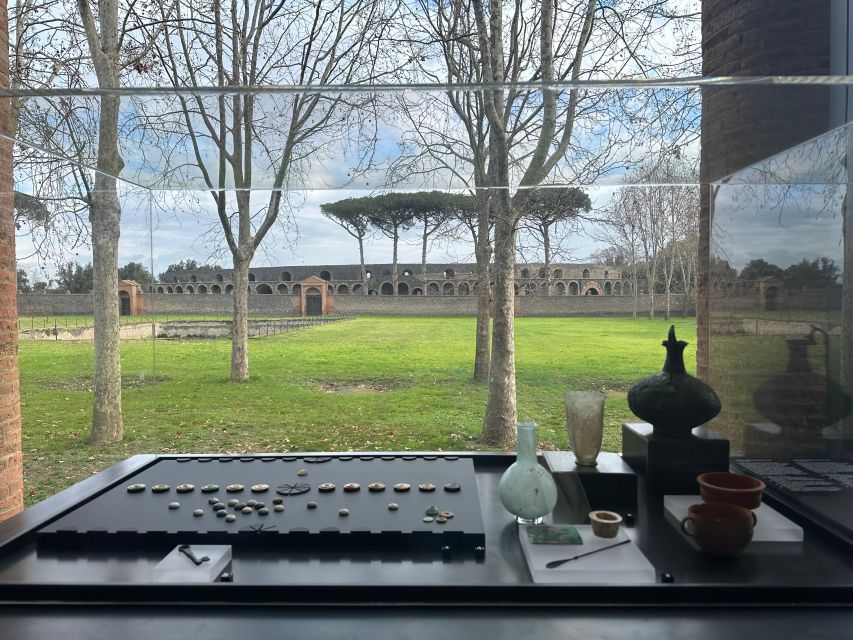
After the volcano, the van takes you to the main entrance of the Pompeii excavations. This transition is more than convenience. It helps you switch gears smoothly: from the geology and crater views to streets, houses, and daily life.
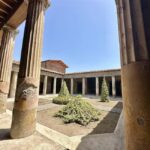
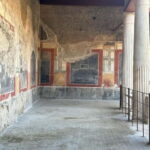
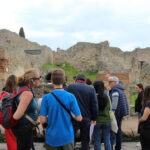
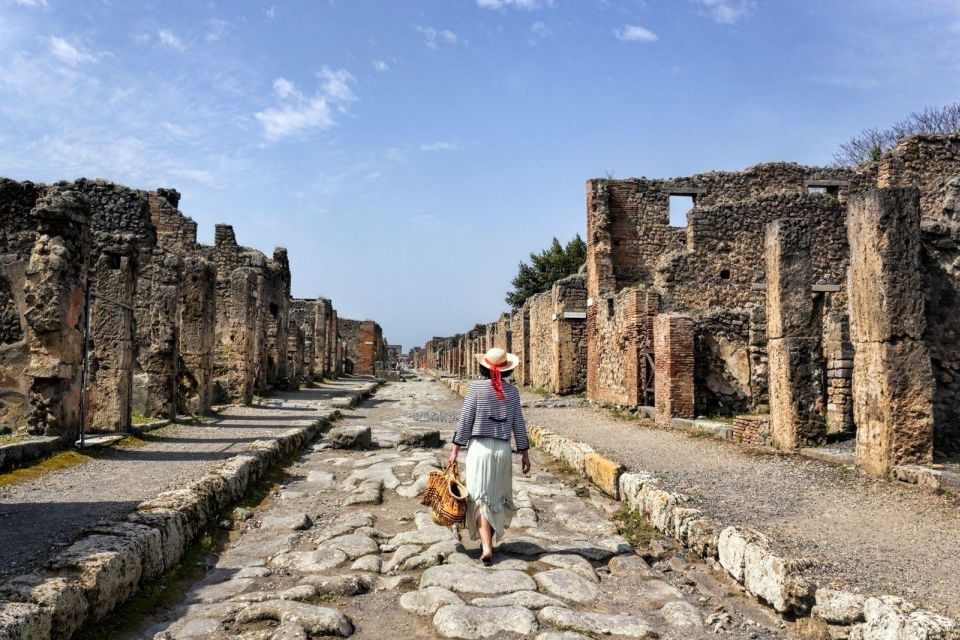
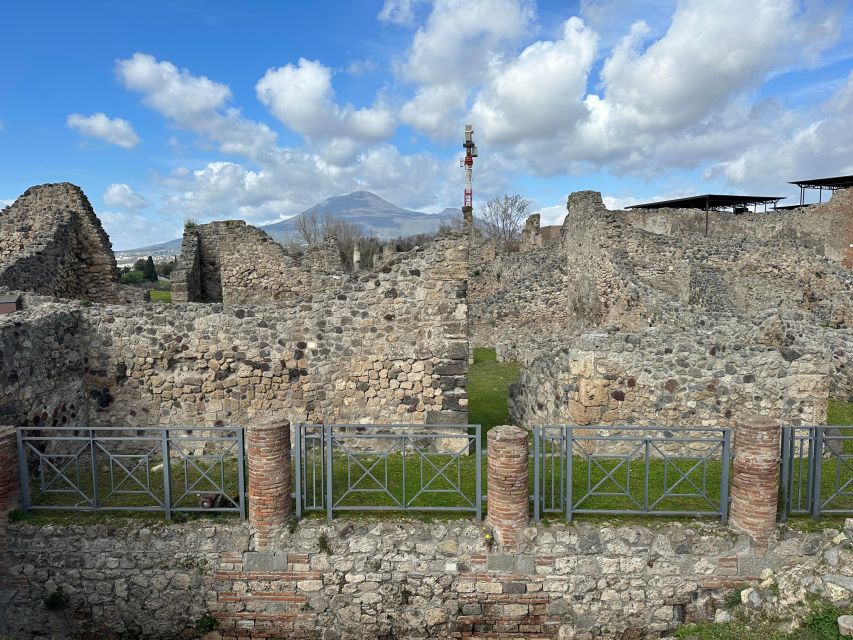
Your Pompeii time is guided for about 2 hours. An archaeology expert leads the walk to the most important sites. That’s the difference between seeing Pompeii as “a bunch of stones” and seeing it as a city that used to have schedules, neighbors, and messes.
Here’s what I find most valuable about an expert-led route:
- You don’t waste time guessing what’s significant.
- You learn what details mean, like how spaces were used.
- You start connecting one area to another, instead of hopping randomly between headlines.
In one review, the Pompeii guide was named Ima, and the writer called her a delight. Even without naming your guide in advance, the takeaway is clear: a good guide doesn’t just list facts. They help you see what daily life looked like.

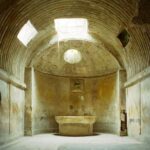


The best part of Pompeii isn’t the biggest crowds
Pompeii can overwhelm you if you’re on your own. With only a couple of hours, you want someone to make choices for you—choices about what’s most representative and what’s most worth your energy.
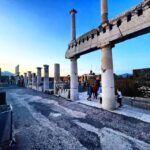
During your guided walk, you’ll move around the site at a pace designed for comprehension. You’re meant to walk and get explanations that help you “relive” ordinary life in the city. That phrase can sound dramatic, but it’s basically practical: you learn what people did in different spaces, and suddenly the layout starts making sense.
After your guided portion, you can continue exploring in the ancient city. This is a smart time to ask your guide for advice on what else is worth your attention around Pompeii. If you care about food, it’s also the moment to ask for eating suggestions—your guide can point you toward places with good culinary options and practical facilities nearby.
Timing: a realistic 5-hour plan (and what it means for you)
This tour is scheduled as 5 hours total. That time block is the trade-off: you’re getting two major experiences in one day, but you’re not doing a full day of slow wandering.
Here’s the practical rhythm:
- Van transfer to the volcano area
- Walk toward the crater top (~25 minutes)
- Time on the Vesuvius crater visit (about 2 hours)
- Van transfer back down
- Guided tour in Pompeii (about 2 hours)
- Return to the starting meeting point
So who is this ideal for? People who want the highlights without spending a whole day figuring out transport. If you’re the kind of traveler who likes to linger for hours in one courtyard and not be rushed, you might feel the pace. But if you want a strong, structured introduction—this hits the sweet spot.
Also keep daylight in mind. Sun and heat can make both walking portions harder, especially on the crater path. Bring water, wear sunscreen, and plan for breaks that don’t slow the group too much.
Price and value: what you’re really paying for
At $147.27 per person, it’s not a “cheap and cheerful” excursion. But it is a value-focused one if you hate logistics.
What’s included:
- Transfers to and from Pompeii and to and from Vesuvius
- Guided tour of Pompeii
- Entry tickets for Pompeii and the crater of Vesuvius
- The tour guide service during the experience
- Skip-the-ticket-line access
What that means in real life: you’re paying for time savings and direction. Pompeii has enough moving parts that a guide route becomes worth it fast, especially when your Pompeii time is about 2 hours. Likewise, crater access plus organized transport is the kind of setup that’s easy to botch on your own.
If you were to arrange everything separately, you’d likely spend time coordinating transport and ticketing, and you might still not get a guided route that helps you understand what you’re seeing. For many visitors, paying for the “already assembled day” is the point.
What to bring (and what to do with your energy)
This tour is very doable, as long as you pack for a warm, active day.
Bring:
- Comfortable shoes (seriously—crater paths and uneven ground are not the place for flexible fashion)
- Sunglasses
- Sun hat
- Sunscreen
- Water
- Comfortable clothes
You might also want to wear layers you can adjust. Even when it feels hot at sea level, weather and temperature can shift on higher volcanic terrain.
Pacing tip: start slower than you think you need to on the crater walk. A quick burst early can cost you later, and the views are better when you’re not rushing and breathing hard. Then in Pompeii, let your guide’s route set your pace—your legs will thank you.
Who should book this Pompeii and Vesuvius combo
I think this tour is a strong fit if you:
- Want a first-time look at Pompeii and Vesuvius in one day
- Prefer guided structure over trying to design your own route
- Appreciate expert explanations at major sites
- Are comfortable with a short walk to the crater area and time on your feet
It’s less ideal if you:
- Need wheelchair access (it’s not suitable for wheelchair users)
- Have limited mobility and can’t handle uneven, step-like terrain
- Are traveling with a very strict need for a slow, unhurried pace
And if weather is a major concern for you, treat the crater visit as weather-dependent since entry can close due to adverse conditions.
Should you book it?
I’d book this excursion if you want a clean, guided “best of” day. The combination is exactly what makes it appealing: Vesuvius crater first, so the eruption context is fresh, and then Pompeii with an archaeology guide, so the ruins don’t stay mysterious.
Skip it if you’re chasing a long, leisurely Pompeii day or if you know you won’t handle the crater terrain comfortably. In those cases, you’d probably get more satisfaction with a different pace or a more accessible plan.
If you’re on the fence, ask yourself one question: do you want your day to run smoothly with tickets and transport handled, plus a route that explains what you see? If yes, this is a solid choice.
FAQ
How long is the Pompeii and Vesuvius excursion?
The total duration is 5 hours.
Where does the tour start?
It starts at the main entrance of Pompeii ruins, Porta Marina Superiore (Via Marina, 6).
What is included in the price?
Transfers to/from Pompeii and to/from Vesuvius, guided tour of Pompeii, and entry tickets of Pompeii and the crater of Vesuvius are included.
Is the Villa dei Misteri included?
No, Villa dei Misteri is not included.
Do I need to buy tickets in advance?
No. You get skip-the-ticket-line entry for Pompeii and the Vesuvius crater.
What languages are the guides?
The live guide is available in Italian and English.
Is it wheelchair accessible?
No, it is not suitable for wheelchair users.
What if the weather is bad at Vesuvius?
The entrance to the crater could close due to adverse weather conditions.
Can I cancel for a full refund?
Yes, you can cancel up to 24 hours in advance for a full refund.