REVIEW · COOKING CLASSES
Fettuccine Ravioli and Tiramisu Cooking Class in Rome
Book on Viator →Operated by Master Pasta Makers · Bookable on Viator
Rome gives you plenty to see. This one lets you do.
I like that the class keeps you close to real Italian technique—fresh pasta work in the kitchen, not just a demo. I also like the payoff: you make fettuccine, ravioli, and tiramisù and then sit down to enjoy what you built, with wine.
One thing to plan for: while you’ll do most of the hands-on shaping and filling, you may not be the one doing all the final cooking on the stove. The chef keeps things moving so everyone ends up with plates that look right.
In This Review
- Key things that make this class worth your time
- Where the class happens: Piazza Navona area, real local pacing
- The real magic: making fresh fettuccine and ravioli
- Fettuccine: roll, cut, and get the hang of dough
- Ravioli: stuffing is where it gets fun
- Tiramisu workshop: mascarpone, espresso-soaked biscuits, and the final finish
- Sauce options: why the fettuccine part feels very Roman
- What you actually do in the kitchen (and what the chef handles)
- Timing: three hours on the clock, but the flow can be faster
- Drinks and the final sip: a small Rome ritual
- Price and value: what you’re paying for at $84.69
- Who this class suits best (and who might not love it)
- My booking advice: when to go and what to pair it with
- Should you book this fettuccine, ravioli, and tiramisù class?
- FAQ
- What dishes will I make in the class?
- How long does the cooking class last?
- Where does the class meet?
- Is this class hands-on or mostly watching?
- Do you offer different sauce options for the fettuccine?
- Are drinks included?
- Do I get recipes to take home?
- Is the class taught in English, and is there free cancellation?
Key things that make this class worth your time
- Two pastas and one dessert: fettuccine + ravioli + classic tiramisù, all from scratch
- Center-of-Rome location near Piazza Navona: a great break from crowds and museum lines
- Chef coaching in small groups (max 20): lots of attention while you roll and cut
- Sauce choice for fettuccine: tomato and basil, cacio e pepe, or amatriciana
- You finish with the meal and drinks: wine, water, and a final sip of limoncello or coffee
- Hands-on pace that feels approachable: many people find pasta-making simpler than they expect
Where the class happens: Piazza Navona area, real local pacing
The meeting point is Via Giuseppe Zanardelli, 14 (00186 Roma). It’s in the kind of central Rome spot that makes this class easy to fit between sightseeing—no long transfers, and you can keep wandering afterward.
The kitchen setup is designed for groups up to 20, so it doesn’t feel like you’re stuck in a long line waiting for someone to notice you. And it’s taught in English, which matters in a cooking class where timing and technique are everything.
A nice detail: the experience uses a mobile ticket. That’s one less thing to worry about when you’re already managing tickets, maps, and gelato stops.
You can also read our reviews of more cooking classes in Rome
The real magic: making fresh fettuccine and ravioli
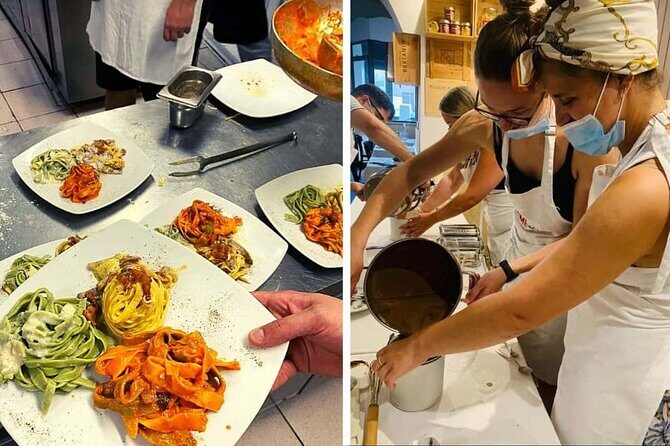
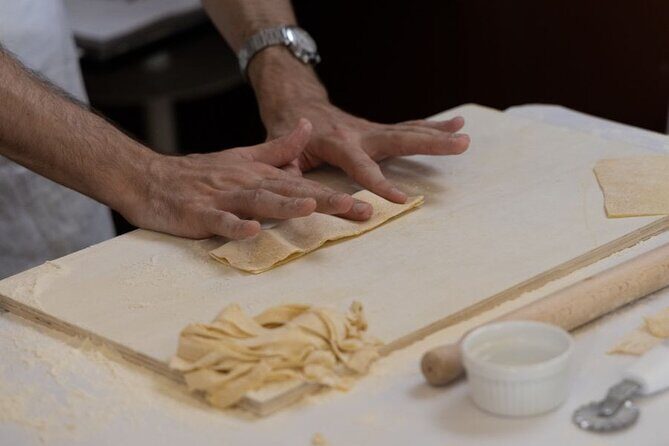
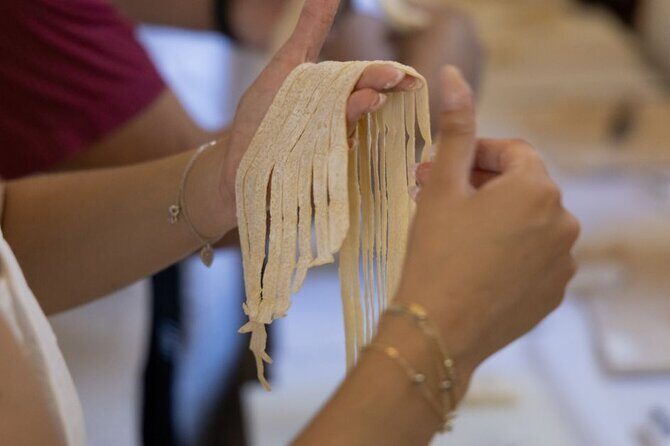
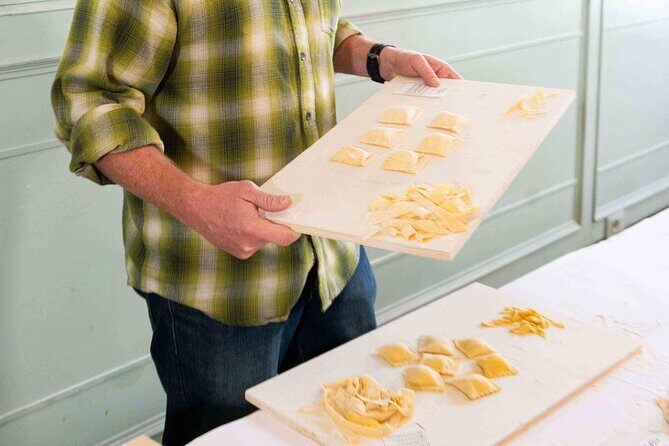
This is a hands-on pasta class with a clear goal: you roll dough, cut it, and assemble ravioli fillings yourself. You’re not just watching someone else work.
Fettuccine: roll, cut, and get the hang of dough
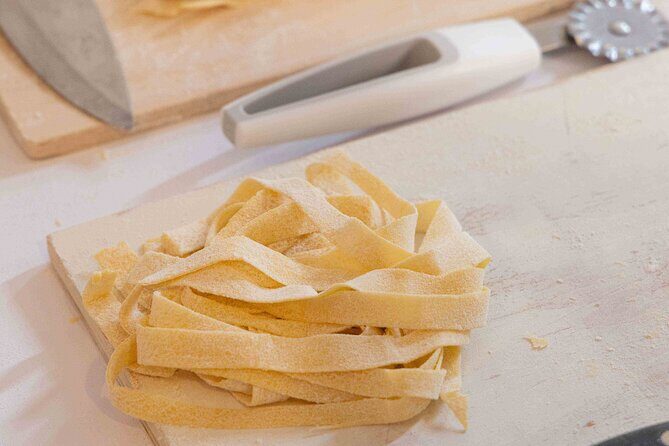
Fresh fettuccine starts with dough and patience. You’ll learn how to roll it and create the ribbons that turn into fettuccine. The key is technique: consistent thickness, clean edges, and dough that behaves instead of tearing.
What I’d focus on if you’re new: don’t rush the rolling. Small adjustments early make the rest of the cutting smoother. Once you see dough transform from a lumpy starting point into neat pasta strips, it clicks fast.
Ravioli: stuffing is where it gets fun
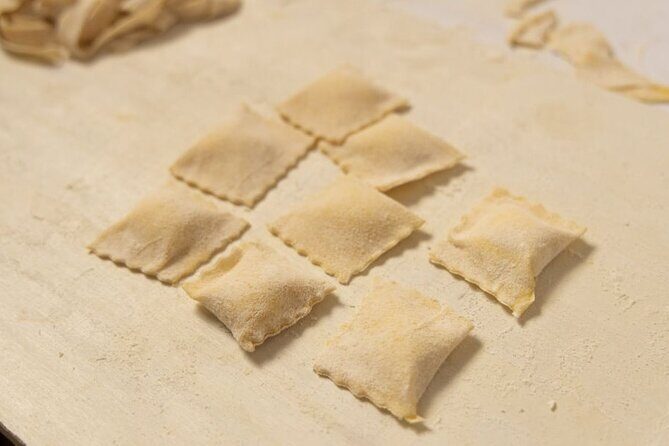
Ravioli is where your hands do the talking. You’ll prepare ravioli dough, roll it, and then stuff it. The process forces you to slow down just enough to understand portions—too much filling is messy, too little looks sad.
If you’ve ever eaten restaurant ravioli and wondered how they hold their shape, this is your answer. You’ll learn how to portion and seal so the ravioli doesn’t come apart when it gets served.
Tiramisu workshop: mascarpone, espresso-soaked biscuits, and the final finish
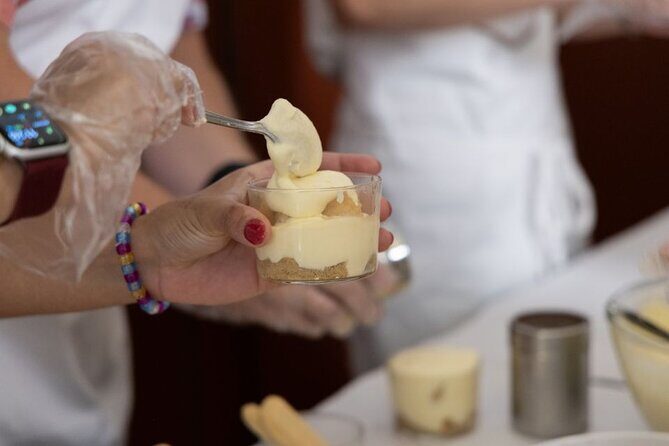
The dessert portion is classic tiramisù, with mascarpone and espresso-soaked biscuits. You’ll build it from scratch, not from pre-made components.
Tiramisu is one of those desserts where technique is more forgiving than it looks. The mixture texture matters, but you don’t need culinary superhero skills. You just need to follow the steps closely and give it the right assembly.
And since tiramisù is served at the end of the session, it also works as the emotional payoff for all the pasta work. After dough and rolling, dessert feels like a reward you earned.
You can also read our reviews of more tours and experiences in Rome

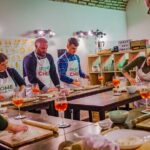
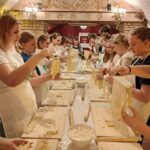
Sauce options: why the fettuccine part feels very Roman
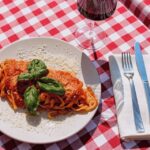
For the fettuccine meal, you’ll have sauce choices. The options listed are tomato and basil, cacio e pepe, or amatriciana.
Here’s why that’s smart for your travel brain: those sauces let you taste a range of Roman-flavored logic without having to pick one restaurant and gamble. You get to compare styles right at the table.
If you want the most straightforward choice, go tomato and basil. If you want something darker and pepper-forward, cacio e pepe is usually the one. Amatriciana leans bold and savory, and it’s a great pick if you like a sauce that tastes like it means business.
What you actually do in the kitchen (and what the chef handles)
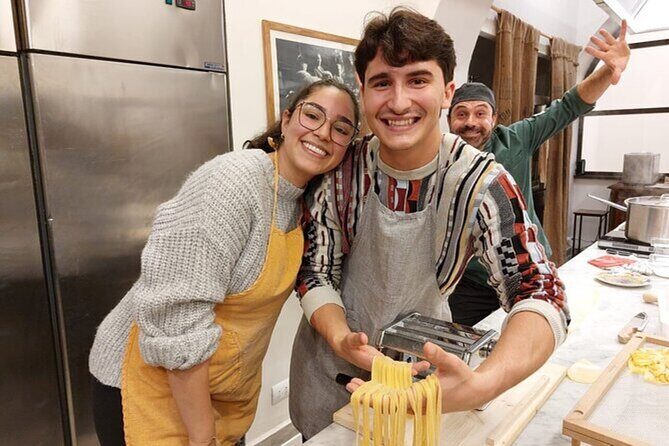
Expect a real class rhythm: you do the prep that makes the food, then the kitchen process keeps moving toward cooking and serving so everyone can eat together.
Some reviews highlight that you prepare the pasta but may not personally do all of the cooking. That’s normal in a group class. The goal is that you come away with skills you can recreate at home—not that you master every stove technique in three hours.
Chefs in this experience are typically hands-on and encouraging. You might learn from instructors with names like Maria, Leo, Lori, Dani, Mattia, Carlotta, Mimi, Leonardo, Tommy, or Jo. The common thread is patient coaching—especially when you’re rolling dough that wants to fight you a little.
Practical tip: if your dough is sticking or behaving oddly, ask immediately. In cooking classes, the smallest fix early prevents a big mess later.
Timing: three hours on the clock, but the flow can be faster
The class duration is listed as about 3 hours. In practice, the pacing can vary a bit based on group size and how quickly everyone learns the steps.
A good way to plan your day: treat it like a half-day commitment. Arrive with time to settle. Then after you eat, you’re free to continue exploring nearby—this is one of the easiest Rome activities to connect to an evening meal out.
Drinks and the final sip: a small Rome ritual
Food classes in Rome often feel more like a social dinner than a school lesson. This one follows that pattern.
You’ll enjoy your creations with a glass of wine and water. There’s also a final sip of limoncello or coffee, depending on what’s served that day.
That drink step matters more than it sounds. It’s part of the experience flow: cook, eat, relax, then close the loop with something distinctly Italian.
Price and value: what you’re paying for at $84.69
At $84.69 per person for roughly three hours, you’re paying for four things that are hard to replicate on your own:
First, the professional chef guidance. Dough technique is tricky when you’re learning alone. In a class, someone corrects your angle and your thickness before you build bad habits.
Second, the ingredients and structured steps. You’re not shopping, measuring, and guessing. You show up, follow a sequence, and end with usable results.
Third, the meal payoff. You don’t just “sample” at the end. You eat the fettuccine and ravioli you made, plus your tiramisù.
Fourth, the location convenience. Being near the Piazza Navona area makes this an easy break in a crowded city day. Value isn’t only the euros. It’s also time you don’t waste getting there.
If you’re trying to decide between a cooking class and another pricey activity, this one’s strong because it produces something you can cook again at home. The souvenir isn’t only photos. It’s a repeatable skill set and the recipe steps you can follow later.
Who this class suits best (and who might not love it)
This experience fits best if you want a hands-on Rome moment and you like the idea of eating what you make.
You’ll likely enjoy it if:
- you’re a beginner who wants simple, guided pasta technique
- you’re traveling as a couple or small group and want a shared activity
- you’re bringing kids and want a structured, fun food project (it’s frequently described as family-friendly)
- you want a break from crowds without giving up a high-quality experience
You might think twice if:
- you want a long sit-down cooking lecture with minimal participation
- you expect to do every step, including all stove cooking, without any chef support
- you’re tight on time and need something shorter than a half-day block
My booking advice: when to go and what to pair it with
I’d book this early in your Rome trip—especially if you’re the type who likes to test new skills. After you learn the dough logic here, it’s easier to appreciate pasta in restaurants later.
Pair it with sightseeing before or after. The central location near Piazza Navona makes it easy to stitch into a day that already includes Roman landmarks, walking breaks, and a casual dinner afterward.
And bring a mindset that helps: you’re making food, not performing. Even if a piece looks imperfect at first, the chef coaching is there to keep you on track.
Should you book this fettuccine, ravioli, and tiramisù class?
If you want one of the most practical, satisfying activities you can do in Rome, book it. You’ll leave with hands-on pasta skills, a classic tiramisù you can recreate, and a meal that tastes like effort (the best kind).
I’d especially recommend it if you like guided learning and you want to spend a few hours away from the worst crowds while staying in the center of things.
If you prefer quiet museum time or you only want to watch, then it may not match your style. But for most people—food lovers, couples, families, and curious beginners—this is a high-value way to spend a Rome afternoon.
FAQ
What dishes will I make in the class?
You’ll make fresh fettuccine and ravioli, plus a classic tiramisu.
How long does the cooking class last?
It runs about 3 hours (approx.), though the flow can vary.
Where does the class meet?
The meeting point is Via Giuseppe Zanardelli, 14, 00186 Roma RM, Italy. The activity ends back at the same meeting point.
Is this class hands-on or mostly watching?
It’s hands-on. You prepare the pasta and dessert with chef instruction. Some parts of the final cooking may be handled by the chef so the group can eat together.
Do you offer different sauce options for the fettuccine?
Yes. The listed sauce options are tomato and basil, cacio e pepe, and amatriciana.
Are drinks included?
Yes. You’ll have a glass of wine, water, and a final sip of limoncello or coffee.
Do I get recipes to take home?
Some class participants note that they receive recipes after the class.
Is the class taught in English, and is there free cancellation?
The class is offered in English. There is free cancellation up to 24 hours in advance for a full refund.