REVIEW · COLOSSEUM TOURS
VIP Colosseum, Roman Forum & Palatine Hill & Special Access Sites
Book on Viator →Operated by Walks - Italy & Spain · Bookable on Viator
Ancient Rome feels closer on this VIP route. I like the SUPER Sites access on Palatine Hill because it shows you layers of Roman life you usually only see from behind ropes. I also love that the Colosseum experience is skip-the-line focused, so you spend more time looking up at the architecture and less time shuffling with the crowd.
You should know one possible drawback up front: this is a walking tour with plenty of steps. On hot or rainy days, you’ll still cover a lot of ground, so come ready for a real (but manageable) trek.
If you end up with a great guide, you’ll get a big payoff. In past groups, people raved about guides like Eddy (with a PhD in archaeology) and Luigi (friendly, funny, and quick to adapt when plans change).
In This Review
- Key points to know before you go
- Why this VIP Colosseum route feels different (not just another ruins walk)
- Start at the Roman Forum: Caesar’s world in street-level form
- Palatine Hill SUPER Sites: where the “usual visit” ends
- Colosseum first and second tiers: the stadium as a political tool
- How the guide and small-group pacing changes everything
- What you should do before your tour (so security doesn’t ruin your day)
- Value check: is $139.13 a smart buy for this Rome day?
- Who this tour suits best (and who might want a different option)
- Should you book VIP Colosseum, Roman Forum & Palatine Hill with Special Access Sites?
- FAQ
- How long is the VIP Colosseum, Roman Forum & Palatine Hill tour?
- Is this tour in English?
- Is it a walking tour?
- What does the tour include for tickets?
- Which Palatine Hill SUPER Sites will we visit?
- What are the Colosseum areas covered during the tour?
- Where do we meet and where does the tour end?
- Do I need hotel pickup?
- What ID do I need to bring?
Key points to know before you go
- Rare SUPER Sites on Palatine Hill: House of Augustus, Santa Maria Antiqua, and Domus Tiberiana are possible depending on what’s open.
- Forum + Palatine + Colosseum in one flow: You move through Rome’s political center, then its imperial “backyard,” then the stadium.
- First and second tiers at the Colosseum: The route emphasizes standout levels with guided context and efficient entry.
- Small group size (max 16): Questions are easier to answer, and your guide can keep everyone moving.
- Bring ID and exact matching names: Security can deny entry if names on the ticket don’t match your passport/ID.
- Access can change due to regulations/closures: Your guide updates you at the start if needed.
Why this VIP Colosseum route feels different (not just another ruins walk)
Rome has two kinds of tours: the ones where you stand in line and the ones where you actually get to see things. This one is built around time-saving entry plus special-access time in the right places.
The “VIP” part isn’t only about skipping the queue. It’s about what you do with the time you save. Instead of sprinting from one photo spot to another, your guide ties the spaces together: the Forum as the stage for politics, Palatine Hill as the imperial power base, and the Colosseum as the public theater where the state showed off.
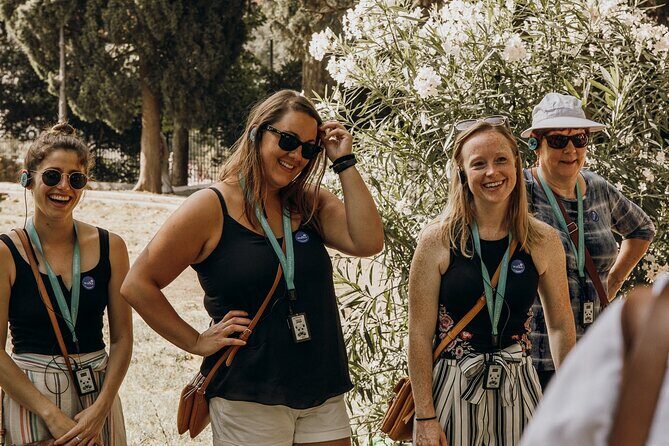
Another practical win is the group size limit of 16 travelers. That keeps the experience from turning into a human stampede, and it makes it easier for your guide to correct your sightlines. You’ll get pointers on where to look—arches, tiers, corridors, and viewpoints—so the ruins start to read like a city again, not random piles of stone.
And yes, guide quality matters a lot here. In groups I’ve read about, names like Paula, Marco, Guido, Mariela, Ricardo, Anna, and Sev show up for a reason: people liked the explanations, not just the access. If you’re the type who asks questions—What did this function? How did that work?—a strong guide can turn the walking into real understanding.
You can also read our reviews of more tours and experiences in Rome
Start at the Roman Forum: Caesar’s world in street-level form
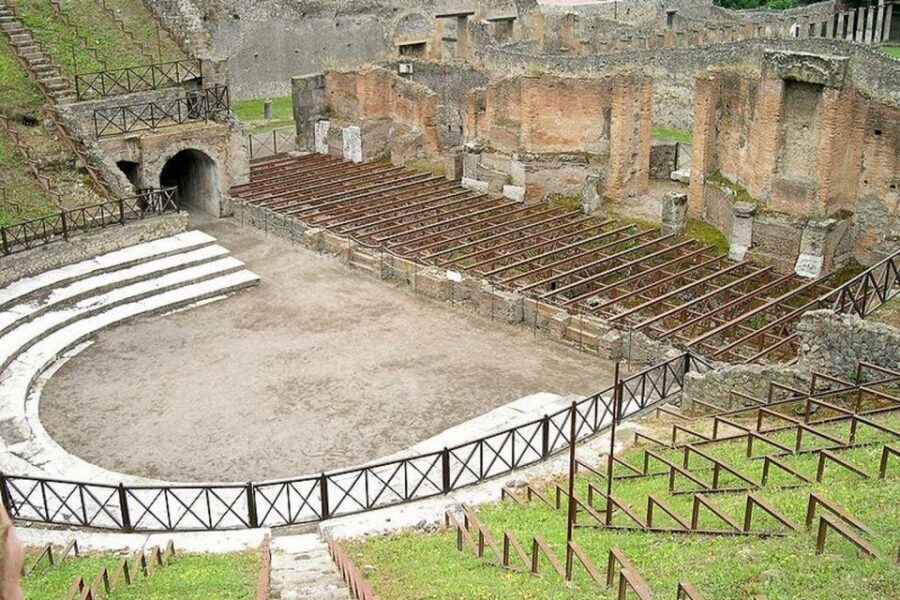
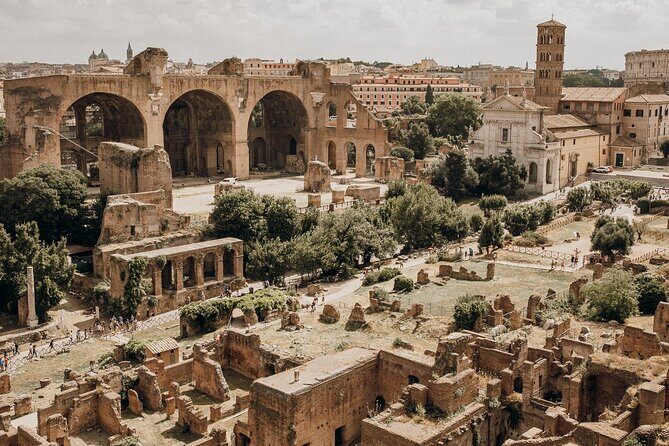
Your day begins at the Roman Forum, the place where power got argued in public and decisions got made in front of everyone. Even if you’ve seen photos of the Forum, the scale is hard to grasp until you’re standing among the stones.
This stop focuses on the daily life of citizens and the political machine behind it. Your guide frames what you’re seeing: not just “this used to be important,” but why it mattered. You walk along the same general paths that figures like Julius Caesar and Mark Antony were associated with, and your guide brings the setting to life with stories about how the empire communicated authority.
What I like about this Forum start is the momentum. The Forum gives you the “why.” You learn how Rome ran, and you’ll carry that context into Palatine Hill and the Colosseum. Without it, Palatine can feel like a fancy hill with impressive ruins. With it, you understand the hill as the power center that fed the public spectacle.
One thing to consider: the Forum area can be visually busy. Lots of stones, lots of angles, lots of distractions. A good guide helps you sort out what’s a key structure versus what’s background. If you’re the type who likes to linger, keep an eye on your guide’s timing so you don’t lose the rest of the day.
Palatine Hill SUPER Sites: where the “usual visit” ends
Palatine Hill is where the VIP ticket earns its keep. You head up the hill and into the SUPER Sites, a cluster of locations that are often closed or restricted for typical visitors.
Here’s the important detail: you won’t necessarily visit the exact same buildings as the next group. The specific sites depend on what’s open on your day. The tour notes several possibilities:
- House of Augustus (with vibrant frescoes mentioned as a highlight)
- Santa Maria Antiqua (a rare early Christian example)
- Domus Tiberiana (linked to an early imperial palace from the first century AD)
I love that this part of the experience doesn’t feel like a checklist. Palatine is where you see the transition from imperial residence to religious layers over time. Even if you’re not an architecture nerd, the contrast helps you understand how Rome reinvented itself again and again.
What to watch for during this stop:
- Expect variety. Your day might emphasize imperial rooms, church art, or palace structures depending on opening hours and access rules.
- Take your time with viewpoints and details. The “rare access” moments are limited, so you’ll want to actually look at the surfaces and layout, not just rush through for photos.
Also, this stop comes with stairs and walking. In hot weather, having a guide who keeps the pace sensible is a big deal. In past experiences shared by guests, people noted that even on sweltering days, the time moved quickly when the guide was energetic and clear.
Colosseum first and second tiers: the stadium as a political tool
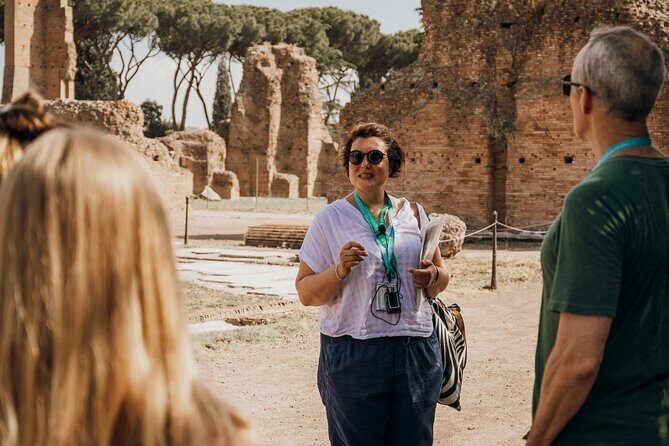
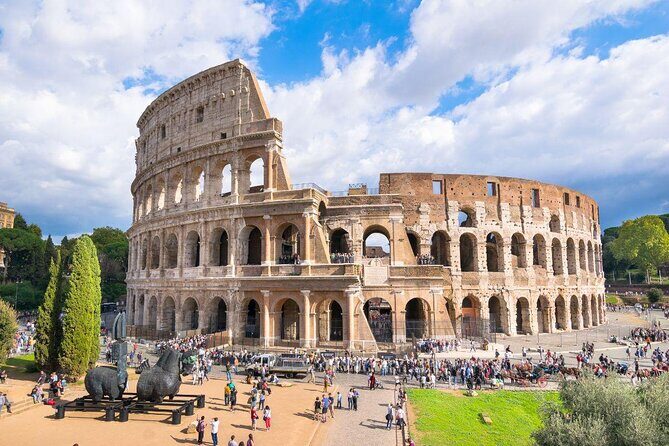
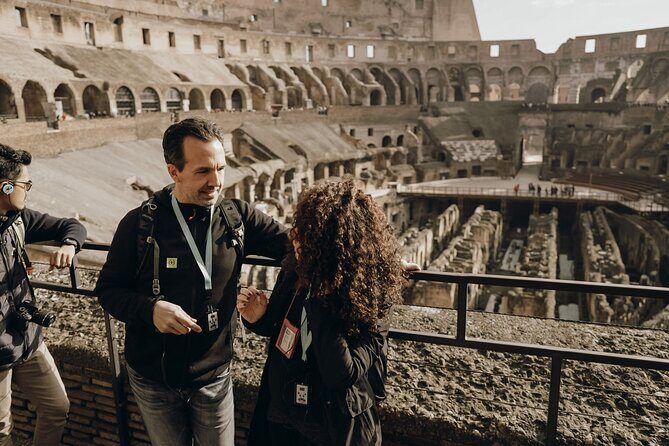
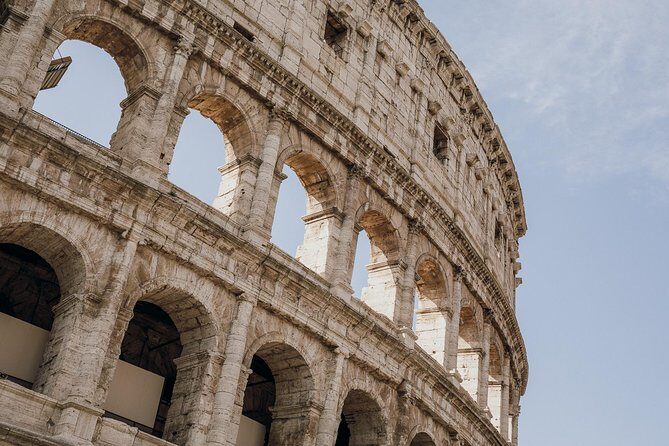
Finally, you reach the Colosseum, and you don’t just wander around the outside. You go inside with a reservation designed to reduce waiting, then you work your way through major areas—specifically the first and second tiers.
This matters because the Colosseum is huge, and it’s easy to lose context if you only see it from one level. Your guide connects what you’re looking at to what happened there: animal hunts, theatrical executions, gladiatorial combat, and the political symbolism behind all of it.
The tour also emphasizes the Colosseum’s political role. That’s a useful shift in perspective. It’s not only entertainment. It’s a public stage where Rome reinforced power, identity, and control—delivered through spectacle.
Now, here’s the practical consideration I’d flag if you’re planning your expectations carefully. One guest mentioned feeling they didn’t get what they expected at the very lowest levels (like the Gladiator Gate) and instead focused on a higher tier area. Since this tour specifically calls out first and second tiers, it’s smart to assume the route is built around those key viewpoints, not necessarily every “ground-level” area that people dream about. Your best strategy: think of this as a guided, efficient route through the main interior levels and story zones.
Still, the value is clear. Skip-the-line access can make a real difference because the Colosseum is busy, and rules can affect entry flow. In some feedback, guests said the entry process felt well managed and that waiting was minimal, which is exactly what you want when you’ve already walked from the Forum.
How the guide and small-group pacing changes everything
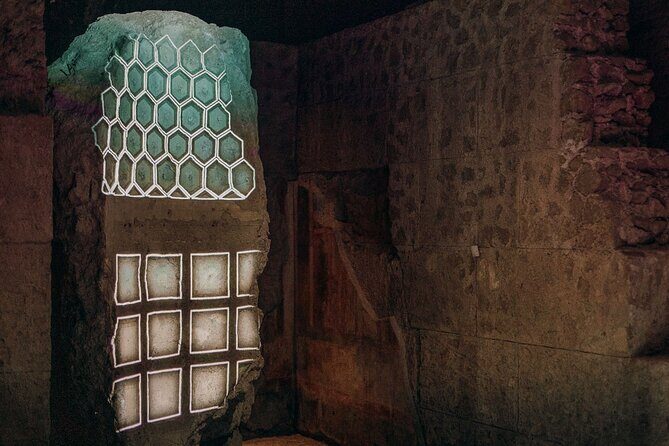
At monuments like this, the guide is the difference between seeing ruins and understanding a place. A small group helps, but the best groups are led by people who can explain what you’re looking at without drowning you in jargon.
In experiences shared with this tour, several guides stood out by name:
- Eddy (described as having a PhD in archaeology)
- Luigi (praised for being engaging and quick to answer questions)
- Mariela (an archaeologist with high energy and visual aids)
- Guido and Ricardo (noted for pacing and making the sites feel alive)
You’ll feel this in how your tour moves. Instead of random stops, the guide keeps you in sync. They point out what matters right now, then connect it back to the earlier stops. That makes the whole loop feel logical: politics → imperial power → public spectacle.
Also, you’re not stuck listening to a long lecture while everyone stares at the ground. The pace is built around moving through spaces and stopping in spots where your view actually answers the story. People often report that the hours fly by when the guide can keep the flow.
If you’re traveling with kids or with anyone who tires easily, plan for breaks when the guide allows them. The Colosseum and Palatine are not short sightseeing blocks; this is a real walk.






What you should do before your tour (so security doesn’t ruin your day)
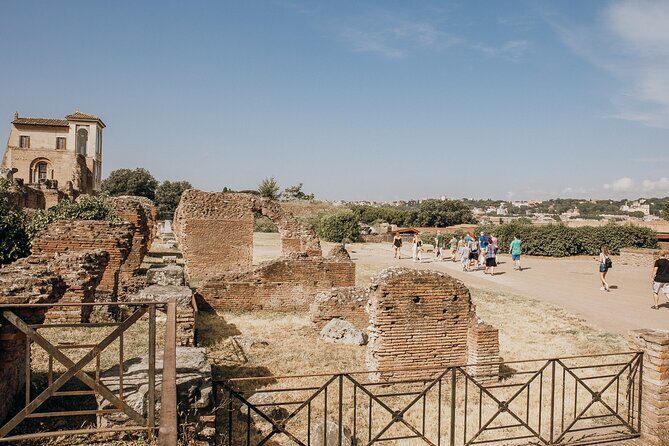
This is one of those tours where small preparation saves big stress. The key points are all about access rules.
Bring:
- A government-issued ID or passport for every participant, including children
- Full names that match the IDs exactly
This is not “nice to have.” At these monuments, security checks are strict. If names don’t match, you can lose entry even if you have tickets in hand.
Also, double-check your own plans around weather. One guest noted rain toward the end of the tour, but the experience still worked and didn’t derail the day. Your best move is simple: wear comfortable shoes, bring a small umbrella or rain shell, and accept that your schedule is outdoors most of the time.
Footwear matters because you’ll be walking on uneven stone and climbing sections around the Forum, Palatine, and the Colosseum. If you’re prone to sore feet, consider padding your socks and bringing blister care.
Value check: is $139.13 a smart buy for this Rome day?
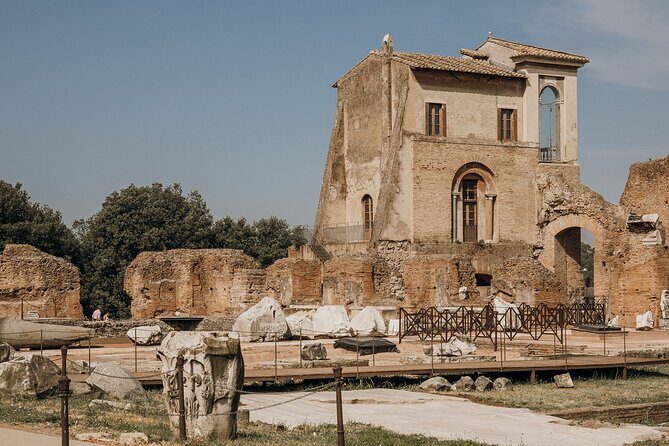
For $139.13 per person, you’re paying for three things:
- A timed-entry approach to keep you from losing hours in lines
- A local English-speaking guide who sets context and directs where to look
- Included Colosseum ticket costs and reservation fees (with the Colosseum ticket value listed as €18 plus a reservation fee valued at €2)
Put plainly, this isn’t the cheapest way to see the big three. But it can be one of the best value options if:
- you want to reduce waiting time
- you care about understanding what you’re seeing
- you want special access on Palatine Hill (where normal visitor routes don’t take you)
Where value can drop is if your must-see wishlist is extremely specific to a very particular low-level area that isn’t guaranteed. This tour is built around first and second tiers at the Colosseum and the Palatine SUPER Sites that are open that day. If your dream view is something else, you may need a different ticket type.
Still, for most people, the blend of Forum context, rare Palatine access, and efficient Colosseum entry is exactly what turns a “Rome ruins day” into a memorable one.
Who this tour suits best (and who might want a different option)
This is a strong fit if:
- you want an organized route through Forum → Palatine → Colosseum
- you like expert storytelling (and you’ll ask questions)
- you prefer a small group experience with a guide keeping you moving
- you’re planning a first trip to Rome and want the core sites without wasting half your day waiting
It’s less ideal if:
- you want a slow, self-paced wander with lots of independent exploring
- you have limited walking tolerance, because this is still a walking tour with stairs and uneven surfaces
- you need hotel pickup (this tour does not include it)
Should you book VIP Colosseum, Roman Forum & Palatine Hill with Special Access Sites?
My take: book it if you want the smart version of the classic day. The biggest “yes” is the Palatine Hill SUPER Sites portion. That’s the piece that usually takes the experience from generic to genuinely special.
Also, book it if you’re tired of seeing Rome through crowds and lines. Skip-the-line style entry and a guided route through major areas help you make the most of your time.
Only reconsider if your priority is a very specific Colosseum sub-area not guaranteed by the route (like certain ground-level areas). If that’s your top goal, look for tickets that explicitly guarantee those spaces.
If you’re flexible and you want a well-run, story-driven Rome power loop, this one is a solid bet.
FAQ
How long is the VIP Colosseum, Roman Forum & Palatine Hill tour?
It runs about 3 hours 30 minutes.
Is this tour in English?
Yes, it is offered in English.
Is it a walking tour?
Yes. It is a walking tour with a moderate pace, and you should be able to walk without difficulty.
What does the tour include for tickets?
The Colosseum entrance ticket and the Colosseum reservation fee are included.
Which Palatine Hill SUPER Sites will we visit?
The specific sites can vary depending on what is open that day. Possible options include the House of Augustus, Santa Maria Antiqua, or the Domus Tiberiana.
What are the Colosseum areas covered during the tour?
You’ll visit the Colosseum’s first and second tiers.
Where do we meet and where does the tour end?
You start at Via delle Terme di Tito, 72, 00184 Roma RM, Italy, and the tour ends at Colosseum, Piazza del Colosseo, 1, 00184 Roma RM, Italy.
Do I need hotel pickup?
No. Hotel pickup and drop-off are not included.
What ID do I need to bring?
You need a government-issued ID or passport for all participants, and the full names on the booking must match the ID/passport exactly.