REVIEW · CITY TOURS
City walk through Spanish steps, Trevi fountain, Pantheon, Navona, Angel Castle
Book on Viator →Operated by Cris Roman Guide by Cristina Giannicchi · Bookable on Viator
Rome moves fast.
This private 3-hour walk gives you an easy overview of Rome’s big hitters without feeling like a checklist. I like that the guide’s explanations connect what you see to what it means, and that you get a relaxed pace with a flexible route that still hits the essential stops. You’ll also appreciate the private-group setup (up to 3) and an English-speaking guide who keeps things lively, with real examples like the kind of clear meaning Chris and the attentive storytelling praised for guides such as Gigi.
One thing to keep in mind: each stop is timed tightly (mostly 20–30 minutes), so if you want long museum-style wandering, you’ll need to plan extra time on your own after the tour.
In This Review
- Key Points That Matter on This Walk
- How This Private Walk Helps You Get Oriented in Rome
- Meeting at Babington’s Tea Room and Ending at Castel Sant’Angelo
- Spanish Steps: A Square With Real Neighborhood Meaning
- Trevi Fountain: Understanding the Story Behind the Marble
- Piazza Colonna: Where Old Rome Meets Modern Power
- Pantheon Outside and Inside: How to Look at Rome’s Big Idea
- Church of St. Louis of the French: Saint Matthew and Caravaggio
- Piazza Navona and the Tiber: Rome’s Layers in One Stroll
- Castel Sant’Angelo: A Museum Area You Can Read From the Outside
- Price and What This Tour Really Offers
- Who This Tour Suits Best (and Who Might Need More Time)
- What to Do Before You Go (So the 3 Hours Feel Longer)
- Should You Book This Rome Walking Tour?
- FAQ
- How long is the tour?
- Is this a private tour?
- What’s included in the price?
- Do I need tickets or paid admissions for the stops?
- Where do I meet and where does it end?
- Can I cancel and get a refund?
Key Points That Matter on This Walk
- Private up-to-3 pacing: you’re not squeezed with a big crowd group plan.
- English guide context at every stop: architecture and history explained in plain language.
- Major sights in one route: Spanish Steps, Trevi, Pantheon, Navona, and Castel Sant’Angelo.
- Caravaggio stop on the way: the Church of St. Louis of the French includes the Chapel of Saint Matthew.
- Tiber breaks up the route: a short stop at the Fiume Tevere and its bridges helps your legs and your brain.
- Fast “get your bearings” value: you leave knowing where Rome’s layers sit and how they connect.
How This Private Walk Helps You Get Oriented in Rome
If Rome feels like it has too much at once, this tour is a smart fix. You’re not asked to memorize dates or architecture terms. Instead, you’re guided through a sequence of landmarks so you can start seeing Rome as a connected story: steps, fountains, power centers, temples, churches, a river, and a fortress-museum area.
I also like the pace. It’s not a sprint, but it is efficient. Most stops are short enough that you can stay fresh, yet long enough that the guide can explain what to look for (and why it matters). That balance is a big part of the value, especially if you have limited time and still want more than quick photo angles.
Because it’s a private walking tour, the experience is easier to steer around your group’s needs. If you want a few extra minutes at a particular square or need a quick break, this format tends to be more adaptable than big group tours.
You can also read our reviews of more walking tours in Rome


Meeting at Babington’s Tea Room and Ending at Castel Sant’Angelo
The tour starts at Babington’s tea room on Piazza di Spagna, right where you want to be if your first goal is to understand the Spanish Steps area. Starting here matters because it sets the tone: you begin with a classic square-and-street context, not with a random hop between far-flung landmarks.
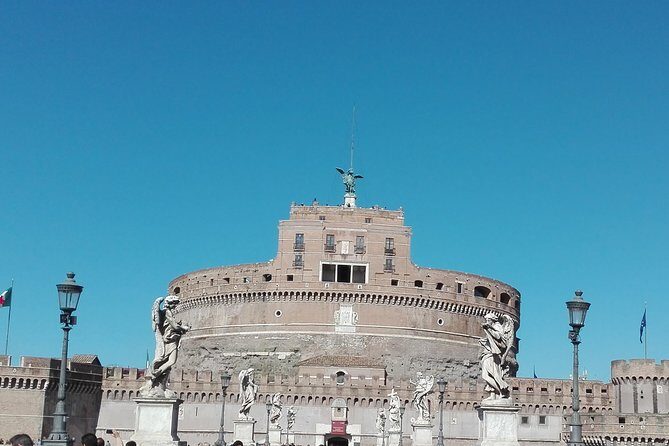
It ends near P.Za Pia / Castel S. Angelo, with the finish point in front of Saint Angel Castle (Castel Sant’Angelo). That ending location is practical. You’re positioned to continue exploring the area on foot or hop to the next part of your day without backtracking across the center.
Since this is a walking tour, wear shoes you’d happily wear for a couple hours of city strolling. Also, plan your schedule so you have a little breathing room afterward; you’ll likely want time to linger on what you learned.
Spanish Steps: A Square With Real Neighborhood Meaning
The walk opens at Spanish Steps, where the focus is on the square and the nearby area’s history and architecture. This stop is a great warm-up because the steps are an instant visual hook. Even if you’ve seen pictures, being physically there helps you understand scale and how the space shapes movement through the neighborhood.
Why I like this first stop: it teaches you how to read the space before you rush onward. The guide’s explanations help you notice that Rome’s famous landmarks are not isolated objects. They sit within street plans, viewpoints, and daily-life routes.
Possible drawback: the time is limited (about 30 minutes). If you want slow-motion photo time from every angle, treat this as orientation. You can always come back later for your own unhurried wandering once you know what you’re looking for.
Trevi Fountain: Understanding the Story Behind the Marble
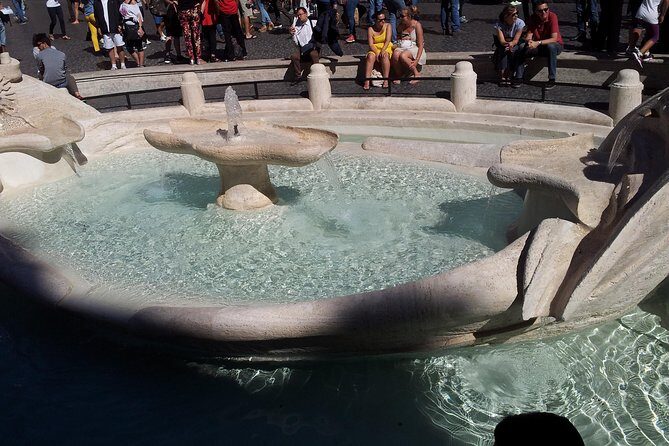
Next is Fontana di Trevi, with time set aside for the fountain’s history and architecture. This stop is exactly what you want from a guided “highlights” route: a major icon explained with enough detail to make your photos feel smarter.
A good guide doesn’t just point. It helps you see. At Trevi, that means understanding what’s special about the fountain’s design and why it matters in Rome’s public spaces. The point of the stop is to give you a story thread so you don’t just see a famous landmark, you understand how it earns that fame.
Time here is about 25 minutes. That can feel short if you’re hoping for long conversations or slow strolling around the edges. Still, it’s long enough to get the meaning and grab a few solid angles—then move on without losing the rhythm of the tour.
Piazza Colonna: Where Old Rome Meets Modern Power
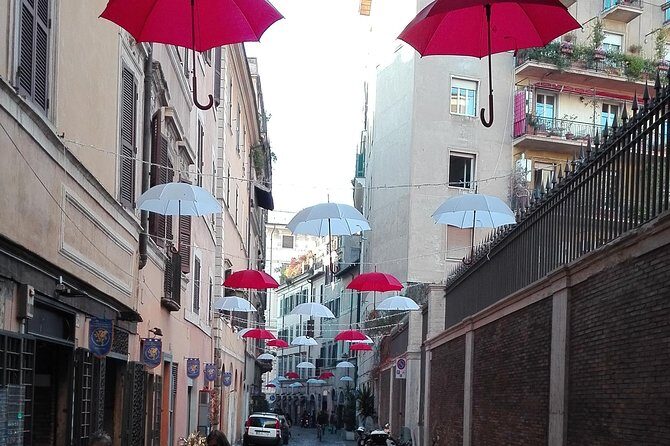
After Trevi, you’ll reach Piazza Colonna, a quick stop with history and context about the city’s modern political center. This is a nice change from purely artistic sights. It’s a reminder that Rome’s “main stages” are still active: squares are still used, still important, still part of the present.
What makes this stop useful is the contrast. You’ve just been at a mythic fountain. Now you’re at a square tied to how the city runs today. That mix is one reason this tour works well for travelers who want more than beauty—they want a sense of how Rome functions.
The time is short (about 20 minutes), so go in with the expectation of getting the big picture rather than deep study. If you want to build on it, this is the kind of place where you can later explore nearby streets on your own.
You can also read our reviews of more city tours in Rome




Pantheon Outside and Inside: How to Look at Rome’s Big Idea
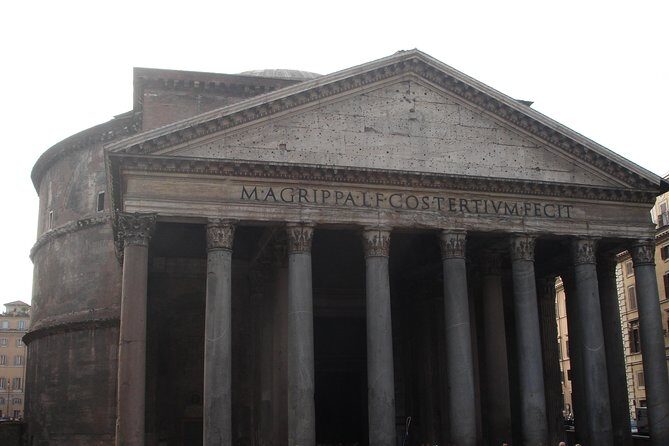
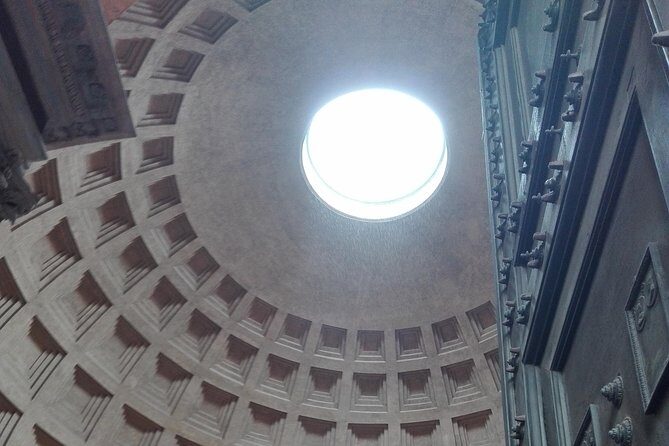
The tour’s next anchor is the Pantheon, with time focused on architecture and stories both outside and inside (about 30 minutes total). This is one of those stops where a guide can really change your experience. The Pantheon isn’t just a place you visit. It’s a landmark that teaches you how Roman design thinks—geometry, proportions, and the way a structure holds a crowd and a mood.
I like that the tour includes both outside and inside. Outside gives you the overall form and presence. Inside is where the explanation can help you understand why people react the way they do when they actually step in.
One consideration: 30 minutes moves quickly. You’ll get the essential orientation and the main points, but if you’re the type who wants to sit, take in details slowly, and read every panel you can find, plan extra solo time after.
Church of St. Louis of the French: Saint Matthew and Caravaggio
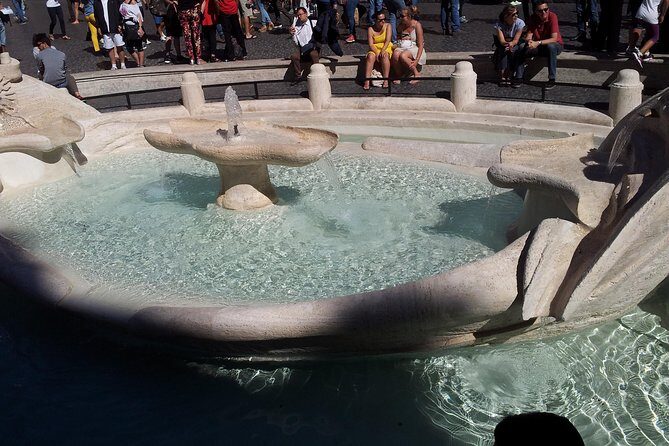
The Church of St. Louis of the French comes next, focusing on the Chapel of Saint Matthew and Caravaggio paintings. This is a standout because it adds art depth without turning the tour into a museum marathon.
Caravaggio is the kind of name that makes people want to see the work. The guide’s focus on the Chapel of Saint Matthew helps you connect the setting to what you’re viewing, so it doesn’t feel like you’re just standing in front of famous art with no guide-map.
Time is about 20 minutes. That’s enough for a meaningful look and a few key explanations, but again: it’s not a long art-study session. If this chapel is a top priority for you, consider leaving extra time in your overall Rome plan so you can return on another day.
Piazza Navona and the Tiber: Rome’s Layers in One Stroll
Then comes Piazza Navona, where you’ll learn about the square’s layered story—from an ancient stadium to a Baroque-style square—and spend time on its central fountain (about 25 minutes). This stop is where the tour really starts to feel like Rome’s “before and after” in physical form.
I like Piazza Navona because it shows how Rome keeps reusing and reshaping spaces. You’re not only looking at one time period. You’re getting a sense that the city stacks eras, and the city’s famous shapes often grow out of earlier ones.
After Navona, you’ll get a short break at Fiume Tevere, focusing on river life and its bridges (about 10 minutes). Even a brief stop can help. It breaks up the heavy concentration of stone landmarks and reminds you that Rome’s center is tied to the river system.
Possible drawback: 10 minutes at the river is short. It’s more of a reset point than a full sightseeing session. Use it to notice the bridges and direction, then keep going with the route.
Castel Sant’Angelo: A Museum Area You Can Read From the Outside
The last major stop is Museo Nazionale di Castel Sant’Angelo, approached from the outside, with time focused on history through the centuries (about 20 minutes). Ending here works because Castel Sant’Angelo has a strong silhouette and a fortress feel, which makes the final impression land.
I find outside-only museum-area stops are useful when you’re short on time. You still get the “what this place is” story without being locked into a full indoor schedule. The guide’s centuries-of-history framing helps you understand why this site matters as more than a photo stop.
After the tour ends in front of Saint Angel Castle, you’ll be in a good position to continue on your own if you want to go further. The tour gives you the orientation; your extra time decides how deep you go.
Price and What This Tour Really Offers
This tour costs $524.97 per group for up to 3 people, lasting about 3 hours. That sounds high until you do the math. If you’re at the full group size, the per-person cost drops to about $175 each—still not cheap, but closer to what you’d expect when you’re paying for a private guide and a structured route through central landmarks.
So what are you actually paying for?
- A guide who explains what you’re seeing, not just a route through famous names.
- A private format that’s easier to manage for pacing and questions.
- A tight set of major landmarks in a short time window, which is ideal for first-timers who still want context.
Also note what’s not included: tips. That’s normal for guided tours, but it’s worth budgeting a little extra so you don’t feel caught off guard.
Who This Tour Suits Best (and Who Might Need More Time)
This is a good fit if you:
- want an efficient overview of central Rome in just a few hours
- prefer a private guide over large groups
- like learning the meaning behind what you see, especially in architectural and art stops
It’s also a smart option if you’re traveling as a small group or couple. Being up to 3 people means the guide can stay tuned to your pace.
If you’re the kind of traveler who wants to linger for long periods at each major site, this may feel short. The tour is designed for highlights and orientation. Think of it as a strong first layer of Rome knowledge, then build from there.
For practical needs, service animals are allowed and the tour is near public transportation. Most travelers can participate, which makes it a flexible choice for many schedules.
What to Do Before You Go (So the 3 Hours Feel Longer)
To make the most of the time, I suggest you plan your day so you’re not rushing in right before the tour. Starting near Piazza di Spagna is convenient, but it’s still Rome—expect some street movement and take it slow.
Bring:
- comfortable walking shoes (the tour is a city stroll across famous areas)
- water for the route
- your camera, but also a willingness to look without constantly shooting
The biggest tip is mental. Go in ready to listen. This tour’s value comes from explanations that help you connect Spanish Steps to Trevi to the Pantheon and beyond. If you treat it like a guided walk-through, you’ll get more out of it than if you only think photo stops.
Should You Book This Rome Walking Tour?
Yes, if you want a private, English-guided way to get your bearings fast and you care about understanding what you’re seeing. The guide quality is clearly a highlight, with praise pointing to strong explanations and attention to the group for the full experience.
Skip it or add extra time if you know you want deep, long stays inside major sights or you’re hoping for long art-study sessions at the Caravaggio-related stop. This tour is designed to give you the main points and a connected route, not to replace independent exploring.
If you’re trying to make Rome make sense in one go, this is a very solid way to do it.
FAQ
How long is the tour?
It lasts about 3 hours.
Is this a private tour?
Yes. It’s private, and only your group participates, up to 3 people.
What’s included in the price?
A guide is included.
Do I need tickets or paid admissions for the stops?
The tour information lists admission as free at each of the stops.
Where do I meet and where does it end?
You start at Babington’s tea room on Piazza di Spagna, 23. The tour ends in front of Saint Angel Castle (Castel Sant’Angelo).
Can I cancel and get a refund?
Yes. You can cancel for a full refund if you cancel at least 24 hours before the experience starts, and cancellation is free.