REVIEW · COOKING CLASSES
Cesarine: Home Cooking Class & Meal with a Local in Rome
Book on Viator →Operated by Cesarine: Cooking Class · Bookable on Viator
Your next dinner is in someone’s kitchen.
This private Cesarina cooking class turns Rome’s food culture into something you can actually do. You’ll learn the practical, family-style way Romans build flavors, then sit down to eat what you make with local wine, water, and espresso.
What I like most is the hands-on cooking in a genuine home setup, not a staged demo. I also like that you’re not piecing together dinner plans: ingredients plus drinks are included, so you can focus on learning. One thing to consider: because it’s in a private home, the exact address isn’t shared up front—what you see before booking is a general location, and the details come with your voucher.
In This Review
- Key things to know before you go
- A Real Roman Home Kitchen: The Cesarina Experience
- From Coffee to Wine: How the 3-Hour Class Flows
- What you’ll do during those 3 hours
- Hands-On Pasta Making: Rigatoni, Bucatini, Gnocchi
- The sauce logic you’ll actually use at home
- Roman Starters and Desserts: Seasonal Bites and Tiramisu Variations
- Starter: seasonal and flexible
- Main: fresh pasta plus Roman flavor
- Dessert: Roman classics with a sweet twist
- The real value of dessert
- Value for Money: Why This Private Class Costs $118.94
- When it’s especially worth it
- The fair warning
- Tips for Food Lovers: How to Make the Most of Your Night
- Should You Book Cesarine in Rome?
- FAQ
- How long is the cooking class?
- Is this class private or shared with strangers?
- What language is the class taught in?
- What’s included in the price?
- What menu will I eat and cook?
- Where does the experience start and end?
- Can I cancel for a full refund?
- Is the exact address provided before booking?
- Are service animals allowed?
Key things to know before you go
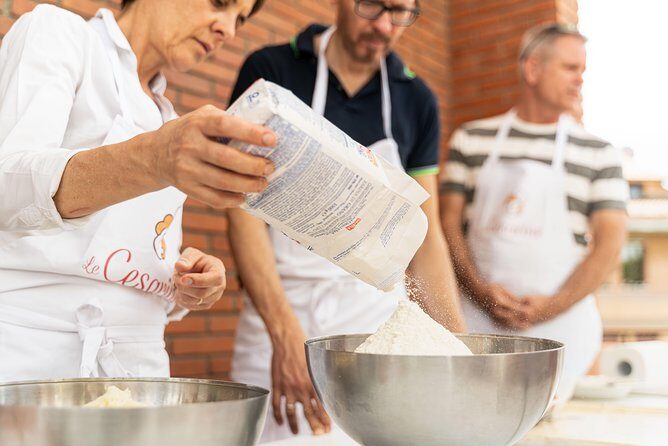
- Private home setting with a real kitchen vibe, plus personal attention from your host
- Included wine, water, and espresso, so the meal feels complete
- Roman classics you can repeat at home, especially fresh pasta and a Roman dessert
- English instruction and a casual, learn-while-you-cook pace
- A flexible menu that can cover pasta types like rigatoni, bucatini, gnocchi, and sometimes cavatelli
A Real Roman Home Kitchen: The Cesarina Experience
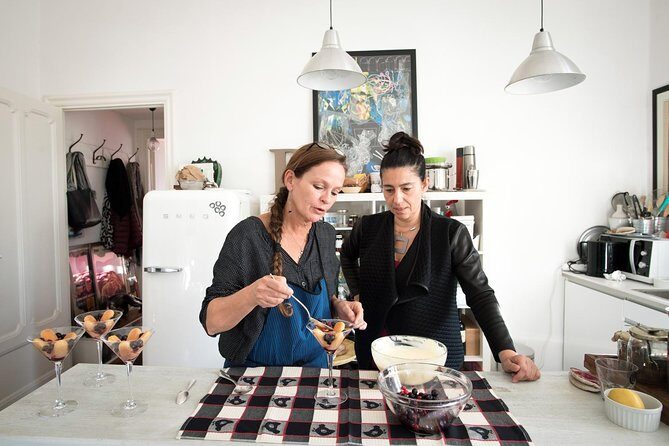
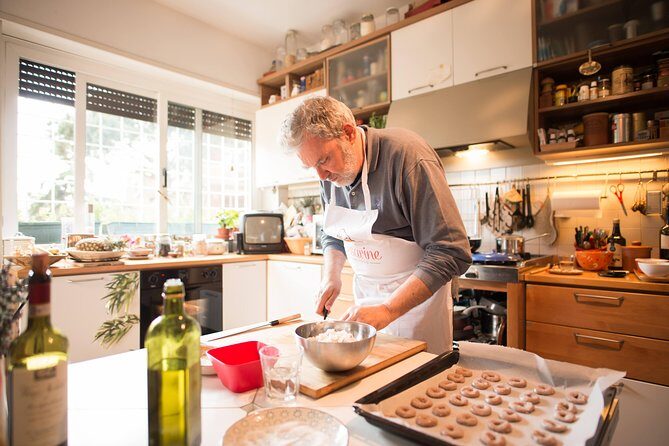
A Roman cooking class works best when it feels normal—like you’ve been invited for dinner. That’s the core idea here: you cook in a real home kitchen with a local Cesarina and taste the results right there. You’re not just watching. You’re doing the work that makes the food Roman, from texture to timing.
For your comfort, this is set up as a private class, meaning it’s only your group. That matters because it changes the pace. In a group class, you can end up waiting your turn. Here, you’re more likely to get the help you need while you’re kneading, rolling, shaping, or figuring out sauces as you go.
The other big win is that the class centers on Roman cuisine specifically. Rome isn’t Tuscany, and it isn’t Naples. You’ll spend your time on Roman approaches—what people really cook and eat at home—plus the small choices that make a difference, like how a simple sauce clings to pasta.
You can also read our reviews of more cooking classes in Rome

From Coffee to Wine: How the 3-Hour Class Flows
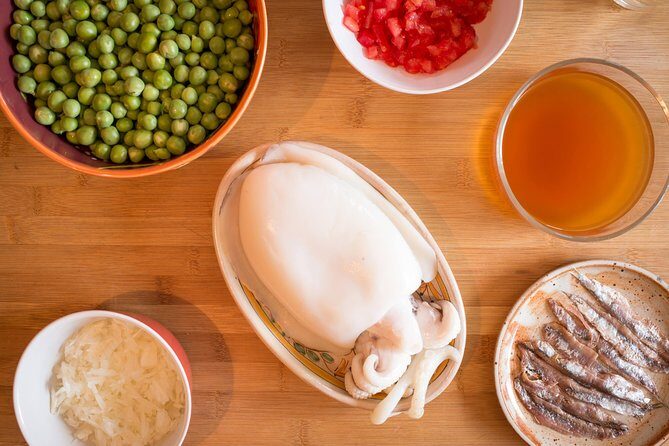
The format is built to feel like an evening with family friends who happen to be great cooks. You typically start with coffee, then the work begins in earnest. During the session, you’ll also be tasting as you cook—wine is part of the meal, not an afterthought.
Because the whole experience is about 3 hours, you’ll get enough time to learn real technique without feeling rushed. And because it’s a private setup, the host can adjust to your group’s rhythm. If you’re slower (or you’re the kind of person who keeps asking why a dough behaves a certain way), you’re less likely to feel herded along.
One more practical point: the class includes wine, water, and espresso, which keeps the meal cohesive. You won’t have to stop mid-session to plan beverages or figure out what pairs with what. It also means your table time is part of the learning, not just a finish line.
What you’ll do during those 3 hours
You can expect a cycle of cooking steps plus eating: prep for the starter, hands-on pasta work, then dessert—followed by sitting down to enjoy the final plates. The order may vary by session, but the experience is consistently meal-centered.
Hands-On Pasta Making: Rigatoni, Bucatini, Gnocchi
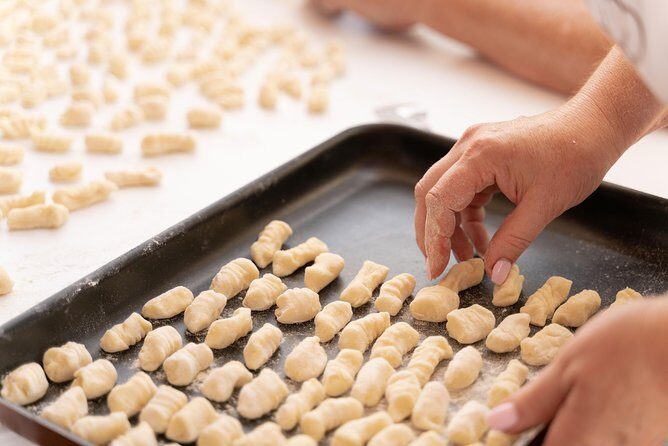
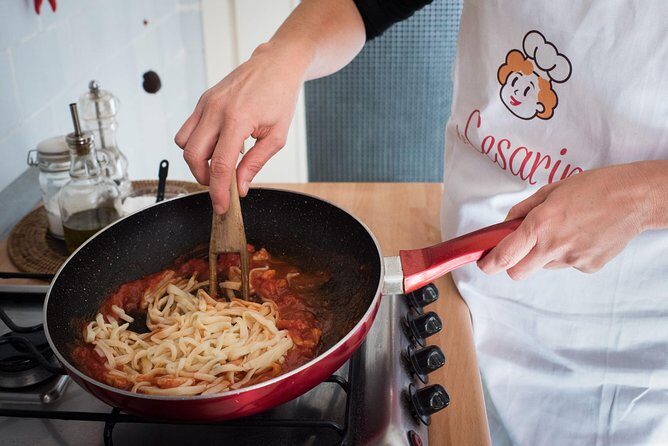
Fresh pasta is the star. The sample menu points to fresh pasta, with options like rigatoni, bucatini, or gnocchi. Some sessions may also include other shapes such as cavatelli, depending on the day and the household.
Why pasta here matters so much: Roman pasta isn’t just pasta. It’s about matching shape to sauce and getting texture right. Even if you’re new to cooking, you’ll learn what to look for—how dough should feel, how to shape pieces so they hold sauce, and how the kitchen moves from one step to the next.
If you end up making gnocchi, pay attention to the feel and the consistency. Gnocchi is one of those dishes where small changes show up fast. If you make a different pasta shape (rigatoni or bucatini), you’ll still practice the key principle: keep the process steady, and don’t rush the dough or the shaping.
The sauce logic you’ll actually use at home
A good Roman pasta sauce is simple, but it’s not random. You’ll likely work with straightforward ingredients and learn how they come together to coat pasta properly. One of the most repeated highlights from people who do this class is that they leave not only full, but with a sauce approach they’re confident repeating.
So even if your Roman pasta at home won’t match a grandmother’s exact hand, you’ll be armed with the method. That’s what makes this better than a one-time restaurant meal.
You can also read our reviews of more tours and experiences in Rome

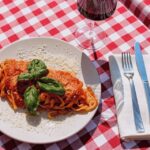

Roman Starters and Desserts: Seasonal Bites and Tiramisu Variations
The class meal is built in courses, with Roman comfort in mind.
Starter: seasonal and flexible
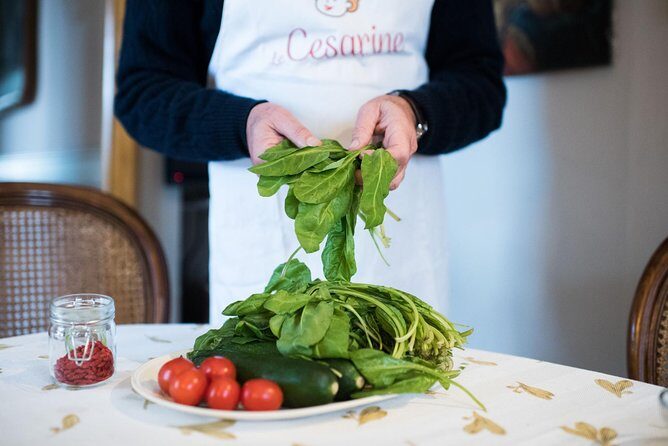
You’ll start with a seasonal starter. “Seasonal” is the point: Rome eats with the calendar, not just with menus designed for tourists. You might get a simple mix of what’s fresh and easy to turn into something special.
Main: fresh pasta plus Roman flavor
After the starter, you move into the main course: fresh pasta. The menu options include rigatoni, bucatini, or gnocchi. You’ll also get typical Roman-style flavor building, where cheese, tomatoes, and classic combinations do the heavy lifting—without requiring a complicated grocery list.
Dessert: Roman classics with a sweet twist
For dessert, you’re in for a Roman dessert, with options such as:
- ricotta and cherry tart
- Roman tiramisu
- chocolate shortbread
- tiramisu or something similar to typical local desserts
If you’re a tiramisu person, this is a great payoff. The texture and balance are where most people fail when they try to make it later. In a class like this, you get to see how a Roman version works in practice—how it’s assembled and what the finished result should feel like.
The real value of dessert
Dessert is where you can often tell if the class is serious. It takes skill to make a dessert come out right, and it’s also where you get the kind of recipe you’ll actually use again—especially if you want something impressive but not stressful.
Value for Money: Why This Private Class Costs $118.94
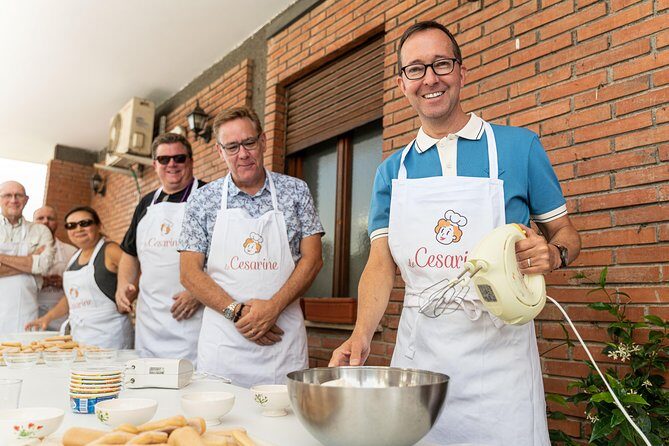
At $118.94 per person for about 3 hours, this isn’t the cheapest way to eat in Rome. But it’s also not trying to compete with a normal meal.
Here’s the value equation that makes sense: you’re paying for private instruction in a real home kitchen, plus the ingredients. And the class doesn’t nickel-and-dime you for drinks either—wine, water, and espresso are included. That’s the kind of package that usually adds up fast if you try to DIY it with a chef-led workshop elsewhere.
Also, the session is happening in English, and it’s a private class for your group. Translation: you’re more likely to leave with clearer technique and a better chance of nailing the key steps later.
When it’s especially worth it
This is a strong pick if:
- you love food and want a skill, not just a dish
- you’d rather learn in a home than stand in a demo room
- you want a meal you can recreate at some point, even partially
The fair warning
The only real downside is also the nature of the experience: since it’s in a private home, it’s more personal and more variable than a scripted, public cooking school. That’s a positive for most people, but if you prefer strict schedules and zero surprises, you might find the home setting a little more human than you’d expect.
Tips for Food Lovers: How to Make the Most of Your Night
You’ll get more out of the class if you treat it like a cooking conversation, not a museum. Ask questions. Watch how the host handles timing. Notice what changes when ingredients meet heat.
A few practical tips that help:
- Come hungry. You’ll be cooking, tasting, and then eating what you made.
- Wear something comfortable for flour and kitchen mess—private home kitchens are still kitchens.
- Be ready to taste as you go. Learning happens faster when you connect flavor to the step you just did.
- Pay attention to the pasta shape. Rigatoni, bucatini, and gnocchi all behave differently with sauce.
- If you drink wine, pace yourself. You’ll want a clear head for the final steps and cleanup rhythm.
One more piece of insight: several hosts in the Cesarina network are praised for making people feel at home. That relaxed, family-style tone is part of the success formula. If you bring an open mind—and a willingness to get your hands a little dirty—you’ll likely have a smoother, more fun experience.
Should You Book Cesarine in Rome?
I think you should book this class if you want a Roman meal with real instruction, in a private home setting, and you like the idea of leaving with techniques you can actually use. The high rating and strong recommendation rate (4.8 overall, 93% recommended) isn’t random hype; it lines up with what this experience is built to do: cook, eat, and learn in a way that feels personal.
You might skip it if you’re primarily looking for a big sightseeing day or you hate the idea of working in someone’s kitchen space (even a friendly one). Also, if you need very detailed address certainty far in advance, remember the privacy approach—your voucher handles the specifics.
If your goal is a memorable, practical food night in Rome, this is one of the most sensible choices you can make.
FAQ
How long is the cooking class?
It lasts about 3 hours.
Is this class private or shared with strangers?
It’s private. Only your group participates.
What language is the class taught in?
The experience is offered in English.
What’s included in the price?
The price includes ingredients, plus wine, water, and espresso.
What menu will I eat and cook?
You can expect a seasonal starter, fresh pasta (like rigatoni, bucatini, or gnocchi), and a Roman dessert such as ricotta and cherry tart or Roman tiramisu.
Where does the experience start and end?
It starts in Rome and ends back at the meeting point.
Can I cancel for a full refund?
Yes. You can cancel up to 24 hours in advance for a full refund.
Is the exact address provided before booking?
For privacy reasons, the exact address isn’t disclosed before booking. The platform shows a general location, and the voucher contains the details.
Are service animals allowed?
Yes, service animals are allowed.