REVIEW · BORGHESE GALLERY TOURS
Sketching in Rome Villa Borghese Private lesson with Guido
Book on Viator →Bookable on Viator
Sketching Rome away from crowds feels oddly freeing. This private lesson turns Villa Borghese into your open-air classroom, with a steady walk and planned stops for drawing, coloring, and watercolor practice. I love that it’s genuinely hands-on with a full kit of art supplies, and I also like that Guido teaches you in layers so you can keep improving instead of just copying what you see. One thing to consider: it’s outdoors and you’ll be on your feet for about 2.5 hours, so pack comfy shoes and expect a lot of walking.
Even better, you’re not shuttled to a gallery. You meet at the Terrace of Pincio area and learn on the actual park views—fountains, statues, temples, and tucked-in garden corners—at your own pace in a true private format.
In This Review
- Key highlights to look for
- Why this sketch lesson works in Villa Borghese
- Meeting at the Terrace of Pincio: start point and vibe
- The route: 10 sketching stops with different visual challenges
- Stop 1: Giardino di Piazzale Scipione Borghese
- Stop 2: Fontana dei Cavalli Marini
- Stop 3: Piazza di Siena
- Stop 4: Temple of Asclepius
- Stop 5: Tempio di Diana
- Stop 6: Casa del Cinema
- Stop 7: Monumento Ad Umberto Primo
- Stop 8: Museo Carlo Bilotti
- Stop 9: Fontana di Venere
- Stop 10: I Giardini Segreti di Villa Borghese
- What you actually learn (and why it’s better than copying)
- Materials included: what you’ll get to use
- How long it takes and how to pace yourself
- Who this is best for (and who might not love it)
- Price and value: why $72 feels fair here
- Quick tips to get the most from your lesson
- Should you book this sketching lesson in Villa Borghese?
- FAQ
- Is this sketching lesson private?
- What’s the meeting point for the lesson?
- How long does the lesson last?
- What language is the instruction offered in?
- Are art supplies included?
- Is bottled water included?
- Are tips required?
- Can most people participate?
- What if I need to cancel?
Key highlights to look for
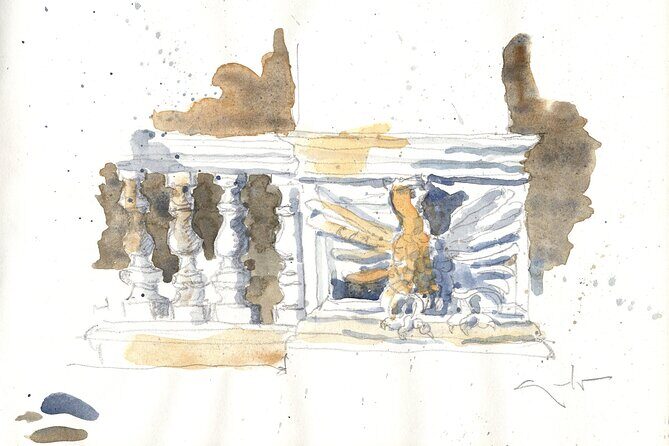
- A real walking sketch route: planned stops give you fresh subjects instead of one long pose
- All the art materials included: fineliners, pencils, markers, fountain pens, watercolor tools, paper, and more
- Multiple techniques in one lesson: from basic observation to quick “speed” drawing and color
- Guido’s approach: step-by-step coaching plus stories that make the gardens feel personal
- Progress that clicks fast: exercises build on each other so your second sketch improves your first
Why this sketch lesson works in Villa Borghese
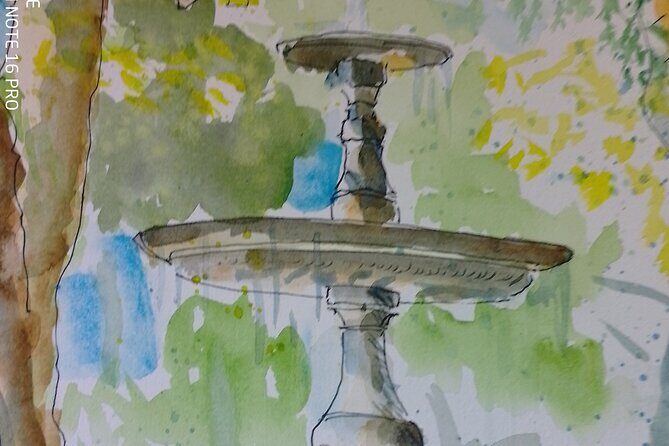
This isn’t the usual Rome format where you stare at monuments for hours and hope you can “figure out” drawing later. The experience is built like a class you can actually enjoy on vacation: short teaching moments, then immediate practice at a real viewpoint.
What makes it smart is the combination of place + pacing. Villa Borghese is big and beautiful, but it can also feel like you’re just wandering. Here, Guido gives your feet a job. Every stop is a new subject, and every subject is a chance to practice a specific kind of looking: outlines, spacing, perspective tricks, and color decisions.
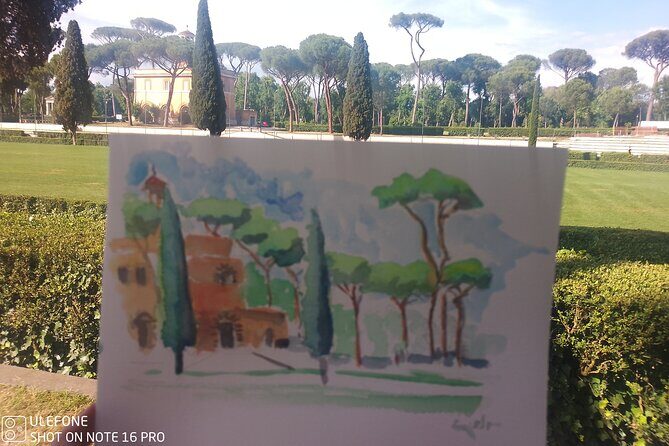
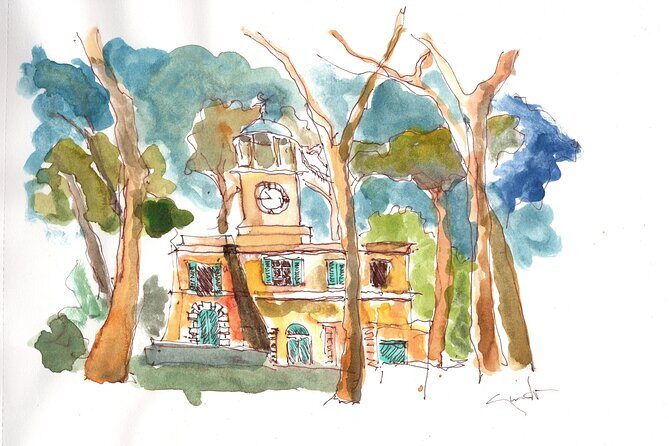
And yes, it’s creative even if you’ve never drawn before. Reviews include people proudly saying they actually finished a piece they wanted to frame. That’s the goal: not perfection—progress you can take home.
You can also read our reviews of more private tours in Rome
Meeting at the Terrace of Pincio: start point and vibe
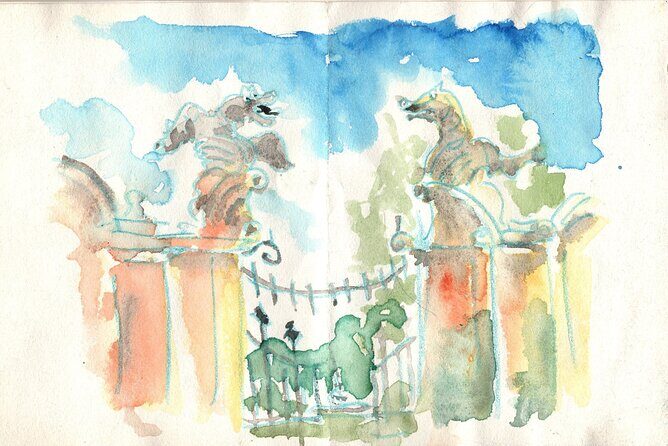
You’ll meet at the Terrace of Pincio area, near Piazzale Scipione Borghese (the address listed is Fountain of Venus, Piazzale Scipione Borghese 5). The tour ends back at the meeting point, so you don’t have to worry about where you’ll wind up.
It also helps that this is close to public transportation. You can arrive without stress, then spend the rest of the morning in a slower, calmer rhythm.
One practical note: because it’s a private lesson and you’re starting with an outdoor meeting spot, do try to be on time. If you’re late, you’ll miss the warm-up guidance where it all begins to click.
The route: 10 sketching stops with different visual challenges
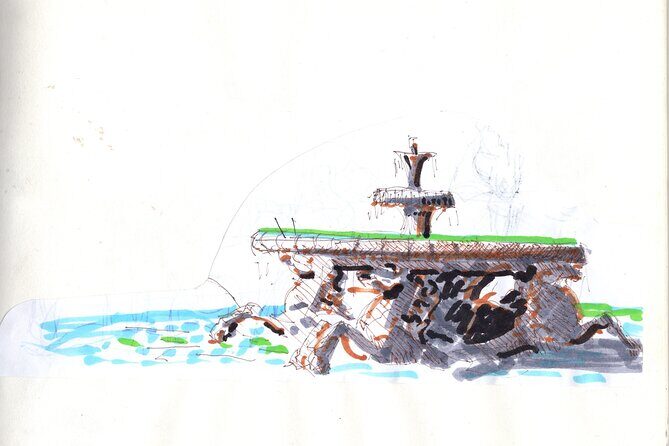
You’ll move through Villa Borghese with a planned sequence of stops. Think of it as a “subject playlist,” where fountains, open plazas, and classical structures each train a slightly different drawing skill.
Stop 1: Giardino di Piazzale Scipione Borghese
This is a warm start. You begin sketching in a garden setting before the more detailed architectural subjects. It’s a good place to get comfortable with the pace of working outdoors—finding a stable spot, setting up your paper, and learning how to keep your lines confident instead of tentative.
A small benefit: you’ll usually have lighter “decision-making” here. That’s helpful if you’re nervous about drawing. You’re building trust with your hand first.
Stop 2: Fontana dei Cavalli Marini
Fountains are great sketch teachers because water adds constant motion. You’ll practice drawing the key shapes and ignoring details that would otherwise overwhelm you.
This stop also gives you a clear target for outlines and proportions—exactly the kind of thing Guido can coach quickly, especially if you’re learning how to simplify.
You can also read our reviews of more tours and experiences in Rome


Stop 3: Piazza di Siena
A plaza scene can test your sense of space. Here you’ll likely work on how foreground and background relate, so your drawing doesn’t end up like a sticker pasted onto paper.
In the “real world,” this is where people often learn the biggest lesson: how to place objects in relation to each other instead of drawing everything as isolated parts.
Stop 4: Temple of Asclepius
Now you’ll shift to classical structure. Temples are excellent for training straight lines, angles, and how a facade should “sit” in perspective.
If you want one reason this lesson feels different from random sketching at home, it’s this stage. You’re not guessing—you’re being guided through how to translate what you see into the kind of simplified geometry your brain can handle.
Stop 5: Tempio di Diana
You’ll keep working with the theme of classical shapes, but with a fresh viewpoint. Using a second temple stop matters because it repeats the skill while giving you a new composition to solve.
In other words: you get practice, not just a single “cool moment.”
Stop 6: Casa del Cinema
This stop is a change of mood. Instead of only temples and open views, you get a different kind of subject that can help with texture and variety in your mark-making.
Reviews point out that the lesson uses multiple tools and techniques, and this part of the route is where those “tool choices” start to matter. You’ll feel the difference between line weight, pen vs. pencil feel, and how markers can help you “read” the scene faster.
Stop 7: Monumento Ad Umberto Primo
Monuments are often visually busy, which makes them perfect for learning selection—figuring out what matters most in your sketch.
A coaching lesson here can save you time. Instead of trying to draw everything, you’ll learn how to capture what makes it recognizable.
Stop 8: Museo Carlo Bilotti
A museum stop can be tricky if you think museums mean you should be quiet and look from afar. Here, it’s treated like a sketching subject. It’s a chance to practice framing and keeping a drawing organized when buildings and details compete for attention.
Even if you’re a beginner, this is where the “step by step” teaching becomes your safety net.
Stop 9: Fontana di Venere
Fountains return for another round, so you can apply what you learned earlier. This is where your technique should start to look more intentional—cleaner outlines, better color control, and fewer “random” lines.
Color can help here, and the lesson includes watercolor paints and brushes, so you’re not stuck with only black-and-white marks.
Stop 10: I Giardini Segreti di Villa Borghese
This is where the walk turns into a treat. Secret gardens give you a softer, more enclosed setting, which usually makes sketching feel calmer.
Also, tucked-in scenery is great for learning composition. You’ll likely practice focusing on one strong viewpoint rather than trying to capture the entire garden at once.
What you actually learn (and why it’s better than copying)
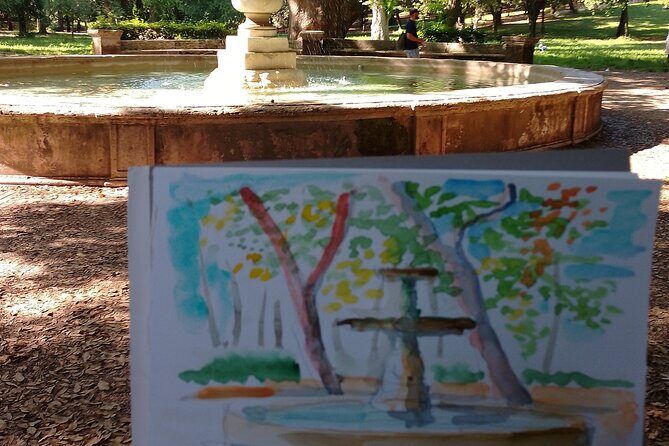
Guido’s teaching style gets repeated in the reviews for a reason: it’s friendly, patient, and practical. You’re not left with a vague suggestion like practice more. You’re coached in a way that helps you produce something you’re proud of.
Based on what people describe from their sessions, you’ll typically move through exercises that build on each other:
- Starting with a more controlled drawing approach using tools like fountain pens, then layering colored pencil or other color marks.
- Doing guided perspective work, so your view doesn’t flatten out.
- Practicing observation with playful prompts, like drawing while switching what you’re looking at (and then comparing results).
- Learning quick sketch habits, including rapid “speed” drawing followed by fast watercolor coloring.
That last part is a big deal if you worry you won’t have time to finish. Speed exercises teach you confidence. You stop trying to make every line perfect and start making choices.
And yes, Guido’s stories help. People describe him growing up with Villa Borghese as a playground, which changes the whole feel of the lesson from tourist activity to local perspective. If you like conversation during travel, you’ll probably enjoy the rhythm: draw, chat, laugh, draw some more.
Materials included: what you’ll get to use
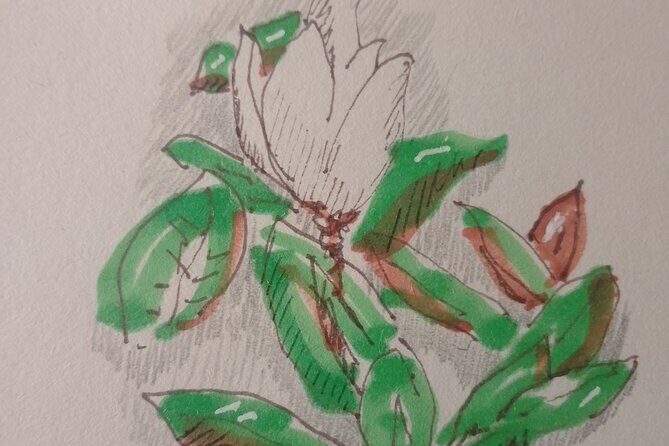
This lesson is packed with gear. You’re provided drawing tools and support so you can focus on learning instead of buying supplies.
Included:
- drawing tools and pens (including fineliners, markers, fountain pens, and ballpoint pens)
- pencils and brushes
- drawing paper and a support tablet
- watercolor paints and markers
- anything necessary for sketching
Not included:
- bottled water
- gratuities (tips are welcome but not required)
My advice: bring a water bottle anyway. The tour runs about 2 hours 30 minutes and you’re outside the whole time. Even with breaks, sketching makes you forget to sip.
How long it takes and how to pace yourself
At about 2 hours 30 minutes, this is long enough to improve, but short enough to feel relaxed. Private also matters here. Guido can adjust the pace—slower if you’re building confidence, faster if you want more experiments with tools.
What you should plan for:
- walking between stops
- setting up and packing your materials multiple times
- time for teaching moments and then immediate practice
If you’re prone to getting impatient with learning, tell Guido early. Multiple reviews highlight how flexible he can be with requests, especially for students who want to focus on a specific style or tool.
Who this is best for (and who might not love it)
Best fits:
- you want a creative activity that replaces one more “sit and listen” tour
- you’re a beginner and need step-by-step guidance
- you like being outdoors and don’t mind walking for a while
- you want something different than classic Roman sightseeing
You might not love it if:
- you hate walking through parks
- you expect a museum-style indoor experience
- you need a fully quiet, silent activity (there’s conversation, and Guido tells stories)
Price and value: why $72 feels fair here
At $72.01 per person for about 2.5 hours, the value comes from four things you don’t get in most “creative” tours:
1) Private instruction (only your group)
2) Guided subject stops (not just one viewpoint)
3) All art supplies included
4) A structured learning flow with exercises
If you’ve ever tried to take an art class while traveling, you know the hidden costs: supplies, entry fees, and time. Here, the lesson and materials are the core product. For many people, that turns it into a smart “one experience, many skills” deal.
Also, being booked about 35 days in advance on average suggests it’s a popular fit for people planning a day in the gardens. If you’re traveling in busy months, earlier booking helps.
Quick tips to get the most from your lesson
- Wear comfortable shoes you can walk in for long stretches.
- Bring water (even though bottled water isn’t included).
- If you have a preference—fountain pen, pencils, watercolor—mention it early so Guido can steer you.
- Don’t aim for a perfect souvenir. Aim for a finished practice piece. That’s what the lesson is designed to help you do.
- If you’re a beginner, lean into the exercises. The fastest improvements often come from the structured odd prompts, not from copying.
Should you book this sketching lesson in Villa Borghese?
If you want a break from the usual tourist loop and you like learning by doing, I think you’ll enjoy this. It’s built for real beginners and still rewarding if you can already draw, because the subject variety and coaching keep giving you new challenges.
Book it if you:
- want a creative way to see Rome that’s actually rooted in place
- like conversation and a relaxed pace
- want art materials handled for you
Skip it if you:
- can’t handle outdoor walking
- need a totally silent activity
- only want a traditional sightseeing tour
Overall, this is one of those Rome experiences where you don’t just come away with photos. You leave with a skill—and usually a sketch you’re genuinely proud to frame.
FAQ
Is this sketching lesson private?
Yes. It’s a private tour/activity, so only your group participates.
What’s the meeting point for the lesson?
You’ll meet at the Terrace of Pincio area. The start point is listed near the Fountain of Venus at Piazzale Scipione Borghese 5, 00197 Roma RM, Italy, and the activity ends back at the meeting point.
How long does the lesson last?
The duration is about 2 hours 30 minutes (approx.).
What language is the instruction offered in?
The experience is offered in English.
Are art supplies included?
Yes. The lesson includes drawing tools and materials such as fineliners, pencils, markers, fountain pens, ballpoint pens, brushes, paper, a support tablet, and watercolor paints/brushes.
Is bottled water included?
No. Bottled water is not included.
Are tips required?
No. Gratuities are welcome but not mandatory and are at your discretion.
Can most people participate?
The experience notes that most travelers can participate. Service animals are allowed, and it’s near public transportation.
What if I need to cancel?
You can cancel for a full refund if you cancel at least 24 hours before the experience’s start time. If you cancel less than 24 hours before, the amount paid won’t be refunded.