REVIEW · WALKING TOURS
Trastevere and Rome Jewish Ghetto Small Group Walking Tour
Book on Viator →Operated by E & D Guided Tours · Bookable on Viator
Rome has layers. This walk connects them fast.
I like the small group limit (10 max) because you get real back-and-forth, not a lecture heard from afar. I also love the smart mid-morning timing, starting at 11:15 am, which helps you slip past some of the worst midday crush. One thing to keep in mind: it’s a walking tour with a couple of focused stops, so if you’re craving a long synagogue or museum day, you’ll want extra plans alongside this.
You’ll start at Torre Argentina, a sacred archaeological area tied to Julius Caesar and famous for its cat residents, then move through the Antico Quartiere Ebraico and the story of Rome itself before landing in Trastevere, where people go for a reason: food, atmosphere, and a neighborhood identity that doesn’t feel like a theme park. With guides such as Brian, Yash, Rebecca, Maria, Martina, or Arianna (depending on the day), the vibe tends to stay lively and question-friendly. Still, the experience can feel more “streets and stories” than “sit and study,” which matters if you prefer slower, quieter touring.
In This Review
- Key highlights worth your time
- A mid-morning Rome loop that skips some crowd pain
- Start at Torre Argentina: cats, sacred ruins, and Caesar’s shadow
- The Antico Quartiere Ebraico walk: ghetto walls, traditions, and real context
- Isola Tiberina: the smallest inhabited island and the Romulus-Remus story
- Trastevere finale at Piazza Trilussa: where to eat and why people stay
- Guides and group size: why this works so well for questions
- Price and value: why $49.47 can make sense
- Practical tips so you enjoy the walk, not fight it
- Who should book this tour (and who should consider alternatives)
- Should you book the Trastevere and Jewish Ghetto small-group walk?
- FAQ
- FAQ
- How long is the tour?
- What time does the tour start, and where do we meet?
- Where does the tour end?
- How large is the group?
- What language is the tour offered in?
- Are admission tickets included?
- Is food or drink included?
- Do I need pickup or drop-off?
- Is free cancellation available?
Key highlights worth your time
- Mid-morning start at 11:15 am to avoid the worst crowd wave
- Torre Argentina first: cats, sacred ruins, and Caesar’s assassination setting
- Antico Quartiere Ebraico: the ghetto walls, daily hardship, and Jewish traditions
- Isola Tiberina visit: Romulus and Remus, plus the practical “get there” value of a guide
- Trastevere finish at Piazza Trilussa so you can eat right after
- Restaurant direction in both foodie-heavy areas, with help picking what to try
A mid-morning Rome loop that skips some crowd pain
This tour runs about 1 hour 30 minutes to 2 hours, and that time window is a big deal in Rome. You’re not fighting peak lunch crush at the Forum-level sights, and you’re less likely to feel rushed. The 11:15 am start also lines up well with the way Rome actually works: mornings for history, midday for wandering, and then food.
You’re also not stuck with a giant group. With 10 travelers or less, the guide can answer your questions as they come up, and you can actually track what you’re looking at instead of playing a guessing game from the back. For me, that’s when Rome history becomes fun instead of tiring.
One practical note: because it ends in Trastevere, you’ll be walking toward a lively area. That’s great if you want lunch after, but if you’d rather spend the afternoon somewhere calmer, plan where you’ll go next before the tour ends.
You can also read our reviews of more walking tours in Rome



Start at Torre Argentina: cats, sacred ruins, and Caesar’s shadow
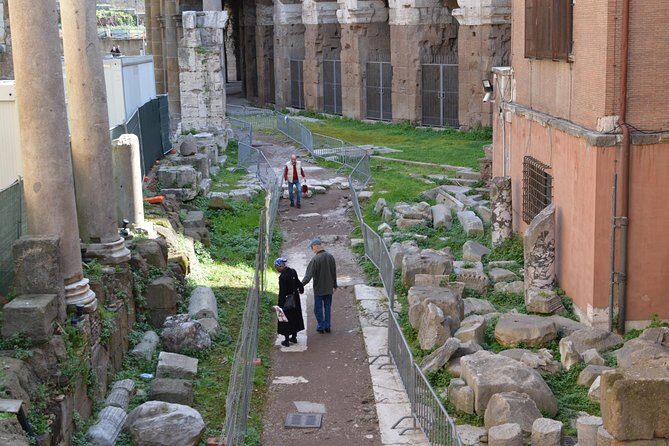
You meet at Corso Vittorio Emanuele II, 46/52 at 11:15 am, right before heading to Torre Argentina. This is one of those places where Rome does both at once: it’s sacred and ancient, and it’s also oddly playful because the area is known for cats. Seeing that contrast in the real setting helps the whole tour click.
Torre Argentina is tied to Julius Caesar’s assassination, and your guide frames why this site matters. Even if you already know Caesar’s name, you’ll likely learn how the location fits into Rome’s early civic and sacred landscape. It’s also a helpful warm-up: you get oriented to the idea of Rome as a city built in layers, not a single “time period” frozen in place.
You’ll also be starting in a part of town where public transport is nearby, so if your plans change, you’re not completely stranded. If you like to travel with a buffer, arrive a few minutes early, since meeting points can feel busy in Rome even when the tour itself runs smoothly.
The Antico Quartiere Ebraico walk: ghetto walls, traditions, and real context
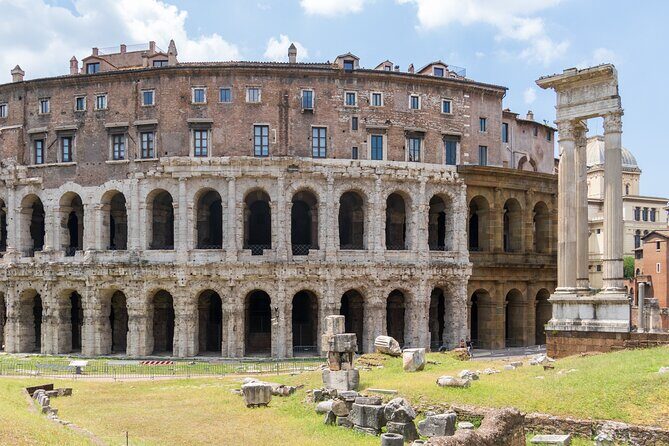
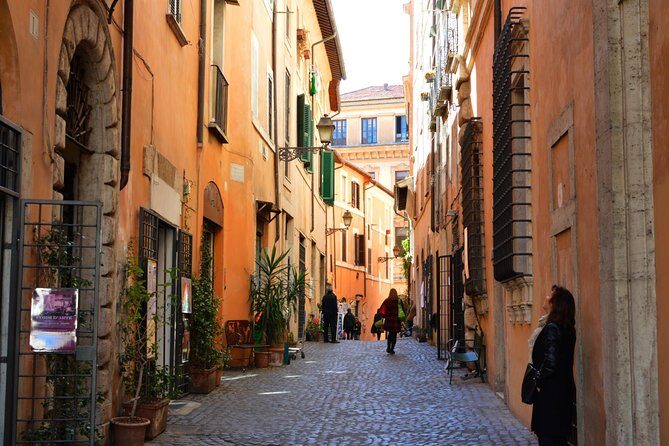
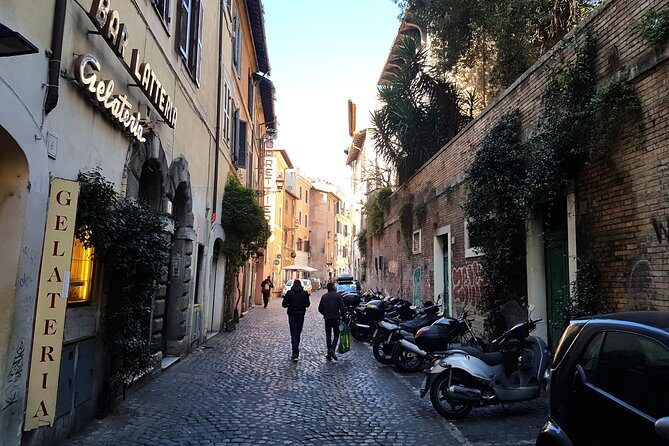
Next comes the Antico Quartiere Ebraico (about 45 minutes). This is the heart of the tour’s Jewish history focus, and the streets here do most of the work for you. As you walk through lively lanes and piazzas, your guide points out what you’re seeing and why it mattered to the Jewish community that lived here under harsh restrictions.
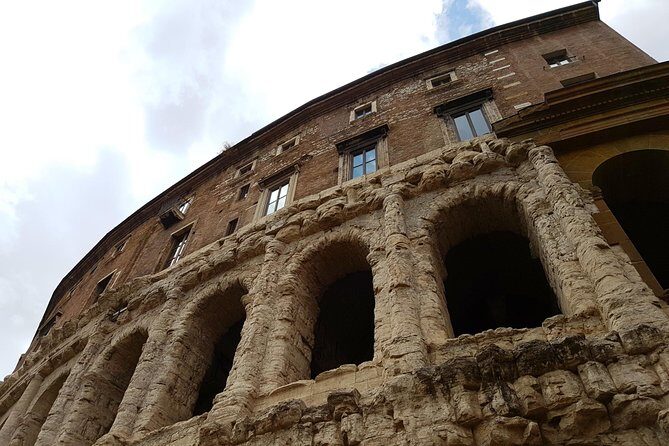
A big value is how the tour connects Jewish traditions with the everyday hardship of life behind ghetto walls. You don’t just get dates and labels. You get the sense of what it meant to live under limits, while still carrying culture forward. The guide also identifies an ancient theater in the area, which adds an important contrast: Rome’s grandeur is everywhere, but people’s lived experiences were unequal.
You’ll want to ask questions at this stop. Guides on this route often do a good job of making it personal and specific. For example, if you’re choosing between restaurants in the Ghetto area, your guide can point you toward options that match what you actually want to eat, not just what’s most famous on a map.
The main drawback to watch for: this is still a walking route, so you’ll be standing in the street and reading the city as you go. If you need long pauses to process emotionally heavy history, choose a calm pace and let the guide know when you need a second.
Isola Tiberina: the smallest inhabited island and the Romulus-Remus story
After the ghetto area, you head toward Isola Tiberina, described as the smallest inhabited island in the world. This is about Rome’s founding myth, centered on Romulus and Remus and the mother wolf story.
What makes this stop feel different from typical “myth talk” is that your guide ties it to place. You’re not just hearing a legend; you’re seeing where the story gets anchored in Rome’s geography. That matters, because Rome’s myths often feel clearer when you can point to what you’re standing near.
This stop also comes with admission included, which is one of the quiet value boosters in the price. You’re paying for guidance and storytelling, yes, but you’re also not paying separate entry fees for each key moment.
In practical terms, Isola Tiberina gives you a scenic, story-rich break before you step into the next neighborhood. The pace tends to feel like momentum: history, then myth, then food.
Trastevere finale at Piazza Trilussa: where to eat and why people stay
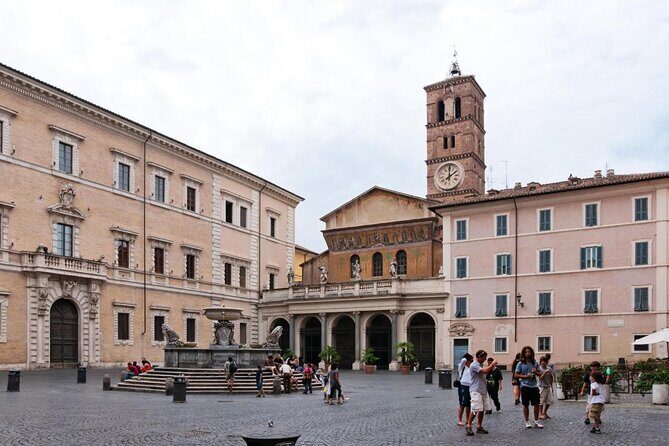
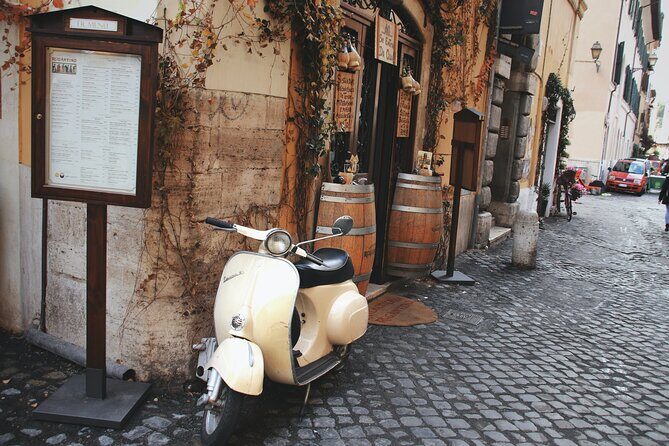
The tour ends in Trastevere, at Piazza Trilussa. This neighborhood is known for a strong identity and long-running traditions, and it’s also where your guide’s restaurant tips start to feel immediately useful. Trastevere is home since very early times (the area is inhabited since the 5th century BCE), and it shows in the way the streets and community vibe hold together.
Your final stretch is about 45 minutes, and it’s timed so you can keep going. If you want the classic move—tour, then lunch without spending extra energy figuring out what’s where—this ending point is a smart choice. It’s one of the best “wraparound” designs I’ve seen: you leave the tour ready to eat, not forced to travel again first.
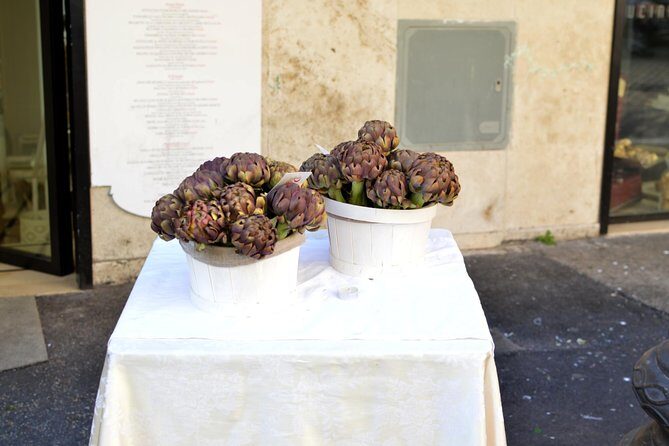
Trastevere is famous for its food, but the real trick is ordering well. This tour’s advantage is that you’re not just handed vague advice like good food somewhere around here. You can ask for specifics that match your tastes, and you can follow that right after the walk.
Possible consideration: Trastevere can get crowded after lunch. If you want a quieter meal, ask your guide for a time strategy during the tour, then head out quickly after you finish.






Guides and group size: why this works so well for questions
A walking tour like this lives or dies by the guide, and the evidence here is strong. In the best moments, you can feel how the guide makes Rome understandable: not by dumping facts, but by linking details together so you know what to look for next. Names you might see assigned on different dates include Brian, Yash, Rebecca, Ambro, Maria, Martina, and Arianna.
What I love about the small-group setup is the feedback loop. You spot something, you ask about it, and the guide answers in a way that helps you see more clearly. One person can be slower, another wants photo time, and the guide can flex without losing the thread.
It also helps that the tour emphasizes communication: you receive your guide’s name and number, and you get an instant confirmation. That reduces stress when you’re navigating Rome neighborhoods for the first time.
The only caution is straightforward: if you’re expecting a tour that is solely about Jewish places (and only those places), this route also covers Roman foundations and Trastevere. That doesn’t make it less meaningful; it just means it has a broader storyline than a strictly synagogue-only day.
Price and value: why $49.47 can make sense
At $49.47 per person, the price might look too simple at first. But once you break down what you’re actually getting, it starts to make sense.
You’re paying for:
- a professional, upbeat guide
- a group of 10 or fewer
- admission included at the key stops
- hands-on storytelling plus restaurant recommendations in two major food neighborhoods
For a city like Rome, it’s easy for “cheap tours” to cost you later—paying add-on entries, then paying for a separate meal plan, then paying for a second guide because you felt lost. Here, the admission included parts help the tour “stay whole” instead of feeling incomplete.
Also, this is timed to end in a neighborhood where you can act immediately on the advice. That can save time and decision fatigue, which is its own form of value. If you’re traveling with limited days, that can matter more than you’d think.
Practical tips so you enjoy the walk, not fight it
Rome walking tours reward smart prep. Wear shoes you trust; the route is about streets, steps, and uneven surfaces. Bring a light layer too. Even mid-morning, shaded areas can feel cooler than you expect, especially around ancient sites.
Arrive a touch early at Corso Vittorio Emanuele II so you’re not stressed finding the group. You’ll likely start on time at 11:15 am, and once you move, it’s best not to jog to catch up.
Language is English, so if you prefer a slower explanation pace, ask early for clarifications. A good approach is to carry one question in your head during each stop. For example: What does this place tell you about daily life, not just big events?
Finally, because food isn’t included, treat the tour as your “planner.” Ask for what to eat in the Ghetto area and what to prioritize in Trastevere. Then build lunch around the guide’s suggestions right after the walk ends.
Who should book this tour (and who should consider alternatives)
This tour is a strong fit if you want three things at once:
- history with a human scale, especially around the Jewish ghetto experience
- Rome’s founding myth framed in real locations, not just a classroom retelling
- a clean, practical path to lunch in Trastevere
You’ll likely enjoy it if you like questions, street-level context, and neighborhood atmosphere. It also works well for first-time Rome visitors who want a structured day segment without overstuffing the itinerary.
Consider a different or additional experience if your main goal is a deep dive into Jewish religious sites only, or if you need long indoor museum time. This walk balances multiple storylines, and it moves with the city.
Should you book the Trastevere and Jewish Ghetto small-group walk?
If your ideal Rome day mixes serious context with real neighborhood life, I’d say yes. The best reasons to book are the small group size, the smart mid-morning start, and the fact that you finish in Trastevere ready to eat based on your guide’s local pointers. Add admission included at the key moments, and the price starts to feel like good value instead of just a low headline number.
I’d book it especially if you want a route that connects Rome’s origin stories to the people who lived through its harder chapters, then lands you in a place where you can enjoy the city’s everyday pleasures.
FAQ
FAQ
How long is the tour?
It runs about 1 hour 30 minutes to 2 hours.
What time does the tour start, and where do we meet?
It starts at 11:15 am. The meeting point is Corso Vittorio Emanuele II, 46/52, 00186 Roma RM, Italy.
Where does the tour end?
The tour ends in Trastevere at Piazza Trilussa, 00153 Roma RM, Italy.
How large is the group?
The tour has a maximum of 10 travelers.
What language is the tour offered in?
The tour is offered in English.
Are admission tickets included?
Yes. Admission tickets are included for the main stops.
Is food or drink included?
No. Food and drinks are not included.
Do I need pickup or drop-off?
Pick-up and drop-off are not included.
Is free cancellation available?
Yes. You can cancel for a full refund up to 24 hours in advance.