REVIEW · ROME
8-Days Best of Italy Trip from Rome with Florence and Venice
Book on Viator →Operated by Gray Line I Love Rome by Carrani Tours · Bookable on Viator
Eight days, four Italy icons. This trip is built for people who want big-name art and food without doing the logistics day by day. You’ll move by air-conditioned coach through medieval towns and major cities, then add smart ticketing for the Vatican Museums and Sistine Chapel.
What I like most is the mix of guided time and personal freedom. In Rome you get a real evening orientation walk, in Florence you get a full day on your own, and in Venice you get a guided water-taxi moment followed by wandering time. The main drawback is that the schedule can feel strict, and some “free time” can mean you’re responsible for getting back to the hotel.
In This Review
- Key things I’d circle before you book
- Rome first: getting your bearings fast (even if day one is messy)
- Assisi, Siena, Florence: the Italy postcard route—done with real structure
- Assisi: small town, major art moments
- Siena: Piazza del Campo and the Palio legend
- Florence: a full day plus an optional Pisa add-on
- Bologna to Venice: the best kind of contrast
- Bologna: elegant streets and (sometimes) extra food time
- Venice: water-taxi arrival, then spritz and cicchetti
- Montepulciano and the wine-country rhythm: one day that feels different
- Vatican Museums and Sistine Chapel: what the skip-the-line actually saves
- Hotels and meals: where the trip feels great, and where it can stumble
- Hotels
- Meals and what’s actually included
- Price and logistics: is $1,590.10 worth it for your style?
- Who this tour fits best (and who should think twice)
- Should you book this Best of Italy trip from Rome?
- FAQ
- What’s included in the tour price?
- Do you get picked up at the airport?
- Is the tour offered in English?
- What does the Vatican tour include?
- Is the Vatican tour skip-the-line?
- How much free time do you get in the cities?
- Are Pisa activities included?
- Are city taxes included?
- Is this tour suitable for people with mobility issues?
- What are the tour’s group limits?
Key things I’d circle before you book
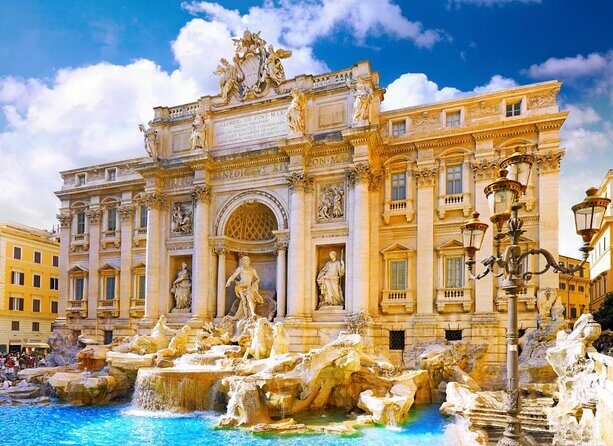
- Skip-the-line Vatican plan so you spend more time inside the museums and Sistine Chapel
- Venice spritz and cicchetti with a tour leader, plus a water-taxi ride to San Marco
- Full-day Florence time with lunch included in a classic central area
- Two different city styles after Rome: Florence/Tuscany pacing, then Venice by the water
- Hotel locations can vary since Venice is based in Mestre and some stays may be outside the center
- Meals are not fully covered (daily breakfast, plus selected lunches and dinners)
Rome first: getting your bearings fast (even if day one is messy)
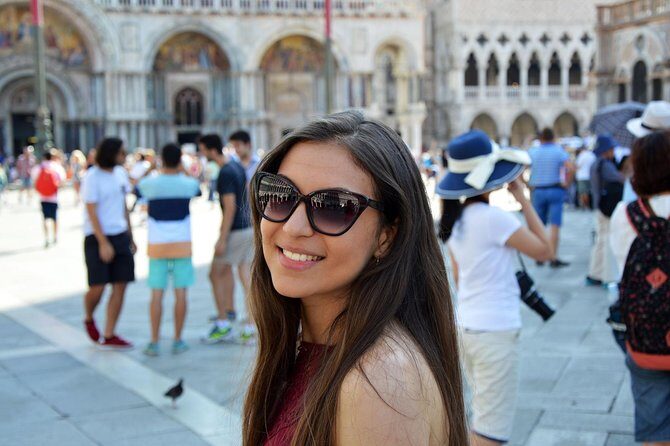
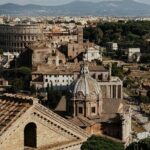
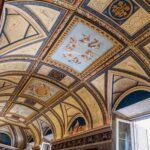
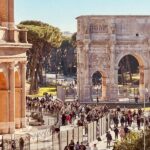
Rome starts with a practical reset: you’re picked up after landing at Ciampino or Fiumicino and transferred to your hotel. Then you get an evening guided walking tour that strings together several must-see stops—the Jewish Ghetto, Trevi Fountain, and the Spanish Steps.
This is a smart way to fight jet lag. A guided walk helps you learn the city’s rhythm quickly, and it gives you visual anchors for the next few days. You also receive a Hop on Hop off panoramic bus ticket that’s valid for the day during operating hours. That’s handy when you want to revisit something from the walk without guessing routes.
The one Rome catch: the first day is sometimes handled with less communication than you’d want. If you’re the type who hates ambiguity, confirm your exact start time for the walking tour and where the meeting point is. Also, keep in mind that some parts of the itinerary can involve getting yourself back to the hotel during “free time.” If you’re not yet comfortable navigating Rome, build extra patience into that first day.
You can also read our reviews of more tours and experiences in Rome.

Assisi, Siena, Florence: the Italy postcard route—done with real structure
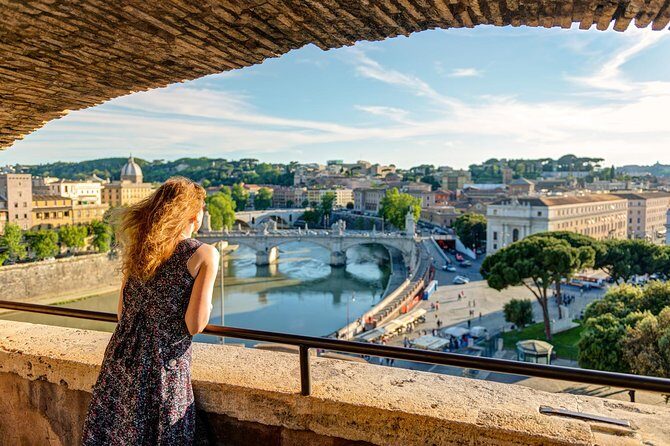
Days two and three are where this tour earns its name. Instead of hopping cities without context, you get stops that each feel different in mood and architecture.
Assisi: small town, major art moments
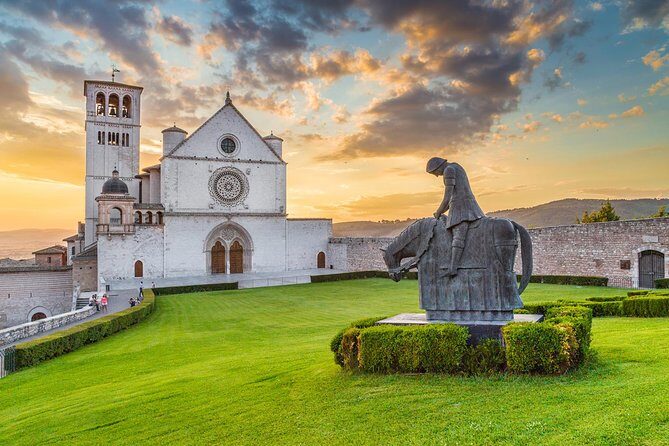
Assisi is the medieval wall-town you can actually slow down in. You’ll have time to visit the basilica of St. Francis and admire works associated with major artists (including Giotto and Cimabue). The point here isn’t to rush every chapel—it’s to take advantage of the fact that you’re not just passing through.
I also like that lunch in Assisi is included on certain dates (and otherwise you plan lunch on your own). Either way, you can shape your day: quick bites and photos, or a longer sit-down if the church atmosphere pulls you in.
Siena: Piazza del Campo and the Palio legend
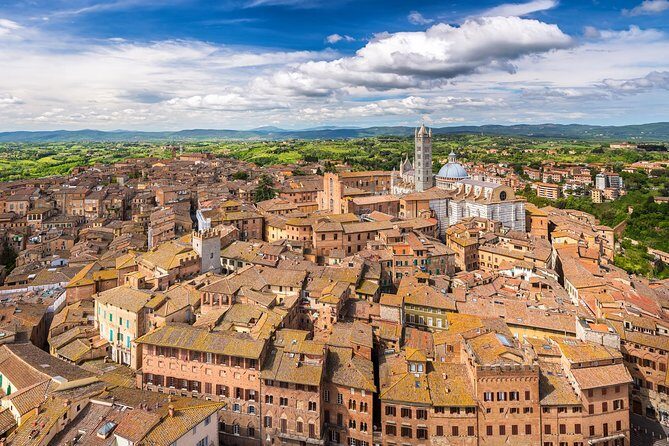
Then you head to Siena, a UNESCO site shaped by its central shell-shaped square, the Piazza del Campo. This is where you feel the city’s identity instantly: Palio horse-racing tradition still echoes around that space.
You get time to look up at façades, walk the side streets, and decide how much time you want to spend around the square. If you like cities that feel self-contained, Siena is a great match for this format.
Florence: a full day plus an optional Pisa add-on
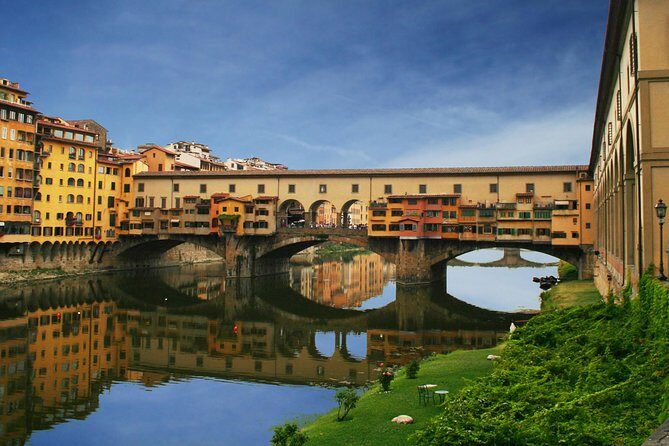
Florence is where the tour gives you breathing room. You explore on your own for the day, with lunch included at a Tuscan restaurant around Piazza Santa Croce. After lunch, you can wander the cobblestone lanes at your own pace.
There’s also an optional short trip to Pisa. If you do it, you’ll see Piazza dei Miracoli and the big sights there: the Duomo complex, the Baptistery, and the Leaning Tower. Here’s how I’d think about it: Pisa is perfect if you want a classic “photo landmark” day. If you’d rather go deeper into Florence’s neighborhoods, skip Pisa and save your energy for Florence.
Bologna to Venice: the best kind of contrast
By day four, the trip shifts from Tuscany-style city walking to a different flavor: Bologna, then Venice.
Bologna: elegant streets and (sometimes) extra food time
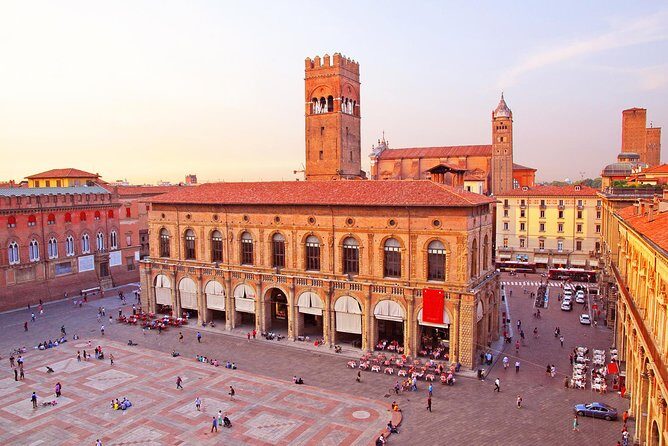
In Bologna, you’ll walk between key squares—Piazza Malpighi, Piazza del Nettuno, and Piazza Maggiore—then pass places like Palazzo Podestà and the basilica of San Petronio. The vibe is elegant and livable. It’s the kind of city where you can picture students, shoppers, and long meals filling the streets.
From late March onward, the schedule can include extended time with a local food experience. That’s a real bonus if you want Bologna to be more than a stop for photos.
Venice: water-taxi arrival, then spritz and cicchetti
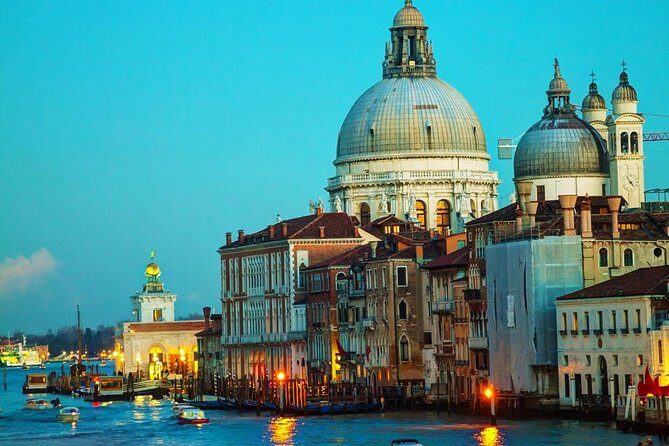
Venice day is built around an iconic “arrive like a local” moment. You’ll take a private water-taxi transfer to Piazza San Marco and tour highlights like the Doge’s Palace and the Bridge of Sighs.
Then comes the social part: a spritz or prosecco with cicchetti (Venetian snack plates) while your tour leader is with you. This is one of the most enjoyable parts of the trip because it turns sightseeing into a pause—something you rarely get on tight city days.
After that, you’re free to explore on your own. This is also where you should manage expectations. Venice is confusing even for experienced travelers. If you’re worried about getting back to Mestre, plan to stay flexible. Some guides have helped arrange extra transport when groups felt uncertain, but that isn’t something you should assume every time.
Montepulciano and the wine-country rhythm: one day that feels different
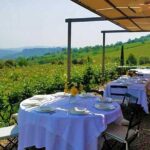
Day six is your change of pace: you leave Venice and head toward Tuscany, then stop in Montepulciano in Val di Chiana. This part is about landscapes, slow streets, and the wine culture you can smell before you taste it.
You’ll have lunch included at a typical restaurant, plus time to explore. Montepulciano is known for its Nobile wine, and the town’s atmosphere is built around that identity.
Then you travel back to Rome and check in for the night. I like this structure because it balances “big sightseeing days” with a calmer, countryside-feeling day. You’ll still walk, but it doesn’t feel like you’re chasing the next landmark every ten minutes.
Vatican Museums and Sistine Chapel: what the skip-the-line actually saves
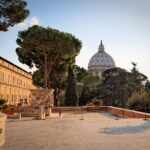
Day seven is the trip’s heavy art day. You get an included tour of the Vatican Museums and the Sistine Chapel with skip-the-line access. That matters. The Vatican is one of those places where a delay costs you hours, not minutes.
Your guided route includes major galleries and you’ll see spaces connected with Raphael’s rooms before arriving at the Sistine Chapel. The tour ends at St. Peter’s Square. Important detail: entrance to St. Peter’s Basilica is not included.
This matters for your planning. If you want Basilica time, you’ll need to handle it during your free afternoon (or via additional options you may book separately). Also note a real-world complication: during Jubilee Year, parts of the Vatican Museums may be inaccessible due to religious ceremonies. That’s outside the tour’s control, but it’s worth knowing so you’re not blindsided.
One more practical thought: this is a guided museum plan with a tight endpoint. If you’re the type who wants to drift slowly and read every plaque, treat this day like a “see the core masterpieces” day—not a long-stay crawl.
Hotels and meals: where the trip feels great, and where it can stumble
This is a mixed bag, and it’s the part you should evaluate most carefully.
Hotels
The tour uses four-star hotels or similar:
- Rome: St. Martin (or similar)
- Florence: Hotel Raffaello (or similar)
- Venice: Hotel Delfino in Venice Mestre (or similar)
Rome can be a strong anchor. One stay was described as exceptional, with convenient access to restaurants and groceries. Florence and Venice, though, have more variability. Some guests reported rooms far from the center in Florence, and Venice stays in Mestre require a commute to the lagoon.
Also, there can be quirks: one report noted A/C restrictions in Rome (not uncommon in older European buildings, but still worth keeping in mind when you travel in hot months). If climate control is a must for you, I’d prioritize that question before booking.
Meals and what’s actually included
Your daily breakfast is included (7 breakfasts total), along with 3 lunches and 2 dinners. You also get a Venice light lunch style experience: spritz or prosecco with cicchetti.
I like that the tour includes enough meals to lower the stress, but not so many that you feel locked into one restaurant for every evening. Still, because dinner inclusion is limited, you should plan for nights where you choose your own meal.
If you’re hoping to do iconic extras like Pisa Tower entry add-ons, boat rides, or gondola experiences as part of a standard package: don’t assume. The tour includes major sightseeing, but certain “big ticket” experiences can cost extra, and you’ll want to confirm what’s bundled before you go.
Price and logistics: is $1,590.10 worth it for your style?
At $1,590.10 per person for about 8 days, you’re paying for a lot of moving parts to be handled: coach transport, hotel stays (7 nights), airport transfers, a professional guide, onboard Wi-Fi, and several included meals.
So the question is less “Is it cheap?” and more:
- Do you value time saved by guided routing and pre-arranged entries?
- Do you like having a plan that keeps you from second-guessing each day?
- Can you handle the reality that you’ll do some self-navigation during free time?
If you answer yes, this can be good value because the itinerary chains major cities efficiently: Rome to Florence to Venice, with Umbria, Siena, Bologna, and a wine stop in between. Skip-the-line Vatican access also has real time value.
If you answer no—if you need highly detailed day-one communication, if you hate any “you’re on your own” moments for return logistics, or if hotel comfort is your top priority—then the savings may not feel like savings.
Who this tour fits best (and who should think twice)
This is best for you if:
- you want a guided structure across multiple regions
- you don’t mind walking and some fast pacing
- you enjoy cities with guided highlights plus free wandering
- you like the idea of Venice’s water experience, even if you stay in Mestre
It may be a poor match if:
- you need mobility-friendly pacing (this tour notes extensive walking and a strict schedule)
- you need simpler navigation with fewer handoffs between guide time and self time
- you’re very sensitive to hotel location and basic room comfort
Also, group size can matter. The tour lists a maximum of 35, but some experiences described a larger group feeling than expected. If group size affects your comfort, I’d ask directly how departures are managed.
Should you book this Best of Italy trip from Rome?
I’d book it if you want the classic Italy arc—Rome, Florence, Venice—plus Assisi and Siena—without planning each leg yourself. The Vatican skip-the-line and the Venice spritz plus cicchetti moment are exactly the kind of “small included wins” that make group tours feel worthwhile.
I wouldn’t book it if you’re a low-tolerance traveler for uncertainty. Make sure you confirm day-one timing, meeting points, and where “free time” ends for the day. Then you’ll get the best of what this trip offers: major sights handled well, and enough breathing room to make the cities feel like yours.
FAQ
What’s included in the tour price?
You get seven nights of hotel accommodation, seven breakfasts, three lunches, and two dinners (plus a spritz and cicchetti light lunch experience in Venice). You also get a professional guide, air-conditioned coach transport with onboard Wi-Fi, and round-trip airport transfers between Rome airports and your hotel. A Hop on Hop off panoramic bus ticket for Rome is included for day one.
Do you get picked up at the airport?
Yes. You’re transferred from Rome airports (Ciampino or Fiumicino) to your Rome hotel by air-conditioned vehicle after meeting your driver.
Is the tour offered in English?
Yes. It operates in English (monolingual from April to October), and it can be bilingual in Spanish, Portuguese, and French depending on the season.
What does the Vatican tour include?
It includes a guided tour of the Vatican Museums and Sistine Chapel with skip-the-line access. The tour ends at St. Peter’s Square, but entrance to St. Peter’s Basilica is not included.
Is the Vatican tour skip-the-line?
Yes. The Vatican Museums and Sistine Chapel are included with exclusive skip-the-line access.
How much free time do you get in the cities?
You get free time in places like Assisi and Siena, and you also have time to explore on your own in Florence, Venice, and Rome after the guided portions.
Are Pisa activities included?
Pisa can be optional as part of the Florence day program. Specific experiences like Pisa Tower entry or other add-ons may not be included, so it’s smart to confirm what’s covered before paying for extras.
Are city taxes included?
No. City tax is not included.
Is this tour suitable for people with mobility issues?
The tour notes extensive walking and a fast pace with a strict schedule, so it is not suitable for mobility issues.
What are the tour’s group limits?
The tour is listed as having a maximum of 35 travelers.