REVIEW · COOKING CLASSES
Small-Group Pasta Making steps from the Vatican Museums
Book on Viator →Operated by Rome Cooking Class · Bookable on Viator
Rome smells like comfort food.
This pasta-making class happens in a kitchen close to St. Peter’s Basilica, in a space with links to the old Vatican granary. You’ll learn why Roman cooking is so specific—using classic flavor combos and techniques—while Romina brings the tone: friendly, patient, and organized.
I especially like the small-group size (max 8), because it means real attention instead of shouting over a crowd. You start with sparkling wine and nibbles, then put on aprons and work your way through Roman favorites like fresh pasta and dishes such as Amatriciana, Cacio e Pepe, and Carbonara—and you actually eat what you make.
One thing to consider: the format can feel more like an intro lesson than a fully step-by-step build of every component. One person felt about a quarter of the time was hands-on, with the host doing more of the cooking (including sauces), and the recipe booklet included only one of the pasta dishes. If you’re the type who wants to do every single step with your own hands, go in with that expectation.
In This Review
- Key Highlights You’ll Care About
- Why This Pasta Class Fits Perfectly Into a Vatican Day
- Meeting Point and Practical Logistics Near Public Transit
- What the 3 Hours Actually Feels Like (Start to Finish)
- 1) Welcome with sparkling wine and nibbles
- 2) Aprons on: fresh pasta and Roman technique
- 3) Starters and the pleasure of prepping ingredients
- 4) The main event: ravioli and fettuccine
- 5) Dessert and local wine pairing
- Menu Details You Can Use to Choose Your Class Time
- Getting the Most Out of Romina’s Instruction
- Price and Value: Is $96.12 Worth It?
- Who This Class Is Best For
- Quick Notes on Booking and Cancellation (Keep It Simple)
- Should You Book This Pasta Class?
- FAQ
- How long is the pasta-making class?
- Where is the meeting point?
- What group size should I expect?
- Is the class offered in English?
- What food will I eat and what will I make?
- Can I cancel for a full refund?
Key Highlights You’ll Care About
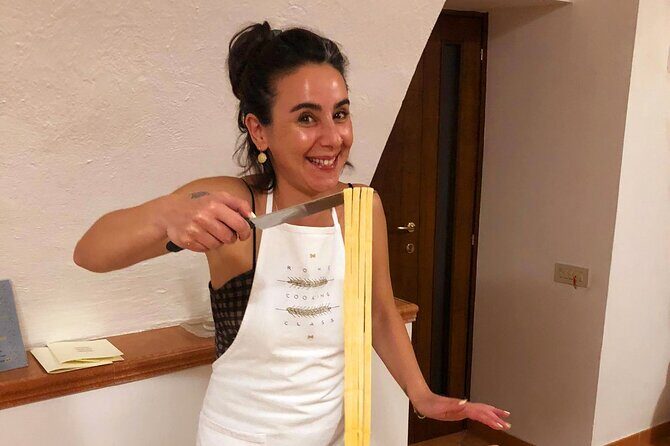
- Romina’s teaching style: patient, fun, and especially good for families
- Small group, max 8: easier Q&A and more time at your station
- Starts with sparkling wine and nibbles before you cook
- Roman classics: you’ll work with fresh pasta and learn dishes like Amatriciana, Cacio e Pepe, and Carbonara
- You eat your work with local wine at the end
- A great location for a Vatican-area break near Borgo Angelico
Why This Pasta Class Fits Perfectly Into a Vatican Day
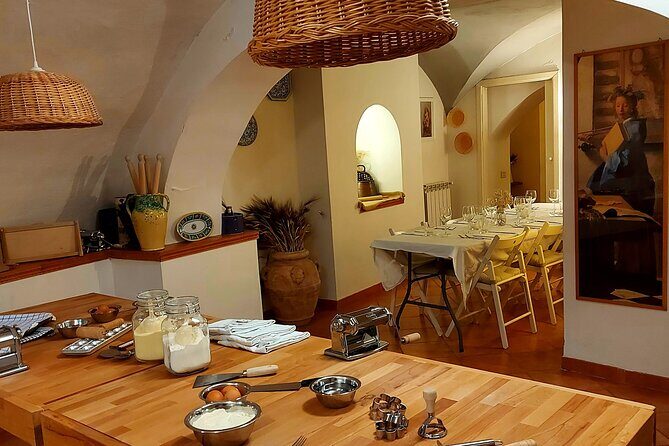
A cooking class sounds like a detour—until it’s placed exactly where you already are. This one meets in Borgo Angelico (00193 Roma RM), a practical walk from the Vatican Museums area. That matters because Rome days can get long fast. If you’ve done a museum circuit in the morning, this gives you a warm, food-focused reset without complicated transfers.
The timing also makes sense: you can usually pick a lunch or dinner class, and the activity runs about 3 hours. I like when classes respect how people actually travel—Museums in the morning, then something more hands-on for the afternoon. It’s also offered in English, so you won’t have to play culinary charades to follow along.
And you’ll be in a real working kitchen space—not a classroom pretending to be one. The venue is described as having historical value tied to the old Vatican granary, and that adds a layer beyond the recipes. You’re not only learning food; you’re cooking in a setting that feels tied to the city’s rhythms.
You can also read our reviews of more museum experiences in Rome


Meeting Point and Practical Logistics Near Public Transit
You’ll start at Borgo Angelico, 00193 Roma RM, and the class ends back at the meeting point. That simple “start and finish in the same place” plan is underrated in Rome, where you can lose time just finding the next step.
This activity is also noted as being near public transportation, which is useful if you’re mixing it with Vatican Museums (or if your feet are already bargaining with you). And because tickets are mobile, you can keep everything on your phone and avoid last-minute printed-document stress.
Lastly, it’s max 8 travelers, so you won’t feel like you’re competing for a workspace. That matters more than people think. Fresh pasta moves quickly once the dough is ready, and with a small group, there’s more time for adjustments and questions.
What the 3 Hours Actually Feels Like (Start to Finish)
Here’s the rhythm you should expect, based on how the experience is described and what people highlight afterward.
1) Welcome with sparkling wine and nibbles
You begin with a warm arrival and a quick social start: sparkling wine and nibbles. This isn’t just a perk—it’s how you get relaxed before you start working. Pasta classes can feel intimidating if you arrive thinking you’ll mess everything up. A small, festive start helps you get into the teacher’s pace fast.
You’ll also get orientation on what you’re making and how the lesson will flow. Romina’s style is repeatedly described as fun and gracious, with a focus on teaching rather than rushing.
2) Aprons on: fresh pasta and Roman technique
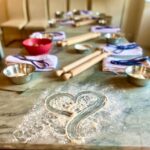
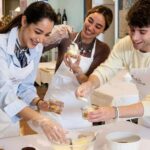
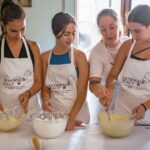
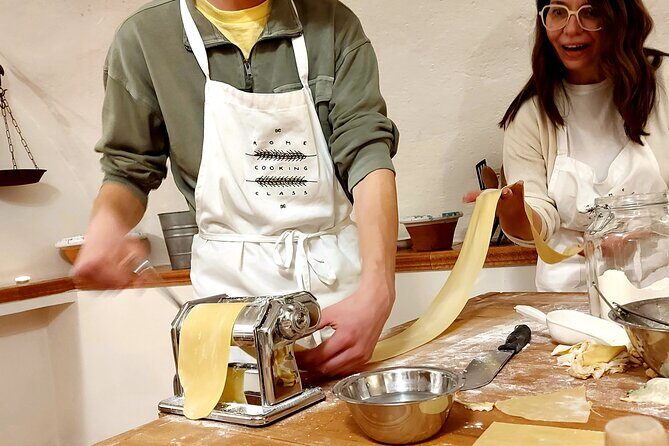
Once you’re set up, you’ll move into the core: making fresh homemade pasta. The experience focuses on techniques that are central to Roman cooking, and it specifically includes learning Roman dishes such as Amatriciana, Cacio e Pepe, and Carbonara.
One important note: the menu provided shows what you’ll eat, and that may not mean you personally assemble every sauce step from start to finish. From one review-style critique, the class can feel that the hands-on portion is concentrated—especially around the dough and rolling—while the host does more of the cooking. So if your personal fantasy is doing every sauce step yourself, treat this as a hands-on class with guidance, not a DIY cooking workshop where you command every pot.
You can also read our reviews of more cooking classes in Rome
3) Starters and the pleasure of prepping ingredients
You’ll also prepare starter(s) with seasonal ingredients. A specific starter in the sample menu is bruschetta with cheese, roast peppers, and olives. That’s a good match for the vibe of the class. It gives you something straightforward to build while the pasta dough rests or while you’re waiting on timing elements that come with cooking.
4) The main event: ravioli and fettuccine
The sample menu lists two mains:
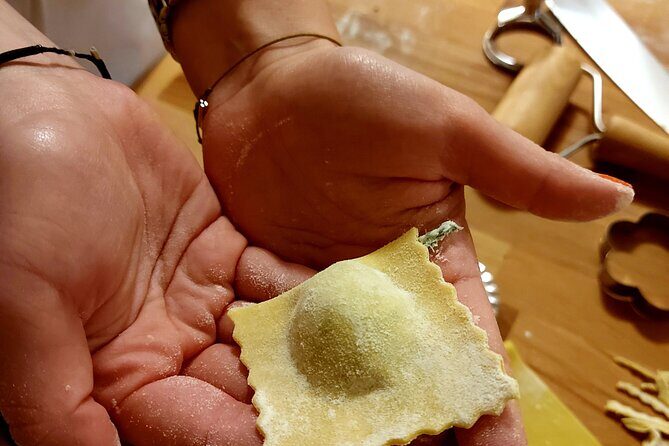
- Green ravioli, filled with ricotta, pecorino, and lemon zest, served with cherry tomato sauce and basil
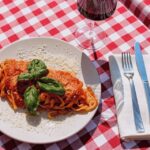
- Homemade fettuccine, served with traditional Amatriciana sauce
This is the part where most people feel the value. You’re not learning pasta in theory—you’re learning enough to produce something you can proudly carry to the table.
5) Dessert and local wine pairing
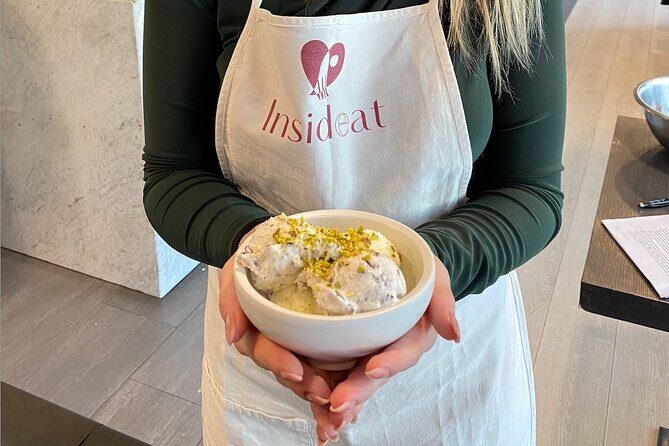
Then comes the payoff: you sit down and enjoy what you made. The experience includes carefully selected local wine paired with your meal. Dessert options in the sample menu include tiramisù or strawberries and cream, so you end on something properly Roman-feeling and satisfying.
The overall tone is described as laughter and a social meal, not a silent culinary exam. That’s often the difference between a class you remember and one you forget.
Menu Details You Can Use to Choose Your Class Time
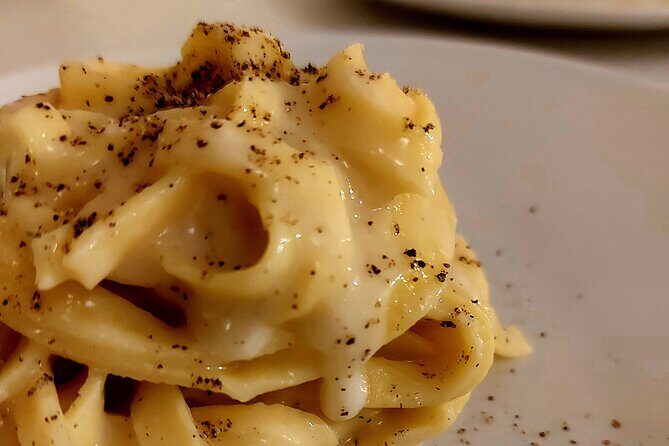
You can pick lunch or dinner to fit your schedule, and the menu is set up like a full meal. If you’re booking this as a break between major sights, dinner can be the better option if you don’t want to rush your appetite early.
Here’s the sample menu again, because it’s specific and helpful:
- Starter: Bruschetta with cheese, roast peppers, and olives
- Main 1: Green ravioli with ricotta, pecorino, and lemon zest; cherry tomato sauce and basil
- Main 2: Homemade fettuccine with Amatriciana sauce
- Dessert: Tiramisù or strawberries and cream
If you’re someone who wants variety in one sitting, this format is great: starter crunch, pasta craftsmanship, and a dessert that gives you a sweet landing. If you’re the kind of eater who only likes one pasta shape, you might end up with a lot of pasta. That said, fresh pasta is the point here, and the class is structured around that.
Getting the Most Out of Romina’s Instruction
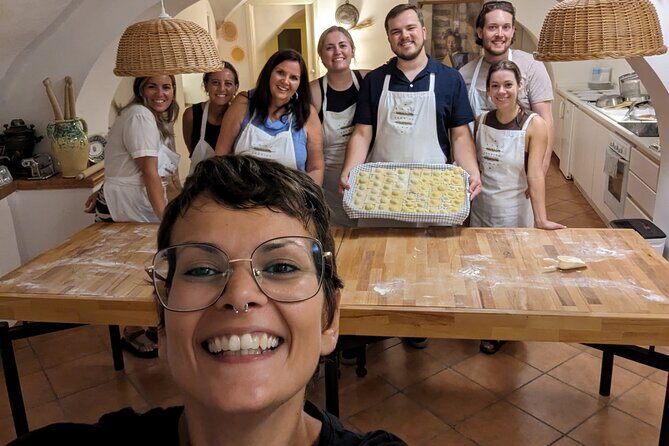
You’ll likely spend a lot of your “success” time asking questions—so come ready to talk. Romina’s teaching is described as patient, and people particularly liked how she adjusts when someone’s grip on pasta-making isn’t perfect yet.
If you want this to feel maximally hands-on, do these three things:
- Ask what you should focus on (dough thickness, filling amounts, sealing seams)
- Watch once, then work on the next section immediately
- Don’t overthink your first try—fresh pasta is forgiving when you correct quickly
Also, because the class is in a real kitchen space with historical context, it can feel more “serious” than the usual tourist cooking demo. That’s a plus if you like authenticity. Just remember: the goal is not just to make one dish. It’s to understand Italian food culture through what you cook and eat.
One small practical consideration: a recipe booklet is provided, but one critique said it didn’t cover both pasta dishes made in class. If you want detailed notes for both mains, bring a pen and take your own quick photos or notes during the process. You’ll leave with memory, not just paper.
Price and Value: Is $96.12 Worth It?
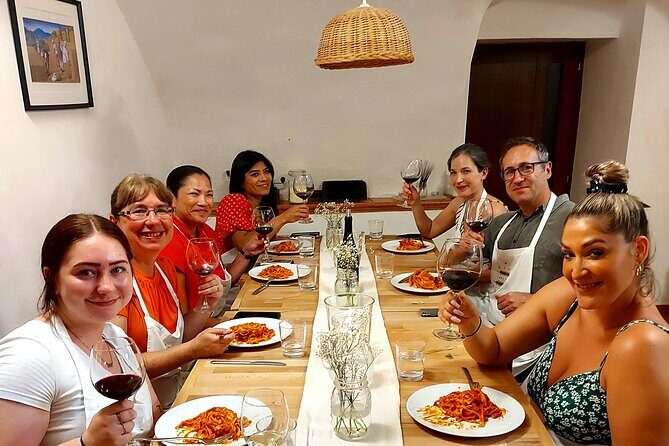
At $96.12 per person for about 3 hours with a maximum group size of 8, this isn’t a budget class. But value in Rome cooking experiences isn’t only about ingredients—it’s about access, instruction time, location, and the fact that you eat a real meal afterward.
Here’s where the price can feel justified:
- You cook and then eat the pasta and meal, paired with local wine
- Small group size reduces the “everyone watches, nobody touches” problem (though it can still happen to some degree)
- Romina’s teaching style is repeatedly praised as fun, patient, and memorable
- The location near the Vatican Museums saves time and energy versus commuting across town
Here’s the part that might not fit every expectation:
- If you expect a fully step-by-step, hands-on process for every sauce and component, you might feel it’s more of an intro style than an intense culinary boot camp. One critique specifically pointed out that a chunk of time felt spent listening or watching.
So, is it worth it? For most people who want a high-quality Roman meal experience with real pasta skills and a welcoming host, yes. If you’re the type who already has strong pasta-making experience and expects to leave with deeply technical mastery for multiple components, you might want to compare against other classes that explicitly promise longer hands-on time.
Who This Class Is Best For
This class is a strong fit if you:
- Want a memorable break from Vatican sightseeing
- Prefer smaller instruction groups
- Like Roman food—especially the flavor families behind Amatriciana, Cacio e Pepe, and Carbonara
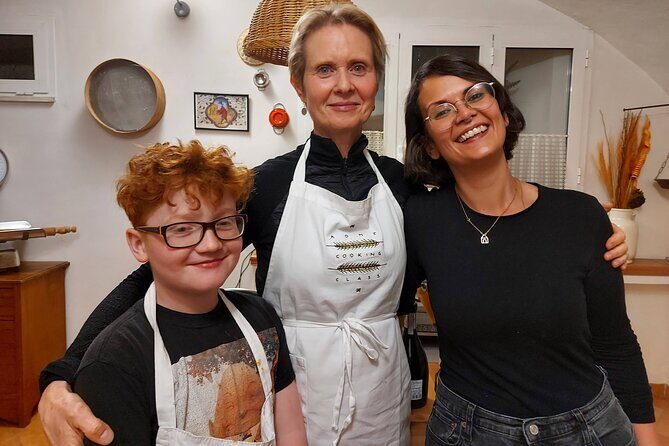
- Are traveling with kids or multi-generational groups and want a kitchen experience that feels welcoming
It’s less ideal if you:
- Want a high-pressure, every-step-you-do-it format
- Need a full written guide that covers every dish in detail (since one critique said the booklet didn’t include both pasta dishes)
Quick Notes on Booking and Cancellation (Keep It Simple)
You’ll receive confirmation at the time of booking, and the class has free cancellation up to 24 hours before the start time for a full refund. Since the class is popular (it’s often booked around a month in advance), I’d still lock it in early if your Vatican timing is tight.
Also, this is English-language instruction and happens near public transport—so it’s easier to plan around crowded sight days.
Should You Book This Pasta Class?
I’d book it if you want a small-group, friendly Roman cooking experience in a practical Vatican-area location, with sparkling wine at the start and a full meal at the end. The combination of Romina’s warm teaching style, the small max group size, and the chance to make and eat fresh pasta makes it a strong “Rome day-structure” choice.
Skip it or compare alternatives if you’re expecting every part of the menu to be built fully hands-on by you, from dough to finished sauces, with long dedicated practice time for each step. In other words: go for the guided experience and the meal you produce—not for a solo chef training course.
If your goal is a genuine Roman food memory you’ll talk about long after the Vatican photos fade, this class is a smart bet.
FAQ
How long is the pasta-making class?
It runs for about 3 hours.
Where is the meeting point?
The meeting point is Borgo Angelico, 00193 Roma RM, Italy, and the activity ends back there.
What group size should I expect?
The class has a maximum of 8 travelers, which helps keep the instruction more personal.
Is the class offered in English?
Yes, it’s offered in English.
What food will I eat and what will I make?
You’ll start with sparkling wine and nibbles and then enjoy a full meal. The sample menu includes bruschetta, green ravioli (ricotta, pecorino, lemon zest with cherry tomato sauce and basil), homemade fettuccine with Amatriciana sauce, and tiramisù or strawberries and cream for dessert.
Can I cancel for a full refund?
Yes. You can cancel up to 24 hours in advance for a full refund.