REVIEW · WALKING TOURS
Rome:”The Scandalous Life of The Borgia Family” Walking Tour
Book on GetYourGuide →Operated by Roman Art and History · Bookable on GetYourGuide
The Borgias turn Rome into a crime scene. This walking tour mixes Renaissance art with the scandal and violence you associate with Cesare and Lucrezia Borgia. You’ll start near Via Cavour’s big Borgia Stairs, then move through central Rome with stories that connect power, religion, and very human ambition in the 15th century.
Two things I really liked: first, the tour’s angle. It doesn’t treat the Borgias like a TV-only myth; it ties the drama to actual streets and monuments, including views over the Roman Forum and stops around major civic sites. Second, the format is right for this kind of subject—small group size (up to 10) with a live guide in English or Italian, and Luisa is the name that comes up again and again for her clear, energetic storytelling.
One consideration before you go: you need to be ready for church stops, so plan clothing that works inside. Also, if you’re the kind of person who fact-checks Renaissance art dates and identities, keep expectations flexible—there’s been some pushback about a few specific details during the walk.
In This Review
- Key things to know before you book
- Why the Borgias story works in Rome’s streets
- Meeting at Via Cavour and the Borgia Stairs start
- Rione Monti: the easy warm-up before the big stops
- Trajan’s Market and Trajan’s Column: ancient power, Renaissance echoes
- Piazza Venezia and Palazzo Venezia: the Roman Forum from above
- Largo di Torre Argentina: a quieter stop with dark vibes
- Santa Maria Sopra Minerva: dress up for the church stops
- The “secret passages” idea and the hunt around ruins
- Ending at Piazza Farnese: where the story tightens
- Price and value: is $77 worth it?
- Who this tour suits best
- A note on accuracy and expectations
- Should you book the Borgias scandal and Renaissance walk?
- FAQ
- How long is the Rome Scandalous Life of The Borgia Family walking tour?
- Where do I meet the guide?
- How much does the tour cost?
- How big is the group?
- What languages are available?
- Does the tour include church visits?
- What should I wear for the tour?
- Where does the tour end?
- Is there free cancellation?
Key things to know before you book
- A Borgias-focused walking tour that centers on Cesare and Lucrezia in the places you can actually stand
- Scandal + art, in the same route, so the Renaissance doesn’t get separated from the rumors
- Small groups (max 10), which helps when you want questions answered in real time
- Roman Forum viewpoints from the city center, plus ancient-Rome landmarks like Trajan’s Market and Column
- Church visits included, so dress appropriately before you leave your hotel
Why the Borgias story works in Rome’s streets
Rome is great at making history feel physical. You don’t just read about power—you stand near the spaces where power played out. This tour leans hard into that idea, using the Borgia family as your thread. Expect stories that blend political maneuvering with darker material: betrayed men, corrupted priests, suspicious deaths, and the kind of court intrigue that sounds too wild for any “normal” Renaissance history lesson.
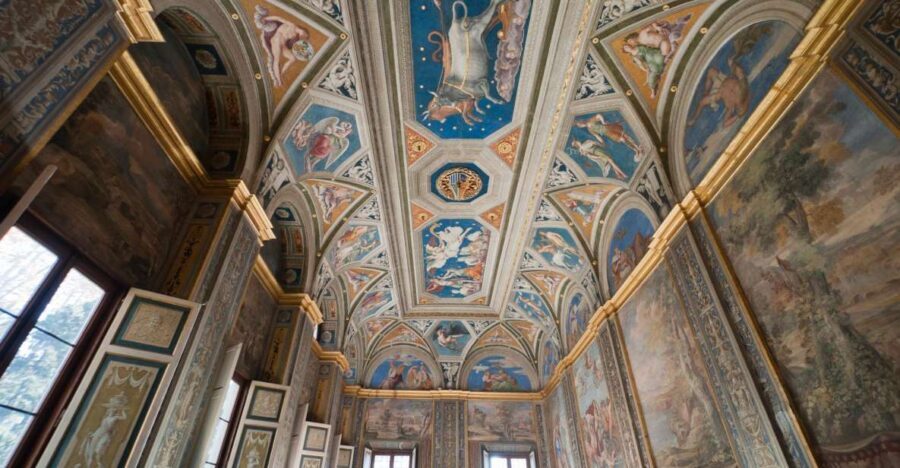
What makes this tour especially fun (and practical) is the balance. You’ll also stop for art and architecture, not just gossip. When you hear a rumor about revenge or ambition, the route then puts you in front of the visual language of the era—churches, palaces, and the big Roman monuments that shaped the city’s self-image.
You can also read our reviews of more walking tours in Rome

Meeting at Via Cavour and the Borgia Stairs start
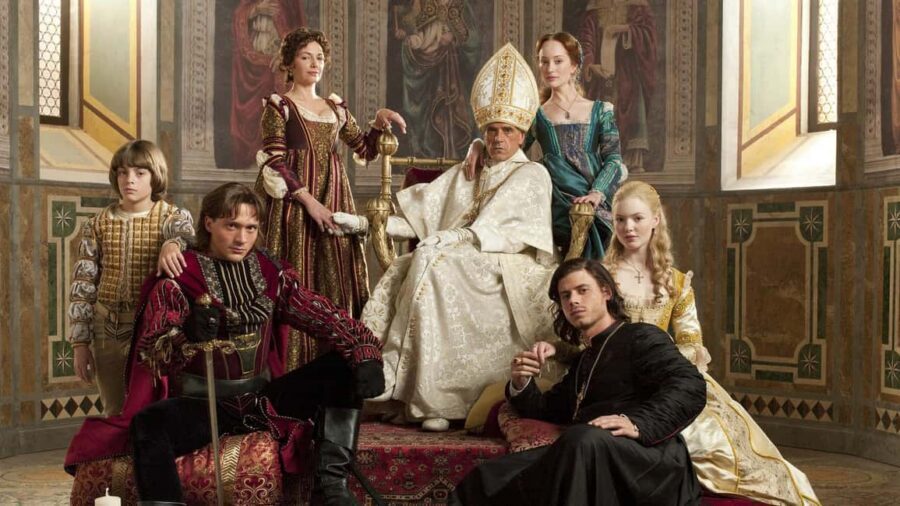
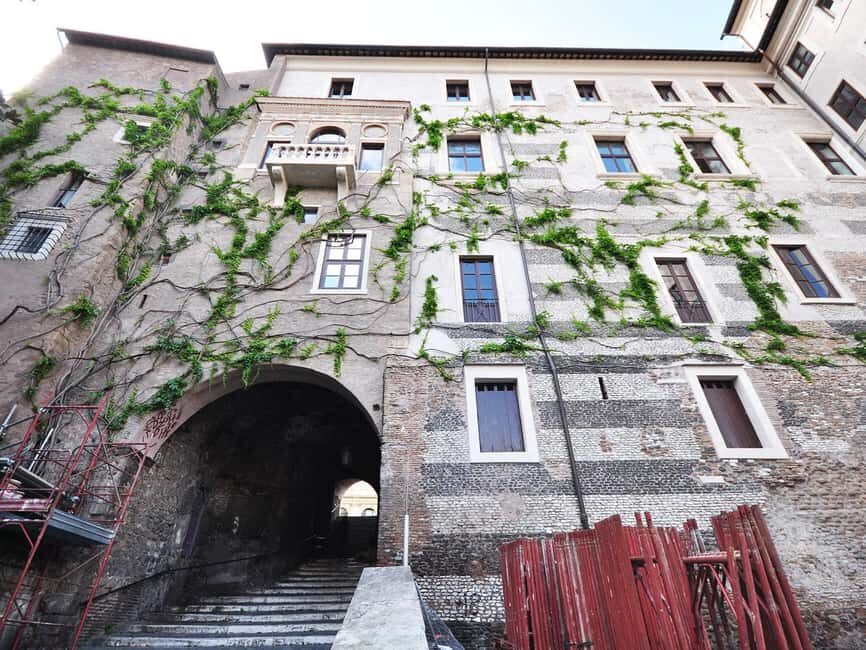
The tour begins at Via Cavour, 256a, right in front of the big Borgia Stairs. That’s a smart start point because it signals the theme immediately: you’re not waiting until hour two for the connection to the Borgias.
From the beginning, the walk is built like a story. You’ll move from the stairs area toward key viewpoints tied to Renaissance Rome, including the balcony of Raphael. Even if you don’t come with a detailed background, you’ll get oriented fast: why this neighborhood matters, how people moved through the city, and why certain spots became stages for influence.
A quick practical note: this is a 3-hour walking experience, and it includes time in churches. Comfortable shoes matter, and bringing a layer can help too, because Rome weather can shift without warning.
Rione Monti: the easy warm-up before the big stops
After the meeting point, the itinerary includes Rione Monti for about 10 minutes. Monti is one of those Rome areas where the street feel stays intimate while you’re still close to major landmarks. For a tour like this, that matters.
This is the warm-up stretch where you get context: how Cesare and Lucrezia’s world connects to the way Rome functioned in the 1400s. You’re also setting your mental map. Later, when the route hits Trajan’s Market, the Column, and the government-facing squares, you’ll understand what you’re seeing instead of just taking photos.
Trajan’s Market and Trajan’s Column: ancient power, Renaissance echoes
Next up: Trajan’s Market (guided, about 10 minutes). Then Trajan’s Column (about 5). These stops may sound like “classic Rome,” but the tour uses them for more than crowd-pleasing sightseeing.
Trajan’s Market and Column represent how Rome displayed authority in stone. That’s useful here because the Borgias weren’t operating in a blank world. They inherited (and performed inside) a Rome that already knew how to project legitimacy through monumental design.
Here’s what you’ll get from this section:
- A sense of continuity—how the Roman past still shapes what people believed was powerful.
- A tighter explanation of why certain Renaissance players would care about symbolism, not just politics.
One drawback to keep in mind: these are short guided segments. If you’re the type who wants lots of lingering and independent exploration, you’ll need to plan extra time afterward.
Piazza Venezia and Palazzo Venezia: the Roman Forum from above
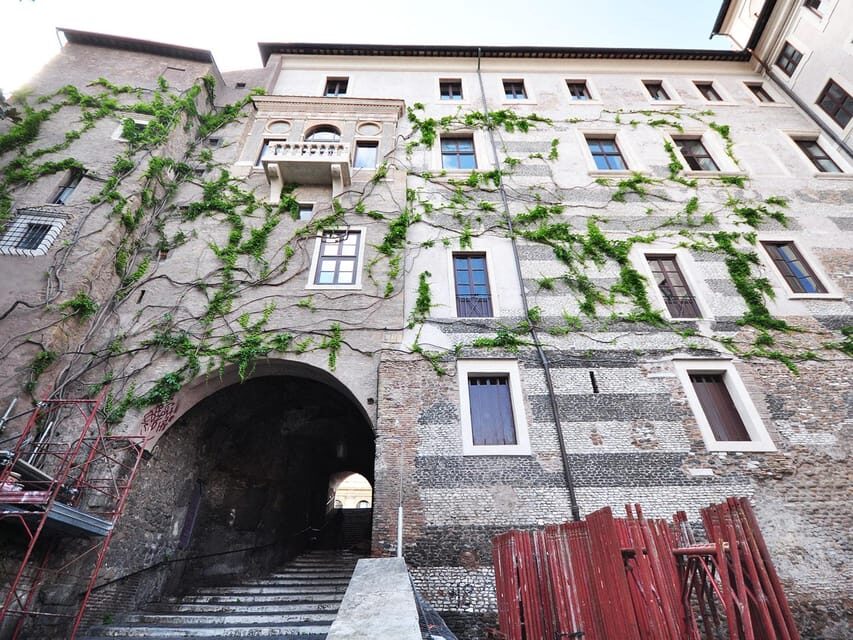
Piazza Venezia shows up next (about 5 minutes), followed by Palazzo Venezia (about 15 minutes). This is where the tour earns its “secret places” promise in a big way.
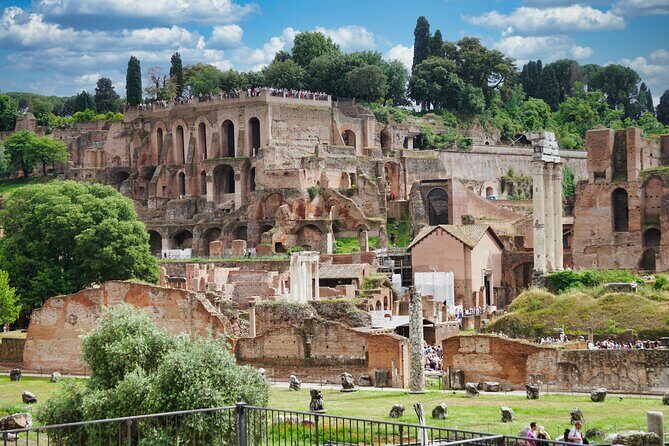
From this part of the city center, you get views over the Roman Forum from above, which is exactly the kind of perspective that makes Renaissance political talk feel believable. You can look out and imagine what officials, clergy, and ambitious families saw when they looked toward Rome’s symbolic heart.
Palazzo Venezia is also a good stop for the theme of image-making. Even if you aren’t learning every architectural detail, you’re learning the human point: power likes to live in impressive spaces, and Rome is full of them.
If you’re watching your pace, note that this section likely includes more stopping and listening than walking. For a story-driven tour, that’s the right trade.






Largo di Torre Argentina: a quieter stop with dark vibes
Largo di Torre Argentina (about 15 minutes) is a twist in mood. The site itself has an unsettling reputation, and the tour uses that tone to match the subject: murders, plots, and the “nobody tells the whole truth” feeling you get when you look at Renaissance courts.
This is also a good moment to reset your brain. After ancient monuments and political-looking squares, you get a space that feels more intimate. It’s easier to connect the idea of rumor and fear to stone.
What I like about this kind of stop: it’s not all spectacle. You leave with a better sense of how these stories could have spread. Even if you’re skeptical about every individual claim, the way the tour explains motives—power, status, and self-protection—makes the scandal feel anchored.
Santa Maria Sopra Minerva: dress up for the church stops
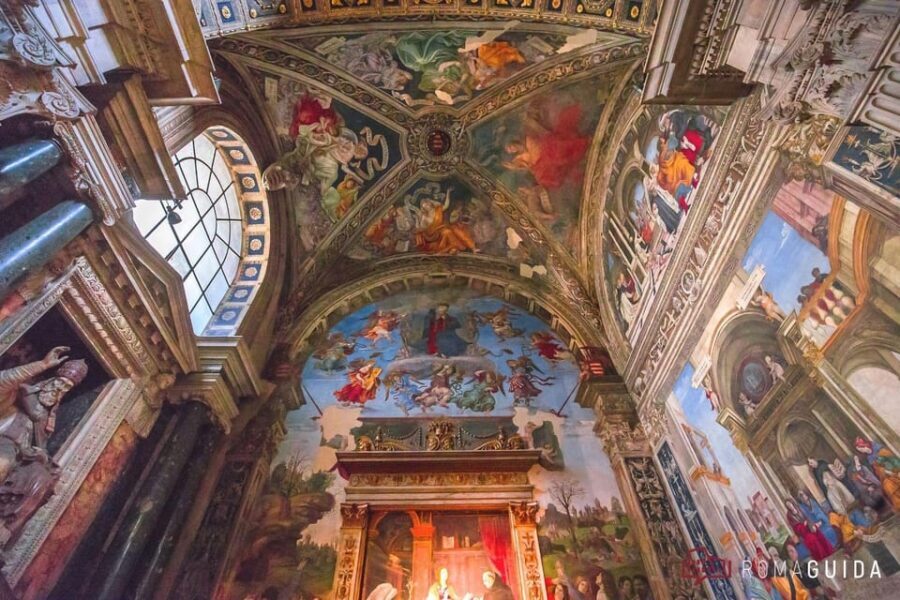
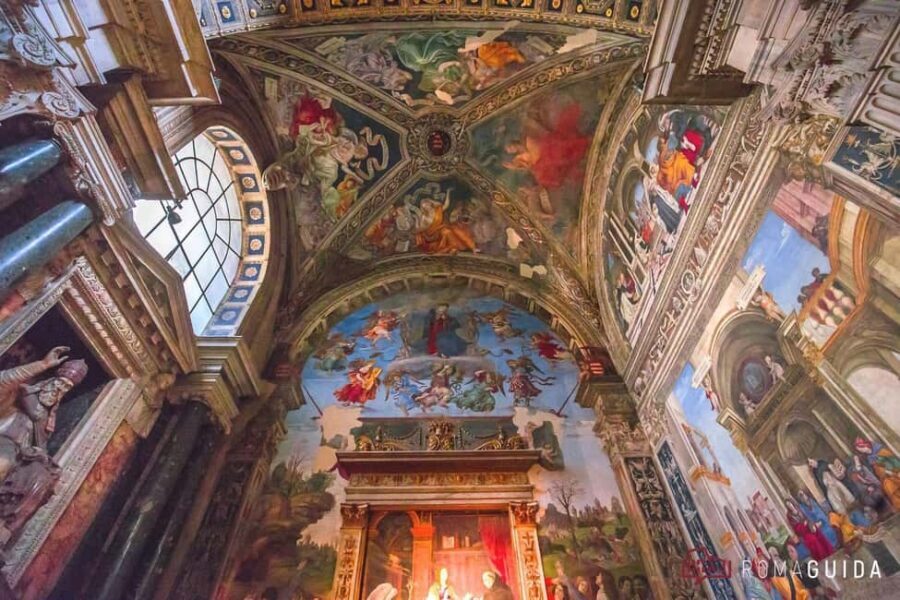
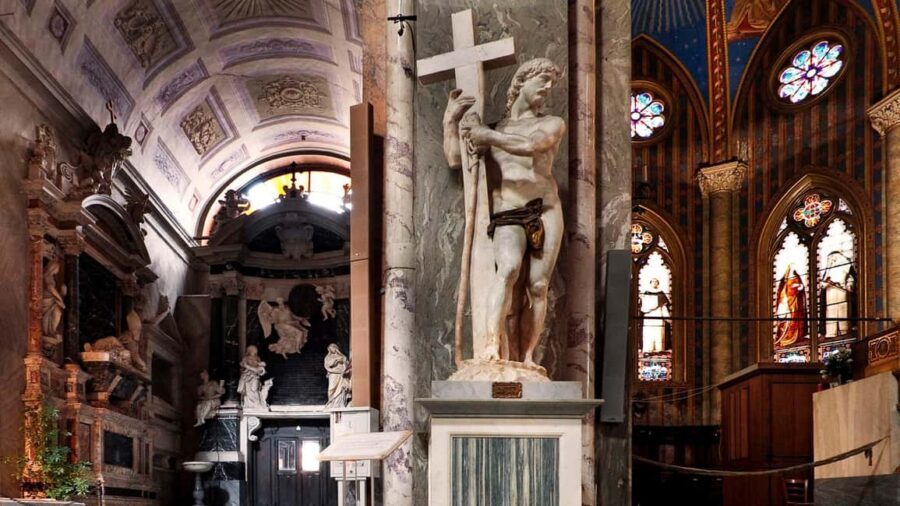
Then comes Santa Maria Sopra Minerva (about 15 minutes). Since church visits are included, this is one of the few “planning ahead” moments you can’t ignore. Wear something that’s comfortable but appropriate for church interiors.
This stop works because the Borgias are impossible to separate from religion and institutions. The tour’s framing—corrupted priests, court influence, and the way sacred authority got tangled with personal agendas—clicks better once you’re actually inside a religious space.
Practical tip: if your outfit is borderline, consider carrying a light layer. It can save your tour if you run into strict expectations.
The “secret passages” idea and the hunt around ruins
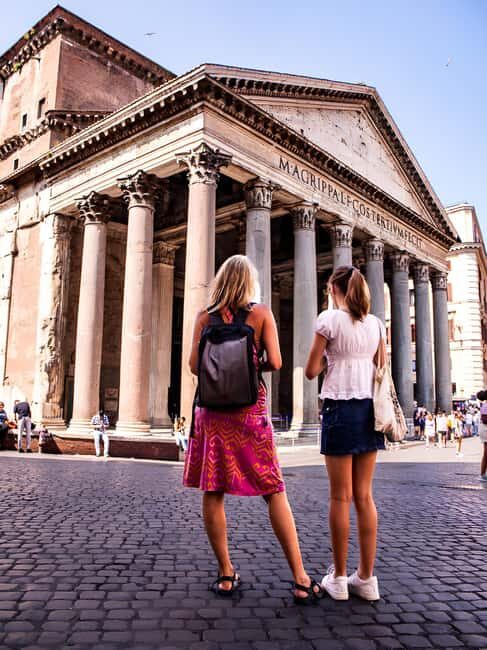
One of the tour’s most specific promises is that you’ll look for secret passages connected to Cesare Borgia escaping the Pope’s soldiers, plus stories tied to ruins and the city’s hidden routes. In practice, you’ll hear these details while walking through areas where the ancient and medieval city patterns create natural opportunities for hiding, moving, and slipping away.
This is where storytelling matters more than facts-at-any-cost. The route is built to help you picture how people might have traveled, where guards would focus attention, and why “safe” routes weren’t always safe.
If you prefer a purely documentary style, just be aware: this is dramatic history. The stories aim to feel real, and that makes them fun—but it also explains why some people have questioned individual dates or identifications tied to art or meetings mentioned during the walk.
Ending at Piazza Farnese: where the story tightens
The tour finishes at Piazza Farnese. This final stop is timed to deliver the last “plot twist” effect—bringing the route back to big, recognizable power and the visual weight that Renaissance Rome loved.
Piazza Farnese feels like a closing scene: palaces, history, and a sense that you’re standing in the shadow of real decisions. It’s also a good landing point for the rest of your evening because it’s central enough to continue exploring on foot (or grab a ride if your legs are done).
Price and value: is $77 worth it?
At $77 per person for a 3-hour walk, the value depends on what you want.
You’re paying for:
- a live guide (English or Italian)
- a small group capped at 10 participants
- a story-first route that connects Borgias scandal to real monuments and churches
If your ideal Rome day is “one great guide + a concentrated theme,” this pricing feels reasonable. You’re not trying to hit 12 sites; you’re building a coherent narrative around the Borgias and the Renaissance.
If your ideal day is slow wandering with lots of time inside buildings on your own, then no tour price will feel perfect. This one moves with purpose, and that’s how it keeps the story going.
Who this tour suits best
This is a great match if:
- you’ve seen the Borgias in pop culture and want a street-level Rome version
- you like Renaissance art but also enjoy the messy human side—ambition, betrayal, religion, politics
- you want a guide who can answer questions and keep the tone lively rather than lecturing
It might not be the best match if:
- you want strict art-history verification every time a date or attribution is mentioned
- you dislike church interiors and would rather focus on open-air ruins only
A smart approach: if you care about fine details, come curious and ask follow-up questions when something sounds off. The tour style seems built for interaction, not just one-way talking.
A note on accuracy and expectations
The overall tone from strong feedback is that the guide’s delivery brings the era to life. There’s also been at least one complaint about specific factual points—like Renaissance dates and art identifications—coming out differently than expected.
So I’d frame it like this: treat the tour as historical storytelling anchored to locations. For the big picture—Borgia power, Renaissance Rome’s look and institutions, and why certain places mattered—that connection is the point. For absolute precision on every single art attribution, you’ll want to do a little extra reading on your own after the tour.
Should you book the Borgias scandal and Renaissance walk?
Book it if you want Rome with bite. The Borgias theme gives the city a dark edge, and the itinerary is designed to keep you moving between old Rome monuments, Renaissance palaces, and church spaces tied to power.
Skip or consider alternatives if you’re only interested in purely neutral history with zero drama, or if church stops are a hard no for you.
If you do book, come with comfortable shoes, an open mind, and the willingness to let the story guide your eyes. When a city like Rome lets you stand in front of the stage sets of the Renaissance, it’s a fun way to learn.
FAQ
How long is the Rome Scandalous Life of The Borgia Family walking tour?
The tour lasts 3 hours.
Where do I meet the guide?
Meet at Via Cavour, 256a, just in front of the big Borgia Stairs.
How much does the tour cost?
It costs $77 per person.
How big is the group?
The tour is limited to 10 participants.
What languages are available?
The live guide offers English and Italian.
Does the tour include church visits?
Yes, church visits are included.
What should I wear for the tour?
Dress appropriately for church stops.
Where does the tour end?
The tour ends at Piazza Farnese.
Is there free cancellation?
Yes. You can cancel up to 24 hours in advance for a full refund.