REVIEW · COLOSSEUM TOURS
Colosseum Underground Tour and Access to Forum and Palatine Hill
Book on Viator →Operated by Trajan Tours · Bookable on Viator
Underground Rome feels like a secret mission. This Colosseum underground experience takes you below the roar, into the corridors where gladiators prepared and where animals were brought up to the arena floor. If you like seeing how iconic places actually worked, you’ll enjoy the tunnels and hidden passageways as much as the famous seats above.
Two things I really like are the chance to stand where the spectacles happened and the photo moments from a gladiator’s viewpoint. And the visit is guided, with the kind of details that turn ruins into something you can picture—especially when your guide has the energy of Amanda, who’s known for being both knowledgeable and fun.
One drawback to think about: this is not just a quick history walk. You’ll need moderate physical fitness for the underground parts, and if your heart is set on only the main Colosseum sights, you may feel the underground portion is more than you need. Also, this ticket is non-refundable and can’t be changed once you book.
In This Review
- Key highlights to watch for
- Entering The Colosseum Underground: what you actually see
- From Arch of Constantine to the arena: your tour flow in 3 hours
- Stop 1 at the Colosseum: tunnels, chambers, and the staging of a show
- Gladiator viewpoint photos: why this angle is worth it
- The animal-lift machinery: how spectacle became logistics
- Guide quality is the difference: Amanda’s impact (and what to look for)
- Forum and Palatine Hill access: what you can do next
- Price check: is $216.70 good value for this experience?
- Practical tips so the underground part feels comfortable
- Who should book (and who might not love it)
- Should you book this Colosseum Underground tour with Forum and Palatine Hill access?
- FAQ
- How long is the Colosseum Underground Tour?
- Is admission included?
- Where does the tour start and end?
- What language is the tour offered in?
- How many people are in the group?
- Is this tour suitable for everyone physically?
- What is the cancellation policy?
Key highlights to watch for
- Underground tunnels tied to how the Colosseum events ran day to day
- Walking the arena level where gladiators and martyrs faced their fate
- Photo ops from a gladiator’s viewpoint perspective
- Mechanisms used to bring wild animals up to the floor
- A maximum group size of 16, which keeps the pace human
- English-language guiding that focuses on the “how” behind the spectacle
Entering The Colosseum Underground: what you actually see
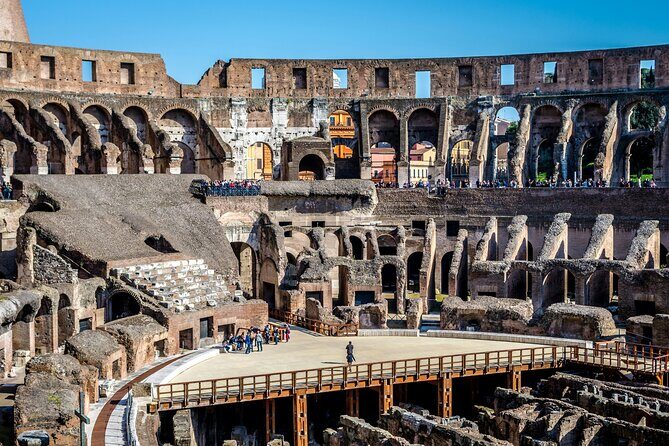
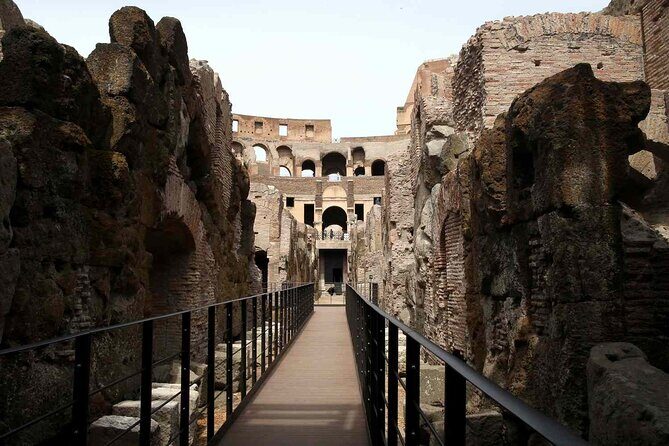
The Colosseum is one of those places where your brain expects one view—outer walls, big arches, sunlight, crowds. Then you go underneath, and the whole experience changes texture. You move through underground passageways and chambers that were part of the machine behind the show.
What makes this tour compelling is that it’s not only about walking around ancient stone. You’re learning how events were staged: where performers waited, how space was managed, and why certain corridors mattered. You’ll feel the Colosseum as an operational venue, not just a monument.
You also get a chance to walk in the arena area, which brings the scale into focus fast. It’s one thing to look at the Colosseum from the outside. It’s another to be on the level where the drama played out.
You can also read our reviews of more tours and experiences in Rome.



From Arch of Constantine to the arena: your tour flow in 3 hours
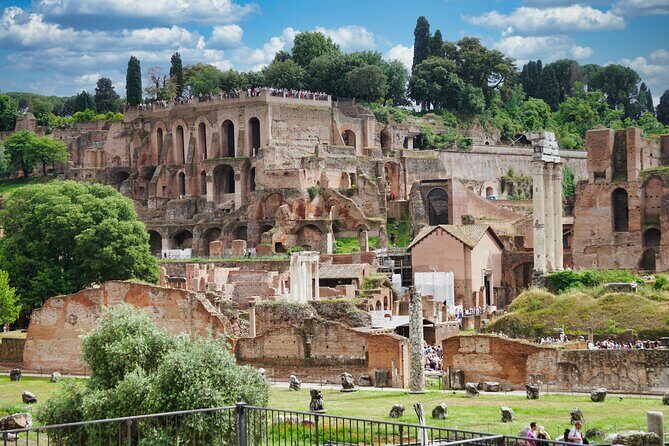
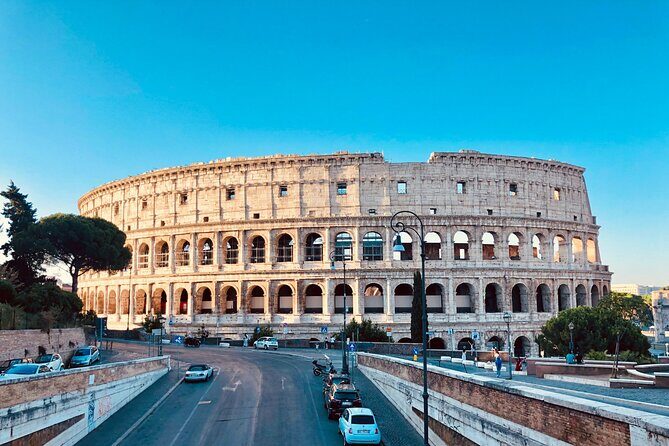
You start at the Arch of Constantine area on Piazza del Colosseo, and the tour ends at the Roman Forum. That matters because you’re not just doing a standalone Colosseum visit—you’re finishing in the wider historic center, where you can keep going.
The total time is about 3 hours, with the underground ticket portion listed at 1 hour 10 minutes. That timing is useful to know because you’ll feel the structure of the visit: a guided sequence into the underground areas, then time in the Colosseum arena spaces, and finally your transition out toward the Forum.
This is also an English tour with a mobile ticket. In Rome, that’s a practical win. Less printing, fewer last-minute issues when you’re already navigating streets and crowds.
Stop 1 at the Colosseum: tunnels, chambers, and the staging of a show
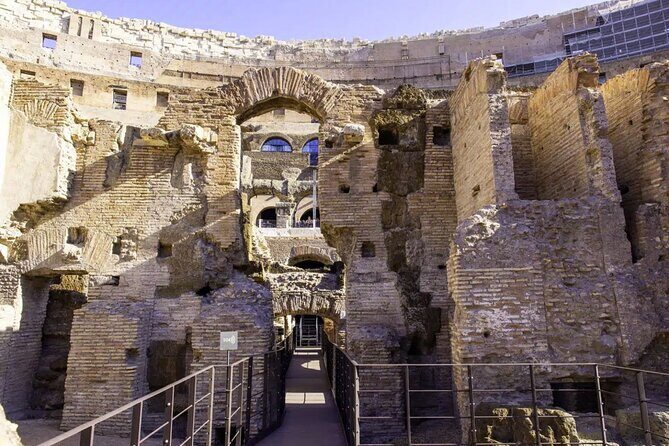
The core of the experience happens at the Colosseum. You descend into the hidden areas beneath the amphitheater and follow a guided route through the systems that made the spectacle possible.
Here’s what you can expect, in plain terms:
- You’ll walk through an intricate network of tunnels and passageways tied to the preparation phase of events.
- You’ll learn about the mechanisms used to bring animals up onto the arena floor.
- You’ll stand in parts of the Colosseum that explain what the public didn’t see from their seats.
This is the kind of information that pays off when you’re looking at Roman engineering and performance design. Once you understand the underground flow, the Colosseum above starts making more sense. Doors, corridors, and levels stop being random architecture and start looking like a real workflow.
You’ll also spend time in the arena space itself. That’s where the emotions of the place land. You’re not looking up at history—you’re standing in the same footprint where people confronted fear and risk as part of the show.
Gladiator viewpoint photos: why this angle is worth it
One highlight that sounds simple but lands well is the chance to take photos from a gladiator’s viewpoint. It’s easy to oversell photo spots, but this one changes your mental picture.
From that perspective, the arena feels less like a museum floor and more like a stage. You can imagine how the crowd looked, where the commotion would have been, and how the performers would have been positioned before moving out.
If you’re traveling with a phone camera and you want a few strong shots without waiting forever, this is a good moment to use your time well. I’d treat it as a mini photo session: quick, steady, and focused on your angle rather than trying to capture everything at once.
The animal-lift machinery: how spectacle became logistics
A big part of the underground experience is the explanation of the mechanisms that brought wild animals up to the arena floor. This is the kind of detail that might sound technical, but it connects directly to why the Colosseum became famous.
You’re seeing how spectacle was engineered as logistics. Before the audience ever reacted, the venue had to move animals and props through controlled routes. Underground spaces allowed timing, protection, and staging. Then the arena floor became the dramatic reveal.
If you like ancient history that includes systems and not just stories, you’ll appreciate this. It’s one thing to hear that games happened. It’s another to understand how the venue could pull off the timing and movement.



Guide quality is the difference: Amanda’s impact (and what to look for)
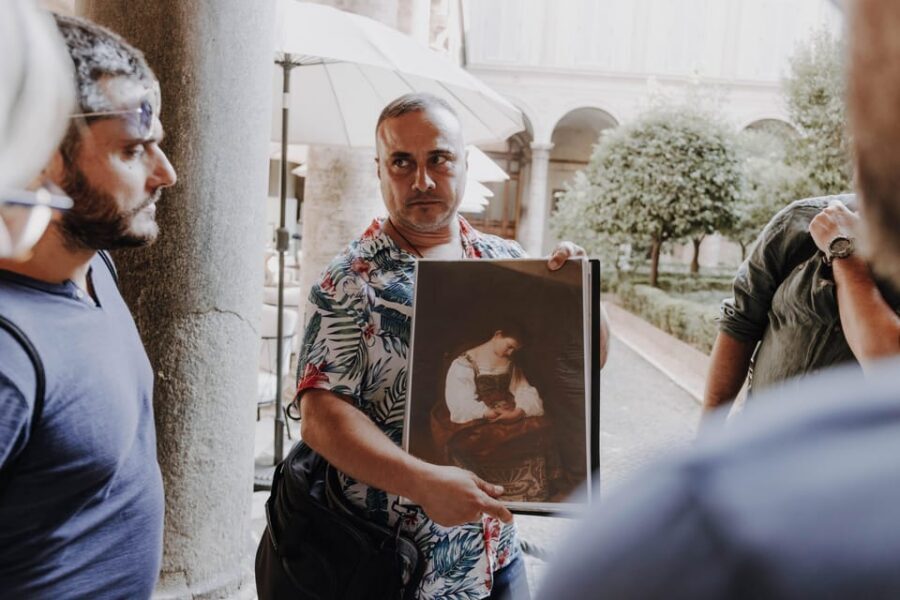
This tour is led by expert guides, and the experience can feel very different depending on the person talking. In particular, Amanda has been singled out for making the visit unforgettable—knowledgeable, and genuinely fun.
That kind of guiding matters because the underground spaces can be visually confusing if you’re on your own. Good interpretation helps you connect the dots: what corridor relates to waiting areas, why certain points were important, and how the floor-level event related to the underground workflow.
When you’re booking, look for that guide-led format and the small group size. With a maximum of 16 travelers, questions are more likely to be heard and answered instead of getting squeezed out by the crowd rhythm.
Forum and Palatine Hill access: what you can do next
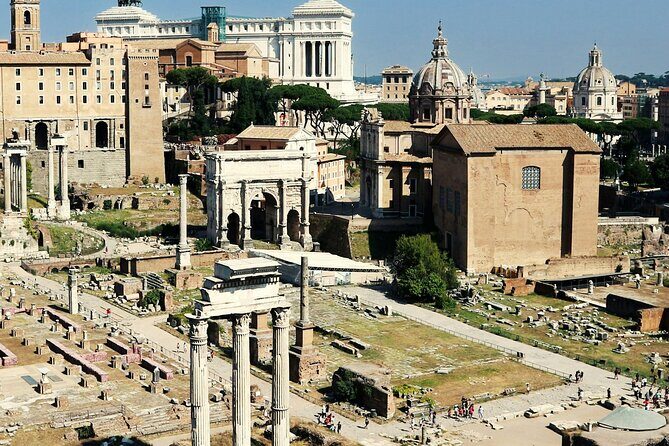
The tour finishes at the Roman Forum, and the overall experience includes access to the Forum and Palatine Hill. Even if your main focus is the Colosseum underground, this add-on is a smart way to turn one “big ticket” visit into a longer day in the heart of ancient Rome.
Why this works: the Colosseum is dramatic, but it’s also easier to understand once you connect it to the political and everyday layers of the city. The Forum and surrounding areas help you shift from performance space to public life.
Practical mindset: give yourself enough time after the tour to keep walking. The experience ends at the Forum, so you’ll be in the right zone to continue without backtracking.
Price check: is $216.70 good value for this experience?
At $216.70 per person, this isn’t a budget add-on. But for what you’re getting, it can still make sense—especially if you want the underground areas and guided arena time rather than just standing in the main oval.
Here’s what you’re paying for, in value terms:
- Underground admission tied to the Colosseum experience (the underground portion is listed at 1 hour 10 minutes).
- Arena-level walking with a guide who explains what you’re seeing.
- Forum and Palatine Hill access that extends your day in the historic core.
- A small group cap of 16, which usually improves your pacing and questions.
If you’d rather see the Colosseum only from the standard viewpoint and spend more time wandering at your own speed, the underground focus can feel like extra cost. One person described the underground portion as unnecessary for them. That’s a good reminder to match your interests: this tour is for people who want the behind-the-scenes Colosseum.
My take: if underground history is your thing, the price starts to feel fair. If you’re mainly craving postcard views, you might want to plan expectations carefully.
Practical tips so the underground part feels comfortable
This tour calls for moderate physical fitness. That doesn’t mean you need to be an athlete. It does mean you should plan for uneven ancient surfaces and stairs that can feel more intense underground than above.
A few practical moves help:
- Wear comfortable closed-toe shoes with grip.
- Keep your phone camera ready, but don’t rush the walking shots—use the viewpoint moment intentionally.
- If you’re sensitive to tight spaces, treat the underground route as the main event and go in mentally prepared.
Also note: it’s described as near public transportation. Rome can be unpredictable on foot. Being close to transit helps you avoid stress before the meeting.
One more thing: the experience uses a mobile ticket and you’ll receive confirmation at booking. That reduces friction on arrival, which matters when you’re trying to meet on time.
Who should book (and who might not love it)
This is a strong fit for:
- People who enjoy how things worked, not just what famous people did
- Travelers who like guided explanations in a small group
- Anyone who wants a memorable, photo-friendly perspective from the arena level
It might be a poor fit for:
- People who want only the above-ground Colosseum experience and don’t care about underground mechanics
- Anyone who dislikes structured tours and would rather wander entirely on their own
- Travelers who strongly rely on flexibility, since this booking is non-refundable and can’t be changed
If you’re traveling with family, think about the kids’ patience level too. The group is small, but the underground portion still demands attention and walking.
Should you book this Colosseum Underground tour with Forum and Palatine Hill access?
Yes, if you want a guided, backstage look at one of Rome’s biggest icons—and you’re happy paying for the underground access and the arena time. The best part is the way the tour turns architecture into an explanation of staging: the tunnels, the corridors, and the mechanisms that made the show run.
I’d book it if you can handle moderate walking and you like learning from a guide who can make the details click. Amanda’s style gets praise for a reason: it changes how the underground spaces feel.
Hold off if your goal is mostly standard photo ops and you’re not that interested in underground logistics. In that case, you may feel the underground portion adds cost without matching your personal priorities.
Either way, pair it with plans for the Roman Forum afterward. The ending point is set up for that next step, and the Forum/Palatine Hill access helps you turn one landmark visit into a fuller slice of ancient Rome.
FAQ
How long is the Colosseum Underground Tour?
The tour is approximately 3 hours.
Is admission included?
Yes. The admission ticket for the Colosseum underground portion is included, listed as 1 hour 10 minutes.
Where does the tour start and end?
It starts at the Arch of Constantine (Piazza del Colosseo) and ends at the Roman Forum area.
What language is the tour offered in?
The tour is offered in English.
How many people are in the group?
The maximum group size is 16 travelers.
Is this tour suitable for everyone physically?
It’s listed as requiring moderate physical fitness.
What is the cancellation policy?
This experience is non-refundable and cannot be changed for any reason.