REVIEW · VITERBO
Viterbo: City Card with Access to Six Attractions
Book on GetYourGuide →Operated by VICARIATO DI ROMA - O.R.P. · Bookable on GetYourGuide
Viterbo is a smart escape from Rome. This Viterbo city card packs priority access to major landmarks in a medieval town about an hour north of Rome, famed for being the papacy’s seat in the 1200s. You’ll also get a practical, self-guided structure so you can focus on the places you actually came for, not guesswork.
Two things I really like are the skip-the-ticket-line advantage for the Palace of the Popes area, and the chance to spend real time in the Rossi Danielli Civic Museum setting—inside the cloister and annexed spaces connected to Santa Maria della Verità. It’s one of those “look up and everything feels older” museum visits.
The big thing to consider: not every stop is guaranteed to be open exactly as expected. The Civic Museum is listed as momentarily closed for restoration work, and the card only applies during specific seasonal hours, so I recommend you confirm openings for your exact days before you plan your route around six sites.
In This Review
- Key highlights to decide fast
- Viterbo in two days: why this pass works (when it’s open)
- How the value holds up
- What the ViterboPass includes (and what that means in real life)
- Palazzo dei Priori: fresco rooms and the “politics of art”
- The Museum of the Porticoes connection
- What to watch for
- Palace of the Popes and Colle del Duomo: where Viterbo’s papal story comes alive
- Why priority access matters here
- Plan for good pacing
- Rossi Danielli Civic Museum: gothic cloister atmosphere (and why that setting matters)
- Where to find it
- Important drawback: it may be closed
- Museum of Ceramics and the Facchini di Santa Rosa: craft and local ritual
- Museum of Ceramics
- Museum of the Sodality of the Facchini di Santa Rosa
- When these are open
- Teatro dell’Unione: one beautiful interior you should not skip
- Hours note
- Timing and logistics: avoid the day-killer surprises
- Exchange your voucher first
- Seasonal hours and closures are real
- Accessibility: check both notes
- Price and value: when $27 makes sense and when it doesn’t
- Who this pass suits best
- Should you book the Viterbo City Card?
- FAQ
- What is the price and duration of the ViterboPass?
- What attractions are included with the pass?
- Do I need a guided tour?
- What do I do at the start of my visit?
- Are there specific opening days and hours?
- Is lunch included?
- Is it wheelchair accessible?
- Can I cancel?
Key highlights to decide fast
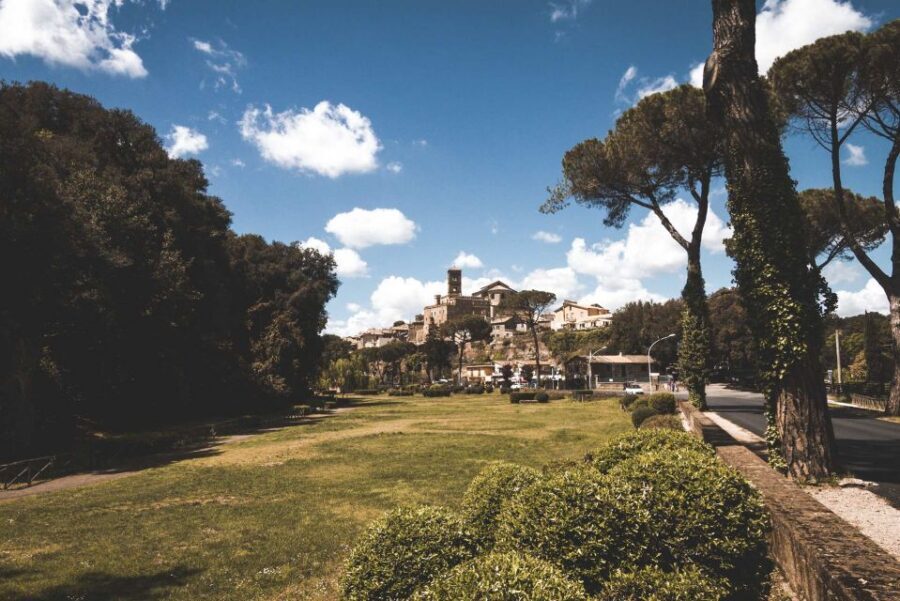
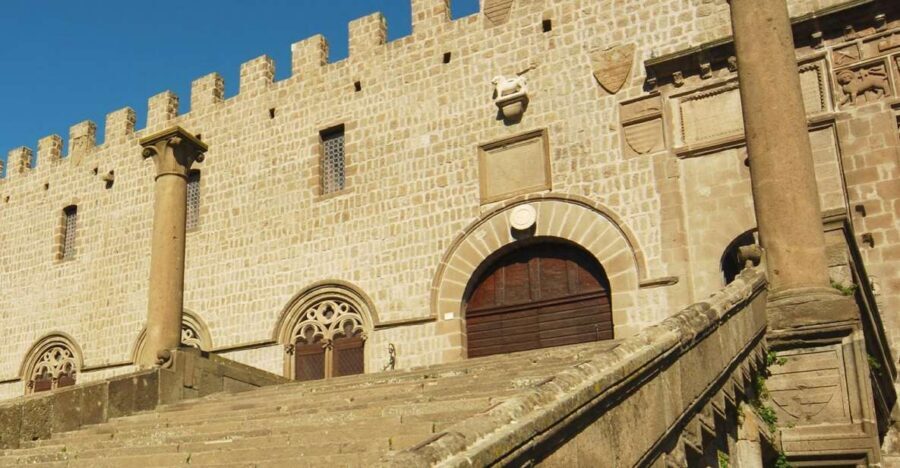
- Skip-the-line priority at the Palace of the Popes complex
- Palazzo dei Priori with frescoes from the 1500s and the Museum of the Porticoes
- Rossi Danielli Civic Museum in the cloister/convent annex mood (Santa Maria della Verità area)
- Papal centerpiece sites: Palace of the Popes plus Cathedral and Museum Colle del Duomo
- Local culture stops: Museum of Ceramics and the Santa Rosa facchini sodality museum
- Teatro dell’Unione for a standout theater moment in Lazio
Viterbo in two days: why this pass works (when it’s open)
If Rome feels like nonstop lines, Viterbo is a breather. The town sits in Lazio, close to Lago di Bolsena, and it has a medieval feel that’s easier to take in at walking pace. Even better, Viterbo is historically tied to the papacy in the 13th century—at one point it was the seat of papal power for two decades—so your sightseeing has a clear story thread.
This pass is designed for travelers who want a focused “greatest hits” plan instead of building an itinerary from scratch. It’s not a guided tour. It’s more like a smart key that gets you inside (or through lines) for major stops, then lets you wander through the details on your own.
You can also read our reviews of more tours and experiences in Viterbo.
How the value holds up
At around $27 per person, you’re paying for two things:
- Priority access that can save time at one of the most in-demand complexes.
- A bundle approach to multiple attractions across a compact area.
Where value can drop: if a couple of sites are closed that day (especially for restoration), you may end up wishing you’d bought single tickets instead. The good news is that Viterbo is small enough that even a partial plan still feels satisfying—you just need to plan smarter.
What the ViterboPass includes (and what that means in real life)
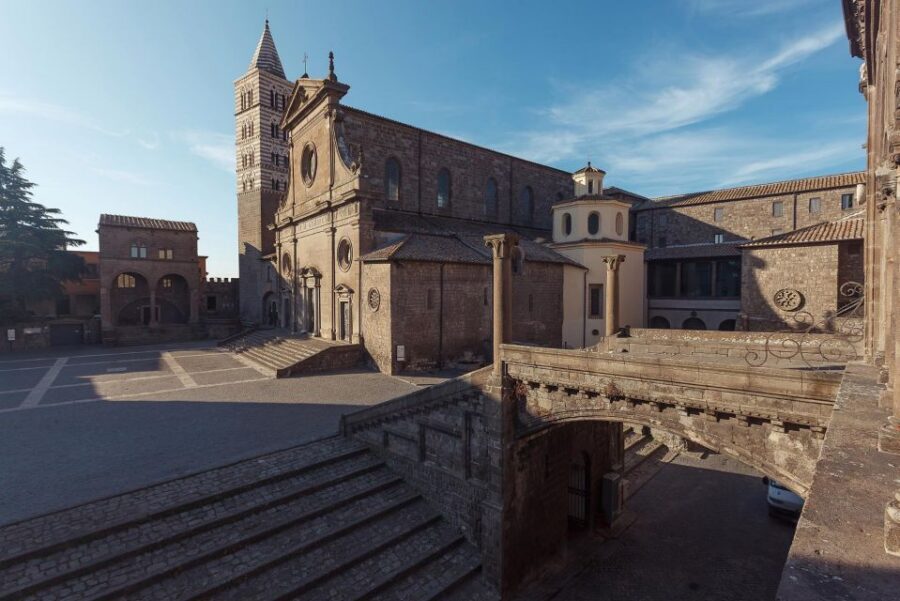
Your ViterboPass covers access to six landmarks, with priority entry noted for key papal sites. The included places are:
- Palace of the Popes, plus the Cathedral and the Museum Colle del Duomo
- Palazzo dei Priori (including the Museum of the Porticoes)
- The Rossi Danielli Civic Museum (listed as in the headquarters in Crispi Square, and also described as set in/connected to the cloister and annexed areas tied to Santa Maria della Verità)
- Museum of Ceramics
- Teatro dell’Unione (the Union Theater)
- Museum of the Sodality of the Facchini di Santa Rosa
You also get a time window—valid for 2 days—so you’re not stuck cramming everything into one morning.
One practical note: lunch isn’t included, so build in time for a proper meal nearby rather than trying to eat on the move between sites.
Palazzo dei Priori: fresco rooms and the “politics of art”
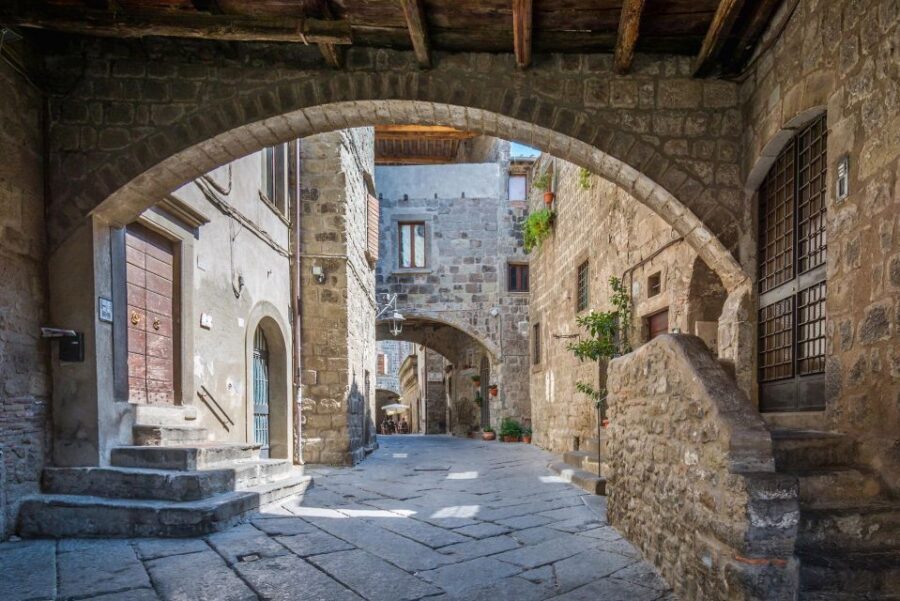
The Palazzo dei Priori is a great first stop because it sets the tone for Viterbo: civic power, religious influence, and art all mixed together.
You’ll be looking for the frescoed interiors (listed as frescoes from the 1500s), and it’s worth slowing down here. In towns like this, the art isn’t just decoration—it’s part of how authority presented itself.
The Museum of the Porticoes connection
The card also includes the Museum of the Porticoes linked with this building. Porticoes are a big deal in central Italy: they’re where people passed through every day, and in a medieval town, those covered spaces often help you sense how daily life moved. Even if you’re not a “museum person,” this is the sort of stop that helps you understand the city’s rhythm fast.
What to watch for
This site is listed with set seasonal hours and a Tuesday closure. That means your route should avoid Tuesdays if you want a smoother flow.
Palace of the Popes and Colle del Duomo: where Viterbo’s papal story comes alive
If Viterbo is the calmer alternative to Rome, the Palace of the Popes is the reason. This is the center of religious life in town, and it’s tightly connected to major papal events.
Two specific details make this stop especially compelling:
- It’s tied to the long papal chapter known as the first and longest Conclave in history.
- You’ll also have access to the Cathedral and the Museum Colle del Duomo as part of this complex.
Why priority access matters here
This is one of those sites where crowds can be unpredictable, and lines can eat into your time. The pass is built to help you skip the ticket line for at least the key papal entry point, which is exactly where time savings feel real.
Plan for good pacing
Give yourself enough time to move between the palace area and the cathedral/museum connections without rushing. Even a “quick” visit can turn into a longer one because the architecture and layout are meant to be read slowly.
Rossi Danielli Civic Museum: gothic cloister atmosphere (and why that setting matters)
The Rossi Danielli Civic Museum is one of the best reasons to pick a pass instead of only walking the big exterior views.
The museum’s setting is described as being in the cloister and convent annexed spaces tied to Santa Maria della Verità. In plain terms: the architecture is part of the exhibition. Cloisters create quiet “stop and look” conditions that you don’t get in a typical modern museum hall.
Where to find it
The pass information points you to the civic museum’s headquarters in Crispi Square. That’s important because it affects your day plan. If you’re mapping your route, set this museum as a fixed anchor point, then build the rest around it.
Important drawback: it may be closed
The Civic Museum is momentarily closed for restoration work. That’s not a small detail. If the museum is shut during your dates, you may want to adjust expectations and prioritize other stops that day.
Museum of Ceramics and the Facchini di Santa Rosa: craft and local ritual
Two included stops lean into the local side of Viterbo: ceramics and the tradition tied to the Santa Rosa facchini.
Museum of Ceramics
This one is a solid choice when you want something practical and hands-on-feeling. Ceramics are made to last, and in Italy they often connect to regional styles and everyday life. If you’re choosing between “another church” and “something different,” this is usually the better balance-maker.
Museum of the Sodality of the Facchini di Santa Rosa
This is where Viterbo shows its personality through tradition. The Sodality of the Facchini di Santa Rosa museum gives you a lens into a cultural ritual tied to the city. Even if you don’t know the story yet, the museum format helps you understand why local identity sticks so hard in places like this.
When these are open
Hours are split by season for at least some sites. For example, the Museum of Ceramics is listed for October 1 to March 31, with hours on Friday to Sunday. If you’re traveling outside those dates, treat the included schedule as a starting point and confirm on your side before committing.
Teatro dell’Unione: one beautiful interior you should not skip
The Teatro dell’Unione (Union Theater) is listed as one of the most beautiful Italian theaters in Lazio. That matters because theaters can be surprisingly memorable even when you’re not a theater person.
You’re imagining the audience in awe—fair. The setting is meant for that effect. It’s also an easy win for a rainy day or a “we walked enough streets” moment.
Hours note
This theater runs Tuesday through Saturday, with a schedule that includes a morning/afternoon window. If your plan includes a Tuesday, this can still help you keep momentum, even when other sites are closed.
Timing and logistics: avoid the day-killer surprises
Here’s what you need to know so the pass doesn’t feel like a headache.
Exchange your voucher first
You must exchange your voucher at the ticket counter before the visit begins. That means you shouldn’t show up minutes before your first entry time and wing it. Build in time to convert your voucher into the usable pass setup.
Seasonal hours and closures are real
The pass hours are listed for November 4 to March 31, 2025, and it’s closed on Tuesdays for at least the Palace of the Popes/Cathedral/Museum Colle del Duomo portion and the Palazzo dei Priori portion. Meanwhile, other venues have their own specific patterns.
The takeaway: don’t plan a “six stops in one sprint” plan unless you’ve checked the opening situation for your actual day.
Accessibility: check both notes
The card is described as wheelchair accessible, but it’s also marked not suitable for people with mobility impairments. That contradiction means you should confirm accessibility details for your needs directly before you go.
Price and value: when $27 makes sense and when it doesn’t
Let’s be honest about the math.
At $27 per person, the pass can be a good deal because you’re bundling multiple locations and getting priority entry where it counts. That’s the part that saves time, especially around the Palace of the Popes complex.
But the value can flip fast if:
- One or more key sites are closed for restoration during your dates (the Civic Museum is specifically flagged as temporarily closed).
- Your visit day doesn’t line up with the schedule windows for each venue.
- You end up needing to buy individual tickets anyway.
In practice, I’d treat this pass as a great option if you’re going in the season where most sites are running, and you’ll keep your plan flexible. If your trip depends on hitting every single one of the six no matter what, you’ll want a backup plan ready.
Who this pass suits best
This works well for:
- Travelers who want a tight, self-guided itinerary without paying for separate tickets everywhere.
- People who enjoy art and architecture—especially civic palaces and church-adjacent spaces—where the setting does a lot of the storytelling.
- Anyone looking for the papal connection without the Rome chaos.
It’s less ideal if:
- You need a guaranteed schedule for every stop regardless of restoration closures.
- You’re traveling on a Tuesday and want all sites to be available.
- You’re planning to rely on the Civic Museum specifically, since it’s listed as temporarily closed for restoration.
Should you book the Viterbo City Card?
Book it if you want a time-saving way to hit Viterbo’s best indoor stops, you’re comfortable planning around seasonal hours, and you’re happy to enjoy a mix of palaces, museums, theater, and local tradition.
Skip it (or consider a more flexible ticket approach) if your visit is tightly date-dependent and you’re counting on all six sites being open. In that case, the smartest move is to confirm what’s operating on your exact days before you lock into a full bundle.
If you go in with that mindset, you’ll get what Viterbo does best: fewer crowds, real medieval feel, and a papal story you can actually walk through.
FAQ
What is the price and duration of the ViterboPass?
The city card is listed at $27 per person, and it’s valid for 2 days.
What attractions are included with the pass?
Included sites are the Palace of the Popes (plus the Cathedral and Museum Colle del Duomo), Palazzo dei Priori (with the Museum of the Porticoes), the Civic Museum (Rossi Danielli), the Museum of Ceramics, the Teatro dell’Unione, and the Museum of the Sodality of the Facchini di Santa Rosa.
Do I need a guided tour?
No guided tour is included. This is a pass-style experience with access to the listed attractions.
What do I do at the start of my visit?
You must exchange your voucher at the ticket counter before the tour begins.
Are there specific opening days and hours?
Yes. The Palace of the Popes/Cathedral/Museum Colle del Duomo and the Palazzo dei Priori are listed with set seasonal hours and closure on Tuesdays during the stated period. The other venues also have their own schedules, including different day ranges for some museums and the Union Theater.
Is lunch included?
No, lunch is not included.
Is it wheelchair accessible?
It’s listed as wheelchair accessible, but it’s also marked not suitable for people with mobility impairments. If accessibility is a key concern, confirm details before you go.
Can I cancel?
Free cancellation is listed up to 24 hours in advance for a full refund.