REVIEW · POMPEII DAY TRIPS
Small Group Tour Pompeii and Herculaneum from Rome
Book on Viator →Operated by Rental and Tour · Bookable on Viator
Two cities. One devastating day.
This small-group trip is built for a full, focused day away from Rome: you start with the big, famous sights in Pompeii, then shift gears to Herculaneum, which many people find easier to emotionally connect with because parts feel so well preserved. You also get pickup and drop-off help from central Rome, which makes the morning much less stressful.
I especially love the chance to see Pompeii’s basilica and forum during your time on the ground, not just a quick stop photo tour. And Herculaneum’s ruins hit differently: you’ll be walking among baths and mosaics from the Roman world, with less crowd energy than Pompeii.
One thing to think about: this outing involves navigating uneven ancient surfaces and high stone curbs, so if you have mobility limits or unsteady footing, plan carefully.
In This Review
- Key highlights I’d circle before you go
- A one-day double feature from Rome (and why it works)
- First stop: Pompeii’s basilica, forum, baths, and street life
- What to watch for at Pompeii
- Pompeii upgrade: guided context that turns ruins into real life
- How long you’ll have
- Herculaneum: better-preserved feel, baths, and mosaics
- A practical expectation about guidance
- Getting there: the 7:00 am pickup rhythm and how to plan your day
- Mobile ticket tip
- Shoes, stairs, toilets: the day’s small friction points
- Price and value: is $382.34 worth it?
- Who this Pompeii and Herculaneum day trip suits best
- Should you book this Pompeii and Herculaneum tour?
- FAQ
- What time does the tour start?
- Where do we meet in Rome?
- How long is the Pompeii and Herculaneum day trip?
- How big is the group?
- Is pickup from my hotel included?
- Are admission tickets included?
- Is a guided tour included in Pompeii?
- Will I get a mobile ticket?
- Can I cancel for a full refund?
Key highlights I’d circle before you go
- Two UNESCO-level sites in one day: Pompeii first, then Herculaneum
- Pompeii guided upgrade available if you want sharper context while you walk
- Herculaneum admission is free for this experience, so your second stop is easier to budget for
- Small group size (max 16) keeps it closer to “guided sightseeing” than a moving crowd
- 7:00 am start means you’ll beat a lot of the day’s momentum (and still sleep at night)
- Bring change for restrooms while you’re in Pompeii, just like one helpful guide tip suggests
A one-day double feature from Rome (and why it works)
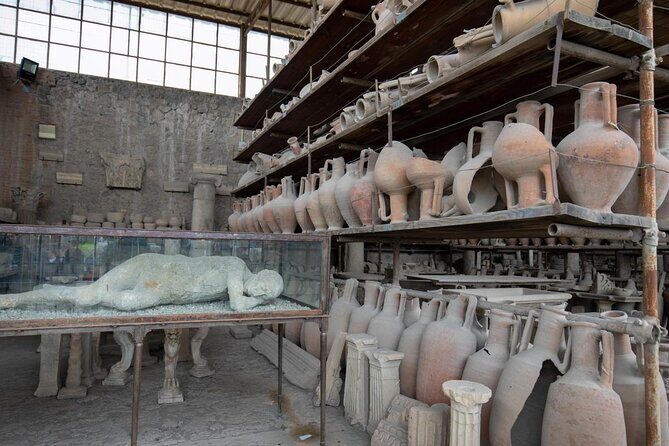
If you’re short on time in Rome, this is one of the most logical day trips you can choose. Pompeii and Herculaneum were both buried by the same volcanic eruption in 79 AD, but they don’t feel the same once you’re inside the ruins. Pompeii gives you the big “public life” markers—forums, temples/church-like basilica spaces, and the scale of the city. Herculaneum feels more human-scale and intimate because you’re seeing streets, shops, and domestic spaces preserved in a different way.
The timing also matters. A roughly 12-hour day with a 7:00 am start sounds early until you realize it’s what makes the visit feel smoother. You’ll arrive while the sites are still getting going, and you won’t waste your whole day stuck in late-day crowds.
This also fits well with how you’ll likely move through the sites: Pompeii rewards structure (a guide helps a lot), while Herculaneum rewards slower attention (especially if you’re not fighting crowds).
You can also read our reviews of more tours and experiences in Rome.



First stop: Pompeii’s basilica, forum, baths, and street life
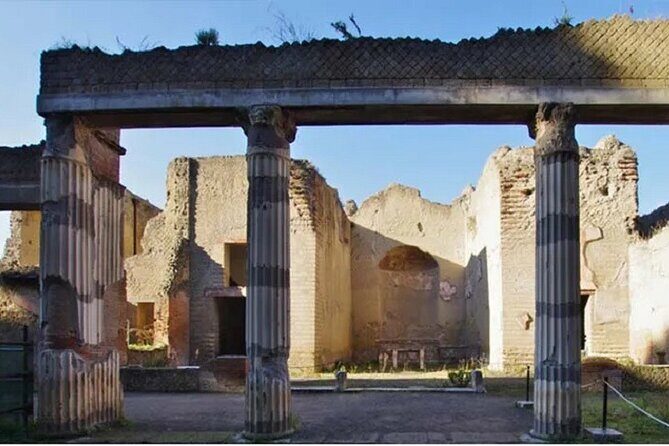
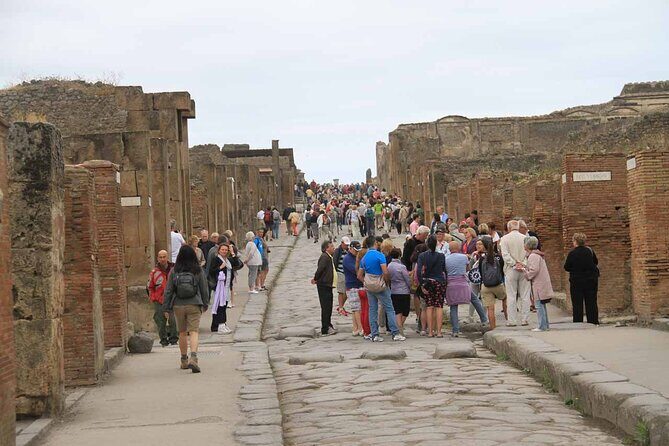
Your Pompeii time is built around the essentials—so you don’t leave feeling like you only saw walls. You’ll walk the Pompeii Archaeological Park and focus on the city’s key public and daily-life spaces. Expect to encounter major landmarks such as the Basilica and the Forum, plus areas connected to daily routine like the thermal baths.
This is one of those places where “ruins” can look random from a distance—until your eyes get taught what you’re looking at. With the right pacing, you can start to connect the dots: where people gathered, where they shopped or worked, how the city handled water and bathing, and how ordinary houses fit into street life.
Pompeii also has scenes that make the past feel bluntly real. You may see more controversial elements like a brothel, plus residential houses that help you picture how private space worked. The point isn’t shock for shock’s sake; it’s that Pompeii gives you the full mix of a Roman city, not just monuments.
What to watch for at Pompeii
There’s a lot of walking on uneven ancient stone. Even if you’re in decent shape, you’ll likely be stepping over different curb heights and ground changes. If you’re traveling with a parent, grandparent, or anyone who’s cautious on stairs and uneven surfaces, this is the moment where you’ll feel it most.
Pompeii upgrade: guided context that turns ruins into real life
This tour is set up so you can upgrade to a guided tour in Pompeii for deeper understanding. That matters because Pompeii is huge, and without context you can end up with a scattered checklist of impressive architecture.
When a guide is doing the work, you start noticing the “how” behind the “what.” You learn what a space was for, what daily rhythms likely looked like, and how the city’s layout shaped life. One guide name that came up is Fabio, who was described as engaging even with a language barrier—plus the practical note that Google Translate helped keep things flowing. In other words: if you’re relying on translation, bring the habit of using it. It can turn a stop from confusing to meaningful.
You don’t have to do the upgrade if you just want to walk and absorb. But if you care about understanding what you’re seeing—baths, public buildings, street commerce—the guided option is where the payoff usually shows up.
How long you’ll have
You get about 3 hours at Pompeii, and that’s enough time to cover a lot without feeling like you’re racing through everything. With a guide, you’ll likely feel like you covered more than the foot-miles would suggest, because you’ll be connecting details as you go.



Herculaneum: better-preserved feel, baths, and mosaics

After Pompeii, you head to Herculaneum, often described as the quieter, lesser-known neighbor. This is where the day can shift from spectacle to intimacy. The ruins here are also tied to the 79 AD eruption, but the surviving structures can feel easier to picture as real homes and public spaces.
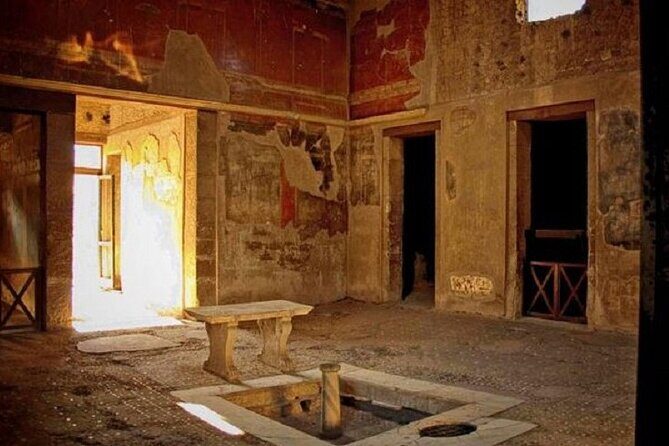
Your Herculaneum time is another 3 hours, with entry described as free for this experience. In Herculaneum, your highlights include baths and stunning mosaics. These are the kinds of details that make the site feel lived-in: you’re not only seeing what buildings looked like; you’re seeing what people paid attention to and what they designed for daily pleasure and routine.
A practical expectation about guidance
The way this trip is structured focuses the upgrade energy on Pompeii. In Herculaneum, you should plan for more self-guided time. If you’re the type who loves commentary and explanations at every turn, you might want to consider hiring a local specialist once you arrive—or at least reading up on a few themes before you go.
Getting there: the 7:00 am pickup rhythm and how to plan your day
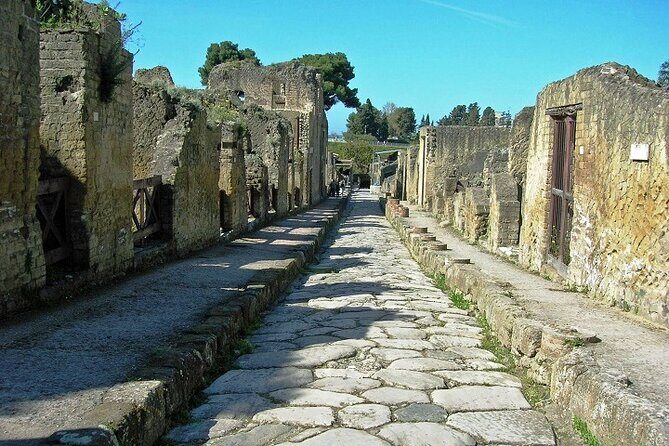
This experience starts at 7:00 am, and the meeting point is Piazza della Repubblica, 48, 00184 Roma. It ends back at the same spot, so you’re not stuck wondering how to get yourself home at the end of a long day.
Pickup is offered, and your pickup time is confirmed the day before. That’s a big deal. With day trips, the difference between a smooth morning and a stressful one is often just whether you get clear timing and a place to be.
The tour is also marketed as a small group with a maximum of 16 travelers. A smaller group generally means fewer delays at entrances and more space to breathe during transitions. One person noted they were in a small van (about 6–7 seats), which suggests the experience may sometimes feel even more intimate than you’d expect from “group tour” wording.
Mobile ticket tip
You’ll use a mobile ticket, which is great for avoiding printed tickets and last-minute searching. Still, I’d keep your ticket easy to access offline. Italy can have patchy signal at the wrong moment.
Shoes, stairs, toilets: the day’s small friction points
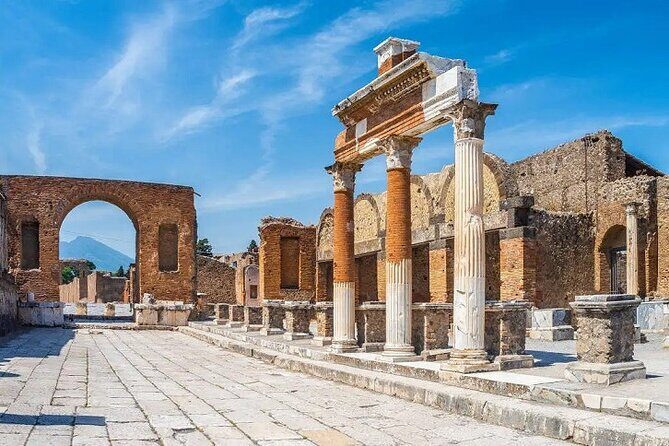
This is where you can win the day by preparing for the reality of walking ancient streets.
- Wear shoes with solid grip. The ground isn’t always uniform.
- Bring water, and plan your breaks. The day is long and the sites are dense.
- At Pompeii, expect toilets to be part of the day’s logistics. One practical suggestion that came up is to bring change for the toilets.
And again, mobility matters. There’s specific mention that people with unsteady footing or foot problems may struggle with the high ancient curbs you’ll cross. You don’t need to be “wheelchair” to feel this—just having to steady yourself again and again can wear you down fast. If you’re traveling with an older relative, test your comfort level with steps before committing to the day.
Price and value: is $382.34 worth it?
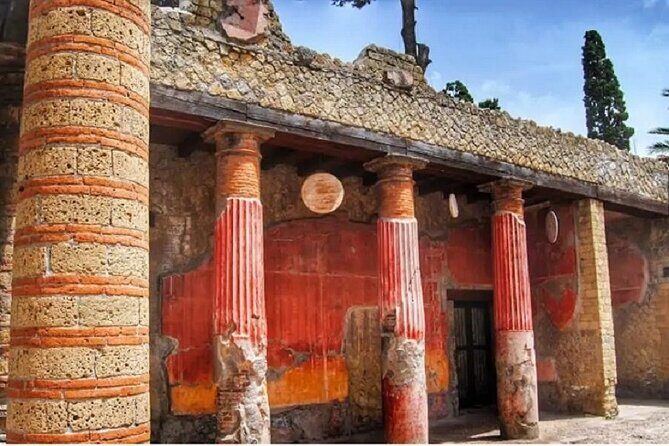
At $382.34 per person, this isn’t the cheapest way to see Pompeii and Herculaneum. But it can be good value because you’re buying three things most independent travelers pay for separately:
- Transportation and timing from Rome: the morning is the hard part, and a set departure helps.
- Time efficiency: two sites in one day saves you the “what else can I do with this drive” problem.
- Pompeii admission included, Herculaneum free: your ticket situation is already handled, at least in terms of entry for both sites (Pompeii included; Herculaneum free for this experience).
Where value can get better is the Pompeii upgrade. If that guided portion matches your style—helping you interpret buildings instead of just photographing them—your “cost per understanding” drops fast.
Where value can feel weaker is if you already know Pompeii well and you prefer to explore quietly without commentary. In that case, you might feel like you’re paying for transport plus time rather than learning.
Who this Pompeii and Herculaneum day trip suits best
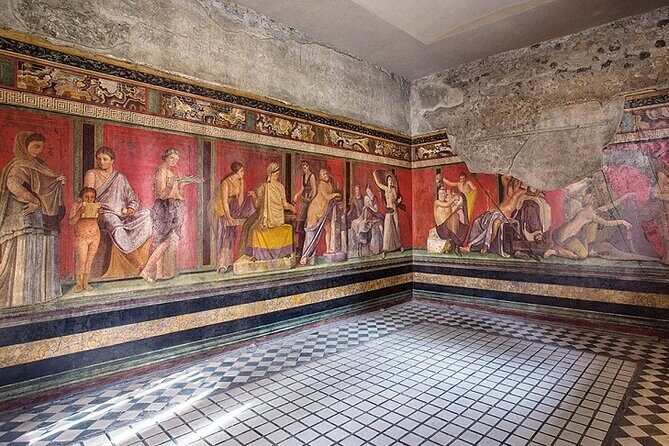
This is a strong match if you want:
- a structured day rather than planning everything yourself,
- a chance to see both cities without overnight logistics,
- the option to add a guided Pompeii segment for real context,
- a small group size that’s not chaotic.
It’s a weaker match if:
- you or a companion struggles with uneven ground and repeated curb-height stepping,
- you need full guidance at both sites and don’t want any self-paced portion,
- you’re sensitive to long mornings and a long day overall.
If your group includes mixed ages, I’d make the mobility decision with care. Pompeii is the likely stress point, not Herculaneum. Choose footwear and pacing like you’re planning for an all-day museum walk, only on stone.
Should you book this Pompeii and Herculaneum tour?
I’d book it if you’re coming to Rome for a limited number of days and you want the most direct way to see the two major 79 AD eruption sites without losing time on planning. The mix of Pompeii’s landmark spaces and Herculaneum’s preserved interiors is the kind of pairing that feels efficient and emotionally complete.
I’d think twice if mobility is a concern. This day involves uneven walking and high curbs, and there’s no way to “smooth it out” once you’re inside the sites.
If you do book, my advice is simple: plan comfortable shoes, consider the Pompeii guided upgrade if you care about meaning (not just photos), and keep your ticket and details ready on your phone.
FAQ
What time does the tour start?
The tour start time is 7:00 am.
Where do we meet in Rome?
The meeting point is Piazza della Repubblica, 48, 00184 Roma RM, Italy.
How long is the Pompeii and Herculaneum day trip?
It runs for about 12 hours.
How big is the group?
The tour has a maximum of 16 travelers, and it starts with a minimum of 2 participants.
Is pickup from my hotel included?
Pickup is offered. The pickup time will be confirmed the day before the trip, and you’ll be asked for your accommodation address at booking.
Are admission tickets included?
Pompeii admission is included. Herculaneum admission is listed as free.
Is a guided tour included in Pompeii?
You can upgrade for a guided tour of Pompeii for deeper insight.
Will I get a mobile ticket?
Yes, a mobile ticket is included.
Can I cancel for a full refund?
Yes. You can cancel up to 24 hours in advance for a full refund. If you cancel less than 24 hours before the start time, the amount paid is not refunded.