REVIEW · MUSEUMS
Rome: Vatican Museum & Sistine Chapel Skip-the-Line Entry
Book on GetYourGuide →Operated by Love Cuore · Bookable on GetYourGuide
One ticket, then you’re in the art.
This fast-track Vatican Museums + Sistine Chapel visit is interesting because it cuts one of the worst parts—time-wasting lines—so you can spend your limited hours in the rooms that actually change how you see Rome. I especially like the Skip-the-line access and the chance to focus on Michelangelo’s Creation of Adam without feeling like you’re sprinting from one highlight to the next. The one drawback to keep in mind: the Vatican uses airport-style security and has a strict dress code, so if you show up in the wrong outfit, the day can feel more annoying than magical.
Plan for a quick, high-impact circuit.
You’re looking at about 2.5 hours, and you’ll move through major stops like the Pio-Clementino, Belvedere Courtyard, Gallery of Maps, and the Raphael Rooms before reaching the Sistine Chapel. Also note: you won’t have a full guide included—your host helps you get started at the entrance (they’ll be holding a Tour Geeky placard)—so you’ll want to come in with a few must-sees in mind.
In This Review
- Key things to know before you go
- Skip-the-Line Entry and Express Security: What Faster Really Buys You
- Vatican Museums in 2.5 Hours: How to See What Matters
- Pio-Clementino and Belvedere Courtyard: Sculpture That Changes Your Sense of Scale
- Gallery of Maps and the Raphael Rooms: Art as Power
- Bramante Staircase and Pinecone Courtyard: The Vatican’s Architecture Works Like Storytelling
- Sistine Chapel: Michelangelo’s Ceiling, Plus the One Thing You Should Expect to Flex
- Price and Logistics: Is $70 Good Value?
- Who This Fast-Track Vatican Visit Suits Best
- Should You Book This Tour?
- FAQ
- How long is the Vatican Museums and Sistine Chapel skip-the-line entry?
- What is included with the ticket?
- Is a guide included?
- What should I wear and bring?
- Can I access the Sistine Chapel for sure?
- Where do I meet the host?
Key things to know before you go
- Express security saves real time so you start seeing art sooner
- Priority entry covers both the Vatican Museums and Sistine Chapel rather than treating them like two separate hassles
- Major collections are built into the route: Pio-Clementino, Belvedere Courtyard, Gallery of Maps, and the Raphael Rooms
- Michelangelo comes with specific scenes you should try to spot: Creation of Adam and The Last Judgment
- Your host meets you at the entrance (Tour Geeky placard), but a guide isn’t included
- Dress code is real: cover knees and shoulders; shorts and short skirts aren’t allowed
Skip-the-Line Entry and Express Security: What Faster Really Buys You
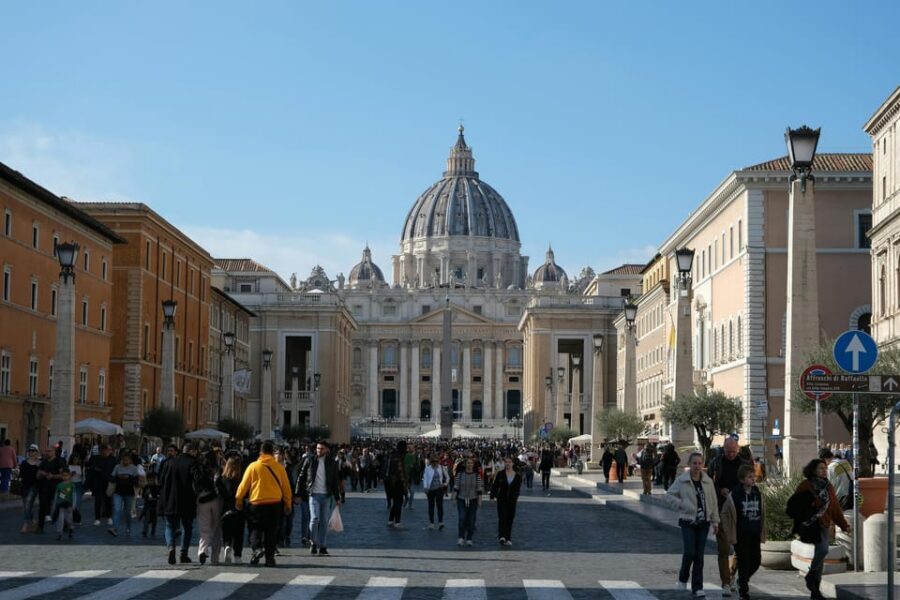
The headline is skip-the-line, but here’s what that means in practice: you’re not just cutting a queue for tickets. You’re also using an express security check, which is often where the delays stack up—bags, lines, and that slow-motion shuffle of people trying to fit everything into the allowed areas.
You should plan to treat the entrance like airport security. Bring a passport or ID card, and expect to be stopped for basic checks before you get inside. If you’re bringing anything like a large bag, plan to leave it outside your travel flow; luggage or large bags aren’t allowed, and that’s one of those “small” rules that can become a big problem if you arrive unprepared.
Dress also matters. You need to cover knees and shoulders—shorts and short skirts are out. This is one of the easiest ways to make the whole experience smoother, because it avoids the back-and-forth of someone having to solve a wardrobe issue at the last second.
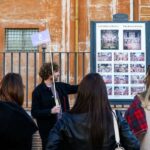
Finally, you’re not meeting a museum professor. Your host will be at the meeting point holding a Tour Geeky placard and will accompany you to the Vatican Museum entrance. That’s helpful if you want a clean arrival, but it also means you’re the one steering your attention once you’re inside.
You can also read our reviews of more museum experiences in Rome



Vatican Museums in 2.5 Hours: How to See What Matters
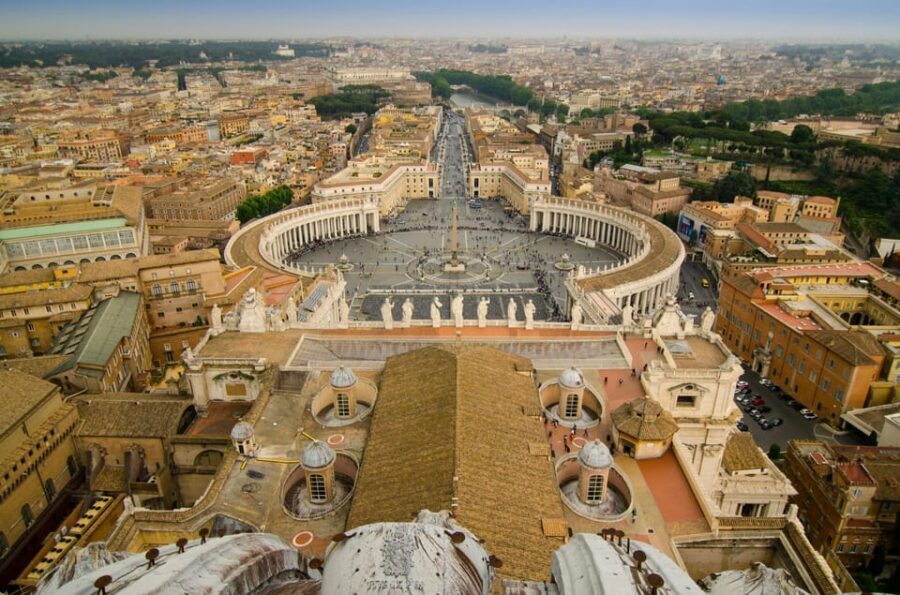
Two and a half hours sounds long until you’re inside the Vatican Museums. The good news is this fast-track experience is designed for a set-time visit, so you’re not trying to win a marathon against the crowd. You get admission, then you explore at your own pace.
That self-paced freedom is a real benefit if you’re the type who likes to stop when something grabs you, rather than following a script. But it also means you’ll want a plan—because without a full guide, you can end up drifting and missing the best moments.
Here’s how I’d structure your priorities in your head before you arrive:
1) Classical sculpture + courtyards to reset your eyes
2) Renaissance rooms where art shifts into storytelling and politics
3) Michelangelo’s ceiling as the climax
Do that, and the visit stops feeling like a list of rooms and starts feeling like a timeline you can actually feel.
You’ll also want to know what’s not guaranteed. Access to the Sistine Chapel depends on Vatican regulations and ceremonies, and the Vatican Museums can close the Sistine Chapel on short notice for official events. The key detail: even if that happens, your ticket still grants access to the Vatican Museums. So you’re buying into the Museums experience either way—you’re just taking a calculated risk on reaching the Chapel at that exact moment.
Pio-Clementino and Belvedere Courtyard: Sculpture That Changes Your Sense of Scale
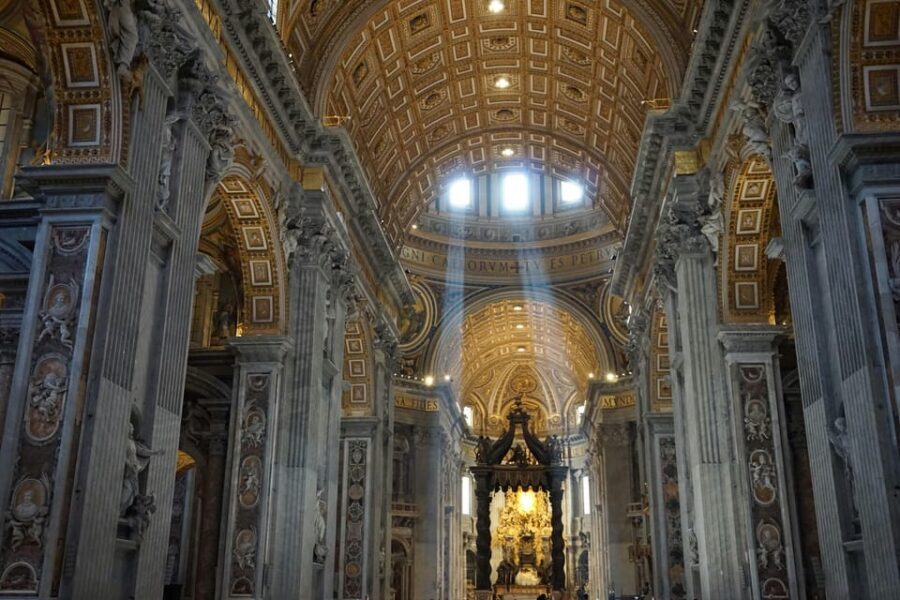
The Vatican isn’t just paintings and ceilings. In the Pio-Clementino and nearby areas, you get the “wow” that comes from scale, posture, and repetition—classic sculpture arranged so your eyes learn how to read bodies and gestures.
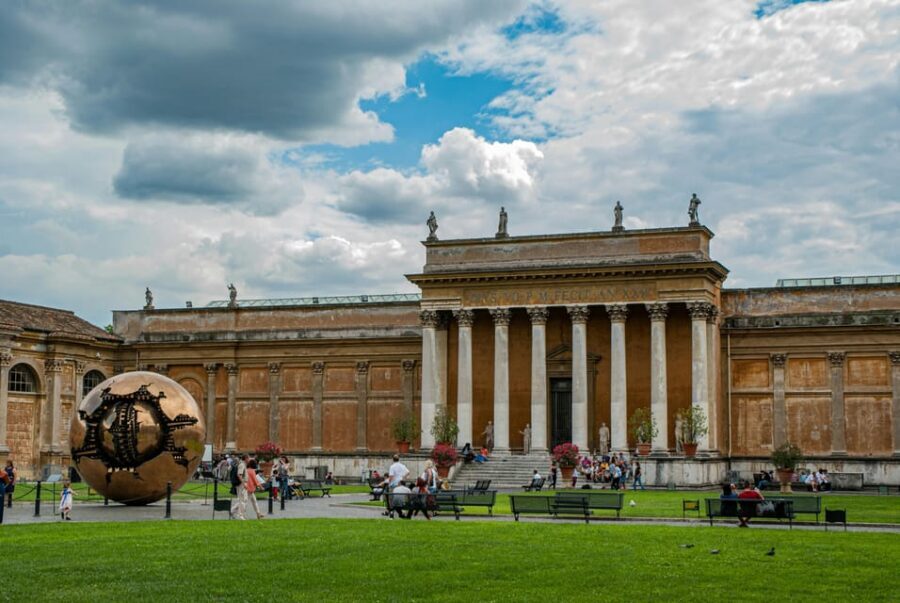
One of my favorite things about spending time in this part of the collection is how it cools down the museum chaos. You’re not stuck in a narrow corridor. You get moments like the Belvedere Courtyard, which is described as serene. Even if you don’t think of courtyards as “art,” they change the mood. They let your brain recalibrate before you head into denser rooms with more paintings and more visual noise.
If you’re a first-time Vatican visitor, this is also where the building starts to make sense. The Vatican Museums can feel like a maze until you start noticing how the museum uses space—courts, stairways, and long sightlines—to guide you. A fast-track entry gives you the time to actually notice that, rather than rushing just to survive.
Gallery of Maps and the Raphael Rooms: Art as Power
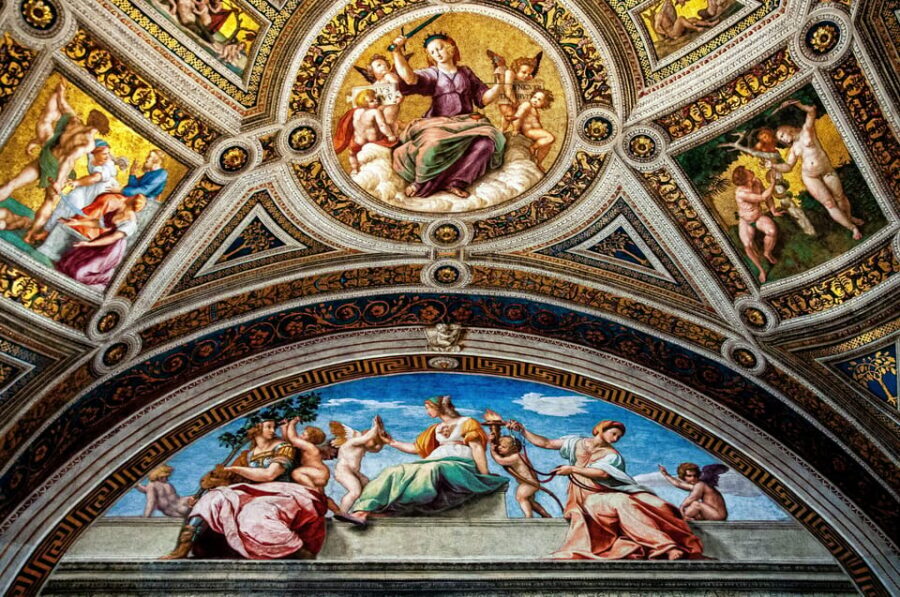
This is where the visit turns from “beautiful things” to “why these people cared so much.” The route includes the Gallery of Maps, plus the Raphael Rooms, which are known for extraordinary Renaissance craftsmanship.
Why you’ll care: these aren’t just decorative pieces. They connect art to politics, learning, and authority. The Gallery of Maps, for example, uses geography as a visual language. You get a sense of how knowledge was displayed—how maps could be treated like a statement about the world and a claim about understanding it.
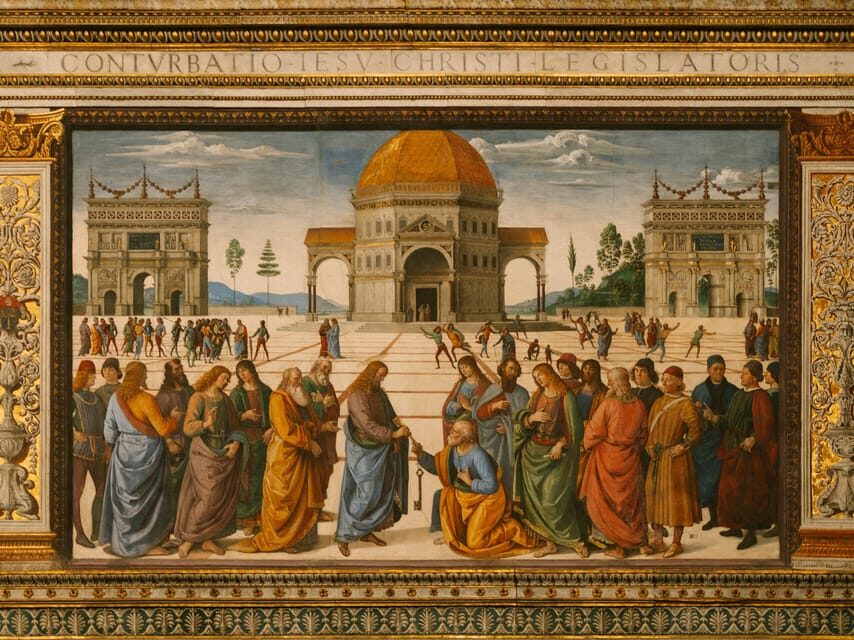
Then come the Raphael Rooms. This is where the Vatican’s artistic ambition becomes obvious. The rooms are meant for serious viewing. You’re surrounded by scenes and structures that look designed to guide your attention—figures, compositions, architectural framing. It’s the kind of art that rewards slowing down just a bit, and the fast-track entry helps because you’re not fighting a clock before you even start.
If you like church history as more than dates on a page, you might also appreciate the way the collection gives a visual understanding of how the Catholic Apostolic Roman Church formed and expressed itself. One of the best values of this visit is that it’s visual. You come away feeling like you saw the church’s story arranged in rooms, not just read about it.
Bramante Staircase and Pinecone Courtyard: The Vatican’s Architecture Works Like Storytelling
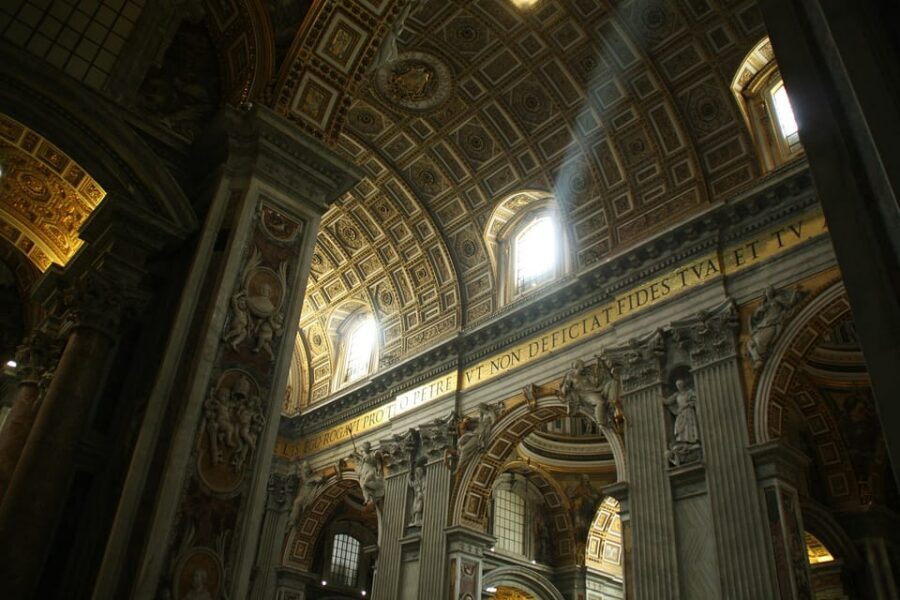
Art gets the spotlight, but Vatican architecture plays along. Two stops called out on this route are the Bramante Staircase and the Pinecone Courtyard.
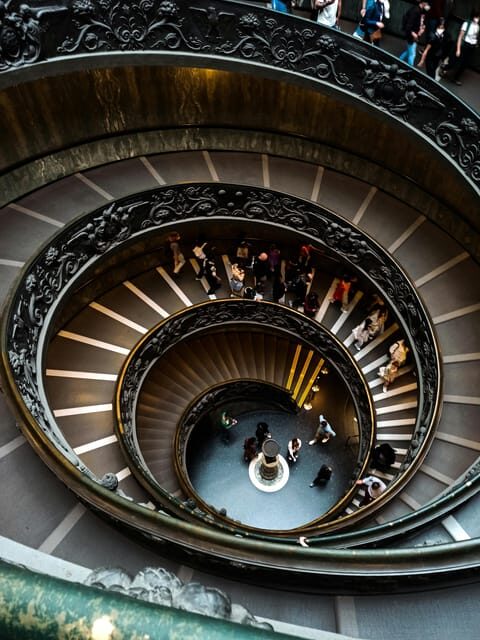
The Bramante Staircase is interesting because it’s a change in tempo. Stairs make you physically move through the site, and that movement matters because the Vatican uses transitions to shape your experience. A staircase isn’t only a way to go up or down—it’s part of the show.
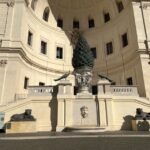
Then there’s the Pinecone Courtyard. Courtyards like this are where the museum feels less like “a place you walk through” and more like “a place you’re inside of.” The pinecone reference gives you a mental anchor so you can orient yourself—again, useful on a tight schedule.
In a short visit, architectural highlights are quietly valuable. They prevent the day from turning into a blur of paintings. They also help you understand why the Vatican works as an experience, not just a collection.
You can also read our reviews of more tours and experiences in Rome
- Skip-the-Line Group Tour of the Vatican, Sistine Chapel & St. Peter’s Basilica
★ 4.5 · 12,779 reviews


Sistine Chapel: Michelangelo’s Ceiling, Plus the One Thing You Should Expect to Flex
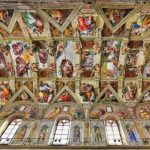
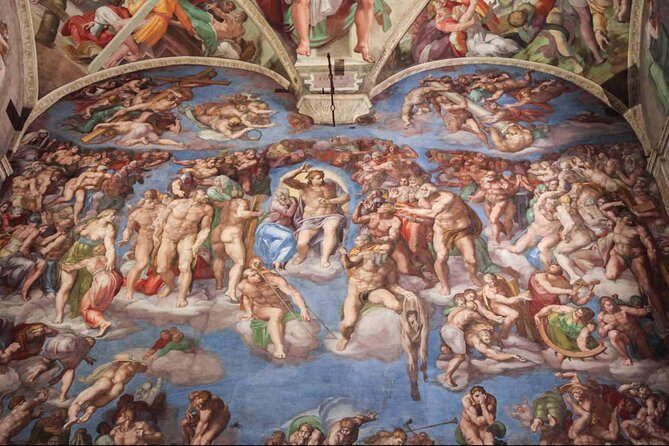
This is the main event: the Sistine Chapel. The highlights listed for this visit include Michelangelo’s The Creation of Adam and The Last Judgment.
Here’s how to make the Chapel work in your favor. Don’t try to “see everything.” Instead, pick a few targets—Creation of Adam first, then move into the larger, more intense scenes from there. When you let your attention lock onto a couple of moments, the ceiling becomes less overwhelming. You stop thinking in terms of area covered and start thinking in terms of detail, gesture, and drama.
Now the important reality check: access isn’t 100% guaranteed in the sense of timing. The Vatican can close the Sistine Chapel on short notice for official events or religious proceedings. That’s not something anyone on your side can control. If the Chapel is closed when you arrive, you’ll still get into the Vatican Museums.
So I’d treat this as: you’re definitely seeing the Museums, and you’re hoping the Sistine Chapel is available when your time slot lands. That approach keeps expectations realistic and stops you from feeling cheated if things shift.
Price and Logistics: Is $70 Good Value?
At $70 per person for about 2.5 hours, you’re paying for two things: saved time and reduced stress. Skip-the-line access is not just a convenience. It’s a quality upgrade when you’re touring in a limited window and you’re dealing with security plus long entrances.
If you’re the kind of person who enjoys queue time as part of travel, you might decide this isn’t worth it. But if your energy is already budgeted—maybe you’ve got a packed Rome plan—then paying for express entry can be the difference between enjoying the art and feeling like you’re always behind schedule.
Also consider what’s included. This ticket includes skip-the-ticket-line access to both the Vatican Museums and the Sistine Chapel. A guide is not included. That means the money isn’t paying for a long spoken narrative during the rooms. It’s paying for a smoother doorway into the best-known sights.
For some people, that’s perfect: you get inside faster and can explore at your own pace. For others, especially if you want someone to interpret the art deeply as you walk, you may want to pair this with additional self-guided reading before you go.
Who This Fast-Track Vatican Visit Suits Best
This experience is a strong match if:
- You want the Vatican’s big-name highlights in one compact session
- You care about Michelangelo and want a practical way to reach the Sistine Chapel area
- You like your art with context, even if you’re exploring on your own pace
- You’re trying to avoid the “I spent my whole morning standing still” problem
It’s less ideal if you need step-by-step accessibility support. The experience is listed as not suitable for wheelchair users, so if mobility is a factor, you’ll want to choose a different option that fits your needs.
Should You Book This Tour?
I’d book this if you’re short on time and you want to protect your energy for the art. The best reason is simple: express security plus skip-the-line entry lets you get into the Vatican Museums without burning your day in controlled chaos. And if the Sistine Chapel is open, you get the ceiling moments—Creation of Adam and The Last Judgment—that people come to Rome for.
I’d think twice if you expect a full guided commentary. Since a guide isn’t included, your success depends on your willingness to steer your own attention through major rooms like the Pio-Clementino, Gallery of Maps, Raphael Rooms, and the architectural highlights.
If you can dress correctly, bring your ID, and keep a realistic mindset about possible Sistine Chapel closures, this is a good way to turn a famous attraction into an actually enjoyable visit.
FAQ
How long is the Vatican Museums and Sistine Chapel skip-the-line entry?
The duration is listed as about 2.5 hours.
What is included with the ticket?
The ticket includes skip-the-ticket-line access to the Vatican Museums and skip-the-ticket-line access to the Sistine Chapel.
Is a guide included?
A guide is not listed as included. Your host will accompany you to the Vatican Museum entrance, and you’ll meet them at the meeting point holding a Tour Geeky placard.
What should I wear and bring?
Bring a passport or ID card. You should cover your knees and shoulders. Shorts and short skirts aren’t allowed.
Can I access the Sistine Chapel for sure?
Access to the Sistine Chapel is subject to Vatican regulations and ceremonies. It can close on short notice, but your ticket still grants access to the Vatican Museums.
Where do I meet the host?
You meet at the designated meeting point where the host will be holding a Tour Geeky placard.
You Might Also Enjoy
More Skip the Line in Rome
- Skip-the-Line Group Tour of the Vatican, Sistine Chapel & St. Peter’s Basilica
★ 4.5 · 12,779 reviews