REVIEW · COOKING CLASSES
Rome: Traditional Cooking Class in the Jewish Ghetto
Book on GetYourGuide →Operated by Gourmetaly - for food lovers only · Bookable on GetYourGuide
Fresh pasta in the Jewish Ghetto feels special. This 3-hour Roman cooking class puts you in the middle of the Jewish Quarter and has you working at dough level, not just watching. You’ll love the practical, step-by-step way the instructors handle fresh pasta from scratch, and you’ll also appreciate how the menu changes with the season (like artichokes in winter or zucchini blossoms in summer). A possible drawback: it is hands-on, but if you expect a “serious school” lecture, this one is more about food, fun, and cooking together.
Here’s the real appeal: you get a local host, a chef who shares trade secrets, wine with the meal, and then the satisfaction of eating what you made. And yes, you’ll walk away with recipes plus a list of ideas for what to try over the next couple of days in Rome.
In This Review
- Key highlights that matter
- Why the Jewish Quarter Is a Great Classroom for Roman Food
- Meeting at Taverna del Ghetto: Getting Oriented Before You Cook
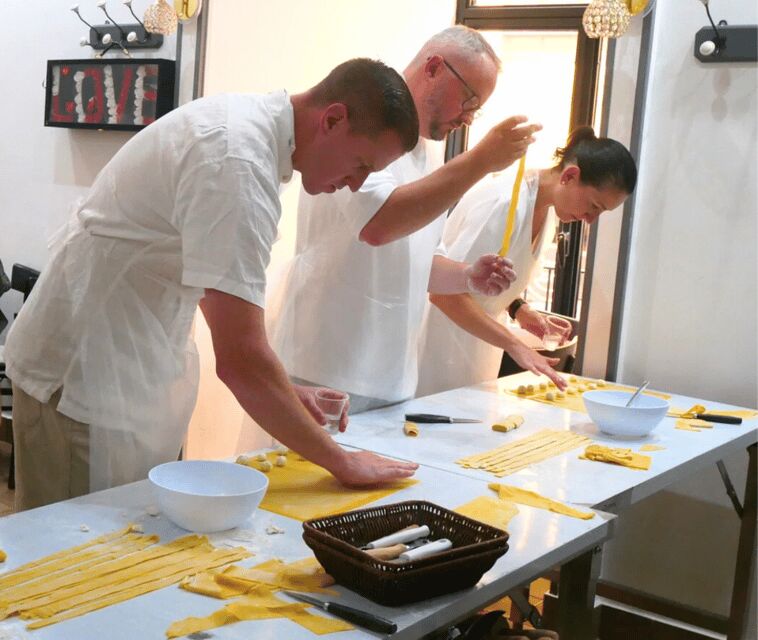
- Hands-On Roman Pasta From Scratch (Not Just Watching)
- Seasonal Roman-Jewish Menu: Artichokes, Zucchini Blossoms, and Fritto Romano
- What You Eat: The 3-Course Meal Plus Wine
- Chef Secrets and Jewish Ghetto Food Stories You’ll Actually Use
- Price and Logistics: Is $94 Good Value for This Class?
- Dietary Limits, Gluten-Free Options, and Who This Fits
- Should You Book This Jewish Ghetto Pasta Class?
- FAQ
- What is the meeting point?
- How long is the cooking class?
- What’s included in the price?
- Is this class kosher?
- Is it gluten-free?
- Are vegan or vegetarian guests welcome?
- Do you get recipes to take home?
- Is it wheelchair accessible?
Key highlights that matter
- Small group (up to 10) means more attention while you work the dough
- Fresh pasta plus Roman specialties made with seasonal vegetables
- Wine and beverages served during the class meal
- Recipes at the end plus a personalized set of tips for your next days in Rome
- Chef-led kitchen access (you can often get inside the restaurant’s kitchen area)
- Seasonal menu themes tied to Roman-Jewish food traditions
Why the Jewish Quarter Is a Great Classroom for Roman Food
Rome has a way of letting history show up in what you eat. The Jewish Ghetto isn’t just a place to point at on a map. It’s where people built a food culture around local ingredients, changing seasons, and everyday cooking habits. That’s why this class works so well: the food lessons connect to place, not just technique.
You start with the vibe of the neighborhood itself. The class is designed to slow you down a bit, so you don’t rush from monument to monument. One review noted that the guide even did a mini tour before the main cooking started. That early orientation helps you understand why certain flavors and dishes show up together in Roman cuisine.
And because it’s Roman cooking, you’ll run into the city’s “less is more” mindset: simple ingredients, good texture, and timing. In other words, it’s the kind of cooking you can actually repeat at home without needing a Michelin star budget.
You can also read our reviews of more cooking classes in Rome


Meeting at Taverna del Ghetto: Getting Oriented Before You Cook
You’ll meet your foodie guide at Restaurant Taverna del Ghetto, right outside the door. This matters more than you might think. Once you’re in the right spot, the rest of the evening tends to feel smooth, with everyone funneling into the same start time and getting placed for the hands-on part.
The class runs with an English live guide. Depending on the session, you may have a host who also translates between you and the chef. Reviews repeatedly mention guide/translator roles like Asia/Azia, Andy, Lilli, Lisa, Livia, Clelia, and Eleonora, and a chef such as Gabriel. Translation support isn’t just a nice-to-have here. When you’re learning dough, small instructions matter.
You’ll also get a sense of the local rhythm. The class description and reviews describe an easy-going tone where questions are welcomed. If you’ve ever been stuck in a cooking class where you feel like you’re slowing everyone down, this one is built to reduce that stress.
Hands-On Roman Pasta From Scratch (Not Just Watching)
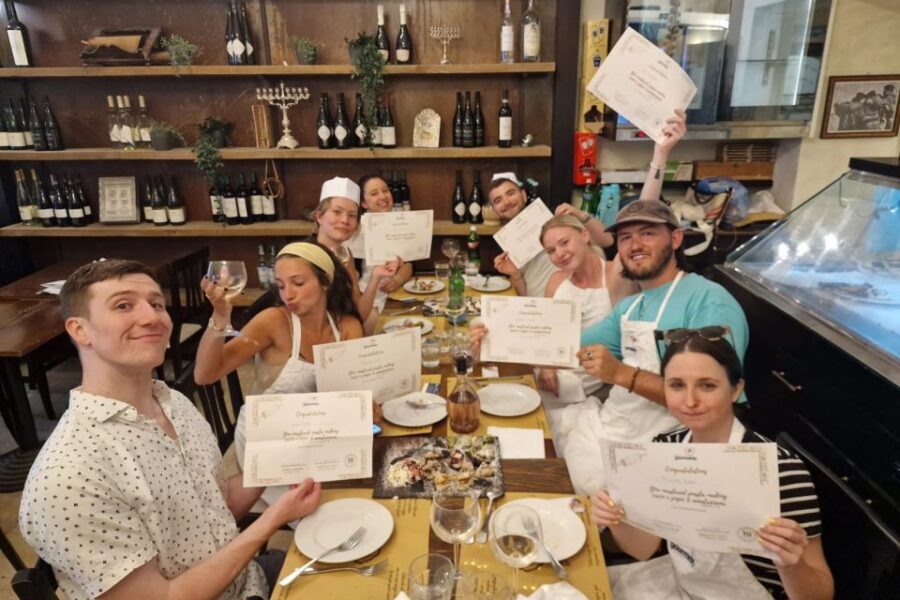
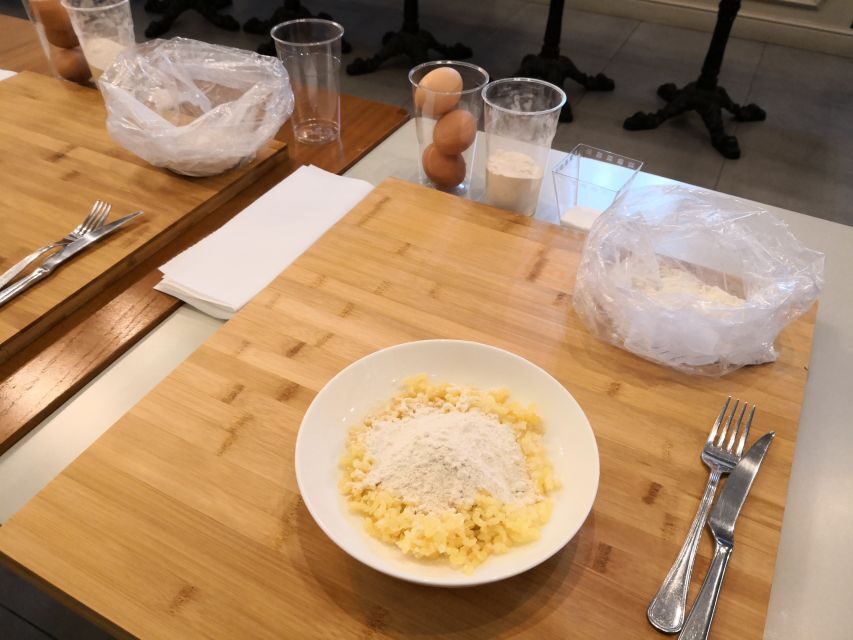
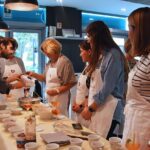
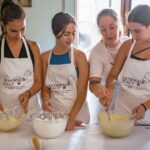
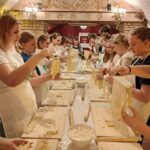
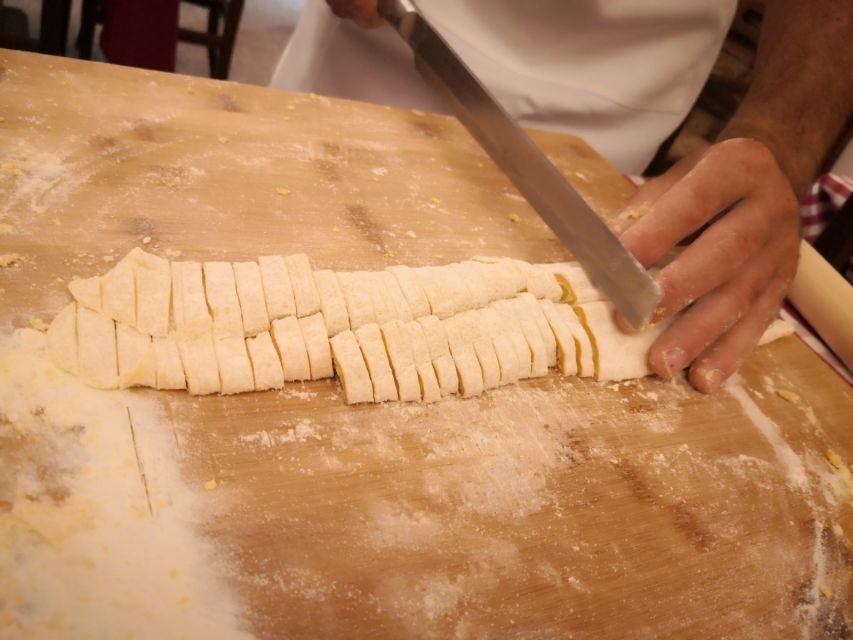
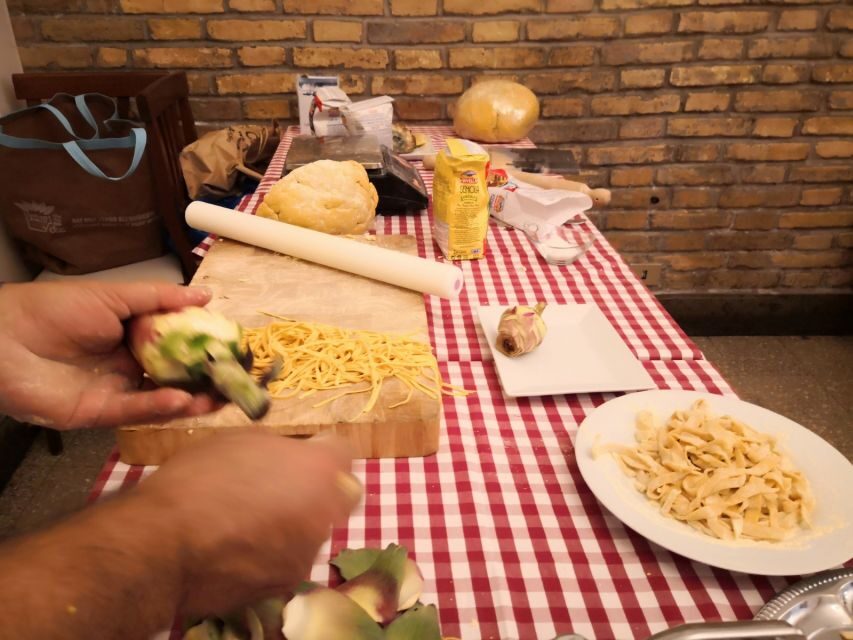
The centerpiece is fresh pasta from scratch. You don’t just assemble a dish; you actually make the dough. That’s the skill you take home, and it’s also the skill you’ll feel while you’re doing it.
In sessions described by guests, the pasta-making includes working with a crank-style machine. You’ll get guidance on flour choice and technique so the dough has the right feel before you roll it and shape it. One key point from the class theme: Roman cooking is about using the right approach for the dish, not about fancy gadgets.
You’ll also learn how to clean and prepare seasonal vegetables for cooking. That’s useful because it connects the pasta to a real Roman dinner, where pasta is only one piece of the table.
About participation: this is hands-on, but you can also watch if you’d rather be more of a spectator. For people who are nervous about frying or dough steps, this flexibility helps a lot.
Seasonal Roman-Jewish Menu: Artichokes, Zucchini Blossoms, and Fritto Romano
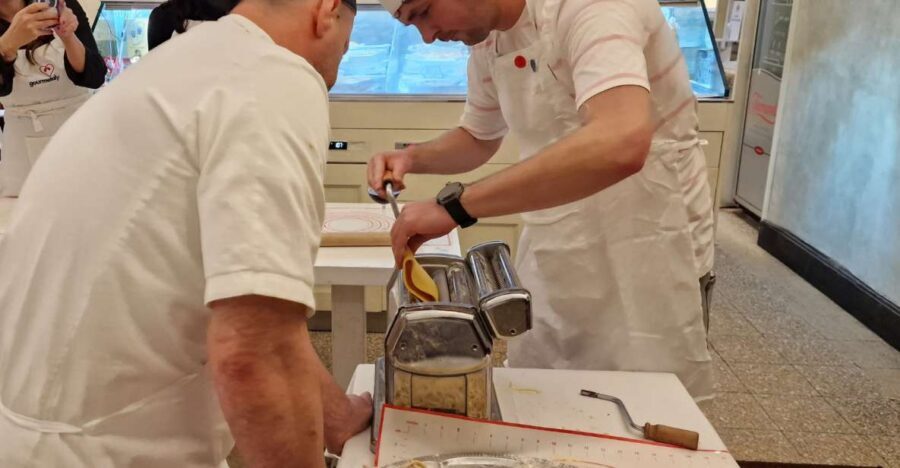
The menu changes by season, and that’s one of the smarter parts of this class. Roman markets are seasonal by nature, so learning with what’s in season makes your results more predictable at home.
In winter-focused sessions, you may practice peeling artichokes for Jewish-style preparation. Artichokes are a classic, but they’re also one of those ingredients where the prep work matters more than people expect.
In summer-style sessions, the menu theme shifts toward zucchini flowers and fritto romano (a Roman-style fried vegetable approach). If you’ve only had zucchini flowers in restaurants, you’ll likely be surprised by the texture and the way the frying step brings everything together.
This seasonal structure does two things for you:
- It keeps the class from feeling repetitive.
- It gives you a practical template: you can swap in the equivalent seasonal ingredient next time you cook.
One more detail worth noting: the class description also talks about tasting dessert that Roman grandmas traditionally made for kids. That framing helps you understand that these dishes are everyday food in the culture’s memory, not just special-occasion food for tourists.
What You Eat: The 3-Course Meal Plus Wine
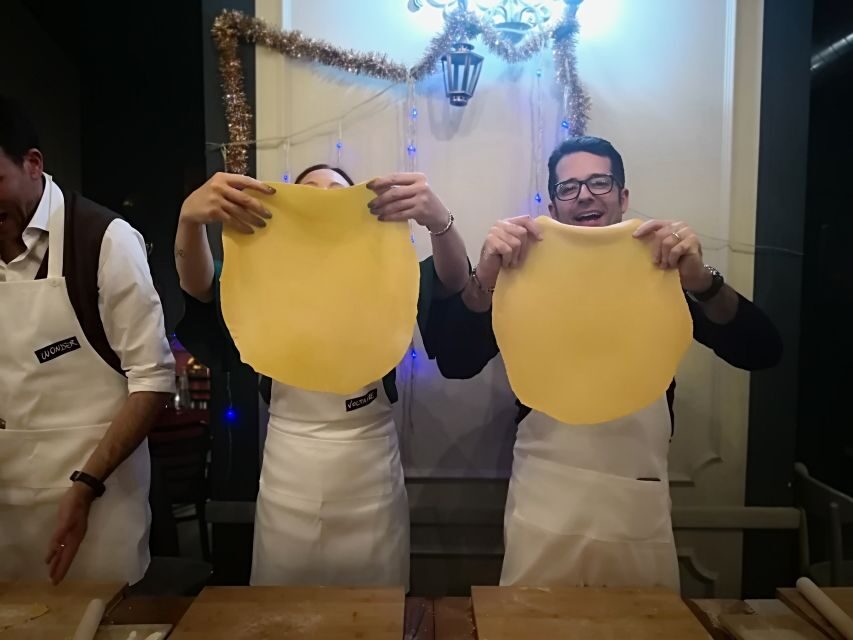
You’re not paying just for cooking. You’re paying for a full meal at the end of your work, with wine included.
The included meal is a 3-course set:
- Homemade fresh pasta
- A seasonal main course (based on what’s in season)
- A traditional dessert
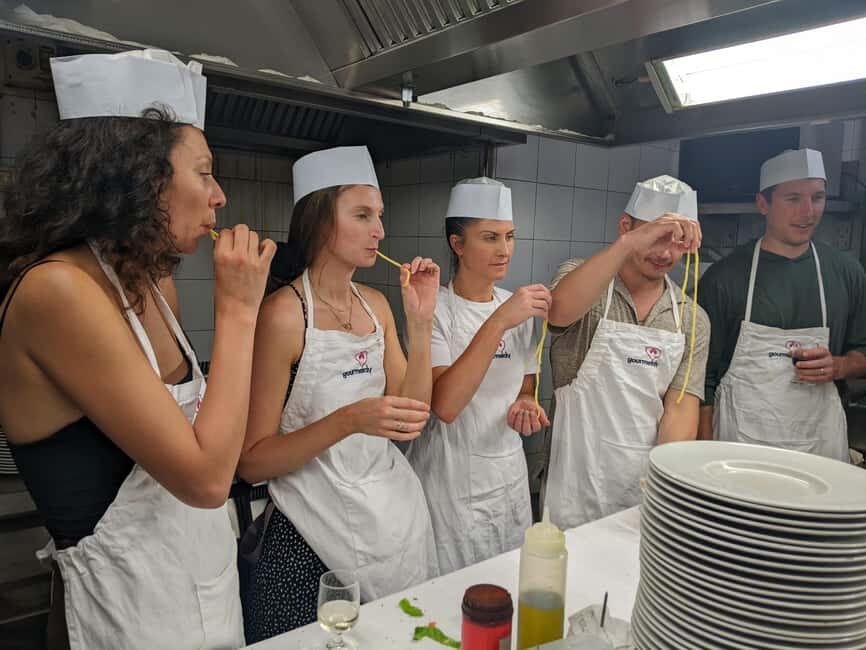
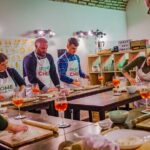
Wine and bottled water are included too. Several reviews mention a relaxed, friendly atmosphere during the meal, with guests laughing and chatting while the food lands at the table. That matters if you’re traveling solo or with teens. It’s not a stiff dinner party, it’s a shared kitchen meal.
Dessert is often described as torta di ricotta e visciola, a ricotta cheesecake made with simple ingredients. In a few accounts, desserts were served in multiple steps, like a small flight. Either way, plan on finishing full.
Now, one practical note: this is not a gluten-free class by design. The restaurant isn’t kosher either. The key is you’ll get traditional choices, and allergen handling is noted rather than promised as fully allergy-free.
You can also read our reviews of more tours and experiences in Rome

Chef Secrets and Jewish Ghetto Food Stories You’ll Actually Use
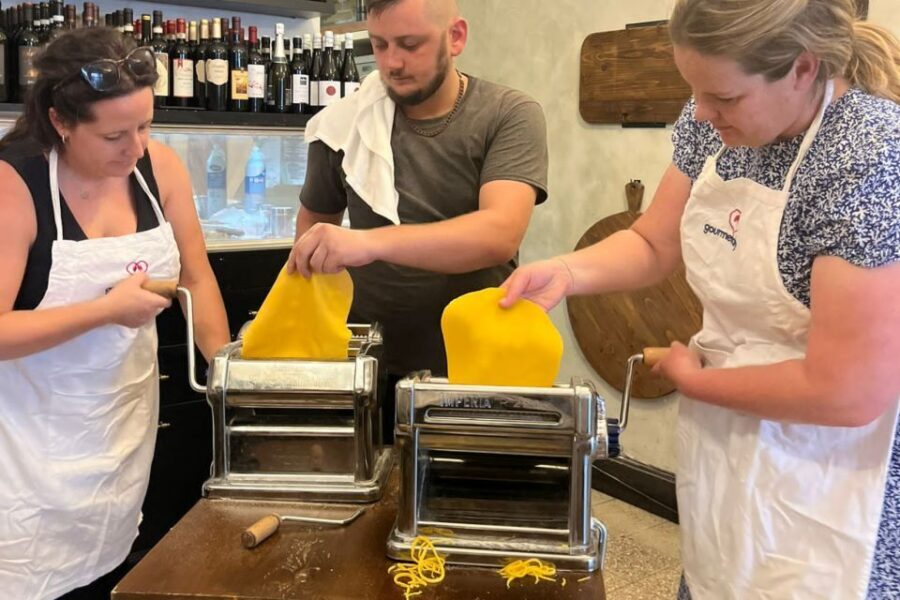
This class has two layers: you cook, and you learn why the cooking makes sense. The “why” is where it sticks.
First, you’ll hear stories and legends connected to the Jewish district and its unique food style. The goal isn’t to turn you into a scholar. It’s to help you recognize patterns: how people adapt to ingredients, constraints, and seasonal rhythms.
Second, the chef’s involvement is a big deal. Reviews consistently mention a chef such as Gabriel giving feedback and checking technique. One review specifically praised the chef opening up the kitchen and sharing Roman secrets around dishes like cacio e pepe. If you’re the type who likes to understand not just what to do but how to improve results, this part is a real win.
Also, the class is designed so you might get access beyond the main service area. A couple of guests noted they could go into the kitchen area after the main service. That’s one of the few times you’ll see the restaurant workflow up close in Rome.
When the host and chef communicate well (reviews mention guides like Lilli, Asia, Andy, Lisa, Livia, and Clelia), you get better at the steps faster. And you leave with a confidence boost: you’re not just tasting Rome, you’re learning how to build a Roman-style plate.
Price and Logistics: Is $94 Good Value for This Class?
At $94 per person for about 3 hours, you’re paying for more than a recipe card.
Here’s what you get for that price:
- Hands-on cooking instruction for pasta and seasonal dishes
- A full 3-course meal made from scratch
- Wine and beverages included
- Kitchen equipment provided
- Recipes to take home
- A list of tips and recommendations for what to do next in Rome
If you’ve done classes that only cover one dish and then send you off hungry, this one’s more complete. You’re also paying for the setting: a Jewish Quarter restaurant environment, with local context and a chef who teaches in real restaurant terms.
Where you should be careful: if you want a longer class, or if you want an extremely academic cooking workshop, some guests felt the hands-on time could be even heavier. One review said there was only one type of pasta taught and a couple dishes that seemed like they didn’t fully use the time window. So judge the class on its strengths: hands-on pasta plus a shared meal and local context, not an extended curriculum.
Dietary Limits, Gluten-Free Options, and Who This Fits
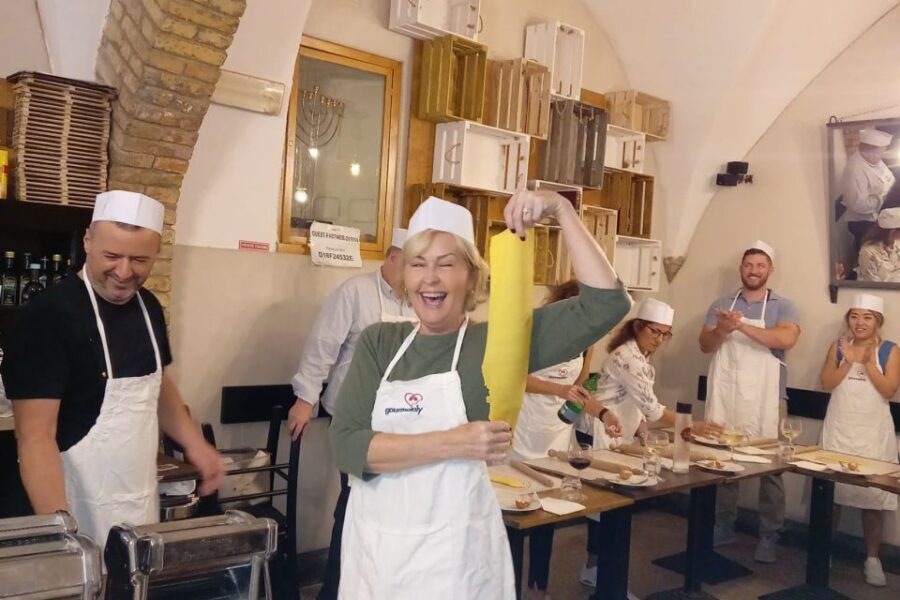
This class is described as suitable for everyone, including kids, and it’s said to welcome vegan and vegetarian participants. That’s a strong plus if your group isn’t all meat-and-pasta people.
Still, there are clear limitations:
- It is not kosher, and the restaurant is not kosher.
- It is not gluten-free as a standard approach.
- Allergen risks can include milk, eggs, soya, mustard, nuts, and gluten.
- Pets aren’t allowed.
- Wheelchair users aren’t suitable.
Gluten-free note: the class says you can join if you can touch flour (it also mentions packaged gluten-free pasta). So if your needs are severe gluten allergy, double-check how they handle contact. If you’re comfortable with the process and simply avoid gluten in the final eating, this may work.
If you want the best match:
- You’ll enjoy this if you like hands-on activities and want practical skills, not just a tasting.
- You’ll likely have fun with teens, since multiple reviews describe it as a highlight for families.
- You’ll also like it if you’re tired of only museums and want to connect with real local food routines.
Should You Book This Jewish Ghetto Pasta Class?
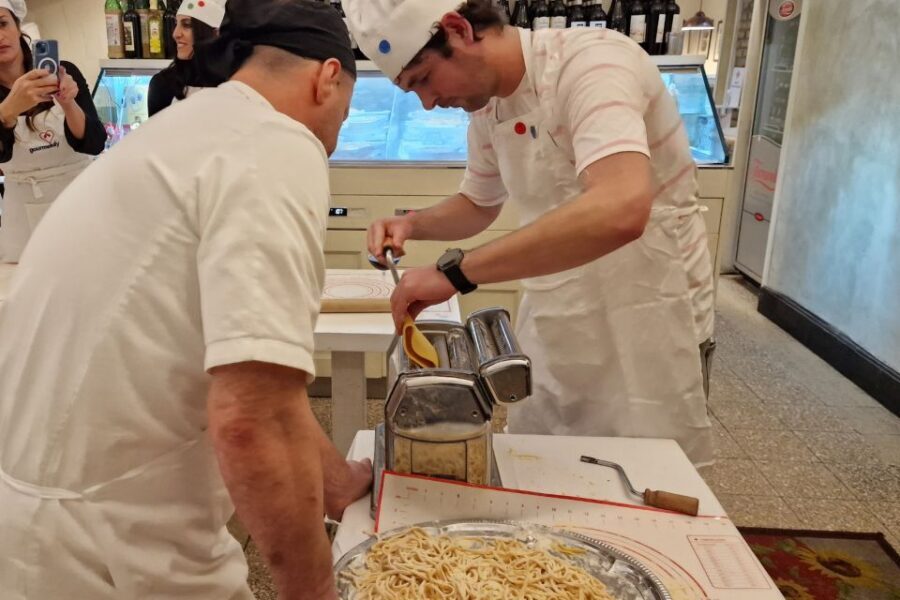
Book it if you want a Roman dinner that you help create, eat while it’s fresh, and take home with recipes you can repeat. The combination of hands-on pasta, seasonal Roman-Jewish dishes, wine, and a chef-led kitchen experience makes this one of the more “complete” food classes in Rome.
Skip it if you want:
- an in-depth, lab-style cooking course
- a fully gluten-free or kosher experience
- wheelchair-friendly access
If your ideal evening in Rome includes dough on your hands, a short story about food and place, and a table where you actually eat what you made, this is an easy yes.
FAQ
What is the meeting point?
You meet your foodie guide at Restaurant Taverna del Ghetto, outside the door.
How long is the cooking class?
The experience lasts about 3 hours.
What’s included in the price?
You get a 3-course meal with fresh homemade pasta, a seasonal main course, and traditional dessert. Italian wine and bottled water are included, along with all kitchen and cooking equipment.
Is this class kosher?
No. This cooking class is not kosher, and the restaurant is not kosher.
Is it gluten-free?
The class is not gluten-free. Packaged gluten-free pasta is available, and you can join if you’re able to touch flour.
Are vegan or vegetarian guests welcome?
Yes. The class description says vegan and vegetarian people are welcome, and the experience is described as accommodating.
Do you get recipes to take home?
Yes. You receive recipes at the end of the class, plus a list of tips and recommendations for what to do next in Rome.
Is it wheelchair accessible?
No. It is not suitable for wheelchair users.