REVIEW · COOKING CLASSES
Rome: Tiramisu & Pasta Small-Group Cooking Class
Book on GetYourGuide →Operated by Carpe Diem Tours · Bookable on GetYourGuide
Rome has a way of making food feel personal. This class turns that idea into a hands-on evening in a real Roman kitchen. You’ll make a creamy tiramisu and traditional pasta from scratch, then choose a classic sauce like carbonara or cacio e pepe while sipping included local drinks. The mix of practical cooking steps and social table time is what makes it fun.
Two things I really like: you get real instruction from an expert chef (you’re not just watching), and the class includes a meal with generous drink options while you cook. One thing to consider up front is dietary limits: it’s not suitable for gluten intolerance/coeliac, vegans, or lactose intolerance, since dairy and gluten are used in the menu.
In This Review
- Key takeaways before you book
- A Roman Kitchen Where You Cook, Then Eat
- What You Actually Make: Pasta From Scratch
- The Sauce Decision: Carbonara or Cacio e Pepe
- Creamy Tiramisu With a Tipsy Twist
- Drinks During the Class: Prosecco, Red Wine, and Limoncello
- Small Group Size, Big Instruction From Chefs Like Marzia and Ida
- The Class Flow: What Happens From Start to Finish
- What You Take Home: Recipes in an Ebook
- Price and Value: Why $73.64 Can Be a Good Deal
- Who This Class Suits Best (And Who Should Skip It)
- Final Call: Should You Book This Rome Pasta and Tiramisu Class?
- FAQ
- How long is the Rome tiramisu and pasta cooking class?
- What will I learn to cook?
- Are there vegetarian options?
- Can the class accommodate coeliac disease or gluten intolerance?
- Is it suitable for vegans?
- Can lactose-intolerant guests join?
- What drinks are included?
- Is the class taught in English?
- Where does the class start and end?
Key takeaways before you book
- Hands-on pasta dough work: knead, cut, and learn how to build shape and texture.
- Tiramisu with Tia Maria: a grown-up dessert move, not just a sweet lesson.
- Carbonara or cacio e pepe sauce choice: you get a proper pairing, not a random topping.
- Included drinks during cooking: Prosecco, red wine, and limoncello at the end help the night feel like an event.
- Small-group energy: more attention from the chef, and you’ll likely leave with new tablemates.
A Roman Kitchen Where You Cook, Then Eat
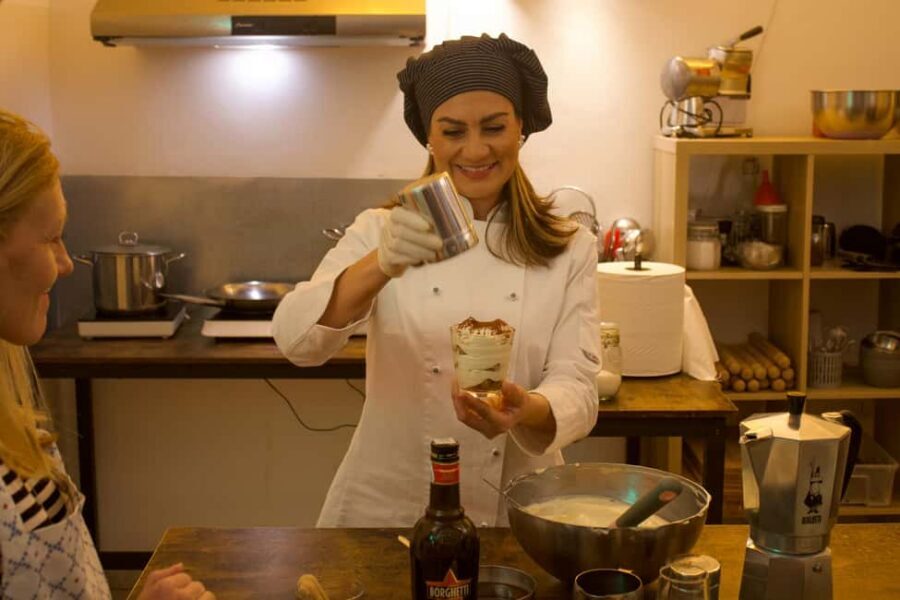
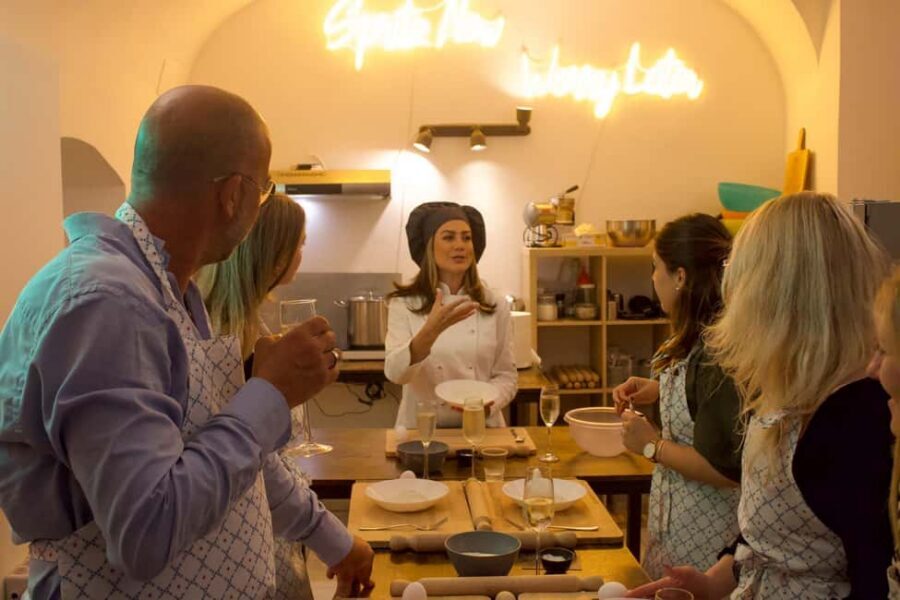
This experience is built around the best kind of travel memory: doing the thing, not just looking at the thing. In about 3 hours, you’ll go from ingredients to finished pasta and a plated tiramisu, right in Lazio, Italy, with a local chef guiding every step. It’s family-friendly, and it also works well if you’re traveling solo and want a ready-made social plan.
The class is hands-on in a way that matters. You’ll knead and cut your pasta, then work through an authentic sauce option. After that, you sit down and eat what you made—plus you finish with a glass of limoncello. That makes it feel like a complete evening, not a quick snack activity.
Still, I’d flag the biggest mismatch risk: the menu uses dairy and gluten ingredients and can’t accommodate coeliac disease, gluten intolerance, vegan diets, or lactose intolerance. If you’re in one of those groups, you’ll want to skip this class and look for a fully adaptable menu option elsewhere.
You can also read our reviews of more cooking classes in Rome

What You Actually Make: Pasta From Scratch

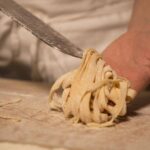
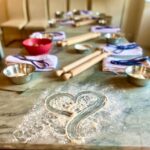
Homemade pasta in Rome is one of those moments that sounds intimidating until someone puts flour, dough, and a calm plan in front of you. Here, you’ll make pasta from scratch using the class’s guided process. The goal isn’t just learning a recipe—it’s understanding how the dough behaves as you knead and shape it.
Expect to work through the core steps: preparing the dough, kneading until it’s right, and then cutting it. Those actions sound simple, but the “feel” is the whole lesson. Once you’ve done it, you’ll have a better sense of what makes pasta sauce stick, why certain cuts work, and what “done” looks like when you’re holding the tool in your hand.
A practical plus: the class notes handmade pasta with vegetarian options. So if you eat meat sometimes but want a vegetarian-friendly plate option here, you’re covered on that front. Just don’t assume you can swap it for vegan—vegan diets aren’t accommodated.
The Sauce Decision: Carbonara or Cacio e Pepe
After your pasta is cut, you’ll pair it with an authentic sauce you choose: carbonara or cacio e pepe. This is a smart structure for a short class because it gives you ownership. It also helps you leave with a clearer menu in your head for cooking at home.
If you’re the kind of cook who likes comfort-food control, carbonara is all about balancing richness and timing. Cacio e pepe is simpler on paper but demanding in technique—where the cheese and pepper come together into a coating sauce rather than a clumpy pile. Either way, you’re learning the “how” that makes the sauce work with the pasta you just made.
One more practical angle: the class sets up this step while you’re already warmed up from kneading and cutting. So you’re not starting technique lessons from zero. Your hands are active, you’re paying attention, and the sauce work feels like the natural next move.
Creamy Tiramisu With a Tipsy Twist
Then comes the dessert lesson: a creamy tiramisu made with fresh, locally sourced ingredients. The class description also calls it extra-tipsy, and the included items confirm the dessert component includes Tia Maria.
What I like about this is that it keeps tiramisu in the Italian lane while still feeling like a special Roman night. It’s not just a sweet ending; it’s part of the cooking identity of the experience. And because tiramisu is built on layers and timing, you’ll usually find you learn more than one small technique—how the components come together, what consistency looks like, and how to assemble without panic.
When the class finishes, you sit down and treat your taste buds to the home-cooked meal you made. And dessert is not left as a mystery for later—it’s part of the same evening plan.
Drinks During the Class: Prosecco, Red Wine, and Limoncello
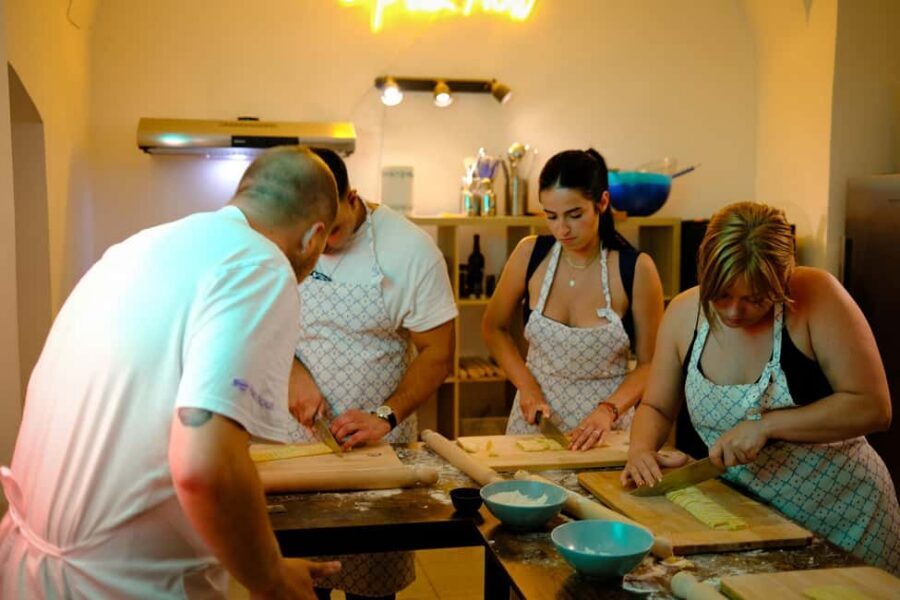
Food classes in Rome can be either dry and instructional or social and slightly chaotic. This one aims for the middle: you cook, you learn, and you get enough included drinks that you’ll feel relaxed while you work.
From the included list, you’ll get:
- 2 glasses of Prosecco
- 2 glasses of red wine
- 1 glass of limoncello at the end
- Plus unlimited water
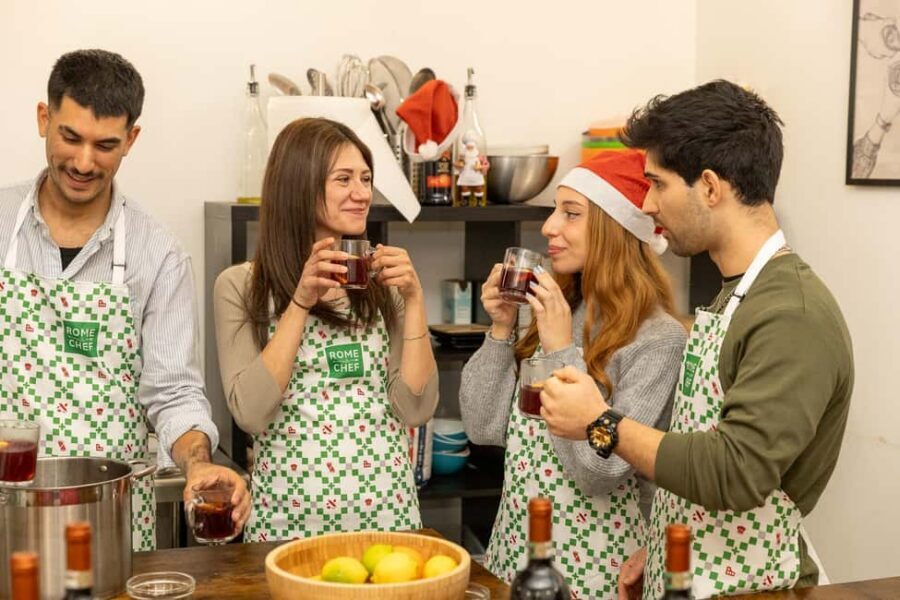
There’s also a mention of sample Italian wines and liqueurs as you cook, and at least one review highlights spritz-style drinks as part of the vibe. So if you like a lively pace, this class seems designed for it.
One practical tip: even with drinks included, keep an eye on your own comfort. The class is hands-on, and you’ll still be cutting pasta and making sauces. If you know you get tipsy easily, go slow on the alcohol and rely on the water between sips.
You can also read our reviews of more tours and experiences in Rome

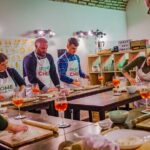
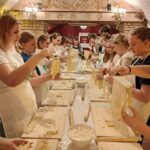
Small Group Size, Big Instruction From Chefs Like Marzia and Ida
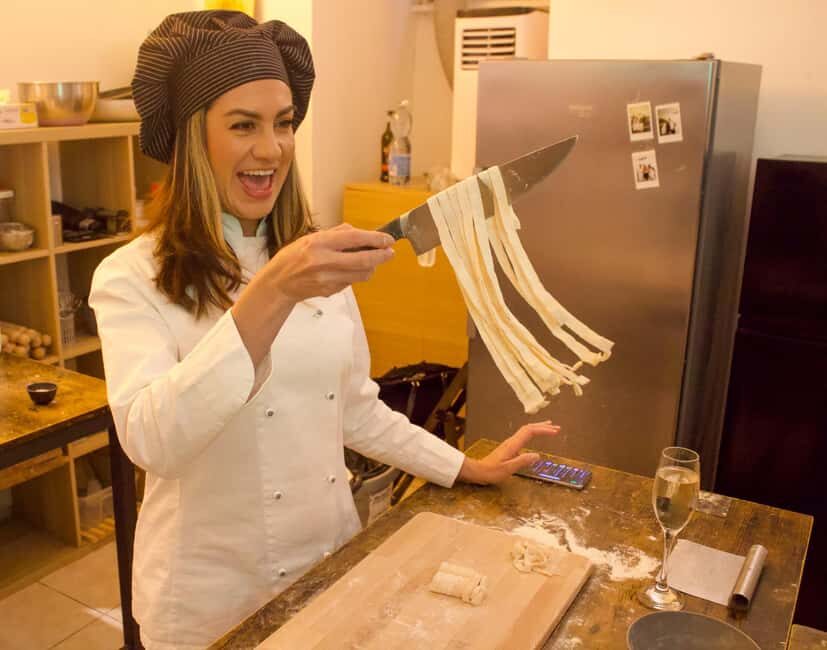
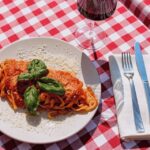
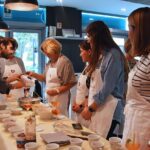
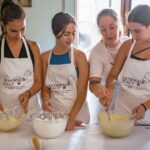
The small-group format is a big deal here. You’re more likely to get help when something goes off—dough too sticky, sauce too thick, or just a question you hesitate to ask in a large group. Reviews repeatedly praise the chefs and hosts by name, including Marzia and Ida, along with assistant/host support like Jenny, Lohana, and others.
A pattern shows up in the positive feedback: the chefs didn’t just explain. They made the process feel easy and fun, with attention to detail and clear guidance. Several notes also mention that the recipes are easy to learn and recreate at home, which is exactly what you want if you’re signing up for a cooking class rather than a food tour.
Also, English instruction is offered. That matters in a kitchen where the pace can be quick. You’ll want to understand the key moments without guessing.
The Class Flow: What Happens From Start to Finish
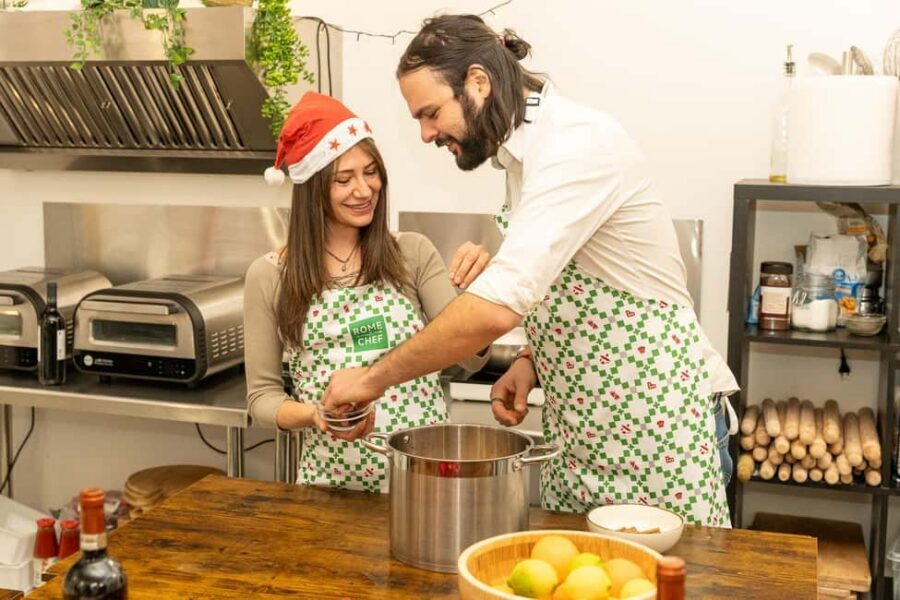
The timing is straightforward: about 3 hours. The meeting point can vary depending on the option you book, and the class ends back at the meeting point. So plan for one fixed block of time rather than hopping around.
Inside the session, the rhythm usually goes like this:
- You cook together as the chef guides pasta dough prep and then kneads and cuts pasta.
- You shift to sauce—carbonara or cacio e pepe—so the pasta isn’t the only lesson.
- Dessert time focuses on a creamy tiramisu using fresh ingredients and Tia Maria.
- You eat what you made, while drinks and water keep things festive.
- The night closes with a glass of limoncello and an ebook of recipes to take home.
A good part of the structure is that everything builds on what you learned before. Pasta work leads into sauce pairing, which leads into dessert layering. You get variety without feeling scattered.
What You Take Home: Recipes in an Ebook
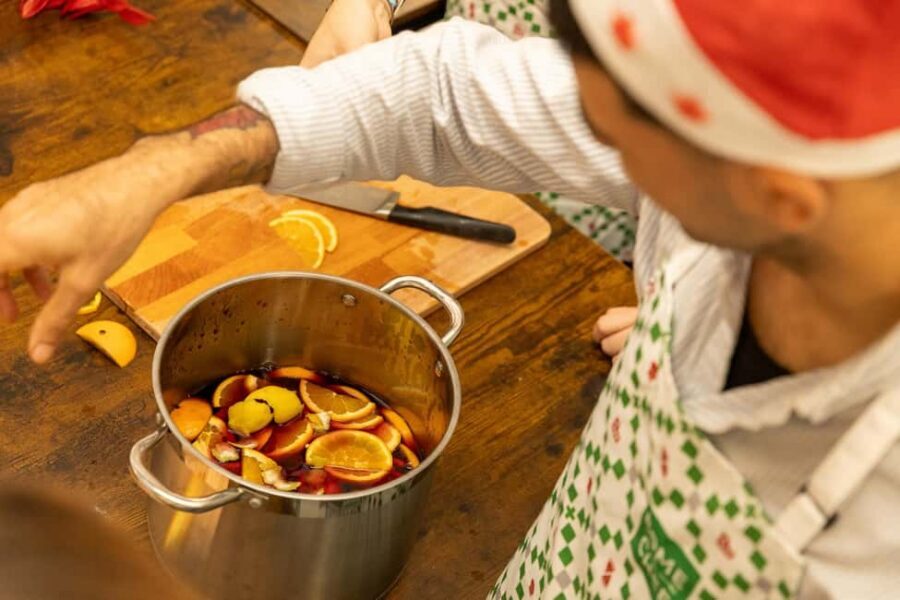
A cooking class is only worth it if you can recreate it. Here, you leave with an ebook of recipes. That’s a practical safety net: you won’t rely on memory after the adrenaline of the kitchen fades.
You’ll also likely appreciate that several review comments mention how easy it is to do again at home. That matters because handmade pasta and sauces can be intimidating if you only have a vague idea of the steps. The combination of hands-on cooking plus written guidance tends to make results more repeatable.
Price and Value: Why $73.64 Can Be a Good Deal
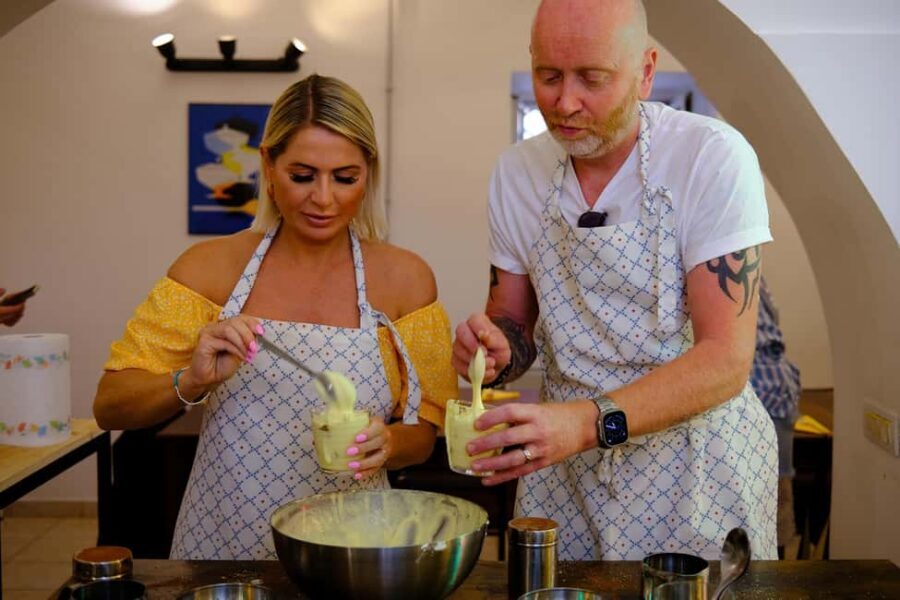
At $73.64 per person for 3 hours, this price lands in the “mid-range but includes a lot” category. Here’s why it can feel like good value when you’re actually there:
- You’re paying for expert-led instruction and a hands-on setup, not just tasting.
- You get multiple components: handmade pasta plus tiramisu.
- You also get a drink package, including Prosecco, red wine, and limoncello, plus unlimited water.
- You leave with an ebook, which adds usefulness beyond the class night itself.
If you compare that to what you’d pay for a meal plus wine in central Rome, the “extra” part is the cooking teaching and the skills. That’s the value lever. The class earns its price when you go in open to doing the work and tasting the results.
Who This Class Suits Best (And Who Should Skip It)
This experience is a strong fit for:
- Food lovers who want a hands-on skill, not only a plate of food
- Couples, friends, and small groups looking for a social yet structured evening
- Travelers who like Italian flavors and want classic dishes made in a kitchen setting
- People who enjoy a lively mood and included drinks while learning
It’s not a fit for:
- Coeliac disease or gluten intolerance, since the menu isn’t able to accommodate those needs
- Vegan diets
- Lactose intolerance, because dairy is used in the recipes
Also note: it’s not suitable for children under 2 years. So if you’re bringing little kids, plan around that minimum.
Final Call: Should You Book This Rome Pasta and Tiramisu Class?
Yes, I’d book it if you want a true Rome experience that’s practical and not overly complicated. The best reasons are the pairing of real cooking instruction with a full dinner-like meal, plus the drink-friendly atmosphere that keeps the mood light. Chefs like Marzia and Ida show up repeatedly in positive feedback, and that usually signals strong teaching and a fun, organized kitchen.
Skip it if your dietary needs don’t match the menu constraints (gluten, vegan, lactose). In that case, you’d likely spend the class worrying about ingredients instead of learning.
If you’re flexible, enjoy classic Italian food, and want to leave with skills you can repeat, this is one of the easier “yes” decisions for a 3-hour slot in Rome.
FAQ
How long is the Rome tiramisu and pasta cooking class?
The class lasts 3 hours.
What will I learn to cook?
You’ll learn how to make creamy tiramisu and traditional Italian pasta from scratch, including a sauce pairing you choose between carbonara or cacio e pepe.
Are there vegetarian options?
Yes. The class includes handmade pasta with vegetarian options.
Can the class accommodate coeliac disease or gluten intolerance?
No. The class states it cannot accommodate participants with coeliac disease or gluten intolerance.
Is it suitable for vegans?
No. The class is not suitable for vegan diets.
Can lactose-intolerant guests join?
No. The class notes it cannot accommodate lactose intolerance because dairy products are used.
What drinks are included?
You’ll receive 2 glasses of Prosecco, 2 glasses of red wine, and 1 glass of limoncello, along with unlimited water.
Is the class taught in English?
Yes. The instructor is English-speaking.
Where does the class start and end?
The meeting point may vary depending on the option booked, and the activity ends back at the meeting point.