REVIEW · CYCLING TOURS
Rome Tiber cycle path: Electric & Muscle Rental Bike
Book on Viator →Operated by Bicycle Roma · Bookable on Viator
Rome’s Tiber cycle path turns the city into something you can actually glide through. With electric and muscle bike rentals, you get an easy, flexible way to link sights without being stuck to a rigid group pace.
What I like most is how the setup fits real bodies and real schedules. E-bikes start at 140 cm, muscle bikes from 120 cm, and kids can ride with baby seats up to 20 kg included. The other big plus: you’re handed practical help plus recommended itineraries, and you only need a smartphone with internet to follow along.
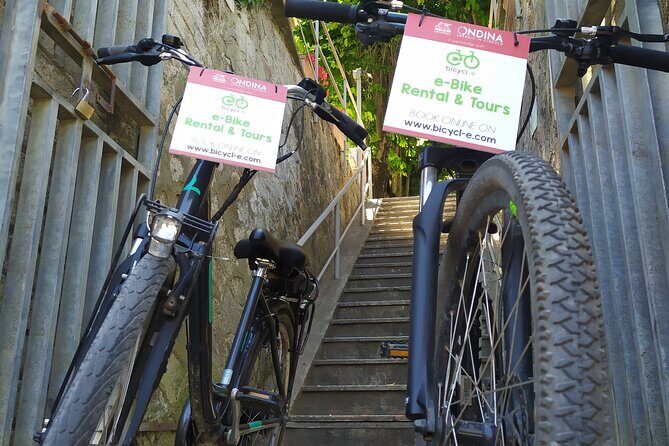
One thing to factor in: the rental spot can feel a bit out of the way at first. It’s not a dramatic “hard to reach” issue, but it’s smart to map the riverside route so you don’t end up carrying the bike up and down steps when you return.
In This Review
- Quick highlights before you roll
- Rome’s Tiber bike path: why this rental feels better than a big tour
- Choosing the right bike: height rules and what they actually mean
- What’s included (and why those items matter in Rome)
- The meeting point on Lungotevere: how to make it painless
- A flexible itinerary: how the ride links Rome’s big sights
- Getting rolling on the Tiber: where your day starts to feel easy
- The Colosseum area and nearby ruins: big landmarks without big crowds on foot
- North and west links: Pantheon, Piazza del Popolo, and Piazza di Spagna
- The Jewish Ghetto ride-back: pairing scenery with real food breaks
- Appian Way option: swapping city streets for countryside air
- How to use the smartphone and itineraries without getting stressed
- Riding comfort: what to expect when pavement gets bumpy
- Night and rain reality checks: two things that affect your plan
- Value for money: why $12.01 can be a smart deal
- Who this is best for (and who should consider alternatives)
- Should you book this Rome Tiber cycle path bike rental?
Quick highlights before you roll
- E-bike access from 140 cm so more people can get the assist they want
- Baby seats up to 20 kg included for free, handy for families traveling with little ones
- Helmet, lock, and wheel pump are part of the rental bundle
- Self-guided routes let you set your own rhythm instead of riding by someone else’s timetable
- Max 10 riders, which keeps the rental experience calmer and more manageable
Rome’s Tiber bike path: why this rental feels better than a big tour
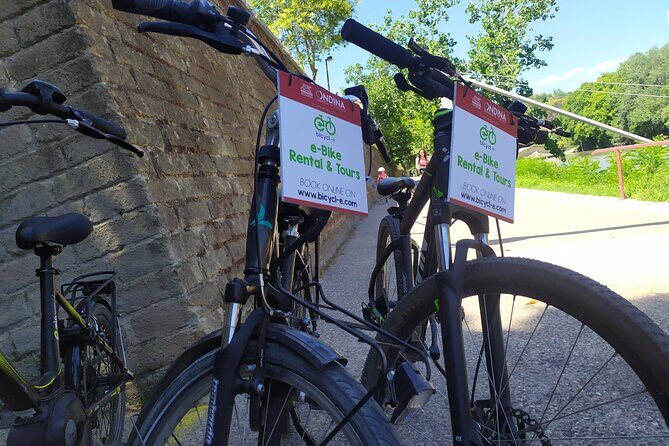
There’s a special kind of stress in Rome traffic. This is why riding the Tiber cycle path (and the connected lanes people use to reach major sights) is such a game-changer. You’re not trying to fight every street corner on foot, and you’re not stuck waiting while a group regroups.
The format also makes sense: you’re renting your own bike for a block of time (roughly 2 to 8 hours) and steering your own day. That means you can move fast when you want photos, slow down when you find a shop or a snack stop, and you don’t have to match someone else’s energy level.
And because the service is designed for families, it’s not just an adult activity. You can scale the day: adult e-bikes for the “I want less effort” crowd, muscle bikes for kids and stronger riders, and baby seating when needed.
You can also read our reviews of more cycling tours in Rome
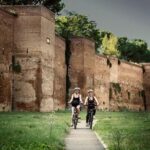
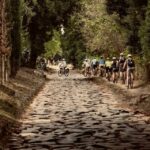

Choosing the right bike: height rules and what they actually mean
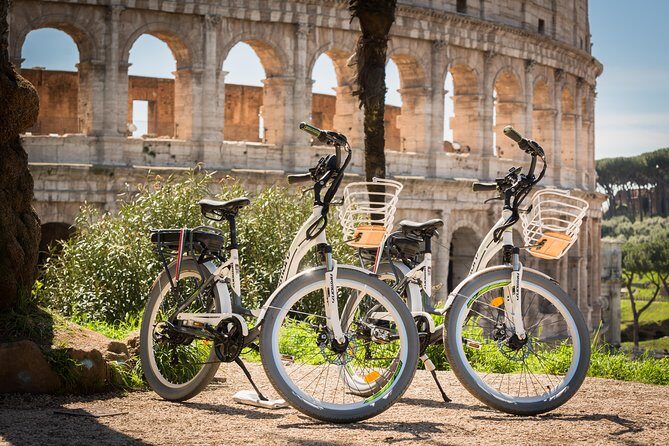
This rental is refreshingly straightforward about sizing, which matters in a city where fitting the bike to your body makes the difference between fun and frustration.
Here’s the practical rule set:
- Electric bike: available if you’re at least 140 cm tall
- Muscle bike: available for adults and children from 120 cm
- Baby seat: provided at no extra cost up to 20 kg
If you’re traveling with mixed ages, this is one of the reasons the rental works well. In real life, families often have one person who wants the assist and another who’s happy to pedal. The sizing rules let you split without creating a “who’s stuck with the wrong bike” problem.
Also: e-bikes make longer city loops and stop-and-go riding feel much easier. That’s exactly the kind of day people want around Rome’s core, where you’ll be stopping for landmarks, viewpoints, and snacks.
What’s included (and why those items matter in Rome)
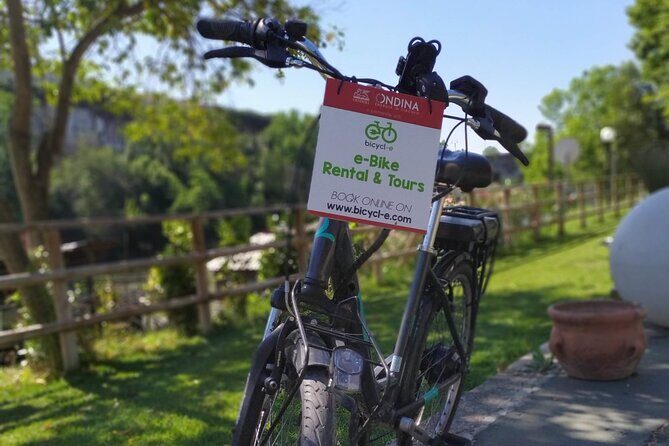
Some bike rentals hand you a bike and hope for the best. This one lists several practical basics that actually help you ride with confidence.
Included items:
- Helmet
- Lock
- Wheel pump
- Recommended itineraries
- Baby seat up to 20 kg (free)
- Private transportation (listed as included)
Not included:
- Refreshments
The helmet is obvious, but it’s still a big deal. Rome streets can be chaotic, and being prepared means you start the day relaxed. The lock matters too, because you’ll likely want to park the bike while you step inside an area, grab food, or browse a shop. And the wheel pump is the kind of small thing you’ll appreciate only if you’ve had a flat elsewhere on holiday.
The recommended routes are also more useful than they sound. Self-guided cycling is great, but only if you have a plan for where to go. These routes help you connect the Tiber areas with the attractions you care about.
The meeting point on Lungotevere: how to make it painless
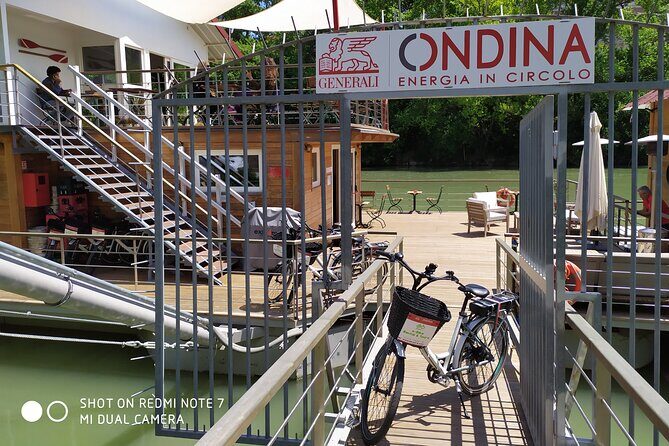
You’ll start and end at Lungotevere delle Armi, 44, 00195 Rome. The activity returns to the same spot, so you’re doing an out-and-back loop or a multi-part ride with a consistent “home base.”
That said, there’s a real-world tip worth taking seriously: the rental location can be a little obscure. It may not be the kind of place you spot instantly from a landmark.
Before you go, do two things:
- Put the meeting point on your map app.
- Also mark the riverside return route, so you don’t accidentally take the harder way back.
This kind of planning helps a lot in Rome, where stairs and shortcuts can turn into surprise effort when you’re tired from riding. And even if you’re on an e-bike, you still carry the day in your legs by the end.
A flexible itinerary: how the ride links Rome’s big sights
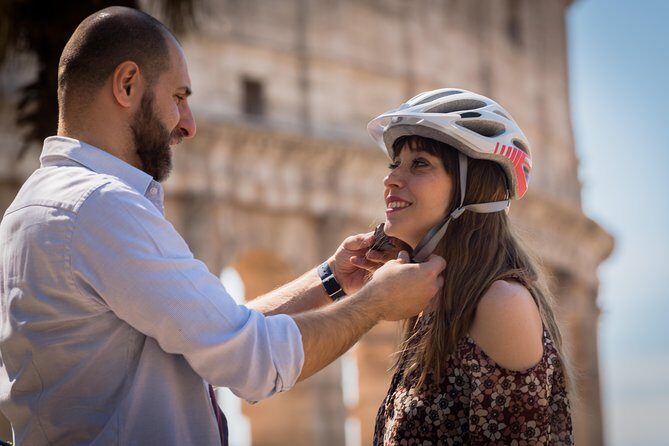
The exact route can vary because you’re following the recommended itineraries rather than a fixed escort-led path. But you can build your day using the kinds of connections people consistently make.
Think of it as three common ride styles: a Tiber loop for easy sight connections, a deeper historical run toward the Colosseum zone, and a longer out-and-back that reaches countryside roads like the Appian Way.





Getting rolling on the Tiber: where your day starts to feel easy
Once you’re situated with the bike, the first goal is simple: get on the cycle path system quickly. The advantage here is that many of the roads people use to reach key sights also include bike paths, which reduces the stress level compared with random street wandering.
From here, your day can branch:
- stay close to the river for a smooth ride and more frequent stops, or
- start pushing toward the central monuments.
If you’re new to cycling in a big city, you’ll enjoy easing into traffic patterns rather than jumping straight into the thick stuff.
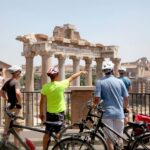
The Colosseum area and nearby ruins: big landmarks without big crowds on foot
One of the most popular parts of the experience is riding toward the Colosseum and adjacent ruins zones. The main value of approaching these areas by bike is timing and pacing. You can get there, park using the included lock, and then decide how long you want to linger.
This is also where the self-guided format shines. Instead of staying with a group schedule, you can pause for photos, step into a side street for browsing, and move on when you’re ready.
A practical note: near major sites, bike parking can be tricky. Use your lock, but take a minute to follow reasonable local guidance on where to secure the bike. If you’re unsure, ask a police officer for the recommended approach for that area.
North and west links: Pantheon, Piazza del Popolo, and Piazza di Spagna
Depending on which route you choose and how long you rent the bike, you can connect the ride to iconic Rome neighborhoods. People commonly build loops that touch places like the Pantheon, then keep going toward viewpoints and squares such as Piazza di Spagna and Piazza del Popolo.
This matters because those stops aren’t all “next to each other” by walking. Bike time compresses the day. You’re not trying to cross Rome on foot between high-demand areas.
The tradeoff is that you’ll want to plan your parking. Squares and busy museum zones can make bike parking less straightforward, so build extra time into your day to lock the bike and move on.
The Jewish Ghetto ride-back: pairing scenery with real food breaks
One of the best things about cycling Rome is that hunger stops are easy to build in. A popular pattern is riding into central historic zones, then working your way back toward the Jewish Ghetto for food.
Even if your main motivation is landmarks, the ability to “ride, pause, eat, ride” keeps the day from turning into a nonstop slog. This is especially nice for families, where one missed meal can turn the whole afternoon into a mood.
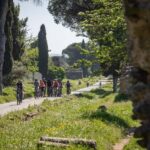
Appian Way option: swapping city streets for countryside air
If you want a bigger change of pace, the Appian Way route is often a highlight. The charm here is straightforward: you trade dense streets for a more open feel, with a sense of Rome that stretches beyond the immediate monument zones.
It’s also a strong choice for people who want more variety in one rental window. You can still see major sites, but you get at least one segment that feels like you escaped the “only monuments” loop.
How to use the smartphone and itineraries without getting stressed
The only true tech requirement is simple: you need a smartphone with internet access. The recommended itineraries are meant to be used with your phone, so you’ll want battery life.
Before you start:
- bring a charging cable/power bank if you have one
- download what you can before you lose signal
- keep your phone accessible (not buried under layers)
If you show up without connectivity, you’ll still be able to ride, but you’ll lose the easiest way to stitch the sights together. In Rome, that extra uncertainty can turn a great bike day into “wandering while tired.”
Riding comfort: what to expect when pavement gets bumpy
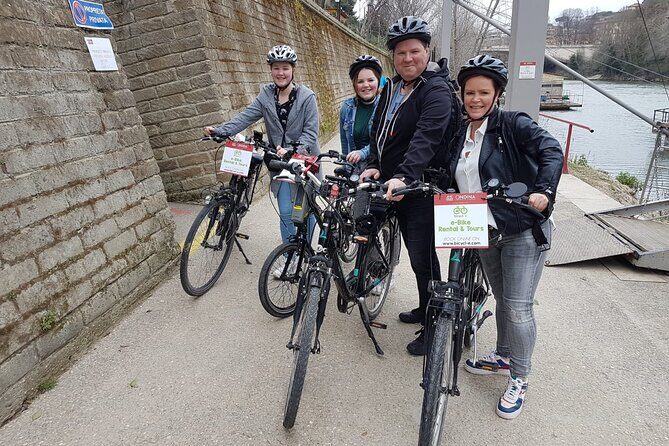
Rome is not famous for smooth roads. That’s where bike comfort becomes more than a nice-to-have.
People often describe the bikes as in excellent order and comfortable once you get moving. Still, you should assume you’ll feel some vibration from cobblestones, especially if you stop and start often.
Two practical comfort tips:
- adjust your seat early so your legs feel stable from the first minute
- take it slow on uneven sections; don’t try to power through
Also, keep an eye out for how your tires handle street texture. You have the pump included, but prevention beats fixing on the fly.
Night and rain reality checks: two things that affect your plan
Two practical factors can change your day: weather and timing.
If it rains, you might decide to shorten the ride rather than force it. Rain can make cobblestones slippery, and it also affects comfort while locking the bike and walking a short distance to a restaurant.
Also, if you’re renting into later hours, confirm your bike setup. One caution that shows up in real-world use: bikes may not always include the lights you need for sundown. When you pick up the bike, ask about the lights so your return route is safe and easy.
Value for money: why $12.01 can be a smart deal
At $12.01 per person, this rental can be excellent value, especially if you compare it to the typical price of organized guided bike tours plus individual transit costs.
Here’s why the value adds up:
- You get helmet, lock, and wheel pump included (not just a bike)
- You get recommended itineraries, which reduces guesswork
- You can choose a time window (roughly 2 to 8 hours), so you’re not paying for a rigid schedule
- You can travel as a small group (maximum 10 travelers), which usually keeps the experience from feeling chaotic
The one missing piece is that refreshments aren’t included. That’s normal for rentals, but you should plan your snack breaks ahead so you don’t end up hunting on the move when you’re tired.
Who this is best for (and who should consider alternatives)
This rental is ideal if you want to do Rome on your own terms.
- Families with kids who fit the 120 cm or 140 cm rules
- Couples who want to cover more ground without paying for a long guided group day
- Solo riders who like route ideas but hate being rushed
- Any group that wants a low-cost activity with flexible timing
You might consider a different setup if:
- you don’t want to manage a phone for itineraries
- you’re uncomfortable finding bike parking near busy landmarks
- you need a fully guided experience with constant narration and supervision
Should you book this Rome Tiber cycle path bike rental?
Book it if your goal is a practical, flexible Rome day where you can stitch together major sights with less effort than walking. The mix of e-bike options, free baby seats up to 20 kg, and included gear like helmet and lock makes it a strong family-friendly choice. And the ability to ride at your own pace beats the “wait for the group” rhythm that can drain energy.
Skip it or ask more questions if you’re worried about locating the rental quickly, riding late into dusk, or riding in heavy rain. If you do have those concerns, a quick check of lights and a clear map for the riverside return can fix most issues fast.