REVIEW · FOOD
Rome Testaccio Market Walking food Tour and surrounding
Book on Viator →Operated by Walkingourmet · Bookable on Viator
Testaccio can feel like Rome’s real workday. This walking food tour threads together ancient landmarks and the neighborhood market culture, so you see why locals still care about what’s on the table. I especially like that the route sends you off the main sightseeing loop into an area many visitors miss, and it pairs that with food tastings instead of just photo stops.
Two things I like a lot: first, it’s built around Testaccio landmarks like the Pyramid of Cestia and Monte Testaccio, so the neighborhood has context, not just calories. Second, the tour is private, so you’re not watching your guide sprint ahead while you lag behind. One consideration: some sights may require your own tickets (admission isn’t included for the stops listed), so budget a little time and money for that.
In short, this is a good 2-hour choice when you want a smaller-scope Rome that still feels meaningful. And if you enjoy learning how food connects to Roman neighborhoods, you’ll likely have a great time.
In This Review
- Key points before you go
- Entering Testaccio: the neighborhood you’ll want to return to
- The Pyramid of Cestia: small stop, big story
- Piazza Testaccio: the square that acts like a local front room
- Monte Testaccio and the old slaughterhouse idea
- Mercato di Testaccio: where the eating part finally hits
- Food tastings, wine limits, and what to expect
- Guides and the neighborhood stories that make the walk worth it
- Price and what $117.11 buys you in real terms
- Logistics that matter: meeting point, timing, and transit
- Who should book this Testaccio market walking food tour?
- Tips to make the most of your 2-hour walk
- Should you book it? My honest take
- FAQ
- How long is the Rome Testaccio market walking food tour?
- Is this tour private?
- Is the tour offered in English?
- Are admission tickets included?
- Where does the tour start and end?
- Are service animals allowed?
- Is there an age limit for wine tastings?
Key points before you go
- A private format means you get a real back-and-forth with your guide instead of a crowd shuffle
- Ancient + modern in one walk: Pyramid of Cestia, Testaccio square, Monte Testaccio, then the market
- Tastings drive the experience so you leave with ideas you can use later when you eat on your own
- Guides bring neighborhood stories; examples include Silvia and Marti with strong local-food explanations
- Wine is only for adults (18+), so families can plan around that if needed
- Start at Piramide and finish by the market on Via Aldo Manuzio, which makes it easy to keep exploring after
Entering Testaccio: the neighborhood you’ll want to return to
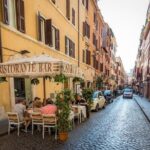
Testaccio is where Rome feels like it’s doing its everyday thing. The streets and squares have a lived-in rhythm, and the food market area gives you instant proof that taste and routine matter here. You’ll spend about 2 hours walking, and the stop order is smart: it builds from ancient Rome into the modern neighborhood market world.
A big value of this tour is how it teaches you to look at the neighborhood, not just eat in it. When you understand why Monte Testaccio exists and why the market matters, the food tasting stops feel more connected. That connection is what makes the experience more than a checklist.
Also, you’re in a private setup, so pacing tends to be kinder. If you want to ask one more question about an ingredient, you can. If you want to take a photo and move on fast, you can do that too.
You can also read our reviews of more walking tours in Rome

The Pyramid of Cestia: small stop, big story
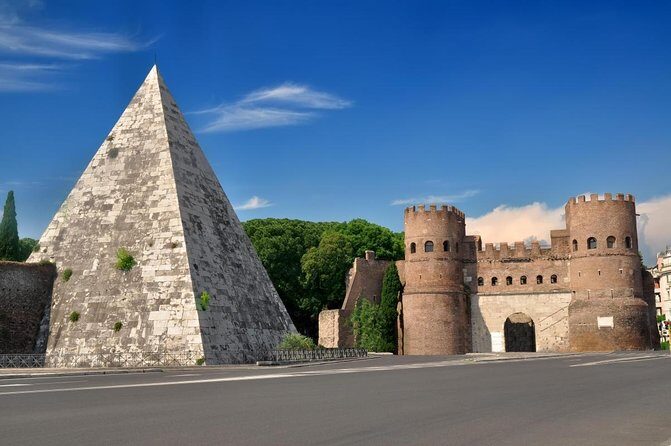
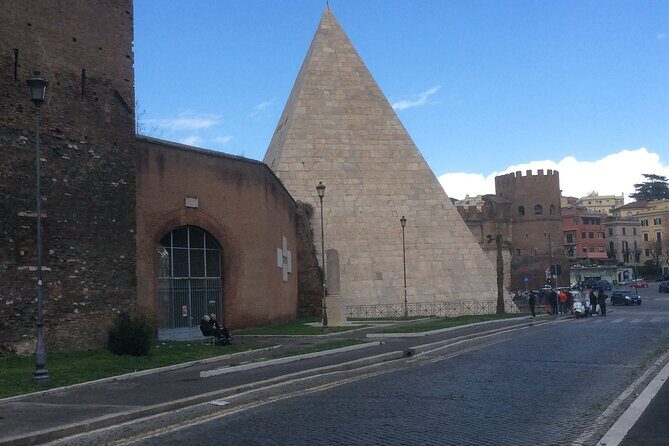
Your first stop is Piramide Cestia near Testaccio. It’s a striking ancient pyramid that still looks solid after more than 2,000 years. The mix of Roman and Egyptian influence is the kind of detail that makes Rome feel like a patchwork of history rather than one single style.
Why this stop is worth your time: it sets the tone. You’re not just walking through a food district—you’re walking through a neighborhood with deep roots, where structures from long ago still shape what’s around them. And because your time at this stop is about 20 minutes, it’s quick enough not to drag, but long enough to notice details instead of just rushing a photo.
Drawback to plan for: admission is not included at this stop (as noted for the itinerary). If you want to go inside, have a little flexibility in your schedule and expect that you might pay extra.
Piazza Testaccio: the square that acts like a local front room
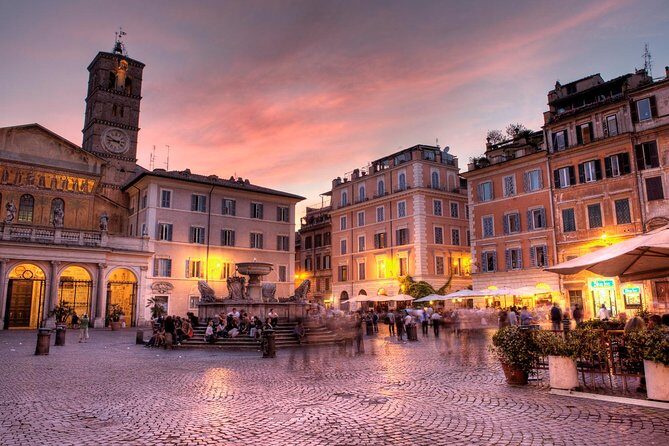
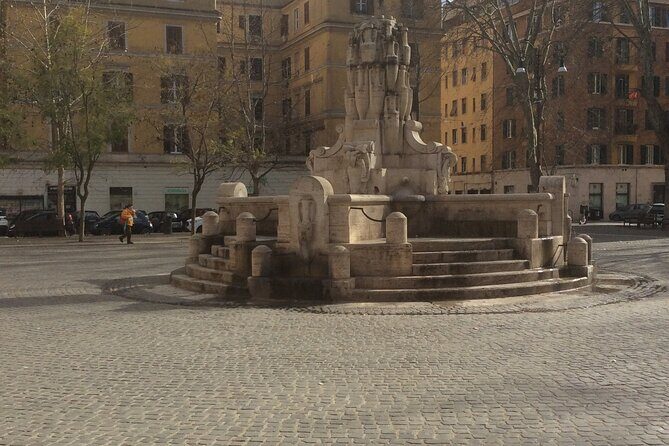
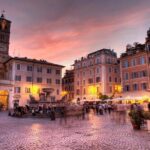
Next comes Piazza Testaccio, the kind of place where the market district mood shows up in real time. This is where you get that immediate sense of neighborhood life: people moving with purpose, vendors and shoppers creating the background energy, and the feeling that the area has its own agenda.
This stop works well for a food tour because it’s a bridge. You’re transitioning from the ancient landmark focus into the market-and-eating focus. Even if you don’t consider yourself a “square person,” Piazza Testaccio helps you understand how the market culture fits into everyday Rome.
Time is again about 20 minutes, so you’re not stuck waiting around. It’s more of a short orientation stop that helps your eyes adjust before you start tasting and comparing flavors.
Monte Testaccio and the old slaughterhouse idea
Then you’ll walk to Monte Testaccio, a hill tied to Rome’s meat supply history. This area used to be linked to the city’s slaughterhouse activity, with pavilions on the slopes of Monte dei Cocci used for meat distribution. Today, the area functions as a cultural center with plenty of activity and life.
Why I think this stop adds real value: it explains the “why” behind Testaccio. Food history isn’t just about dishes; it’s also about logistics—where supply came from, who needed it, and how the city organized what it ate. Monte Testaccio helps you connect the dots between the neighborhood’s past work and today’s food culture.
A practical note: the itinerary lists this as 30 minutes and again states admission ticket not included. If you want to see specific parts beyond what’s available just by walking around, check on-site for what costs extra.
Mercato di Testaccio: where the eating part finally hits
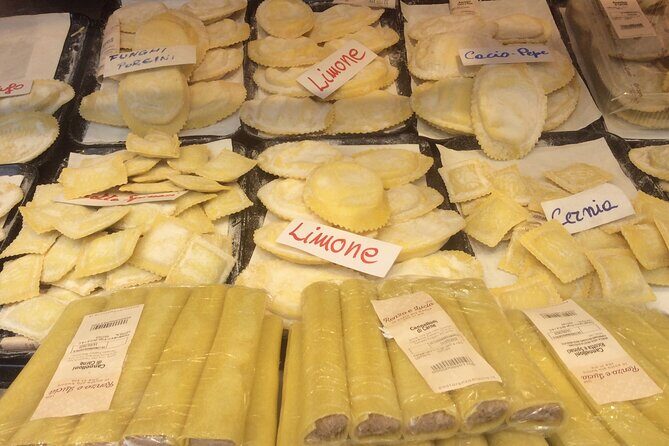
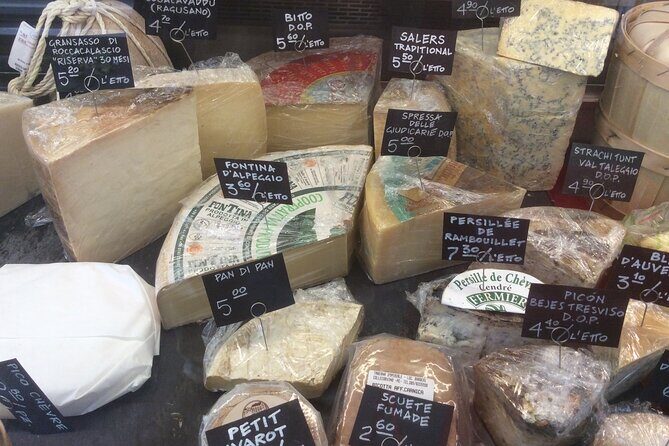
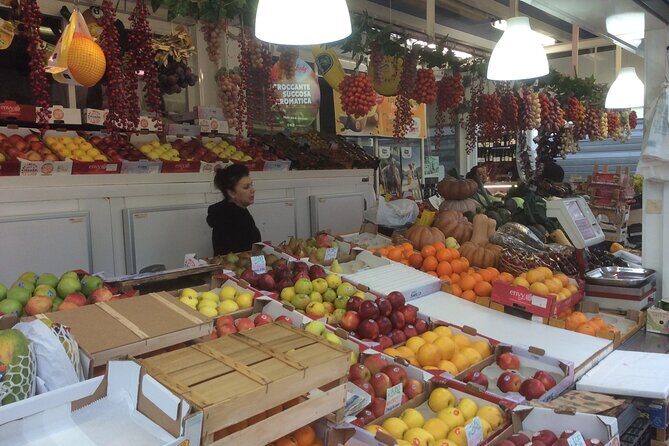
The heart of the tour is Mercato di Testaccio. This is the area for fresh, local products and a mix of longtime stalls plus newer, more experimental food approaches. You’ll get about 40 minutes here, which is a good amount of time for tasting without turning it into a frantic sprint.
This is also where the tour stops being history class and becomes “okay, now I get it.” The tasting portion is the point, and the market layout makes it easy for your guide to compare flavors and explain what you’re looking at. In a place like this, the guide’s job isn’t just to point. It’s to help you understand what’s a signature choice and what’s worth taking home in your brain for later.
One thing to keep in mind: admission is listed as not included for stops, so any market entry fees (if applicable) are not part of the base price as described. Many markets are low-friction, but still—plan like you might pay for a specific experience inside.
You can also read our reviews of more food & drink experiences in Rome



Food tastings, wine limits, and what to expect
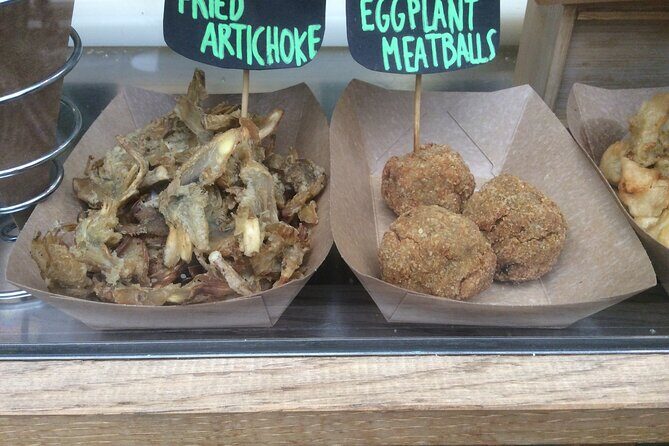
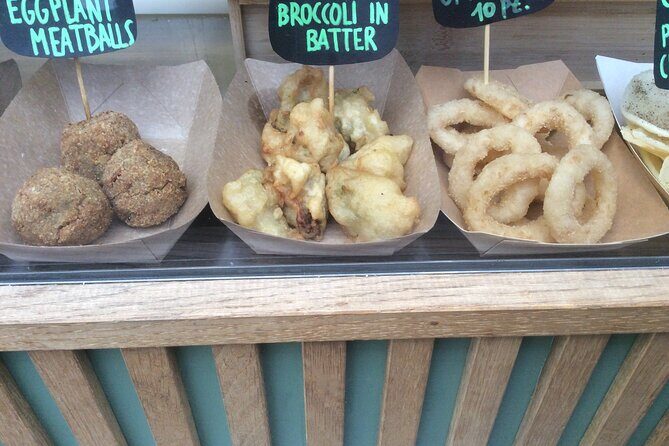
This tour is centered on sampling local specialties, and the tastings are meant to give you a deeper understanding of the food scene, not only to fill you up. In the experience format described, your guide also connects food to neighborhood culture—how people order, how ingredients show up, and why certain dishes matter here.
You should also plan for the possibility of wine being part of tastings. The key detail is clear: minimum age to serve wine is 18. If you’re traveling with teens or you’re avoiding alcohol, you can still join—just plan to tell your guide your preferences early.
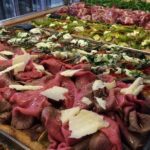
From what guides tend to do in this area, you might see a menu spread that includes things like pizza bianca, sandwiches made with high-quality bread, gelato, and pastries. Some guides also add an apperitivo-style stop afterward—wine and snacks as a bridge between lunch and dinner. Your exact tastings can vary, but the goal stays consistent: you’ll get Roman flavors in small, teachable bites.
Guides and the neighborhood stories that make the walk worth it
The best tours don’t just serve food. They serve context. This one tends to work because the guides bring neighborhood depth, and they’re happy to answer questions.
Two guide names show up in this tour’s experience set: Silvia and Marti. Silvia is described with an art history background in the area, and the way that shows up is in her focus on how ingredients, people, and local food culture connect. Marti is described as very strong at explaining and answering lots of questions, with specific mentions like Jewish artichokes showing up as part of the tasting mix.
Also, you may meet or hear about local characters behind the food—like a panini vendor named Sergio in one example—because neighborhood markets run on relationships, not only recipes. That kind of human detail is where this tour gains personality fast.
If you’re the kind of person who likes asking why something tastes the way it does, you’ll probably enjoy this format.
Price and what $117.11 buys you in real terms
At $117.11 per person for about 2 hours, the value comes from a few things working together:
- Private tour: you’re paying for personalized guiding, not just general access to a group route
- Multiple stops tied to both sights and food: you’re not paying for one market stall and a quick walk-by
- Tasting-focused approach: the price isn’t only for walking; it’s for guided sampling and explanation
There’s one more practical value angle: Testaccio is not where most first-time Rome tourists spend their limited hours. If you want that neighborhood feel but don’t want to figure out the food path alone, this tour gives you a shortcut—with context attached.
If you’re on a super tight budget, you might compare to cheaper group food options. But if you care about the guide-led stories and the private feel, the price starts making sense.
Logistics that matter: meeting point, timing, and transit
You’ll start at Piramide (Piramide00154 Rome) and finish at Testaccio Market, Via Aldo Manuzio 66b, 00153 Roma. Starting near Piramide is helpful because it gives you an easy anchor for both arriving and later returning to the market area.
The tour is listed in English and uses a mobile ticket. It’s also marked as near public transportation, so you can get there without stressing.
One timing reality: with four stops totaling about 110 minutes (20 + 20 + 30 + 40) plus transition time, you’ll want to treat it as a focused morning or early afternoon window. If you’re trying to cram it between long museum visits, it can feel a bit rushed.
Who should book this Testaccio market walking food tour?
This is a strong fit if you want:
- A food-forward Rome moment that still includes meaningful landmarks
- A neighborhood setting rather than a single famous sight
- A guide who connects food to Roman culture and local habits
- A short outing that still leaves you with ideas for your own meals later
It may be less ideal if you want wall-to-wall major monuments like you’d get downtown. This walk’s power is Testaccio itself, not the headline list.
Families can join, since the tour allows all ages. Just remember the wine limit at 18+, and plan to enjoy the tastings that are appropriate for everyone.
Tips to make the most of your 2-hour walk
A few small habits can make this kind of tour smoother:
- Come hungry, but not starving. You’ll have multiple tasting bites, and you want room for the last stop at the market.
- Wear good walking shoes. You’re moving through an urban neighborhood with steady pacing.
- Ask one ingredient question early. If your guide explains how something is made or where it comes from, it changes how you taste later.
- If you avoid alcohol, say so at the start. That way your guide can steer the tastings accordingly.
- After the tour, keep exploring Testaccio. Ending near the market is practical—you’re already in the right spot to continue on your own.
Should you book it? My honest take
I’d book this tour if you want Rome that feels human: a real neighborhood, real market energy, and food tastings tied to history you can actually understand on a walk. The private format helps, and the stop selection is a smart mix—Pyramid of Cestia for ancient context, Piazza Testaccio for the neighborhood mood, Monte Testaccio for food-historical meaning, and Mercato di Testaccio for the flavors.
I might skip it if you’re only chasing the biggest “postcard” landmarks and you don’t care much about market culture. In that case, you’d get more bang for your time elsewhere.
If you’re a foodie with limited time in Rome and you want to leave with a stronger sense of how locals eat and why, this is a solid choice.
FAQ
How long is the Rome Testaccio market walking food tour?
It runs for about 2 hours.
Is this tour private?
Yes. It’s a private tour/activity, and only your group participates.
Is the tour offered in English?
Yes, it’s offered in English.
Are admission tickets included?
Admission tickets are not included for the listed stops (the itinerary notes this for each stop).
Where does the tour start and end?
It starts at Piramide00154 Rome and ends at Testaccio Market, Via Aldo Manuzio, 66b, 00153 Roma.
Are service animals allowed?
Yes, service animals are allowed.
Is there an age limit for wine tastings?
Yes. The minimum age to serve wine is 18.