REVIEW · COOKING CLASSES
Rome: Small Group Pasta cooking class near Piazza Navona
Book on GetYourGuide →Operated by Alecu Andreea · Bookable on GetYourGuide
Small-group pasta near Piazza Navona feels personal. I love how tight the group is (max 6 people) and how convenient it is to reach right from the old center (a 5-minute stroll from Piazza Navona). You’ll also get a real, guided food experience with pasta you make yourself plus prosecco, wine, limoncello, and tiramisu. The only drawback to consider: at $147.27 per person for a 3-hour class, it’s best value if you’ll truly enjoy the cooking part and the included drinks, not if you only want a quick snack.
This is the kind of Rome activity that works even if you’ve already done the big sights. The class is built around choosing your pasta shape (like fettuccine, tonnarelli, or maltagliati) and your sauce, with a chef teaching you as you work. Expect a cheerful, friendly vibe, including English-friendly support, and learn enough to recreate at least the basics back home.
In This Review
- Key Things I’d Book This For
- A 5-Minute Walk from Piazza Navona Means Less Transit Time
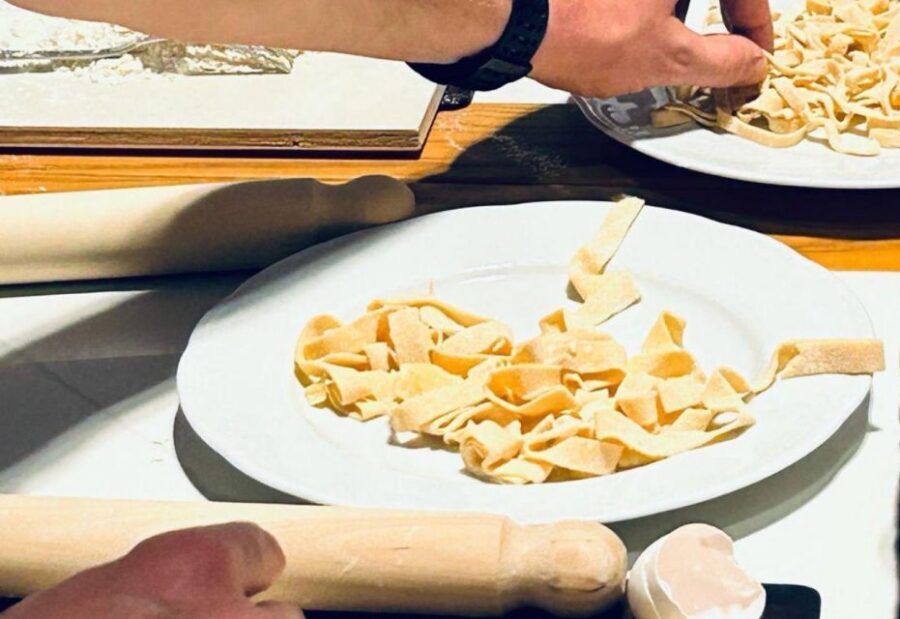
- What You Actually Make: Fettuccine, Tonnarelli, or Maltagliati
- The Chef-First Format: Cooking With a Real Process, Not Just Recipes
- Prosciutto and Artisan Cheese Pair Well with the Lesson
- Prosecco, Wine, and Limoncello: Drinks Are Part of the Culture Here
- Tiramisu Lesson: The Dessert You’ll Want to Recreate
- How the 3 Hours Feel: A Focused, Social Meal Party
- Who Should Book This Pasta Class Near Piazza Navona?
- Price and Value: What $147.27 Really Covers
- Tips to Get the Most Out of Your Pasta Session
- Should You Book This Pasta Class Near Piazza Navona?
- FAQ
- How long is the Rome pasta cooking class?
- How many people are in the small group?
- What pasta types can I make?
- Can I choose my sauce and ingredients?
- What drinks are included?
- Is tiramisu included?
- What food items are included besides pasta and dessert?
- What languages does the instructor speak?
- Is the activity wheelchair accessible?
- Is there free cancellation and a pay-later option?
Key Things I’d Book This For
- A small group of 6 keeps the lesson hands-on, not crowded.
- Piazza Navona location makes it easy to pair with your sightseeing day.
- Choose your pasta: fettuccine, tonnarelli, or maltagliati from scratch.
- Pick your sauce and ingredients, then cook with what you choose.
- Drinks are part of the class: prosecco, plus wine or a non-alcoholic cocktail, and a limoncello shot.
- Tiramisu is taught live, right before you eat it.
A 5-Minute Walk from Piazza Navona Means Less Transit Time
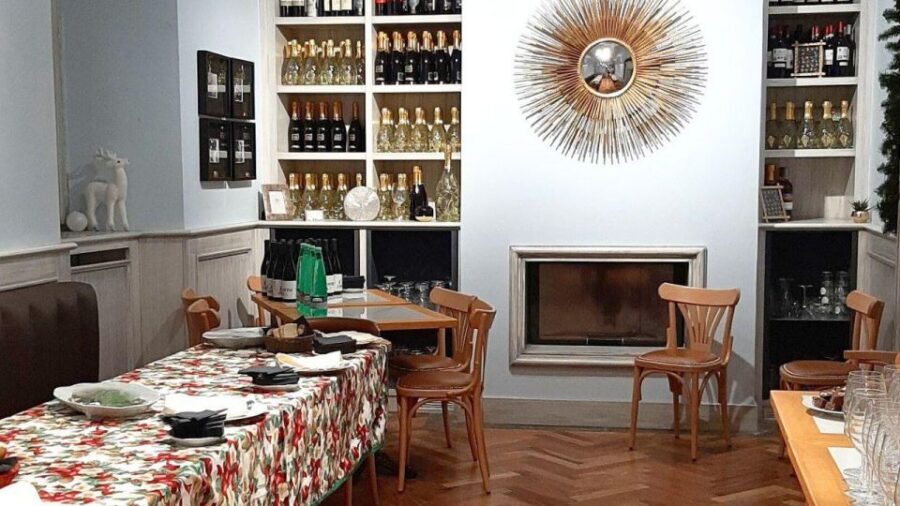
The big advantage here is location. You’re set up close to Piazza Navona, with only a short walk to get there, which matters in Rome where time and stairs add up fast. It’s a smart pick if you want a food activity without turning your day into a transportation puzzle.
Because the setting is close to the center, it also fits naturally into the rhythm of a sightseeing day. You can do the morning museums, walk the streets at midday, then come back for a focused cooking session. And after you’re done, you’re already in the thick of it—no long commute needed.
One practical note: the class is only 3 hours, so you’ll want to time it so you’re not rushing in right before it starts. Think of it as a scheduled food experience, not a casual wander-and-snack.
You can also read our reviews of more cooking classes in Rome
What You Actually Make: Fettuccine, Tonnarelli, or Maltagliati
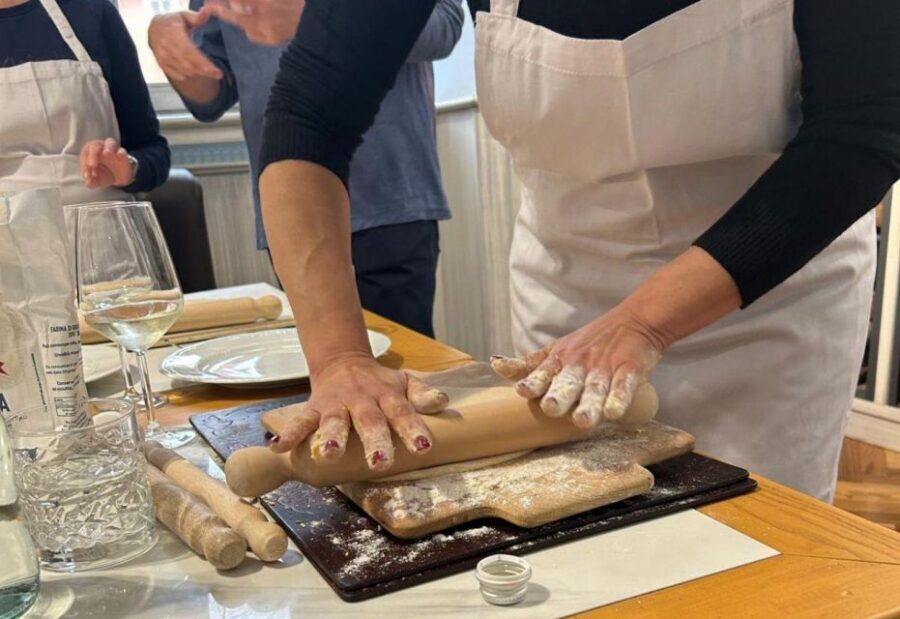
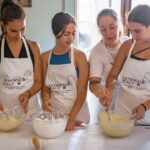
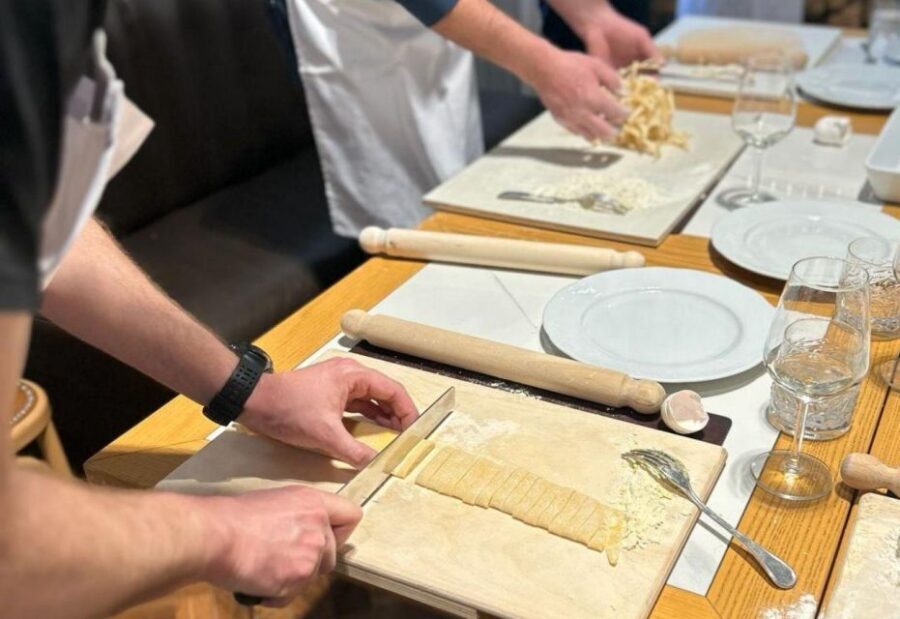
This class isn’t just watching someone else cook. It’s hands-on, and you get to choose what you make from scratch—fettuccine, tonnarelli, or maltagliati. That choice makes the class feel personal, because you’re shaping your own pasta, not just repeating steps.
You’ll also pick your sauce and fresh ingredients. That’s a big deal for value: you don’t just learn technique, you learn how ingredients and sauce choices change the result. In Rome, where pasta is often treated like a whole system (shape + sauce + texture), this is the kind of lesson that sticks.
The chef instruction is supported in English, Spanish, and French. In the feedback connected to the experience, people highlight the teaching style and the way interpretation support helps everyone follow along. One review specifically credited chef Davide/David and an interpreter named Iheb for keeping the whole experience smooth and fun. If you want to feel included—especially if your Italian is basic—that kind of support makes a difference.
The Chef-First Format: Cooking With a Real Process, Not Just Recipes
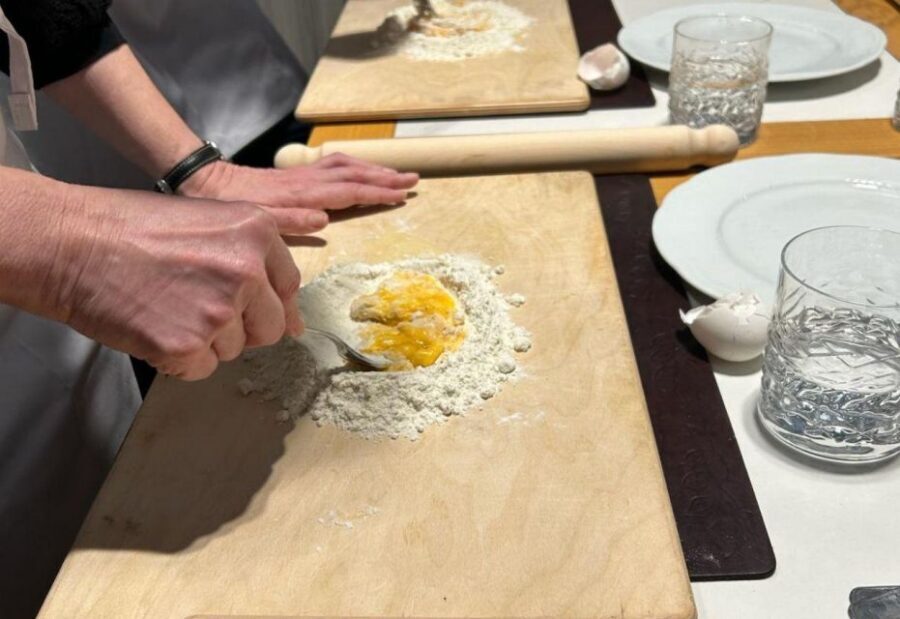
The lesson structure is built around live cooking while you participate. You’ll learn as the chef works, then you’ll apply the steps yourself. That rhythm is what makes classes like this more useful than a cookbook session—you see timing, texture, and how adjustments happen in the moment.
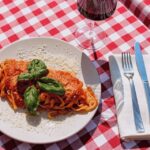
And yes, you’ll be eating what you make. You get your own handmade pasta with a sauce of your choosing, so it’s not a situation where you do the work and then eat something separate. It’s the most satisfying way to learn: finish a task, then taste the result immediately.
This kind of process also helps you avoid the most common pasta-making mistake: getting the feel wrong and thinking it’s all about exact measurements. Even without a long lecture, you learn what the dough should look like and how it behaves as you work.
Prosciutto and Artisan Cheese Pair Well with the Lesson
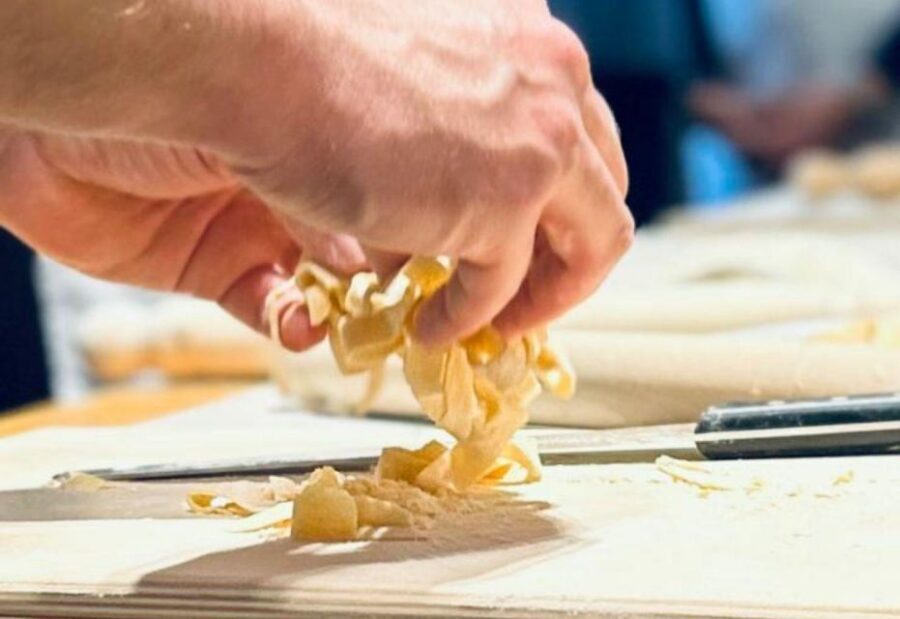
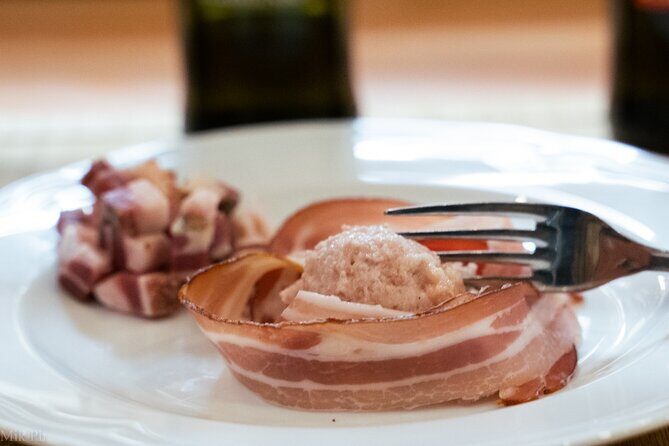
You don’t start with only flour and chaos. You get a selection of prosciutto and cheeses, which sets you up for the cooking session and turns it into a proper Roman meal. Think of it as a welcome plate that gives you something salty and satisfying while you get oriented.
This matters because pasta-making is physical. Kneading, rolling, shaping—those steps take focus. Having a starter on the table helps you settle in instead of arriving hungry and rushing through the lesson.
It also adds variety to the experience. Instead of being “all pasta all the time,” you get a balance of cured meat, cheese, and then the fresh pasta you make yourself. That makes it feel like a complete food evening squeezed into 3 hours.
Prosecco, Wine, and Limoncello: Drinks Are Part of the Culture Here
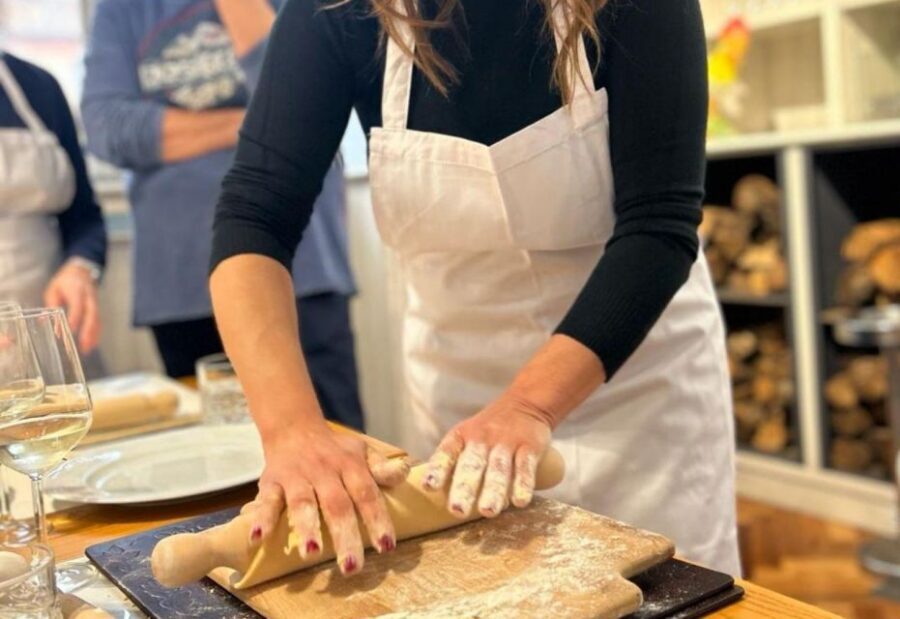
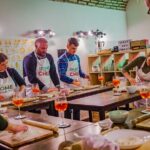
This class includes drinks, and they’re not random add-ons. You get one glass of prosecco plus one glass of wine or a non-alcoholic cocktail. You also finish with a shot of limoncello.
Why does this pairing work? Because it matches the pacing. The prosecco and wine make the start feel celebratory and keep energy up during hands-on work. Then limoncello at the end acts like a bright, zesty closer—an Italian-style finish that complements the sweetness of dessert.
If you’re someone who likes food experiences to feel festive but not chaotic, this setup can be a win. You get adult beverages included, but the structure stays centered on the cooking and the meal you’re making.
You can also read our reviews of more tours and experiences in Rome
Tiramisu Lesson: The Dessert You’ll Want to Recreate
The tiramisu part is more than you just getting dessert. The chef teaches the classic method, and you can take notes on tips as it’s made. It’s whipped up right before you, which helps you understand texture and timing—the things that matter most when you’re building layers.
In practice, tiramisu is a recipe where people often think it’s about ingredients alone. This class gives you a way to see the process: how you approach the components and what you’re aiming for visually before serving. That makes the dessert lesson more practical than a general explanation.
Then comes the payoff: you eat it as part of the experience. The limoncello shot adds that punchy citrus finish, so the dessert doesn’t feel heavy or flat.
How the 3 Hours Feel: A Focused, Social Meal Party
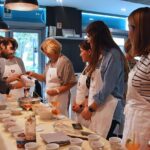
A 3-hour cooking class can go two ways: either it’s rushed, or it’s relaxed enough to learn. Here, the small group size—6 people max—pushes it toward the relaxed side, because the chef can interact with everyone.
The social tone seems to land well with different groups. One highlight from the feedback is that the experience worked well for a family setting with chef Davide/David and interpreter Iheb guiding the session. Another note praised the friendly mood with pleasant people. That suggests the class isn’t stuck in stiff formality—it’s a warm environment built for conversation while you cook.
If you’re a first-timer, this is a good match. You don’t need to already know how to make pasta to follow along. But if you’re an experienced home cook, you may still enjoy it because you can compare your technique to the chef’s approach—especially around dough handling and sauce pairing.
Who Should Book This Pasta Class Near Piazza Navona?
This fits best if you want one of these outcomes:
- You want an authentic Roman food experience that’s more hands-on than a museum stop.
- You enjoy learning technique, not only eating well.
- You like a small group setting where you can ask questions and actually follow the steps.
It’s also a nice choice if you’re pairing an evening meal with a structured activity. You’ll leave with a full belly, a clearer idea of how Italian pasta is assembled, and enough notes to try something at home.
If you dislike structured classes, or if you only want to watch, you might find it less rewarding. The value here is tied to participation and the included food and drinks, so plan to engage.
Price and Value: What $147.27 Really Covers
$147.27 per person is not a bargain, especially in a city full of free sights and inexpensive meals. But this price isn’t only for dinner—it’s for a chef-led, small-group, hands-on lesson with ingredients and drinks included.
Here’s what you’re paying for in practical terms:
- Instruction in multiple languages (English, Spanish, French), which helps the class be understandable and inclusive.
- Your own handmade pasta with a sauce you choose.
- Starter food (prosciutto and cheese).
- Drinks: prosecco, wine or a non-alcoholic cocktail, plus a limoncello shot.
- Dessert: tiramisu with a lesson on the classic method.
In Rome, that combination is the key to the value. A meal alone would cost money, and it wouldn’t teach you the method. A private cooking lesson would cost even more. This lands in a middle zone: not cheap, but focused on teaching and tasting, and designed for real interaction.
If you’re the type of traveler who buys experiences you’ll remember and repeat, this is the kind of spend that usually makes sense.
Tips to Get the Most Out of Your Pasta Session
You’ll have the best time if you treat the class like the main event. Wear comfortable clothes you can move in, because pasta-making involves hands-on work. If you tend to snack all day, try not to arrive overly full—you want room for the prosciutto, cheese, the pasta you make, and tiramisu.
Also, be ready to participate. Even if your pace isn’t perfect, the lesson is set up for learning. Asking questions when you’re uncertain is part of the experience, not a distraction.
Finally, plan to take at least a few notes during the tiramisu portion. The best “souvenir” from this class won’t be photos—it’ll be a short list of what you need to repeat the dessert at home.
Should You Book This Pasta Class Near Piazza Navona?
Yes, if you want a small, chef-led cooking class that turns Rome’s famous food into an experience you control. The max 6-person size is a big part of why it feels friendly and effective, and the location near Piazza Navona makes it easy to fit into a tight itinerary.
I’d skip it only if you’re looking for a low-cost meal with minimal participation. At this price, you’ll want to value the hands-on pasta, the included drinks, and the live tiramisu lesson.
If that sounds like your kind of Rome evening, this class is a strong bet.
FAQ
How long is the Rome pasta cooking class?
The class lasts 3 hours.
How many people are in the small group?
The group is limited to 6 participants.
What pasta types can I make?
You can make fettuccine, tonnarelli, or maltagliati.
Can I choose my sauce and ingredients?
Yes, you choose your favorite sauce and fresh ingredients.
What drinks are included?
You get one glass of prosecco, plus one glass of wine or a non-alcoholic cocktail, and one shot of limoncello.
Is tiramisu included?
Yes. You’ll make and enjoy classic tiramisu during the class.
What food items are included besides pasta and dessert?
You’ll also have a selection of prosciutto and artisan cheeses.
What languages does the instructor speak?
The instructor speaks English, Spanish, and French.
Is the activity wheelchair accessible?
Yes, it’s wheelchair accessible.
Is there free cancellation and a pay-later option?
Free cancellation is available up to 24 hours in advance for a full refund, and you can reserve now and pay later.