REVIEW · ROME
Rome: Roman Master Chef Cooking Class with Wine
Book on GetYourGuide →Operated by The Roman Food Tour · Bookable on GetYourGuide
There’s something satisfying about making dinner in Rome. I love the fact that this class is hands-on in a real Roman restaurant setting, and I also love that you leave with recipes you can actually repeat at home. You learn how the classic Roman flavors come together while sipping Italian wine and other drinks with an English-speaking chef.
The main consideration is timing. Even though the class runs about 2.5–3 hours, the start can be a little fluid, so don’t plan tight connections right after.
You’re not just watching a demo. You’ll help make homemade pasta from scratch, prepare tiramisu, and then sit down to enjoy what you made—either inside the restaurant or on an outdoor terrace, depending on the setup.
In This Review
- Key things I’d circle before you book
- Roman cooking in a real restaurant setting
- Where the class starts: meeting up and getting set for success
- Handmade Roman fettuccine: what you’re learning, not just making
- Practical tip if you want the best results
- Tiramisu in class: coffee layers and cocoa control
- Wine, limoncello, and the pacing of the meal
- If you’re sensitive to alcohol
- After cooking: sit down and eat your Roman meal
- Dietary needs: how to get the version that works for you
- Price and value in Rome: what $32 really buys
- Who should book this Roman chef class
- Should you book it? My straight answer
- FAQ
- How long is the cooking class?
- What does the class include?
- What is the meeting point?
- Is the instruction available in English?
- Do they offer dietary options?
- Do you drink alcohol during the class?
- Do you get recipes to take home?
- Is there free cancellation?
- Can I reserve without paying right away?
- Where do you eat after cooking?
Key things I’d circle before you book
- Small-group, hands-on instruction: you get real guidance, and in at least one class the group size was around a dozen.
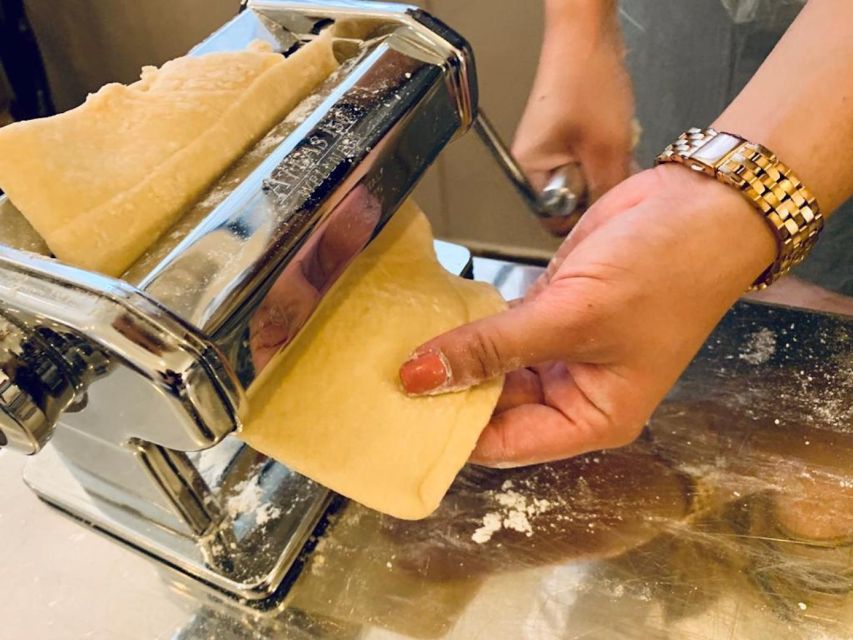
- Roman fettuccine from scratch: dough work, rolling, and shaping focus on doing it the Italian way.
- Tiramisu made in class: coffee-flavored dessert layers with cocoa, taught step by step.
- Drinks that match the food: fine Italian wine plus limoncello (and coffee/soft drinks/water).
- English instruction with interactive hosts: instructors like Sid, Eleonor, Eddie, Giacomo, and Mathilde are mentioned across classes.
- Take-home recipes: you get the material to recreate the meal later.
Roman cooking in a real restaurant setting
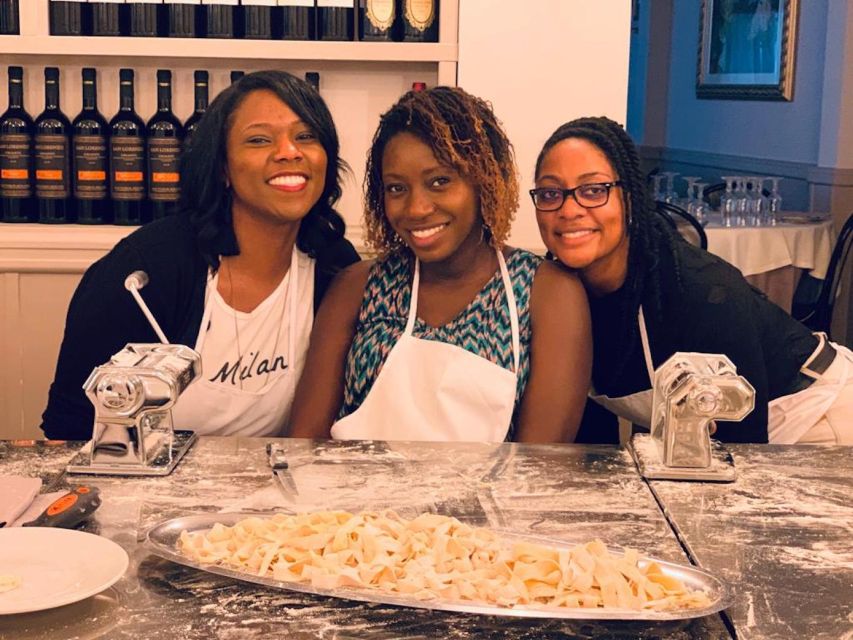
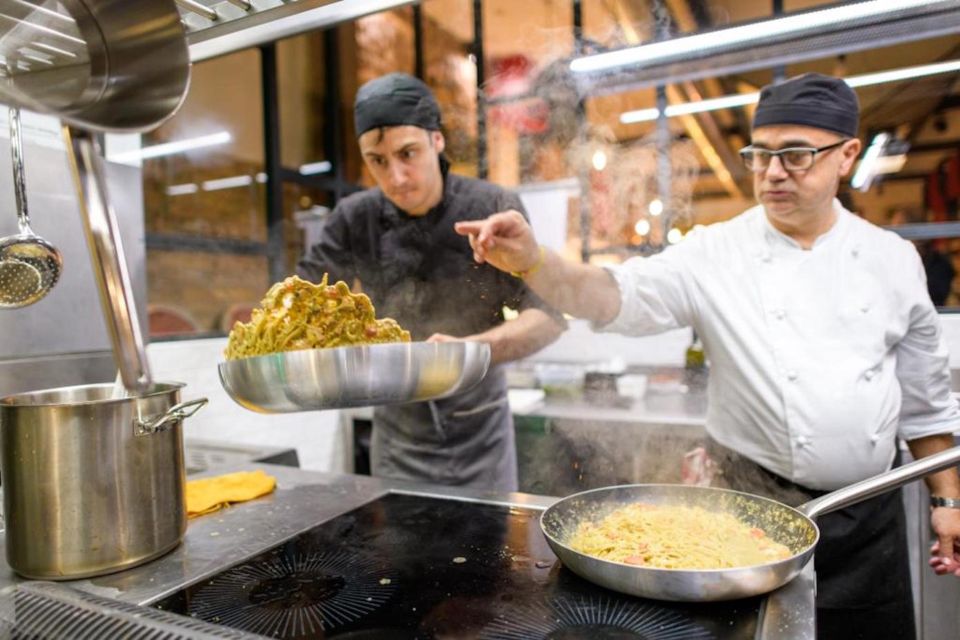
This experience feels different from the typical “tour then snack” rhythm. You’re not just learning recipes in theory—you’re cooking them in a Roman restaurant environment, which matters more than you might think. Restaurant kitchens and dining rooms have a certain pace: you learn how the meal comes together while the room stays practical and busy, not like a staged cooking set.
Your chef guide leads in English, and the class is built for you to participate. That means you’ll handle dough, work the tiramisu process, and get feedback along the way so your results come out more like an Italian meal than a science project.
If you’ve ever tried to make fresh pasta at home, you know the first attempt can be messy. Here, you get the kind of step-by-step structure that saves time and frustration—plus it’s a great way to pick up the “small technique” details that separate good pasta from great pasta.
You can also read our reviews of more tours and experiences in Rome.



Where the class starts: meeting up and getting set for success
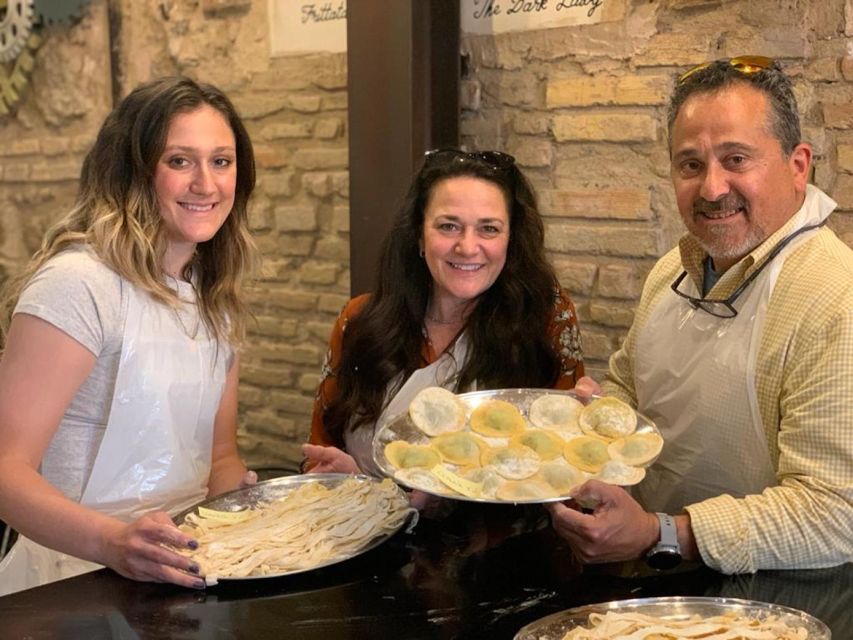
The meeting point can vary depending on what you book, so treat the confirmation info as your map. The good news: once you’re there, the session is designed to move smoothly.
At the start, you gather what you need—tools and ingredients for fresh pasta and tiramisu. That prep moment matters. When everything is staged and organized, the class feels efficient, and you don’t waste the best part of your time waiting for missing items.
From the instruction style you’ll likely experience, the hosts tend to keep things clear and keep the energy up. Multiple classes mention hosts who were funny and very interactive, and that’s not just about entertainment; it helps you stay focused during repetitive tasks like dough handling and layering.
Handmade Roman fettuccine: what you’re learning, not just making
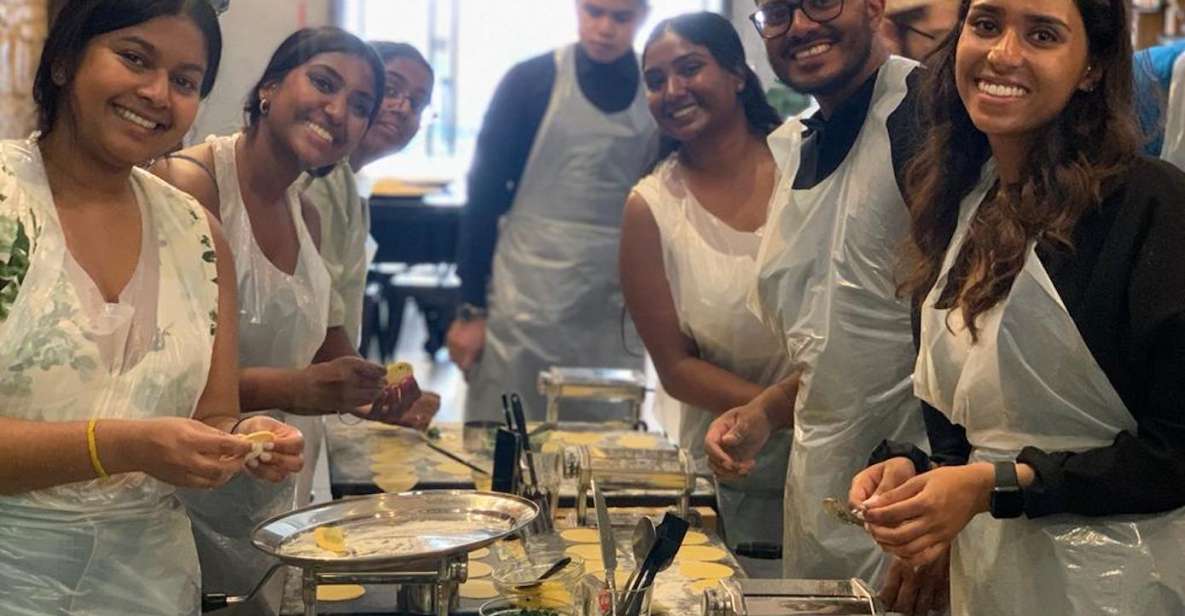
The star of the savory portion is homemade fettuccine. This is the part that turns the class from a pleasant activity into a skill you can bring home.
You’ll learn the process for making pasta dough from scratch, including how to handle it so it rolls properly. Then you shape the fettuccine—an approach that’s much easier to copy later when you’ve felt the dough texture with your own hands.
Here’s the real value for you: you’re not only learning ingredients. You’re learning timing and pressure. Pasta dough is sensitive—too dry and it cracks, too wet and it sticks. In class, a guide can correct you while you’re still in the middle of it, so you leave with a repeatable baseline.
A helpful detail from other sessions: some classes include a second pasta like ravioli in addition to fettuccine. If that’s on your schedule, it’s a bonus. If it’s not, you’re still getting the core Roman pasta technique that matters most.
Practical tip if you want the best results
Wear something comfortable. You’ll be working with dough, and even if the instructors are organized, you’ll still want mobility for kneading/rolling steps.
Tiramisu in class: coffee layers and cocoa control
Making tiramisu sounds simple until you’re actually building layers and managing texture. This class teaches it as a process, not a last-minute assembly trick.
You’ll make a coffee-flavored dessert with layered components and cocoa. The instruction style you’ll get is step-by-step and geared toward getting the dessert right the first time. That’s a big deal if you’ve ever made tiramisu at home only to end up with something too loose, too firm, or oddly flavored.
The payoff is twofold:
- You learn how the layering technique changes the final bite.
- You learn how to pace yourself—tiramisu is as much about timing as ingredients.
And yes, the drinks help the vibe. When the class starts with a beverage—sometimes prosecco and hot drinks like cappuccino are mentioned—you’re already in the right mood before you start assembling.



Wine, limoncello, and the pacing of the meal
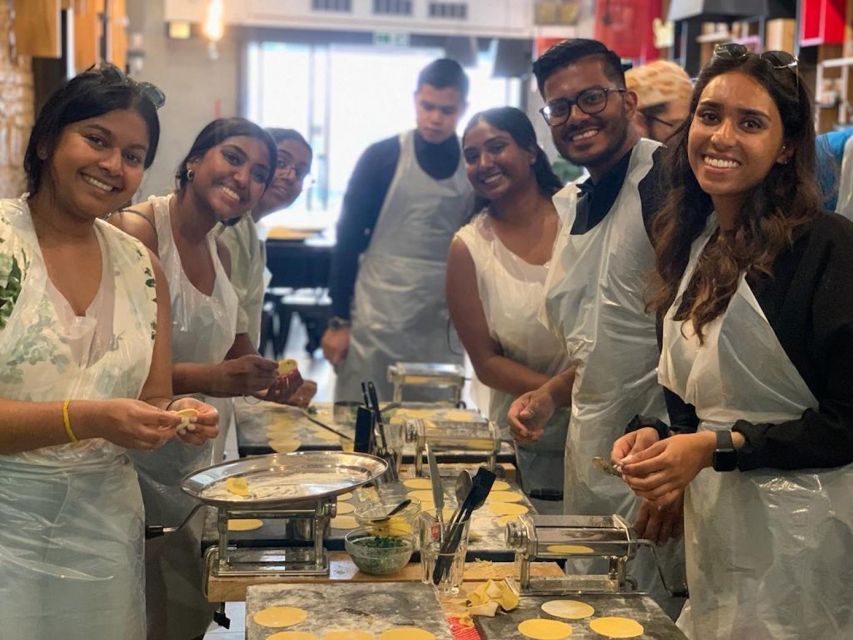
A big part of why this class feels like a Roman experience is the pairing of food and drink. You’ll sip fine Italian wine and limoncello, plus coffee, soft drinks, and water. That’s not just “included extras.” It changes how the class flows, because you’re not rushing through tasks for fear of missing the meal.
In several accounts, hosts also bring personality to the table—music can be part of the atmosphere, and there’s a lot of guest interaction. That energy helps if you’re traveling solo or want a fun social moment without the pressure of a formal group dinner.
If you’re sensitive to alcohol
You’ll have non-alcohol options too, since coffee, soft drinks, and water are included. Still, it’s smart to pace yourself—especially if you plan to walk around Rome afterward.
After cooking: sit down and eat your Roman meal
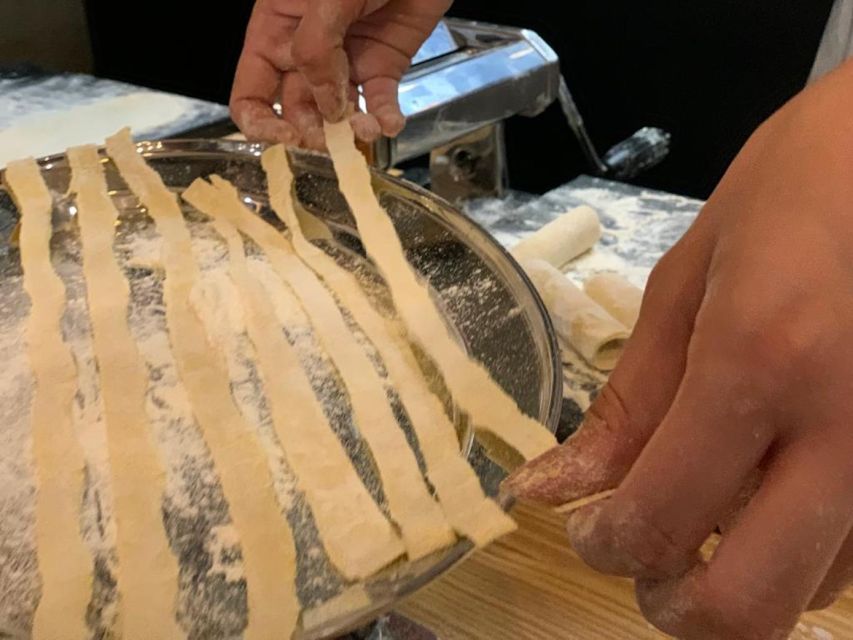
Once the hands-on portion is finished, you don’t just pack up your apron and go. You sit down to enjoy the results in a locally loved Roman restaurant, or on an outdoor terrace if that’s the setup.
This is one of those small differences that makes the activity feel complete. You learn the techniques, you do the work, and then you taste the outcome in context. That helps your brain connect instruction to reality: you understand what good pasta should feel like in your mouth, and what well-built tiramisu should taste like once it’s been assembled correctly.
Also, because you’re in a dining setting, you get a more “Roman day” than a checklist of tasks. You can make this class the anchor of a relaxed afternoon.
Dietary needs: how to get the version that works for you
The class supports dietary options, including vegetarian, vegan, lactose intolerant, and other diets. The key point for you is to inform the provider when you book.
That matters because pasta and dessert components often need specific swaps. If you wait and hope it’ll work out on the day, you risk being stuck with a less satisfying version. With dietary notes sent ahead, the kitchen and chef can plan the substitutions.
If you’re vegan or lactose intolerant, ask for confirmation of what’s changing. The tour data confirms options are supported; your job is making sure the details match your needs.
Price and value in Rome: what $32 really buys
At $32 per person, this is priced like a very good deal for what’s included. You’re getting:
- a guided cooking class (local chef and host),
- homemade pasta and tiramisu production,
- wine plus limoncello,
- coffee, soft drinks, and water,
- and take-home recipes.
In Rome, you can easily spend more than that on one restaurant meal plus drinks. Here, you’re paying for an experience that includes both education (you learn techniques) and entertainment (the chef instruction and group energy), and it ends with you eating what you made.
The value is strongest if you:
- want a hands-on food activity that teaches you something,
- enjoy Roman flavors and desserts,
- and like the idea of leaving with written recipes.
It’s less perfect if you only want a short snack, or if you already know exactly how to make fresh pasta and want a full-day cooking program instead. But for a 2.5–3 hour block, the payoff-to-price ratio is hard to beat.
Who should book this Roman chef class
This class fits best if you want a structured, fun food experience without needing advanced cooking skills. It also works well when you want to meet other people—some sessions are around a dozen people, and the format encourages interaction.
You’ll probably enjoy it if:
- you’re a first-timer in fresh pasta,
- you love tiramisu and want the real method,
- you want an easy, high-impact activity for your first visit,
- you like learning from an English-speaking chef guide.
You might skip it if:
- you dislike cooking with your hands,
- you’re looking for a long, detailed tasting tour with lots of stop-and-start sightseeing,
- or you want to focus specifically on making sauces (one person wished sauce-making was included, even though the core focus is pasta and tiramisu).
Should you book it? My straight answer
Yes, if you want a memorable Roman food moment that’s more than eating. This is a hands-on class with Roman fettuccine, tiramisu, and wine/limoncello, taught in English by hosts and chefs who show up prepared and keep the room engaged. The take-home recipes are the practical cherry on top.
If your schedule is tight, plan a little buffer because the start time can be a bit flexible. And if you have dietary needs, send them in when you book so the kitchen can handle the right version.
FAQ
How long is the cooking class?
The class runs about 2.5 to 3 hours.
What does the class include?
You get the cooking class with a local chef guide and host. You’ll make fettuccine and tiramisu, and drinks included are fine wine and limoncello, plus coffee, soft drinks, and water.
What is the meeting point?
The meeting point may vary depending on the option you book.
Is the instruction available in English?
Yes, the instructor teaches in English.
Do they offer dietary options?
Yes. Vegetarian, vegan, lactose intolerant, and other diets are supported. You should inform the activity provider when booking.
Do you drink alcohol during the class?
Yes. Fine Italian wine and limoncello are included, along with coffee, soft drinks, and water.
Do you get recipes to take home?
Yes. You take home authentic Italian recipes you learn during the class.
Is there free cancellation?
Yes. You can cancel up to 24 hours in advance for a full refund.
Can I reserve without paying right away?
Yes. The activity offers reserve now & pay later, where you can book and pay nothing today.
Where do you eat after cooking?
After the class, you sit down to enjoy the meal in a locally loved Roman restaurant or on the outdoor terrace.