REVIEW · COOKING CLASSES
Rome: Pizza Making Cooking Class with Prosecco & Lunch
Book on GetYourGuide →Operated by Travel in Rome · Bookable on GetYourGuide
Rome does pizza lessons right.
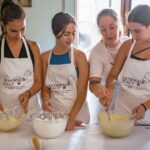
You get a hands-on course where you work with the core ingredients that matter most: water, flour, and yeast. Then you watch your dough turn into real pizza in a traditional wood-fired oven setting near the Spanish Steps, plus you sit down for what you made.
I especially like the personal attention and the clear, friendly instruction style that helps you feel confident. I also like that the experience ends with you eating your own pizza as a proper meal, not just snacks after class.
One thing to consider: it’s not suitable for people with food allergies, and children under 8 can’t join.
In This Review
- Key Things to Know Before You Go
- Pizza Making in Rome by the Spanish Steps
- Inside the Class: Dough, Toppings, and Wood-Fired Baking
- Making the dough (the real foundation)
- Topping and building your pizza
- Baking in a traditional wood-fired oven
- The Meal Part: Prosecco, Soft Drinks, and Coffee
- Skip-the-Line Entry and How the Flow Feels
- Price and Value: Is $54.89 Fair for Rome?
- What to Wear and Who This Fits Best
- What to bring
- Who will enjoy it
- Who might want to skip
- Booking Tips: How to Get the Best Session
- Should You Book This Pizza-Making Class?
Key Things to Know Before You Go
- Wood-fired oven baking: Your pizza is baked in a traditional oven as part of the class.
- Dough from scratch: You’ll learn how to make the dough using water, flour, and yeast.
- You eat what you make: After toppings, you sit down and enjoy your pizza for lunch.
- Prosecco included: You get a welcome prosecco plus soft drinks; wine/beer can cost extra.
- Instructor-led, in English or Italian: The class runs with English and Italian support.
Pizza Making in Rome by the Spanish Steps
If you want Rome in your day, this kind of class delivers. You’re not just watching cooking videos play out in real time—you’re standing at the counter learning the movements and decisions that make Italian pizza work.
The location is a major plus. The pizzeria is near the Spanish Steps, so it fits nicely into a sightseeing day. After 2.5 hours of dough and heat, you’ll have something to bring home in your hands-on memory—plus a meal that feels earned.
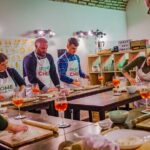
And yes, there’s a social side. You’re in a warm, welcoming pizzeria setting, working alongside your group and your instructor rather than being stuck in a lecture room. The best part is that it’s practical. You learn what to do, not just what to praise.
You can also read our reviews of more cooking classes in Rome

Inside the Class: Dough, Toppings, and Wood-Fired Baking
This is the kind of cooking class that makes you pay attention—because pizza is timing plus technique. The structure is straightforward: you learn the dough, you top your pizza, and then the pizza goes into a traditional wood-fired oven for the final bake.
Making the dough (the real foundation)
You start with the essentials: water, flour, and yeast. That matters because you’re learning the base that everything else depends on. In pizza making, dough isn’t an afterthought. It’s texture, elasticity, and how the dough behaves when you stretch it and it hits the oven.
You’ll work through the process at the pizzeria, following the instructor’s guidance and demonstrations. A common theme in how people describe this class is that the instructions are clear and the demos make sense, so you aren’t left guessing.
Topping and building your pizza
Then comes the fun part: adding toppings. You’re not just assembling a pizza like it’s a grocery order. You’ll learn how to top in a way that works with the dough and the oven conditions.
That’s where the experience shifts from hobby to skill. You learn to think about balance—enough topping to taste, not so much that the pizza gets soggy. You also get the chance to see what happens when your toppings meet the oven’s heat.
Baking in a traditional wood-fired oven
The class includes baking, not just cooking theory. Your pizzaiolo will bake the pizza you prepared. That’s valuable because a wood-fired oven is its own world. The flame, the heat intensity, and how quickly things change are hard to understand unless you experience it.
Even if you never plan to run a wood-fired setup at home, you’ll walk away with a clearer sense of timing and doneness. And you’ll taste the difference between dough that was treated with care and dough that was rushed.
You can also read our reviews of more tours and experiences in Rome


The Meal Part: Prosecco, Soft Drinks, and Coffee
Cooking classes can be a letdown if the meal is an afterthought. Here, the food is part of the deal.
You get a welcome prosecco, plus non-alcoholic drinks to go with lunch. After the work, you sit down and eat the pizza you made at the table. That single point is bigger than it sounds. When you eat what you created, you understand your own decisions—dough handling, topping choice, and how the bake turned out.
There’s also coffee at the end. It’s a small detail, but it’s a very Italian way to close the loop: you’ve cooked, you’ve eaten, and then you finish like the day is complete.
If you want a stronger drink, wine or beer are available for an additional charge. So you can keep it simple with the prosecco and soft drinks, or upgrade if that’s your style.
Skip-the-Line Entry and How the Flow Feels
One of the most practical touches is that you can skip the line through a separate entrance. In a busy central Rome area, that can save you real time and reduce the pre-class stress.
The class itself runs for 2.5 hours, so you’re not signing up for an all-afternoon commitment. It’s long enough to actually learn dough basics and feel like you did something real, but short enough that it doesn’t blow up your sightseeing plan.
People also note that they felt comfortable during the instruction. That usually comes down to how the instructor paces the session: clear demonstrations, direct guidance, and the kind of friendliness that helps first-timers relax. A chef named Hassan has specifically been praised for clear instructions and demonstrations, which gives you a sense of the teaching style you can expect.
For you, the takeaway is simple. If you show up with comfortable shoes and an open mind, this class is built so you can follow along without feeling out of your depth.
Price and Value: Is $54.89 Fair for Rome?
Let’s talk money, but in a useful way. At $54.89 per person, you’re paying for more than “someone tells you about pizza.” You’re getting:
- Ingredient handling and instruction
- Prosecco plus soft drinks
- Coffee with your meal
- Baking help in a traditional wood-fired oven
- A full meal you made yourself
In Rome, cooking classes can vary wildly in what’s actually included. Here, the value is in the combination: you learn a real skill, you use a wood-fired oven (or at least bake there with expert support), and you eat as part of the class.
If your main goal is just to snack near the Spanish Steps, you might find cheaper options. But if you want a real activity that doubles as lunch—and gives you something you can practice later—this price starts to look pretty reasonable.
Also, the 2.5-hour format is part of the value. You get a focused experience without needing half a day of scheduling and transit. Central Rome is expensive in time as well as money, so short, productive tours can pay off.
What to Wear and Who This Fits Best
What to bring
Plan on comfortable shoes. The class takes place in a working pizzeria environment. You’ll likely be standing and moving a bit as you learn dough steps and toppings.
Who will enjoy it
This pizza-making class is a great match if you:
- Want an active Rome experience rather than another museum stop
- Like food with a hands-on payoff
- Enjoy learning basics you can repeat later at home
- Prefer a class that includes a proper sit-down meal
Who might want to skip
The limits are clear:
- Not suitable for children under 8
- Not suitable for people with food allergies
If you have dietary restrictions beyond what’s covered (the details aren’t provided here), you’ll need to be careful and ask before booking. For strict allergy needs, this may simply not be the right fit.
Booking Tips: How to Get the Best Session
This is the kind of class where small choices help you get more out of the time.
First, go in expecting to learn by doing. If you treat it like a show, you’ll miss the value. Pizza making works best when you follow the instructor’s cues closely, then adjust based on how the dough feels under your hands.
Second, keep your schedule flexible around the start time. The duration is fixed at 2.5 hours, but starting times depend on availability. If you’re pairing it with sightseeing near the Spanish Steps, pick a time that leaves buffer for walking and getting seated without rushing.
Third, wear shoes you can stand in for a couple hours. I know that sounds obvious, but Rome sidewalks are not forgiving, and a cooking session makes you stand more than you expect.
Finally, remember the class includes drinks and coffee. That means you don’t need to plan extra food or a long lunch afterward. You’ll already be fed. Use the rest of your day for a walk, a gelato stop, and one more view of Rome from a place you can reach on foot.
Should You Book This Pizza-Making Class?
Book it if you want a practical, food-first Rome experience near the Spanish Steps that ends with a meal you made. The wood-fired oven baking, the chance to make dough from scratch, and the inclusion of prosecco, soft drinks, and coffee are strong value signals for $54.89.
Skip it if you have food allergies you can’t confidently accommodate, or if you’re traveling with kids under 8. Also, if you hate hands-on cooking or you want a quick tasting only, this format may feel like work.
Overall, this is a smart choice for couples and solo food lovers who want something memorable and repeatable—learning how to make pizza in a real Roman pizzeria setting, then enjoying it right away.