REVIEW · WORKSHOPS
Rome: Pizza Making Class Small Group Experience
Book on Viator →Operated by Insideat · Bookable on Viator
Some cities sell you pizza. Rome teaches you pizza.
This hands-on small-group class is set just steps from the Vatican Museums, so you can pair it with sightseeing without wasting your whole day. I like that it starts with a proper Roman-style aperitivo (Spritz plus homemade cheese and pepper chips), then moves into real pizza technique with a chef who explains what matters and why. One thing to consider: you’ll want to tell them about dietary needs ahead of time for the best results with gluten-free.
What makes this experience feel different is the setup. Each person gets a fully equipped workstation, apron included, and you work through dough mixing, kneading, shaping, and topping with seasonal ingredients. The vibe is also very kid-friendly and solo-traveler friendly, which is rare for classes that feel “serious.” A possible drawback: it’s only about two hours, so you’re learning the core steps fast, not doing a slow, multi-day pizza training program.
Another plus: the group stays small (max 14), and the restaurant is air-conditioned, which matters in Rome when the heat turns up. You’ll eat what you make with wine/beer or a soft drink, plus water, and you get an exclusive cookbook to take home. If you’re hoping for a pure sightseeing tour, this is about cooking and eating, not roaming from landmark to landmark.
In This Review
- Key Highlights You’ll Actually Feel During This Class
- Why This Pizza Class Feels Like a Real Roman Meal Plan
- Meeting Near the Vatican: Easy to Pair With Your Rome Day
- Aperitivo First: Spritz, Chips, and a Smooth Start to Dough Time
- Your Workstation: Apron On, Flour Ready
- The Dough Lesson: Mixing, Kneading, Shaping, and the Waiting Game
- Wood-Fired Oven Baking: Timing You Can Feel
- Toppings and Flavor Choices: Classic Margherita or Your Own Build
- Lunch, Drinks, and the No-Cleanup Bonus
- Who Might Love It Most (And Who Should Think Twice)
- Chefs, Energy, and What the Reviews Hint About the Teaching Style
- Price and Value: Why $64.09 Can Actually Make Sense in Rome
- Small-Group Size: Why Max 14 Matters More Than You Think
- Should You Book This Rome Pizza Making Class?
- FAQ
- How long is the Rome pizza making class?
- What’s included with the pizza-making class?
- Is the class suitable for vegetarians, vegans, and gluten-free guests?
- Where do I meet for the experience?
- Is this class small group or large group?
- Does the class run in English?
Key Highlights You’ll Actually Feel During This Class
- Small-group setup (max 14) so you’re not shouting over a crowd
- Aperitivo welcome with Spritz and homemade chips before you touch flour
- Hands-on pizza for every person at a fully equipped workstation
- Wood-fired oven baking and guided technique for dough and shaping
- Included lunch and drinks with no cleanup on your plate
- Dietary options on request (vegan/vegetarian/gluten-free with notice)
Why This Pizza Class Feels Like a Real Roman Meal Plan
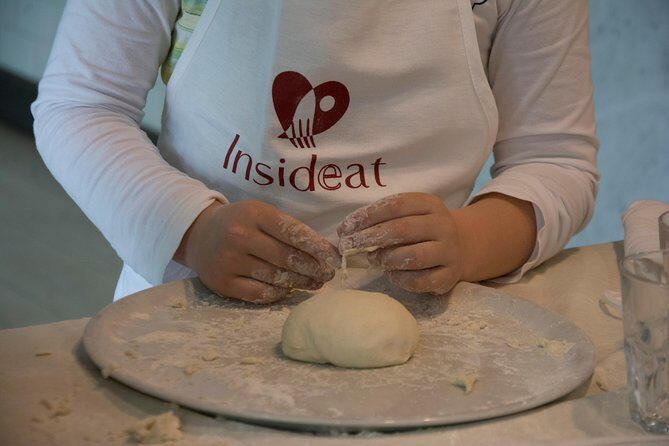
Rome has lots of food tours that end with a “here’s a bite” moment. This class flips the script. You don’t just taste pizza. You build it, bake it, and then sit down to eat your own work right after.
That hands-on rhythm matters. When you learn dough texture, gluten development, and shaping, pizza stops being mysterious. And because the class is near the Vatican Museums, you can think of it as a smart “day anchor.” You get a guided break from museum walking, then finish with a proper meal.
Value also looks strong here because so much is bundled in. You’re paying for technique instruction, ingredient access, cooking tools, lunch, drinks, and a take-home cookbook. In other words, you’re not just buying a ticket to watch a chef work—you’re paying to do it yourself, then enjoy the outcome without dishes afterward.
You can also read our reviews of more tours and experiences in Rome

Meeting Near the Vatican: Easy to Pair With Your Rome Day
The meeting point is Via Andrea Doria, 41 M (Roma RM). It’s in a practical area for getting to and from central Rome sights. The end point returns you to the same meeting spot, which keeps logistics simple.
The class runs about two hours, with one hour of hands-on cooking. That timing is ideal if you’re trying to balance Rome’s pace. You get enough time to learn and bake without feeling like you’re giving up half a vacation day.
Also, the language is English, which helps a lot when pizza talk starts getting specific (hydration, kneading feel, dough elasticity, and oven timing).
Aperitivo First: Spritz, Chips, and a Smooth Start to Dough Time
Before flour ever hits the table, you begin with a classic Italian welcome: a refreshing Spritz paired with homemade crunchy Romano cheese and pepper chips.
This isn’t just a “free drink.” It’s a mood-setting step. You’re warmed up, chatting, and ready to focus once the chef starts talking dough. Plus, those chips are a Roman-style flavor intro. Romano cheese is bold, salty, and familiar in Italian cooking, but usually you only meet it in finished dishes when you’re on your own.
You’ll also have an included drink as part of the lunch menu (Spritz or sparkling wine), plus wine/beer or a soft drink with your meal. So the food schedule has a steady flow rather than a sudden mid-class hunger crash.
Practical note: if you’re planning a full museum day, arrive a bit rested. Starting with aperitivo can loosen your schedule in a good way, but you’ll still want energy for the hands-on portion.
Your Workstation: Apron On, Flour Ready
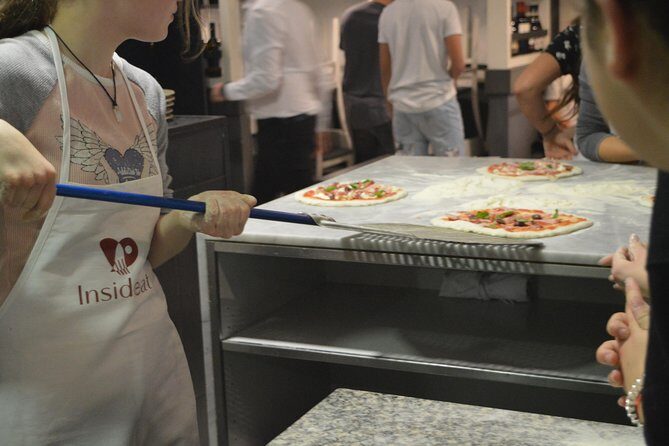
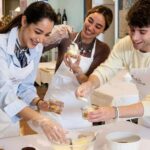
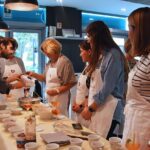
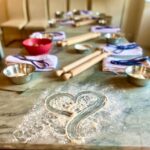
You cook at an individual station. That’s a big deal in classes that feel cramped or “demo-style.” Here, each guest has what you need: an apron and cooking utensils, plus all ingredients for the pizzas you make and eat.
The class is described as suitable for all ages and skill levels, and you’ll see that in how it’s structured. You’re not expected to arrive knowing how to knead dough or stretch it evenly. The goal is that you leave understanding the process well enough to repeat it at home.
Air-conditioning is also a quiet win. Pizza making can be sweaty work in a hot kitchen. Knowing the restaurant is air-conditioned helps you stay comfortable and focused while you learn technique.
The Dough Lesson: Mixing, Kneading, Shaping, and the Waiting Game
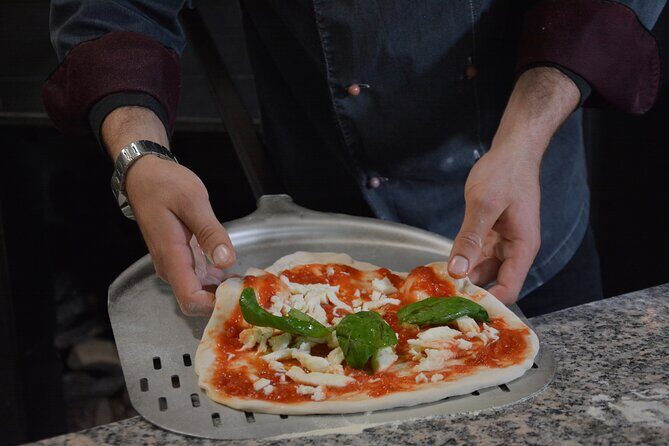
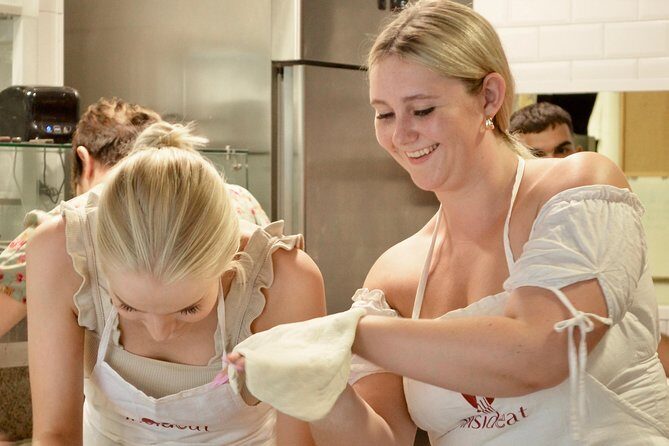
The pizza process starts with the core building blocks—mixing and kneading the dough, then shaping. This is where the class earns its reputation. It’s not only about assembling toppings. You’re learning the mechanics that make pizza chewy and light instead of dense and stubborn.
One review gives a memorable explanation: dough needs a resting time before it behaves properly. In other words, you do the hands-on steps with the class, but the dough you work with is prepared so it’s ready for training and baking. That means you still get the fun part (hands-on flour work) without losing the whole day to fermentation schedules.
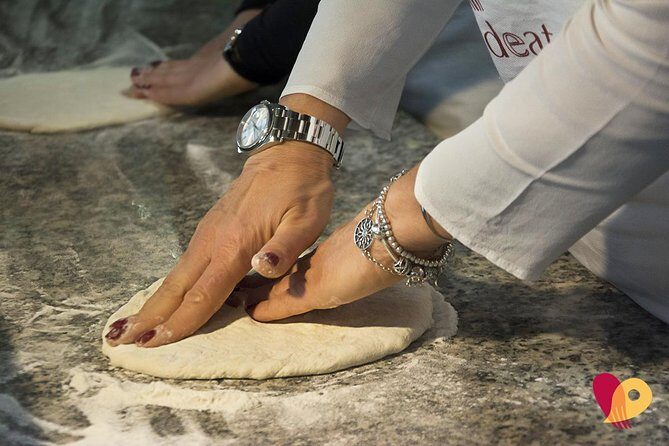
You’ll also be taught techniques for stretching and shaping. Even if you’ve watched pizza videos online, a chef’s cues help. You’re looking for dough that stretches with less tearing and holds shape when topped.






Wood-Fired Oven Baking: Timing You Can Feel
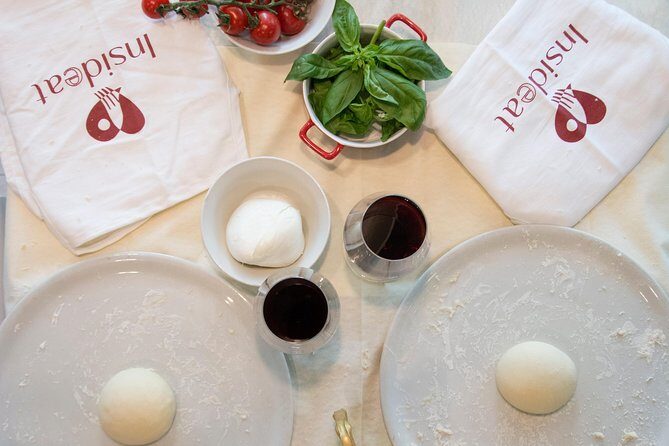
Once your pizza is shaped and topped, it goes into the oven. Reviews mention a wood-fired oven, and that’s exactly the kind of heat that makes pizza different from home results.
Here’s the practical reason the oven step is worth it: wood-fired baking is fast, and the crisp edges plus blistering aren’t just luck. The class gives you guidance on what to watch for—so you don’t end up with pale crust or toppings that dry out.
And you get to do more than just watch. You’re guided through the process of sliding the pizza in and taking it out once baked. That small action makes the whole experience feel earned.
Toppings and Flavor Choices: Classic Margherita or Your Own Build
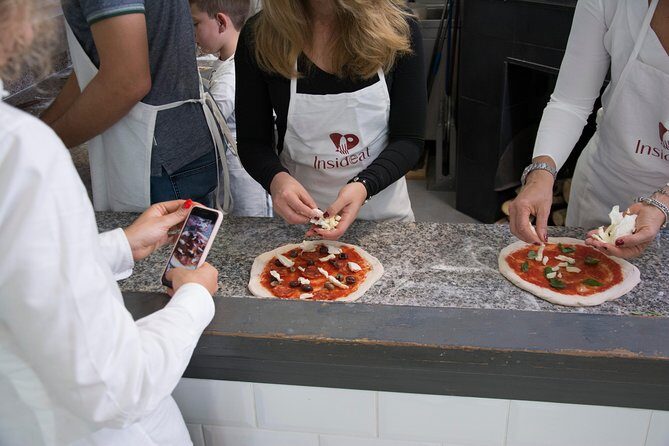
You can choose a classic Margherita or create your own flavor combination. The chef helps you add fresh, seasonal ingredients, and the class covers the logic of building a balanced pizza rather than tossing random toppings and hoping.
What I like about this approach is it gives you flexibility without turning the class into a free-for-all. You still learn technique, but you’re allowed to make it yours.
If you care about dietary needs, this is where advance planning pays off. The class says vegan and vegetarian options are accommodated, and gluten-free options are available if you inform them in advance. That’s important because gluten-free pizza needs different dough handling and ingredients than standard dough.
If you’re lactose-intolerant, the class also states they can accommodate lactose-intolerant guests. That’s a major plus compared with classes that only mention “some adjustments” but don’t explain feasibility.
Lunch, Drinks, and the No-Cleanup Bonus
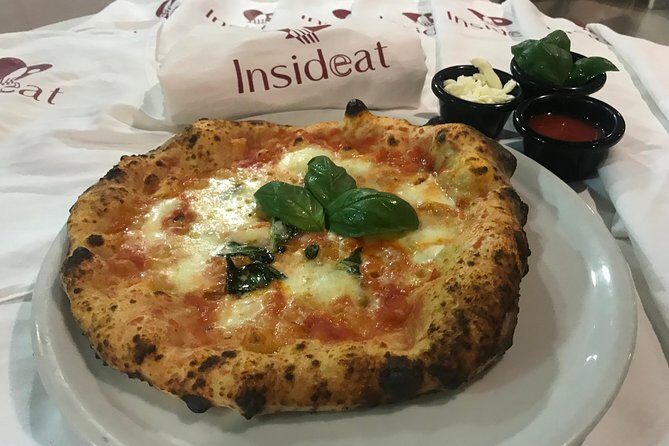
After baking, you sit back and relax on the cozy restaurant floor or on the outdoor terrace. This is where the experience stops feeling like a workshop and becomes a meal.
Your lunch includes:
- Spritz cocktail or sparkling wine (as part of the lunch menu)
- Homemade chips with typical Roman cheese
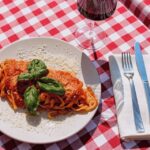
- Your pizza (made by you)
- Wine/beer or soft drink, plus water
You’re basically getting a full food experience, not a couple bites and a certificate. And the “no cleanup” part matters. After handling dough and utensils, the last thing you want is to scrub pans on vacation.
Even better, this feels social without being forced. Small-group size makes conversation easy—whether you come with friends, on your own, or with kids.
Who Might Love It Most (And Who Should Think Twice)
This class is a great match if you want:
- A hands-on Rome activity that’s not another museum line
- A break from long walking days near the Vatican area
- A memorable family experience (it’s described as ideal for all ages, including kids)
- A meal you helped create, then eat right away
It also works for solo travelers. One review mentions a solo participant and others in mixed groups, which suggests the class doesn’t require a big party.
You might think twice if:
- You want a long, in-depth cooking course. This one is focused and time-efficient.
- You’re extremely sensitive to scent or kitchen activity. It’s a working cooking space, not a tasting lounge.
- You plan to wing dietary requests at the last minute. Gluten-free needs advance notice to set up correctly.
Chefs, Energy, and What the Reviews Hint About the Teaching Style
The best classes teach you the “why,” not only the “what.” Multiple reviews highlight instructors who are funny and patient, with a real focus on technique. Names that show up include Chef Carlo and Chef David/Davide, and one review mentions Mara as an instructor.
That matters because pizza is partly technique and partly feel. A chef who explains the science behind steps can turn nervous beginners into confident ones. If you’ve ever tried making pizza at home and couldn’t replicate the texture, you’ll likely appreciate how the class talks about what dough is doing while you knead and shape it.
Price and Value: Why $64.09 Can Actually Make Sense in Rome
At about $64.09 per person for roughly two hours, this isn’t an ultra-cheap add-on. But it’s also not overpriced for what’s bundled.
Here’s the value math in plain terms:
- You pay for instruction from an Italian chef
- You get ingredients and tools you likely wouldn’t assemble on your own
- You eat a full pizza meal you made plus chips
- You receive drinks (wine/beer or soft drink) and water
- You leave with an exclusive cookbook to recreate recipes later
In Rome, food and drink alone can add up quickly, especially if you’re eating well. This experience stacks the cost efficiently because it pairs a guided culinary lesson with the meal experience right after.
Also, the max group size of 14 makes the class feel personal enough that the money goes toward your experience, not just crowd management.
Small-Group Size: Why Max 14 Matters More Than You Think
A small group isn’t just a comfort detail. It changes what you learn.
With fewer people, it’s easier for the chef to correct your dough handling and shaping choices. That’s how you go from guessing to understanding. You also get more time at your workstation without feeling rushed through steps.
And for families, small group size tends to keep kids engaged. One review calls it a top memory for their kids, which matches the hands-on format: children can’t only watch. They need to do.
Should You Book This Rome Pizza Making Class?
Book it if you want a fun, practical Rome experience that mixes technique, real ingredients, and a meal you earn. It’s especially worth it if you’re spending time near the Vatican Museums and you’d like something different from more sightseeing—plus you’ll get drinks, lunch, and a take-home cookbook.
Skip it only if you’re strictly looking for a long cooking seminar or you’re not ready to plan ahead for gluten-free or other dietary needs. For most people, though, this is one of the easiest “yes” activities in Rome: short time commitment, clear payoff, and the kind of food lesson you can actually use back home.
FAQ
How long is the Rome pizza making class?
It runs for about 2 hours total, with around 1 hour of hands-on cooking.
What’s included with the pizza-making class?
You get an aperitivo welcome (Spritz or sparkling wine), homemade chips, your pizza, water, and a drink with the meal (wine/beer or soft drink). You also get an apron, cooking utensils, and an exclusive cookbook.
Is the class suitable for vegetarians, vegans, and gluten-free guests?
Yes. The class states it can accommodate vegan, vegetarian, and lactose-intolerant guests. Gluten-free options are available if you request them in advance.
Where do I meet for the experience?
The meeting point is Via Andrea Doria, 41 M, 00192 Roma RM, Italy. The tour ends back at the same meeting point.
Is this class small group or large group?
It’s a small-group cooking class with a maximum of 14 travelers.
Does the class run in English?
Yes, the experience is offered in English, and you’ll receive confirmation at the time of booking.