REVIEW · COLOSSEUM TOURS
Rome: Pasta, Ravioli & Tiramisu Cooking Class by Colosseum
Book on GetYourGuide →Operated by EnjoyCooking.com · Bookable on GetYourGuide
Pasta night in Rome, done right. This hands-on class teaches handmade pasta and classic tiramisu step by step, led in English by local chefs in a small, friendly setup. You cook, you eat, and you get a recipe book to try again back home.
Two things I really like: the small group size (up to 10) keeps it personal, and the free-flowing Italian wine makes the whole evening feel like a casual Roman dinner, not a stiff lesson. The chef energy matters too, and you might work with instructors such as Marco, Max, or Alex, who all show up with big smiles and a good rhythm.
One drawback to consider: it is not suitable for people with nut allergies, and some dietary needs may be hard to accommodate due to trace ingredients.
In This Review
- Key Things to Know Before You Cook in Rome
- A Small Kitchen Experience Near the Colosseum Vibe
- Making Two Types of Handmade Pasta From Scratch
- What I’d focus on during your pasta session
- Tiramisu the Real Way: Layer by Layer
- Wine, Conversation, and Eating What You Cook
- Why the Price Feels Fair for $112.15
- What to Wear and How to Handle the Practical Stuff
- Who This Cooking Class Is Best For
- Should You Book This Rome Pasta and Tiramisu Class?
- FAQ
- How long is the Rome pasta and tiramisu cooking class?
- Is the class taught in English?
- How many people are in the group?
- What will I learn to make during the class?
- Is wine included?
- Do I get anything to take home?
- Is transportation included?
- Will the class run if the weather is bad?
- What if I have allergies or dietary restrictions?
Key Things to Know Before You Cook in Rome
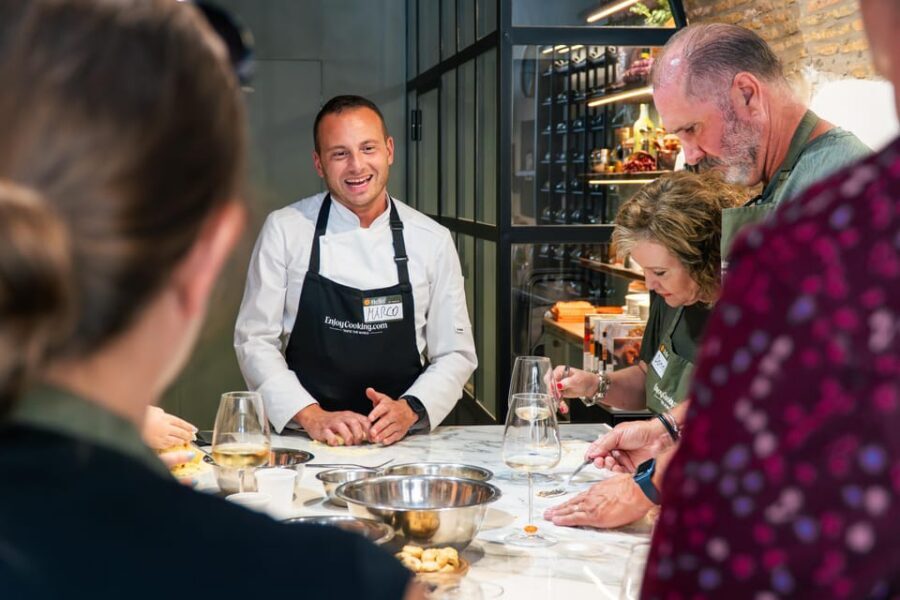
- Up to 10 people means you get real attention while you work the dough and fillings
- Two handmade pasta dishes from scratch, including ravioli in the mix
- Tiramisu made layer by layer with guidance so you can repeat it later
- Free-flowing Italian wine during the session, plus food you helped create
- A recipe book to take home and make your night in Rome last longer
A Small Kitchen Experience Near the Colosseum Vibe
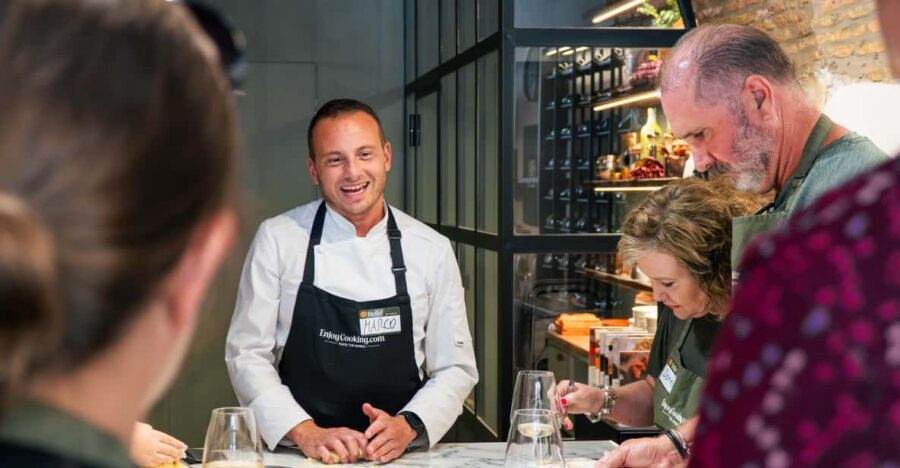
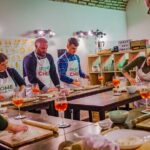
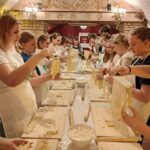
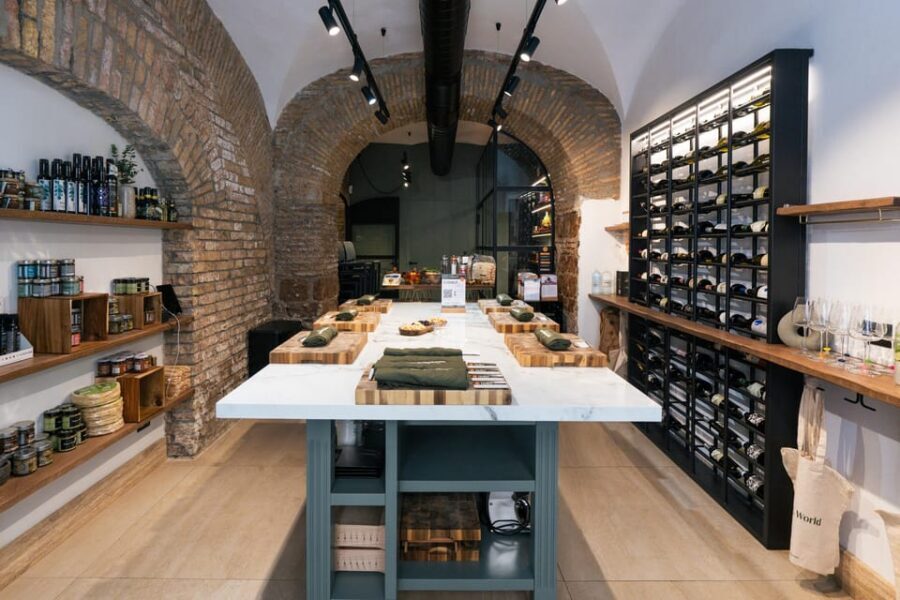
This is the kind of Rome experience that stays practical. You are not watching from a distance or just tasting a plated dish. You’re in the working kitchen, rolling and shaping dough, assembling fillings, and building dessert layers, with an English-speaking instructor guiding you the whole way.
The class is capped at a maximum of 10 participants. That limit changes everything: you can ask questions mid-task, you’re less likely to feel rushed, and you get closer to how Italian home cooking actually happens. It also means the chef can correct technique when your dough feels too dry, too sticky, or just needs a bit more time.
You also get the social part baked in. Between the cooking steps, the table time, and the wine, the evening has a natural flow that feels more like sharing a meal with friends than doing an activity. In one simple sentence, it is a cooking class that turns into a dinner you made yourself.
You can also read our reviews of more cooking classes in Rome
Making Two Types of Handmade Pasta From Scratch
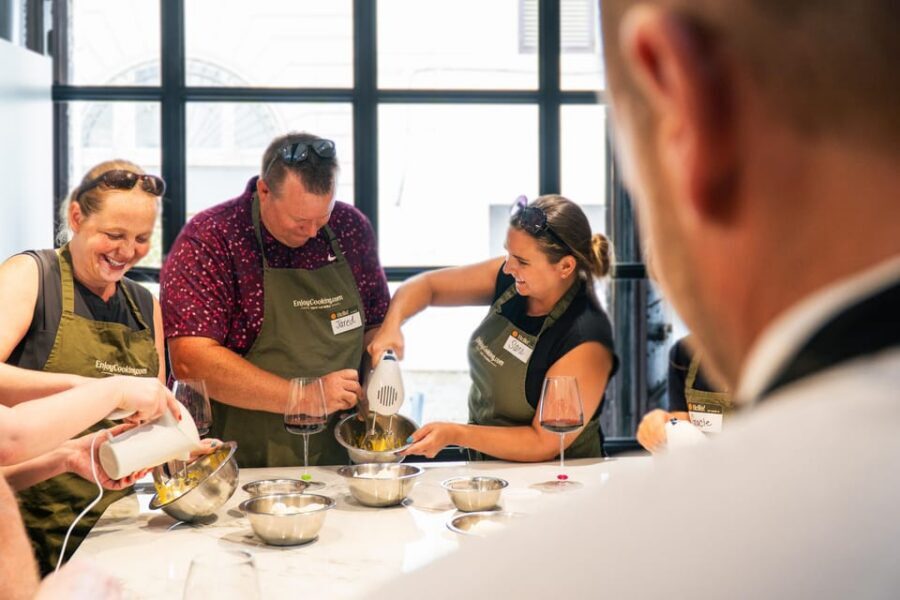
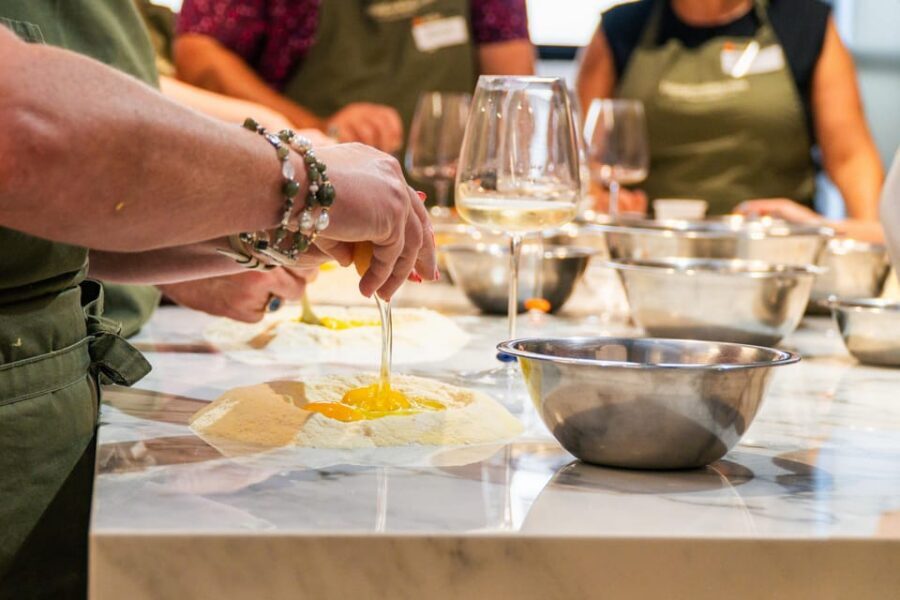
The pasta part is the heart of the lesson, and you start with dough from scratch. You’ll work with ingredients, then move into shaping and cutting. The teaching is step-by-step, and the goal is not just to finish a plate. It’s to understand how pasta dough behaves and how the filling and sauce choices affect the final bite.
One of your pasta dishes includes ravioli. You’ll learn how to roll the dough, cut it into workable portions, fill it, and then finish the final shapes properly. That filling step is where technique matters most, and it’s the point where a good chef can really save you from common mistakes like overfilling or sealing that doesn’t hold.
The class also includes a second type of handmade pasta dish (two types total). What makes this valuable is that it gives you more than one format to practice. You’re not just learning a single trick. You’re learning how Italian cooks think: dough first, then the logic of how the filling and sauce partner up.
What I’d focus on during your pasta session
- Dough texture: too dry or too wet changes everything about rolling and sealing
- Portion control: the right amount of filling keeps ravioli neat and tasty
- Sauce pairing: you learn not only how to shape pasta, but how it should be finished
And because everything is hands-on, it is easier to remember. You do it, you see what works, and then you get to eat the results.
Tiramisu the Real Way: Layer by Layer
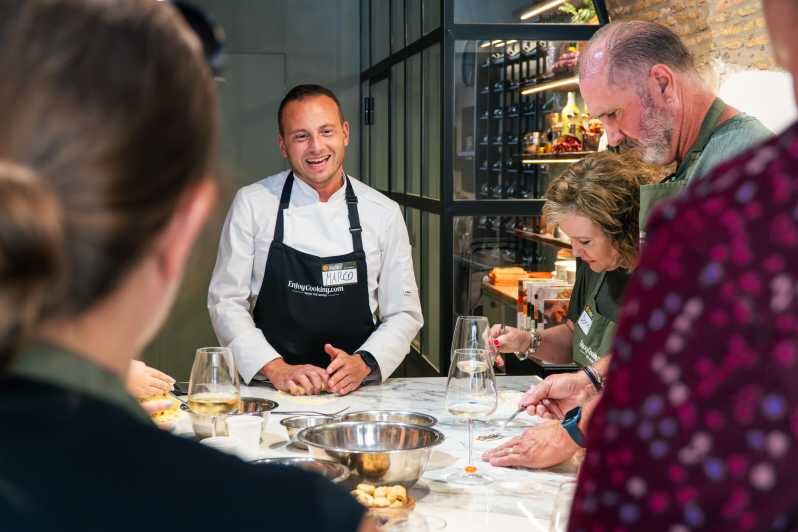
Tiramisu sounds simple until you actually make it. This class treats it like a real skill. You create each layer from scratch, guided by the chef so you get the texture right and don’t end up with something that tastes off or looks uneven.
The focus is on building the dessert in the right order. You’ll work with the creamy layers and the biscuit components, then assemble it so it sets properly. The best part of learning this in class is that you see how the layers should look as you go, not after the fact.
If you’ve ever tried tiramisu at home and wondered why yours didn’t taste like the ones you ate in Italy, pay attention to the details the chef points out during mixing and assembly. The small adjustments often matter more than people expect.
Also, since the class is only about three hours total, the pacing keeps you from getting lost. You are guided through the dessert steps while your earlier pasta work is still fresh in your mind, so the whole evening stays cohesive.
Wine, Conversation, and Eating What You Cook
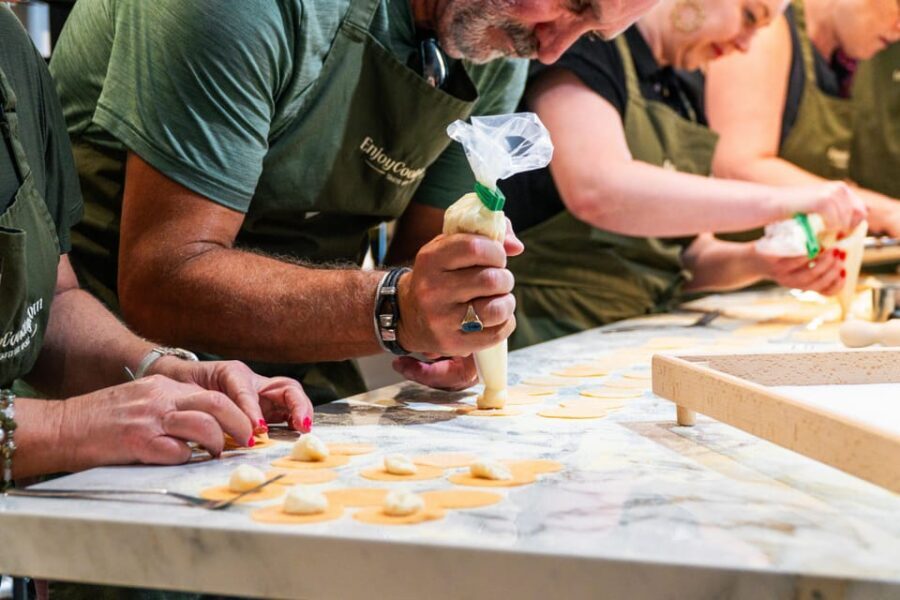
This class includes free-flowing Italian wine. In plain terms, it makes the evening feel like a celebration. You pour and enjoy it during the experience, and if you’d rather not drink wine, the setup also includes unlimited soft drinks.
Even without the wine, the meal has a big advantage: you eat what you make. That matters because it closes the loop. You’re not tasting something prepared in advance and trying to reverse-engineer the recipe. You just shaped the pasta, filled the ravioli, and assembled the tiramisu. Your brain can connect the taste to the steps.
The class ends with you sitting down together to enjoy the dishes. The small group size helps here too. It turns the table into the payoff, with time to chat, compare what you did right, and ask last-minute questions before you leave.
If you’re planning the rest of your night in Rome, this kind of schedule can pair nicely with a nearby evening stroll. You’ll have a full dinner experience in the middle, then energy to do a nighttime landmark visit after.
You can also read our reviews of more tours and experiences in Rome

Why the Price Feels Fair for $112.15
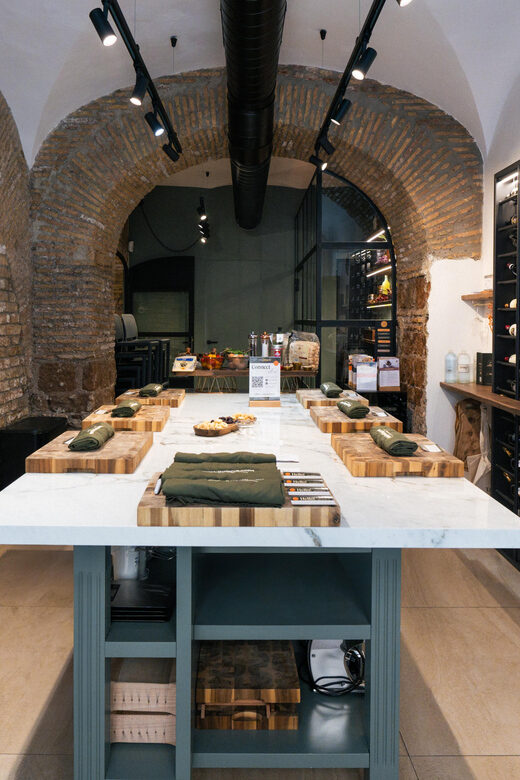
At $112.15 per person for about three hours, you’re paying for several things at once: chef instruction, ingredients, the cooking equipment and workspace, the final meal you eat, and the take-home recipe book. You are also getting the advantage of a small group, which means your time with the chef is less diluted.
For me, value here comes from the hands-on learning. You’re not just buying a ticket for a meal. You’re buying technique you can repeat at home. And the recipe book matters because it gives you a concrete reference when you recreate your pasta and tiramisu later.
If you like cooking classes, this one is easy to justify. If you mostly want a light snack and a casual taste test, then you might feel it’s more work than you expected. But if you enjoy learning through doing, the price lands in a sweet spot.
What to Wear and How to Handle the Practical Stuff
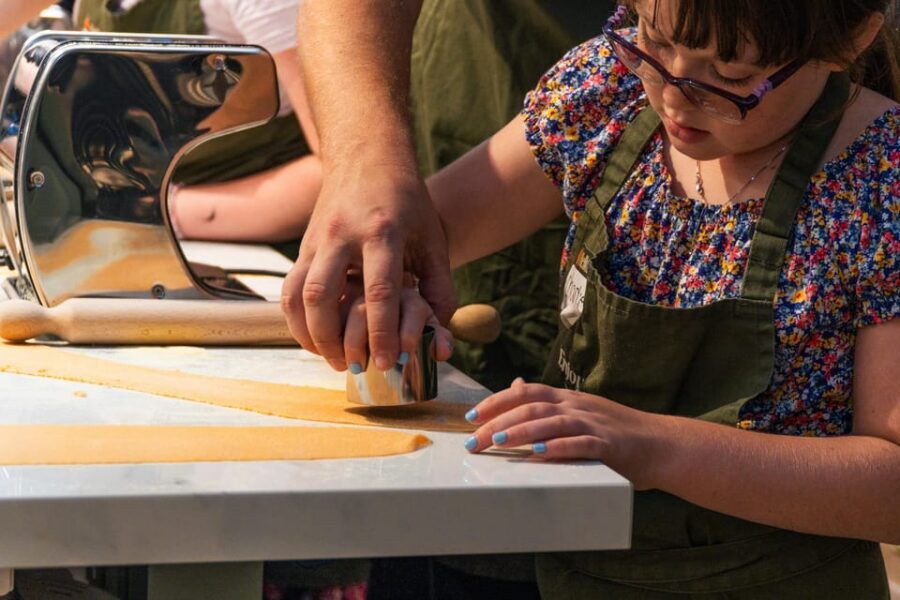
This is still a real cooking session, so dress like you plan to get a little flour on your life. You’re recommended to wear appropriate clothing for cooking. Think comfortable shoes and something you don’t mind getting stained.
The good news: the experience proceeds regardless of weather conditions. Rome rain won’t cancel your pasta night. The kitchen setup handles it either way.
Late arrival is your main risk. If you’re stuck in traffic or wander around too long, late entry is not guaranteed. Plan to arrive with a cushion of time so you can join from the start and keep the flow of the class.
Transportation isn’t included. So you’ll want to handle your own trip to the meeting point, which can vary depending on the option you book. The activity ends back at the meeting point, so you’re not stranded across town at the end.
Who This Cooking Class Is Best For
This class is ideal if you want more than a tasting. It’s designed for both beginners and people with some cooking experience, because the chef can guide you through technique while still giving useful detail.
It’s also great for solo travelers. A small group and a chef-led rhythm makes it easy to participate and talk without feeling awkward.
Where you should be cautious: it is not suitable for nut allergies. You should also tell the organizer about allergies or dietary restrictions right after booking. While the team tries to accommodate needs, some restrictions may not be possible, and trace ingredients can be present.
Should You Book This Rome Pasta and Tiramisu Class?
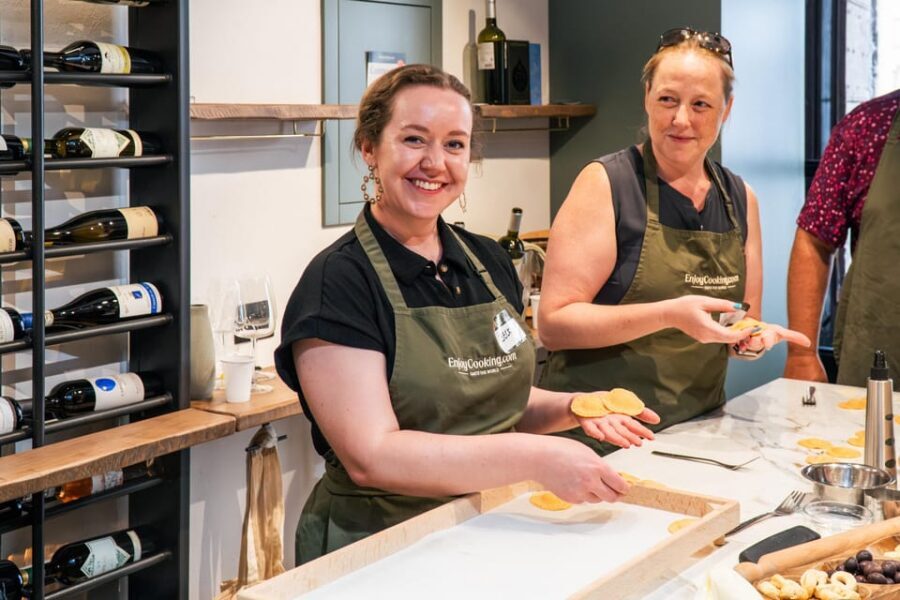
Book it if you want a hands-on Rome evening with real skills: handmade pasta basics, ravioli technique, and tiramisu that you can replicate at home. The small group size and English-speaking chef instruction make it feel personal without being too formal. And the included wine turns the meal into a proper night out.
Skip it if you have nut allergies, or if you strongly prefer a no-wine experience and want the format to stay completely alcohol-free. Also, if you hate cooking or know you won’t enjoy shaping dough, it will feel like work for you instead of fun.
FAQ
How long is the Rome pasta and tiramisu cooking class?
It lasts about 3 hours.
Is the class taught in English?
Yes, the instructor is English-speaking.
How many people are in the group?
The class is limited to a maximum of 10 participants.
What will I learn to make during the class?
You’ll make two types of handmade pasta from scratch and a tiramisu, each with a recipe provided.
Is wine included?
Yes. Italian wine is included and it’s described as free-flowing.
Do I get anything to take home?
Yes. You receive a recipe book so you can practice the dishes later.
Is transportation included?
No, transportation is not included.
Will the class run if the weather is bad?
It will proceed regardless of weather conditions.
What if I have allergies or dietary restrictions?
You should inform the organizer right after booking. Some restrictions may not be possible, and it is not suitable for people with nut allergies due to potential trace ingredients.