REVIEW · COOKING CLASSES
Rome: Pasta Making Course, with Limoncello, Prosecco, Tiramisu
Book on GetYourGuide →Operated by Rachele Zinzocchi · Bookable on GetYourGuide
An hour can taste like Italy.
This Rome class focuses on the stuff you can actually use at home: hands-on fresh pasta and a traditional tomato sauce you’ll hear called pummarola. You also get the full Italian-food arc, from an aperitivo-style toast to dessert, with prosecco, limoncello, and homemade tiramisu built into the experience.
Two things I really like about this setup: the chef-guided “step by step” pasta lesson, and the fact that the meal is part of the lesson, not an afterthought. One thing to consider: the description promises a luxury B&B vibe, but the area and setup can be a bit hard to picture, so I’d confirm the exact space and ingredient sourcing ahead of time, especially since this is described as a totally new offering.
You’ll be in Trastevere, one of Rome’s most atmospheric neighborhoods, and the timing is pitched as a Jubilee-season moment—festive, traditional, and social. It’s limited to 10 people, and the instructor works in Italian and English, so you’re not stuck translating your way through dough.
In This Review
- Key Things That Make This Rome Pasta Class Worth Your Time
- Fresh Pasta in Trastevere: What the Hour Really Feels Like
- Where You Meet and How to Not Get Flustered on Arrival
- Rolling Pin Work: Making Fresh Pasta You Can Actually Repeat
- Pummarola Tomato Sauce: The Classic Sauce Lesson That Makes Pasta Matter
- Toast With Prosecco, Then the Limoncello Finish
- Homemade Tiramisu: The Dessert Part You’ll Want to Recreate
- Value for $65: Is This a Deal or Just a Nice Bottle-and-Dough Story?
- Languages, Pace, and Comfort: What to Expect From the Teaching Style
- Trastevere Timing: Why This Neighborhood Works for a Food Class
- Who Should Book This Pasta Making Course
- Should You Book It?
- FAQ
- How long is the pasta making course?
- What’s included in the experience?
- How many people are in the group?
- What languages are used during the class?
- Where is the meeting point?
- Is the experience wheelchair accessible, and what’s the cancellation window?
Key Things That Make This Rome Pasta Class Worth Your Time
- Fresh pasta, from rolling pin to shaped sheets guided by a chef (not a demo-only show).
- Pummarola tomato sauce training, including the practical steps from chopping to slow cooking.
- Included drinks and dessert: one glass of prosecco, one glass of limoncello, plus tiramisu.
- Small-group energy in a setting associated with Rachele Zinzocchi in central Rome.
- A 1-hour format that fits into a day without swallowing your entire evening.
Fresh Pasta in Trastevere: What the Hour Really Feels Like
This is the kind of Rome experience that works because it’s focused. You’re not chasing ten different stops across town. Instead, you concentrate on one craft—how to make pasta dough and match it with a classic tomato sauce—and then you eat what you made.
The setting is described as a luxury bed & breakfast experience in Trastevere, hosted through Rachele Zinzocchi’s charming house. Even if you’re not obsessed with Roman decor, the main value is that you’re doing a real cooking session in a real neighborhood, not tucked behind a generic tourist curtain.
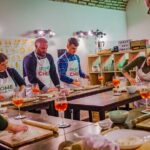
And yes, you’re drinking something nice while you work. The class is built to feel like Italian hospitality: a shared table, a chef who keeps you moving, and a meal that comes right after the learning. Just don’t expect this to replace a full dinner plan—think of it as your “Rome food craft” moment.
You can also read our reviews of more cooking classes in Rome
Where You Meet and How to Not Get Flustered on Arrival
Your meeting point is Rachele’s Charming House in the Heart of Rome, with directions that matter more than you’d think when you’re carrying camera gear and trying not to lose the group.
It’s at Citofonare Zinzocchi, then turn right, stairway B, fourth floor. Rome staircases can be a maze. On a busy Jubilee day, this becomes extra true—people cluster, phones die, and someone always takes the wrong turn.
My practical advice: give yourself a little buffer. Aim to arrive early enough to find the correct building entrance and settle in before the chef starts. If you’re the type who likes to settle nerves with a quick espresso, do that after you find the correct stairwell, not before.
Rolling Pin Work: Making Fresh Pasta You Can Actually Repeat
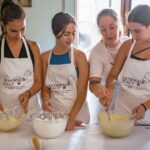
The core of the class is fresh pasta, made with a rolling pin and coached step by step. What you should take away here is not just the final shape, but the tactile logic of the dough.
You’ll put on an apron and follow the chef’s guidance to learn the basics behind a good texture and workable dough. In a lot of “pasta experiences,” you get a quick taste of technique. Here, the promise is more hands-on: you’ll create the pasta you’ll eat.
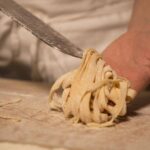
For you at home, that’s the real win. Dried pasta is convenient, but it doesn’t teach you anything. Fresh pasta does. It teaches dough feel—how it holds together, how it rolls, and how the right pressure and handling create a better result. You’ll also learn how to shape it in a way that feels satisfying rather than chaotic.
Pummarola Tomato Sauce: The Classic Sauce Lesson That Makes Pasta Matter
Pasta is only half the story. The other half is the sauce—especially in Rome, where tomato flavor is treated like a craft.
You’ll learn the art of pummarola, the traditional tomato sauce, with the practical flow: cutting tomatoes, then slow cooking. That slow part matters. It’s where acidity softens, sweetness shows up, and the sauce stops tasting like raw tomato.
What I like about teaching pummarola in a pasta class is that it connects technique to taste in real time. Once you understand how to build a sauce that tastes like it’s been working for its flavor, you’re less likely to treat pasta meals as “carb delivery.”
Also, if you’re the type who loves cooking but hates complicated recipes, this is a good match. Slow cooking doesn’t mean complicated. It means patience and consistent heat.
Toast With Prosecco, Then the Limoncello Finish
Food is social in Italy, and this course is designed that way. After the pasta-making moment, you’ll enjoy a glass of prosecco, described as from Rachele’s Charming House in the heart of Rome.
Then comes the limoncello. It’s not just a fun drink. Limoncello’s citrus brightness is a classic way to reset your palate after savory food and before dessert.
If you’re traveling and want a Rome “taste memory” that’s easy to repeat, this pairing is smart. Prosecco is festive and light. Limoncello is sharp and sunny. Together, they keep the meal from feeling heavy and make the tiramisu feel like a proper closing act.
One thing to consider: since the overall course is just 1 hour, your drinks and eating happen quickly. If you’re craving a long sit-down dinner with lingering conversation, you may want to plan something else for your main evening meal.






Homemade Tiramisu: The Dessert Part You’ll Want to Recreate
You finish with tiramisu. The course promises homemade tiramisu served after you’ve eaten the pasta you made.
This is a smart design choice. Tiramisu is familiar to many visitors, but cooking it is another level. Even if you only get tasting (and not a full step-by-step dessert lesson), you still get something tangible: the way it should taste when it’s truly put together rather than assembled from shortcuts.
For you, the takeaway isn’t just sweetness. It’s balance—creaminess with bite, coffee flavor that doesn’t turn bitter, and a texture that holds up after each spoonful.
Think of tiramisu here as the emotional payoff. You’ve learned dough feel, sauce technique, and timing. Now you get the reward.
Value for $65: Is This a Deal or Just a Nice Bottle-and-Dough Story?
At $65 per person for a 1-hour, chef-led pasta class with prosecco, limoncello, and tiramisu included, the value depends on what you want from it.
Here’s why it can feel like good value:
- You’re paying for instruction, not just ingredients and a meal.
- You’re getting multiple included items (pasta + sauce + alcohol + dessert), so your cost isn’t just “cooking class.”
- The small group limit to 10 participants is a meaningful quality signal. In a class like this, more people usually means less attention per person.
Here’s why it might feel like a mismatch:
- If the setting doesn’t match the luxury-b&b vibe in your expectations, you’ll feel that instantly. One past complaint about a similar offering described an apartment-like setup and ingredients that didn’t feel truly fresh. Since you’re being told this is a new product, I’d still confirm the actual kitchen setup, ingredient quality, and how fresh everything is that day.
My practical rule: if you’re booking, ask for current photos of the kitchen/room where the class happens, and ask directly whether the ingredients for the pasta and pummarola are prepared fresh for the class. One message can protect you from a frustrating experience.
Languages, Pace, and Comfort: What to Expect From the Teaching Style
The instructor speaks Italian and English, which is exactly what you want for a technique-heavy activity. Fresh pasta isn’t hard because it’s “mysterious.” It’s hard because you’re learning through feel and small adjustments. Having English support helps you avoid misreading a step and turning a smooth process into a sticky mess.
The group is also small, limited to 10. That usually means you can ask questions and get quick corrections—like how to adjust dough texture or how to handle the rolling without overworking it.
Comfort tip: plan to dress like you’ll work. You might not get dough on your clothes every second, but in a real pasta session, small splatters happen.
Trastevere Timing: Why This Neighborhood Works for a Food Class
Trastevere is one of those Roman neighborhoods that makes even “basic walking” feel like a scene. For this class, that matters because you’re going right into a local, social atmosphere rather than commuting across half the city.
During the Jubilee season, that feeling of festivity can be real. You’re not in a quiet museum-time bubble. You’re in Rome while Rome is lively, and that adds to the mood of a convivial cooking session.
Still, give yourself time to navigate the meeting point. Trastevere streets can be charming, but they can also be crowded and confusing around peak hours. Getting lost doesn’t ruin the experience, but it does steal time from the chef’s flow, and you’ll want to start relaxed.
Who Should Book This Pasta Making Course
This course is a good match if you:
- Want hands-on cooking rather than watching someone else do everything.
- Like the idea of learning a classic Roman pairing: pasta plus pummarola.
- Want a compact, high-reward experience that fits in a busy Rome day.
- Appreciate included extras like prosecco, limoncello, and tiramisu.
It may be less ideal if you:
- Want a long, seated, multi-hour meal with no rush.
- Expect a big formal hotel-style dining room and want that exact luxury vibe confirmed before booking.
- Are very picky about ingredient freshness and prefer experiences where freshness is explicitly described and documented.
Should You Book It?
I’d book this if your goal is simple: learn real pasta-making basics, cook a classic tomato sauce, and eat a complete meal in one focused hour—with drinks and dessert included. It’s the kind of activity that gives you a Rome memory you can reproduce later, not just a photo.
Before you pay, though, do one smart thing: confirm the current kitchen/setup and ingredient sourcing with a quick message. Since this is being described as totally new, you want to make sure the reality matches the luxury promise, not just the concept.
If the space and ingredients check out, this is an enjoyable, practical Rome food experience.
FAQ
How long is the pasta making course?
The course lasts 1 hour.
What’s included in the experience?
You’ll get the pasta making course with an instructor, a prepared meal, one glass of limoncello, one glass of prosecco, and one serving of tiramisu.
How many people are in the group?
It’s a small group limited to 10 participants.
What languages are used during the class?
The instructor is listed as Italian and English.
Where is the meeting point?
The meeting point is Rachele’s Charming House in the Heart of Rome. The directions are: Citofonare Zinzocchi, then turn right, stairway B, fourth floor.
Is the experience wheelchair accessible, and what’s the cancellation window?
The activity is listed as wheelchair accessible. You can cancel up to 24 hours in advance for a full refund.