REVIEW · WALKING TOURS
Rome: Jewish Ghetto and Trastevere, Half Day Walking Tour
Book on GetYourGuide →Operated by Welcome Italy by Spare Tour S.r.l. · Bookable on GetYourGuide
Rome has layers you feel, not just read.
This 3-hour walking tour threads Jewish Ghetto streets with the Rome of Trastevere, so you get medieval, Renaissance, and Baroque sights without the usual crowd path. I like the mix of big landmarks (Tiber Island, Tiber crossings) plus smaller, story-filled corners you’d skip alone. One thing to consider: it’s a steady walk and it is not suitable for wheelchair users or people with mobility impairments.
Two big draws for me are the synagogue focus (including your entrance) and the way the route links neighborhoods together with walking time that still feels relaxed. I also like the guide-led storytelling, where legends and secrets are shared as you go, plus headphones help when groups are larger. The one possible drawback: you’ll want comfortable shoes and you should plan for rain or shine, because the tour runs in all weather.
In This Review
- Key highlights at a glance
- A fast, smart way into two Rome neighborhoods
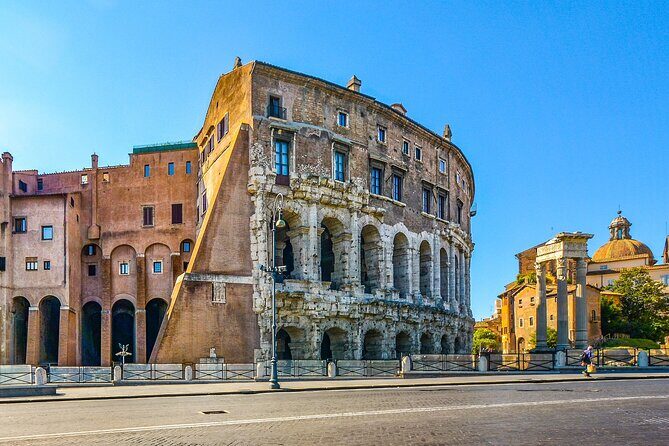
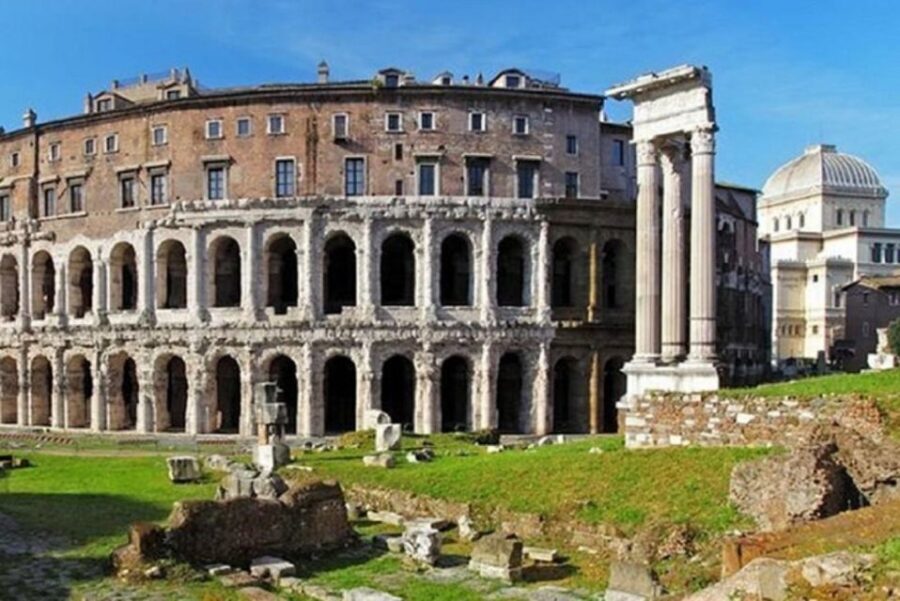
- Meeting at Antico caffè del teatro di Marcello: your Rome “warm-up”
- The Jewish Ghetto on foot: Portico d’Ottavia and the Medieval Synagogue
- Tiber Island and Ponte Fabricio: the crossing that changes everything
- Great Synagogue of Rome: what the included stop adds
- Trastevere: the Roman district vibe, without the tourist overload
- Santa Maria in Trastevere Square: the finish line with a church moment
- Price and value: is $167.66 per person fair?
- Who should book this Rome Jewish Ghetto and Trastevere tour?
- A quick reality check on logistics (the stuff that matters)
- Should you book it?
- FAQ
- How long is the Rome Jewish Ghetto and Trastevere walking tour?
- Where does the tour start?
- What’s included in the tour price?
- Is hotel pickup included?
- Is the tour available in multiple languages?
- Is this tour suitable for wheelchair users?
Key highlights at a glance
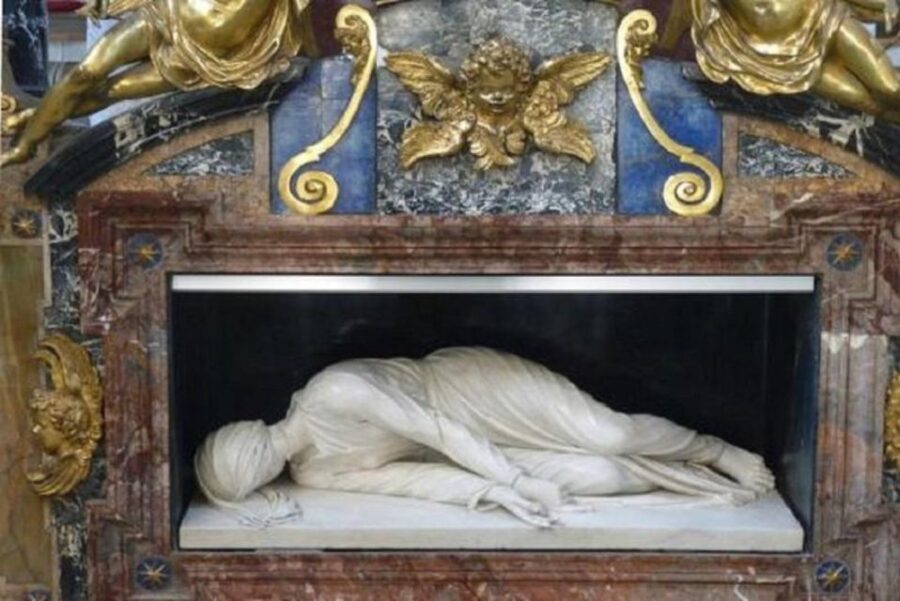
- Starts near Antico caffè del teatro di Marcello, then moves into the Ghetto area around Portico d’Ottavia
- Medieval Synagogue time with an included entrance fee
- Cross Tiber Island and stroll the ancient Ponte Fabricio area for great photo moments
- Great Synagogue of Rome visit on the route, not just a look-from-outside stop
- Trastevere’s calmer rhythm, ending at Santa Maria in Trastevere Square
- Turtle’s mountain viewpoint is part of the walk, giving you a sense of Rome’s shapes and viewpoints
A fast, smart way into two Rome neighborhoods
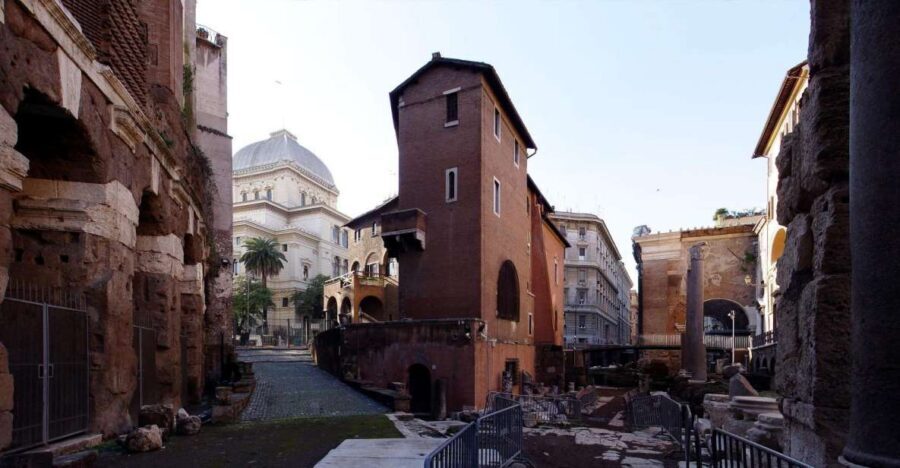
This is the kind of tour that works because it stays human-scale. Three hours is long enough to see meaningful places, but short enough that you’re not stuck in museum mode. Instead, you’re walking through the Jewish Ghetto and then into Trastevere, so the city feels like a living map.
I like how the itinerary is built around transitions. You move from the Imperial city vibe near Teatro di Marcello into the Ghetto’s religious and historical streets. Then you literally cross the Tiber, which is one of those simple Rome experiences that instantly changes the feel of what you’re seeing. The tour finishes with a proper Trastevere moment at Santa Maria in Trastevere Square, where you can watch the square life and also admire the church.
The pacing also gives you breathing room: photo stops, guided stops, then walking stretches that help you keep your bearings.
You can also read our reviews of more walking tours in Rome


Meeting at Antico caffè del teatro di Marcello: your Rome “warm-up”
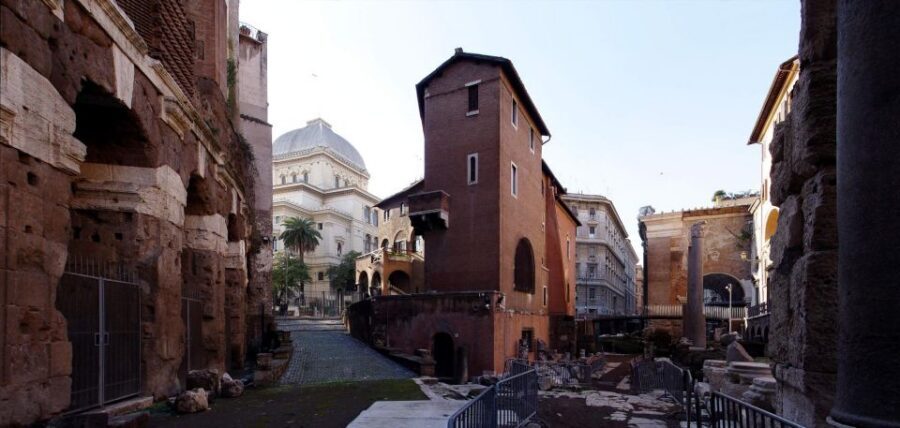
You start at Antico caffè del teatro di Marcello, with the guide waiting in front of the coffee bar. It’s a good choice because it places you near a recognizable anchor point, so you don’t waste time hunting for the group later.
Expect a short first segment with a mix of walking and a quick guided look. You’ll also get an early sense of how Rome shifts from ancient stone to street-level life. Even if you’ve seen a lot of Rome photos, this area helps you understand the city’s layout: sightlines, street angles, and how people actually move through the center.
Practical note: the tour does not include hotel pickup, so plan to reach the meeting point on your own. You’ll end back around the meeting area too, though there can be drop-off options near Campo de’ Fiori or the Monumento a Giordano Bruno depending on the day.
The Jewish Ghetto on foot: Portico d’Ottavia and the Medieval Synagogue
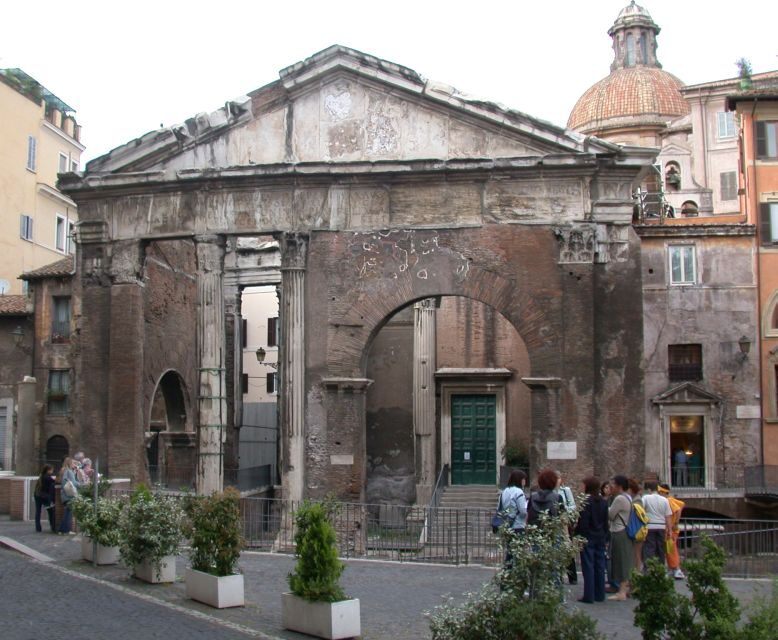
Once you’re through the Ghetto area, the tour starts doing what it promised: showing you the Rome most people skip. You spend about 1.5 hours in the Jewish Ghetto portion, which is enough time to do more than peek at façades.
A key stop is around Portico d’Ottavia—not just as an architectural backdrop, but as part of a larger story about how neighborhoods survive and change. The highlights also mention a Templar area of Portico d’Ottavia, so the guide will likely frame what you see with local explanations as you walk.
Then comes the heart of the tour: the Medieval Synagogue. You’ll get your entrance included, so you’re not paying extra once you’re already on the street. This matters for two reasons. First, synagogue visits can have their own rhythm and rules, and having it handled by the tour helps you stay on schedule. Second, a guided visit usually turns a building into a place—explaining what you’re looking at and why it’s meaningful.
What you should do during this part: slow down. The Ghetto isn’t built for fast photo-only sightseeing. Look for details the guide points out, then take your own photos after the explanation so you capture something real, not just a quick snapshot.
Tiber Island and Ponte Fabricio: the crossing that changes everything
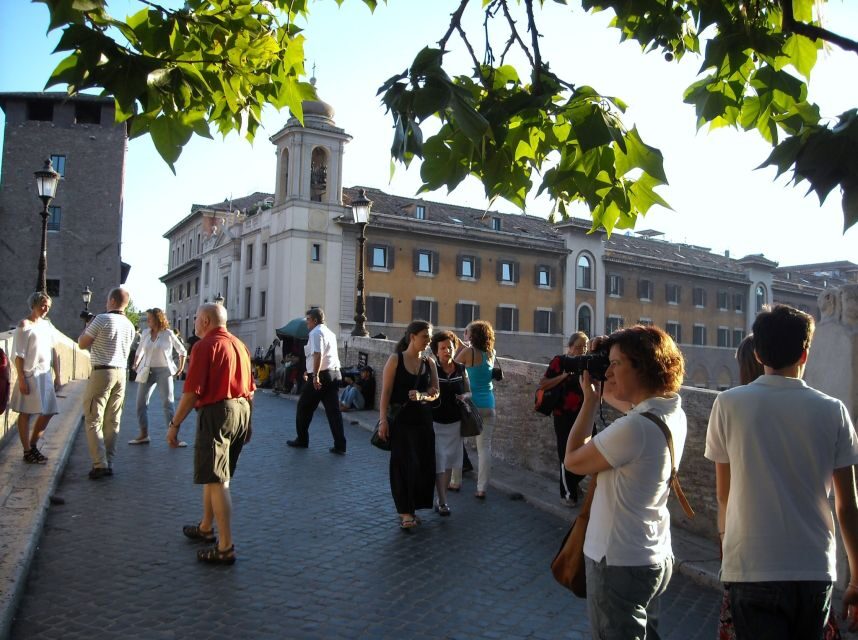
Next, you move toward Tiber Island, with a photo stop and guided walking segment (about 30 minutes). This is where the tour feels more cinematic. The Tiber is wide enough to create a natural pause. It also sets up strong views, so even if you’re not a big “viewpoint” person, you’ll get that Rome photo energy without having to hike anywhere.
Then you stroll the area of Ponte Fabricio, an ancient crossing that gives the whole walk a sense of continuity. You’re not just going from one modern street to another—you’re moving across a historic spine of the city.
Here’s the practical advantage of this section: it breaks up the emotional density of the Ghetto with a calmer walking rhythm. You can re-center, take photos, and let the guide’s stories land before the tour shifts again into Trastevere.
Great Synagogue of Rome: what the included stop adds
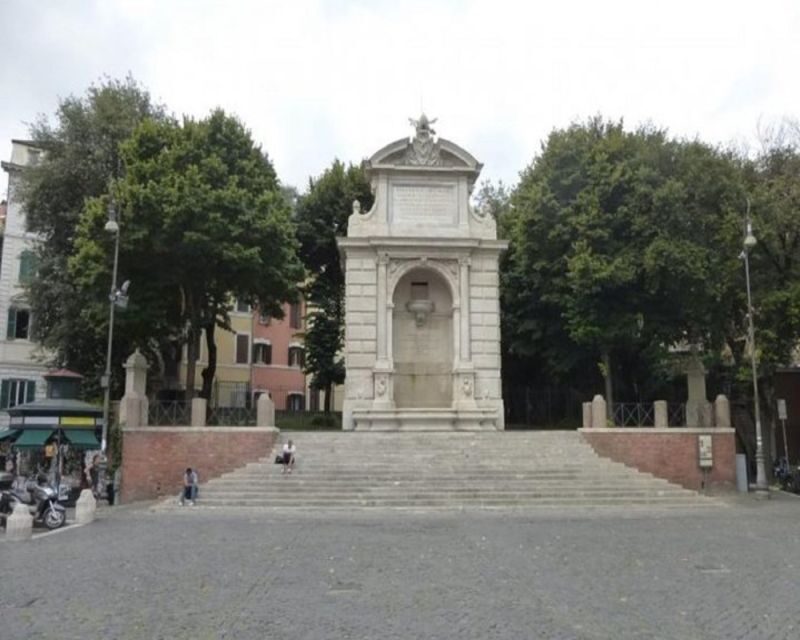
The Great Synagogue of Rome is another major reason this tour feels worth the price. Many walking tours cover the Ghetto from the outside. This one includes a guided visit with entry included, which makes your time more efficient and more complete.
Expect this stop to be both visual and informational. You’ll get time to look and also time to understand what you’re looking at. With headphones provided for larger groups (from 9 people), it should be easier to hear explanations clearly even in busier street pockets.
If you’re interested in the Jewish history of Rome, this is the section that ties the entire loop together. The Ghetto streets give you context, but the synagogue visits are where you get the stronger anchors: the places people prayed, gathered, and built community around.






Trastevere: the Roman district vibe, without the tourist overload
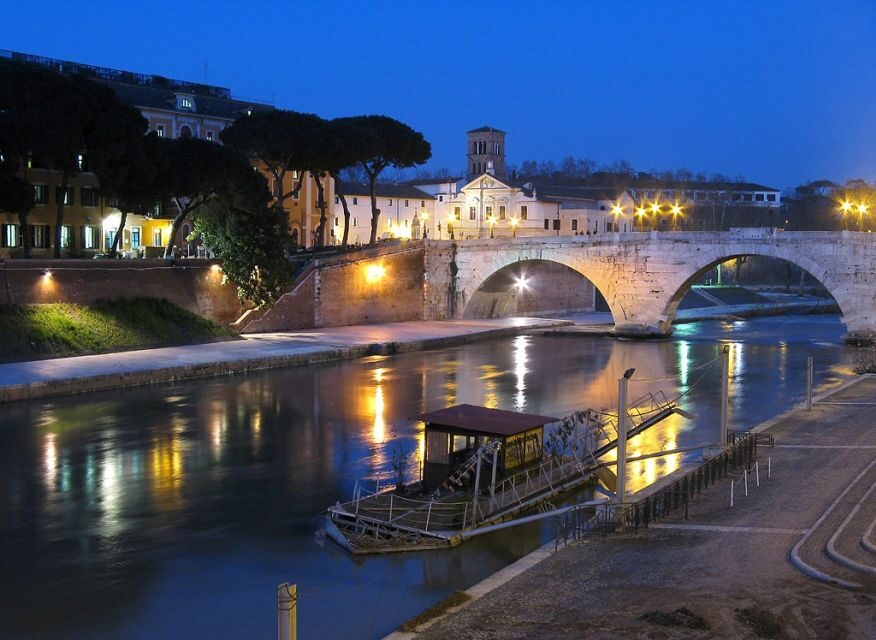
After the Tiber crossing, you enter Trastevere, often considered one of the more authentically Roman districts because the streets keep their rhythm. On this tour, Trastevere is not treated like a checklist neighborhood. It’s more of a walking transition—small streets, steady pace, and a sense of local life.
The highlight list also mentions the beautiful turtle’s mountain. That phrasing is wonderfully odd and very Rome. You’ll likely be pointed to a viewpoint/area where the shape of the hill and the city’s layers become obvious. Even if you don’t know the name, it’s the kind of stop that makes you look up and connect streets to skyline.
This is also where the guide’s style matters. The tour description says guides share legends and secrets of the cafés, synagogues, and churches. In practice, that means you’re not just hearing facts—you get small, story-driven context for what you see and why it matters. Those details are exactly what make a neighborhood walk feel personal instead of generic.
Santa Maria in Trastevere Square: the finish line with a church moment
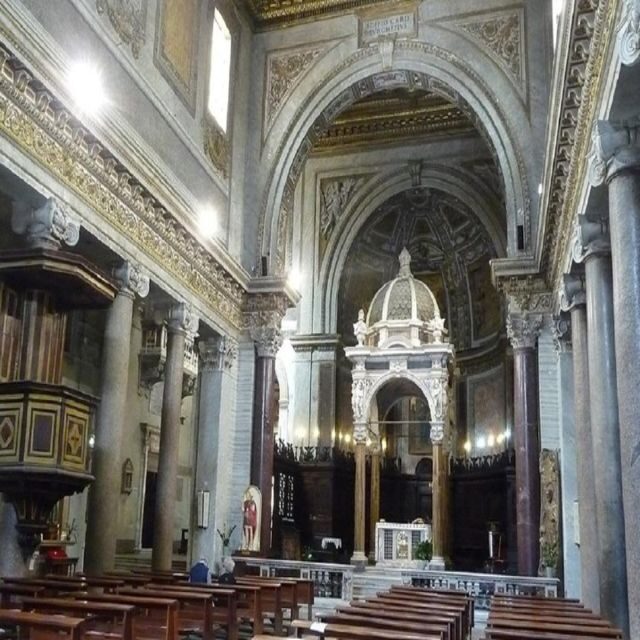
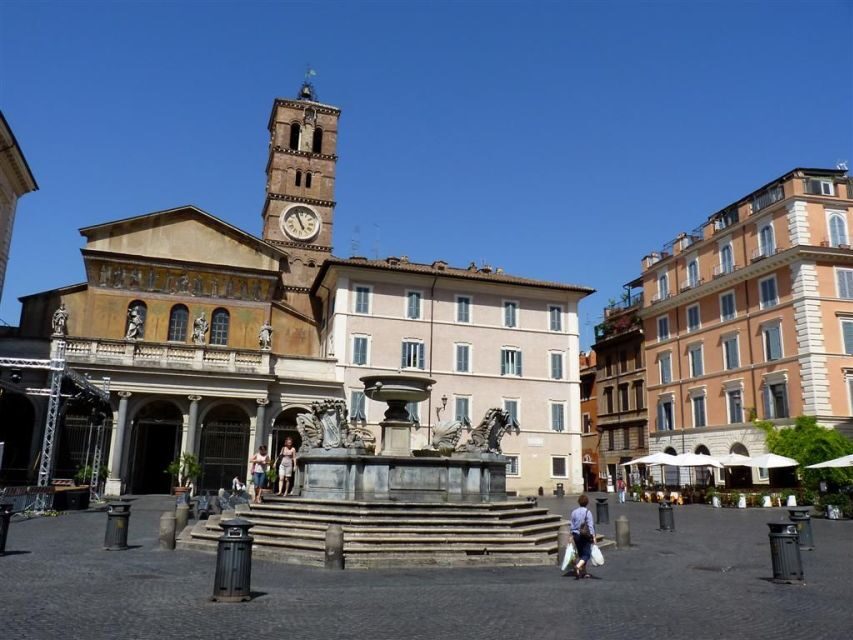
The tour ends at Santa Maria in Trastevere Square, where you can admire the inside and outside of the medieval church. This is a smart ending because it gives you a proper “stop and stay a minute” finale. You’ll likely have enough time to see the exterior details and then appreciate the interior with the guide’s help.
If you’ve been walking for hours, this kind of finish is a good reward. It also gives you an option: after the tour, you can linger in the square area, grab a coffee, and watch the neighborhood flow—without feeling like you missed the main sights.
One more practical note: the tour indicates it ends back at the meeting point, yet it also lists two possible drop-off locations. In real life, that usually means you get flexibility on where you continue from. Either way, Santa Maria in Trastevere Square is a strong place to reorient.
Price and value: is $167.66 per person fair?
At $167.66 per person for a 3-hour guided walk, this isn’t the cheapest option in Rome. It sits more in the “you’re paying for a focused route” category than the “budget city walk” category.
Here’s the value breakdown that makes it easier to decide:
- You get a professional guide for 3 hours, not a short, two-stop orientation.
- Synagogue entrance fees are included, which is a real cost you’d otherwise pay on top.
- Headphones are provided from 9 people, which helps you actually hear the guide on narrow streets and near busy entrances.
- The route includes major time anchors: Ghetto segment, crossing the Tiber, Tiber Island, and Trastevere’s core finishing point.
Where you might hesitate is if you’re already very comfortable planning church and synagogue visits on your own, or if you only want the “top postcard stops.” But if your goal is to understand Rome through the lens of place and community, you’re getting an organized way to do it.
Who should book this Rome Jewish Ghetto and Trastevere tour?
This tour is best for you if you want:
- A guided Jewish Ghetto experience with synagogue entrance, not just outside views
- A walking plan that connects the Ghetto to Trastevere in a natural flow
- Story-driven context about churches, synagogues, and local cafés
- A manageable time commitment: about 3 hours, rain or shine
It may not be the right fit if:
- You have mobility limitations or need wheelchair access
- You prefer short, flat, minimal-walking tours
- You dislike rules like no shorts (the tour notes this)
Also, if you’re the type who likes a private setup, the tour offers a private group option. In that case, you often get more room for questions and a tour that feels less rushed.
A quick reality check on logistics (the stuff that matters)
The tour runs rain or shine, so bring a plan for weather—Roma can change fast. Wear comfortable shoes. This is not a “wear sandals and wing it” route.
The guide language coverage includes Spanish, Italian, English, and French, so you should be able to match your comfort level. The meeting point is fixed at Antico caffè del teatro di Marcello, and you should expect no hotel pickup.
If you want to make the most of it, arrive on time and keep your day flexible enough to stay with the group for the full loop.
Should you book it?
Book it if you want Rome that feels more like a neighborhood conversation than a scan-and-go tour. The two synagogue visits plus the Trastevere church finish give the route structure, and the Tiber crossing helps the walk feel varied instead of one long historical lecture.
Skip it if you’re chasing only the biggest Rome highlights and you don’t care about the Jewish Ghetto context. This one is intentionally focused. You’ll get more out of it if you’re willing to slow down and let the guide’s stories do their job.
FAQ
How long is the Rome Jewish Ghetto and Trastevere walking tour?
It lasts 3 hours.
Where does the tour start?
The meeting point is at Antico caffè del teatro di Marcello, where the guide waits in front of the coffee bar.
What’s included in the tour price?
The tour includes a 3-hour professional guide, synagogue entrance fee, and headphones if the group is from 9 people.
Is hotel pickup included?
No, pickup from or to your hotel is not included.
Is the tour available in multiple languages?
Yes. The live guide offers Spanish, Italian, English, and French.
Is this tour suitable for wheelchair users?
No. It is not suitable for people with mobility impairments or for wheelchair users.