REVIEW · WALKING TOURS
Rome: Guided Walking Tour in English
Book on GetYourGuide →Operated by Walkative Tours · Bookable on GetYourGuide
Rome has a way of stealing your attention fast.
This guided walk is a practical route through the parts of the city you’ll want to see anyway, but with a local guide’s explanations that make the stones feel less random. I love the way you’re guided through Piazza Navona without just treating it like a photo stop, and I also like the big payoff at the Pantheon, where the guide connects the building to real people and real events. It’s one of those tours where your brain starts linking dates, names, and art to places you can actually point to.
One thing to consider: this is a pay-what-you-wish style experience, so you’ll want to decide your reward ahead of time so it doesn’t feel awkward mid-tour.
In This Review
- Quick take
- Rome’s greatest hits, walked with a local guide
- Meeting point: Piazza di Santa Chiara and a good start rhythm
- Piazza Navona: more than a baroque stage set
- Pantheon: the temple-turned-church you can’t ignore
- Trevi Fountain: do the ritual, then learn why
- Piazza Venezia and the Altar of the Fatherland
- Foro Romano: where the Empire’s power becomes visible
- The Colosseum views: iconic engineering and entertainment
- Food and coffee intel: what you’ll actually get from your guide
- Timing and pace: what 2.5 hours really feels like
- Value for money: why $31 can work (or not)
- Who this tour suits best
- Should you book this Rome walking tour?
- FAQ
- FAQ
- How long is the Rome guided walking tour?
- Is the tour in English?
- Where do we meet the guide?
- Is transportation included?
- Which major places will we see on the walk?
- Is the tour wheelchair accessible?
- Does the tour include food?
- What is the price?
- Is there free cancellation?
- What is the payment model?
Quick take
- A tight 2.5-hour loop that hits multiple must-sees without wasting time on transit
- Pantheon context that explains why this church matters beyond architecture
- Trevi Fountain ritual with the story behind the tradition, not just the coin pose
- Old Rome to big Rome: Foro Romano, then ending with classic Colosseum views
- Food intel from your guide for carbonara, amatriciana, cacio e pepe, plus coffee and gelato picks
Rome’s greatest hits, walked with a local guide
Rome is almost unfair as a travel destination. One street can be medieval, the next can point back to the Roman Empire, and the buildings keep layering meaning on top of meaning. That’s why a guided walking tour works so well here: it helps you sort what you’re seeing instead of just absorbing it in overload.
This experience is built for exactly that. You spend about 2.5 hours walking through Old Town with an English-speaking guide, stopping at key places and getting the stories that make them click. You’ll be outdoors most of the time, so comfy shoes matter and so does keeping your expectations realistic: you’re seeing highlights and viewpoints, not doing a slow museum marathon.
You can also read our reviews of more walking tours in Rome


Meeting point: Piazza di Santa Chiara and a good start rhythm
You meet your Walkative! guide at Piazza di Santa Chiara. The advice is simple: arrive about 10 minutes early. In Rome, being late can throw off the whole start, especially for a route that’s designed to flow between major sights.
Here’s how I think about the start time. If you’re early, you can settle your brain and plan your day: water situation, bathroom check, and whether you want a “quick snack later” mindset. Because this route is concentrated, small decisions you make before you start can save you from stress later.
Piazza Navona: more than a baroque stage set
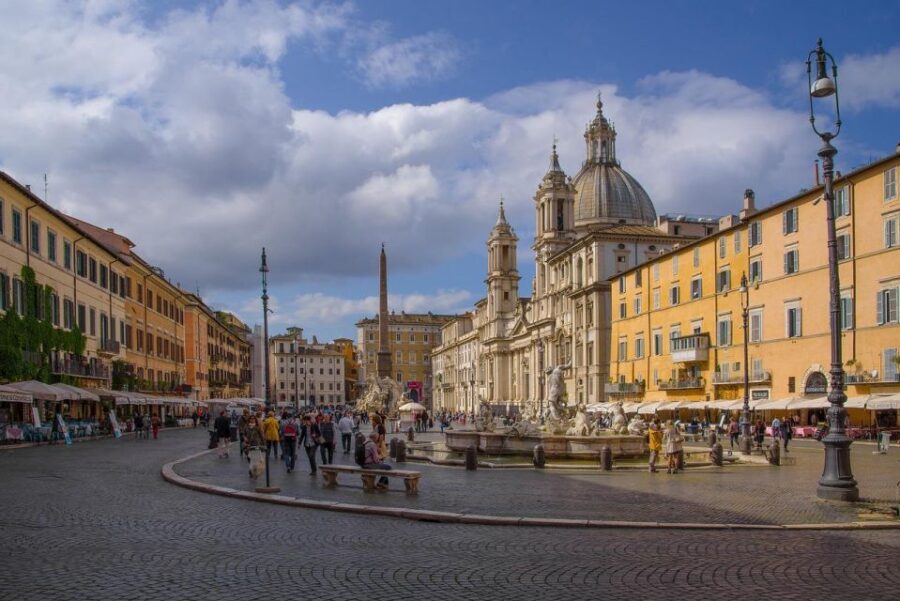
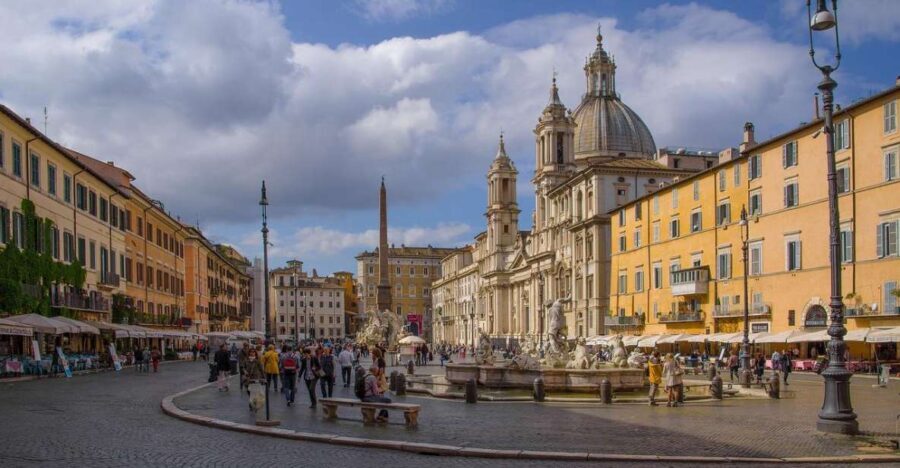
Your tour begins in the Old Town atmosphere and brings you to Piazza Navona, one of Rome’s most expressive squares. What makes it interesting is the way the square still reflects older Roman life beneath the surface look of later centuries.
A local guide helps you see it beyond scenery. The story centers on how the location was once tied to ancient Roman games and civic life. That background changes how you read the plaza: you start noticing how squares work in Rome, not just as plazas for strolling, but as stages for community events over and over again.
Practical note: Piazza Navona is also one of the places where crowds can build. The advantage of a guided stop is that your guide keeps you moving and focused, so you don’t get stuck waiting to see the same angle everyone else is chasing.
Pantheon: the temple-turned-church you can’t ignore
Next comes the Pantheon, and it’s a star for a reason. The big idea here is that this building is both ancient and alive. It started as a Roman temple, then became a church, and it still functions today. That mix is what makes it feel like time travel without the fantasy.
Your guide also points out the human side of the story: influential Italian personalities are buried here, including King Vittorio Emanuele II and King Umberto I. That detail matters because it shows you how Rome reuses its sacred spaces. The building isn’t just a relic—it’s part of more recent national memory too.
If you’re the kind of traveler who loves architecture, you’ll enjoy the explanations tying form to function. If you’re more of a “tell me the story” traveler, you’ll still get plenty to chew on. Either way, the Pantheon usually turns into one of your strongest stops because it’s both visually impressive and historically layered.
Trevi Fountain: do the ritual, then learn why
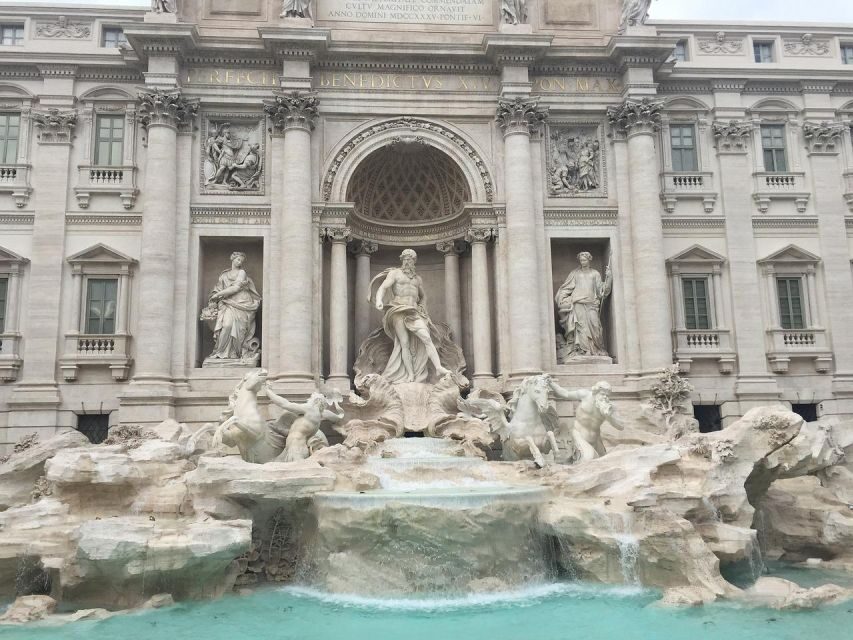
Then you reach the Trevi Fountain, the iconic spot where you’re expected to do the famous coin ritual: toss a coin into the waters. It’s easy to treat this as a silly tourist habit, but your guide gives you the tradition’s meaning so it lands better.
Here’s the value of doing it with context. When you know what the ritual represents, the fountain isn’t only a landmark for selfies—it becomes a small cultural act that people perform because the story attached to the place makes it feel meaningful.
Practical reality: this is one of Rome’s busiest fountains. Your best move is to let the guide set the pace. If you try to sidestep every crowd problem on your own, you’ll waste the short time you have. Listen, look, toss your coin, and keep walking.
You can also read our reviews of more guided tours in Rome




Piazza Venezia and the Altar of the Fatherland
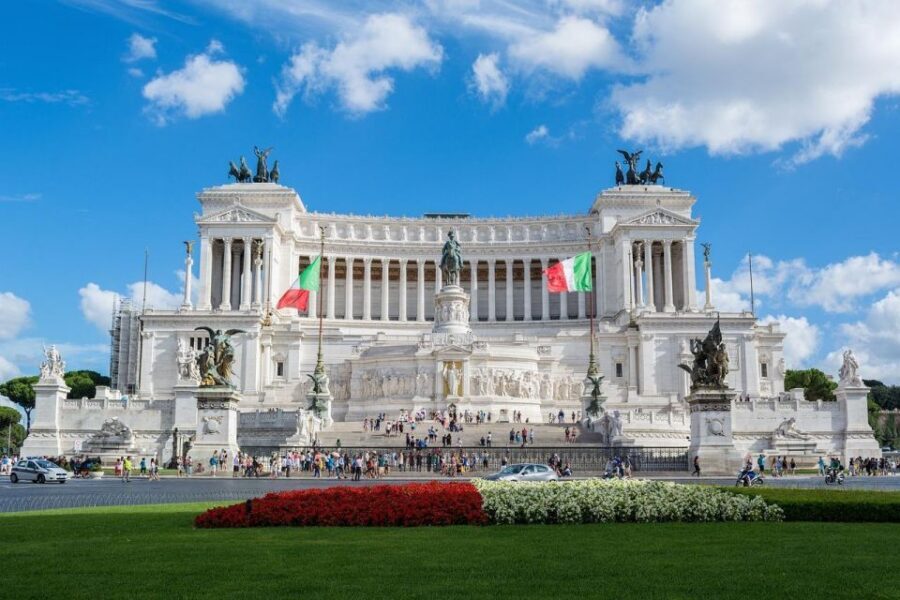
From Trevi, the route leads you to Piazza Venezia and the imposing Altar of the Fatherland. This stop shifts the mood from ancient Rome into Italy’s more modern story—especially the narrative around unification.
What I like about including this on a walking tour is that it helps you understand Rome as a capital that keeps redefining itself. You don’t just see ruins. You see how later Italy built monumental symbols and placed them in powerful locations.
This is the part of the route where your perspective changes. One moment you’re thinking about the Roman Empire; the next you’re thinking about national identity centuries later. It’s a reminder that Rome isn’t stuck in the past—it keeps rewriting itself.
Foro Romano: where the Empire’s power becomes visible
Next up is Foro Romano, often described as the heart of ancient Rome. And it lives up to that billing. You’ll see remnants of temples and government buildings, and the guide helps you connect them to what Rome did as a political and religious center.
This is a key stop for travelers who like their history to have structure. A guided walk can help you picture how these spaces worked: where power was displayed, where public life happened, and how the city’s religious and civic functions were intertwined.
Possible drawback: the Foro can feel like a lot of stones if you’re not given “where to look first” direction. The guide’s explanations matter here. If you’re worried you’ll get lost, ask yourself this: can you mentally map what each area would have been used for? If yes, you’re getting the full value of the stop.
The Colosseum views: iconic engineering and entertainment
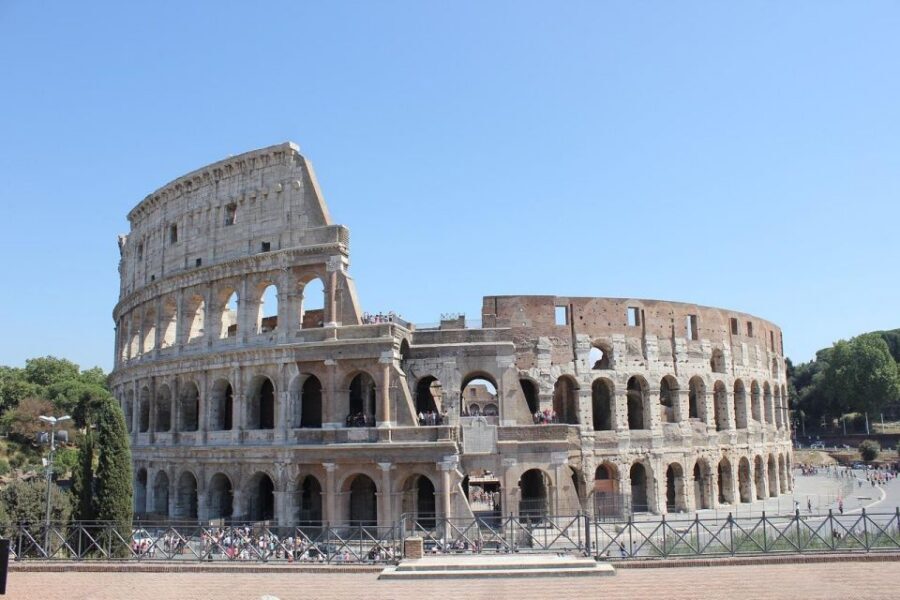
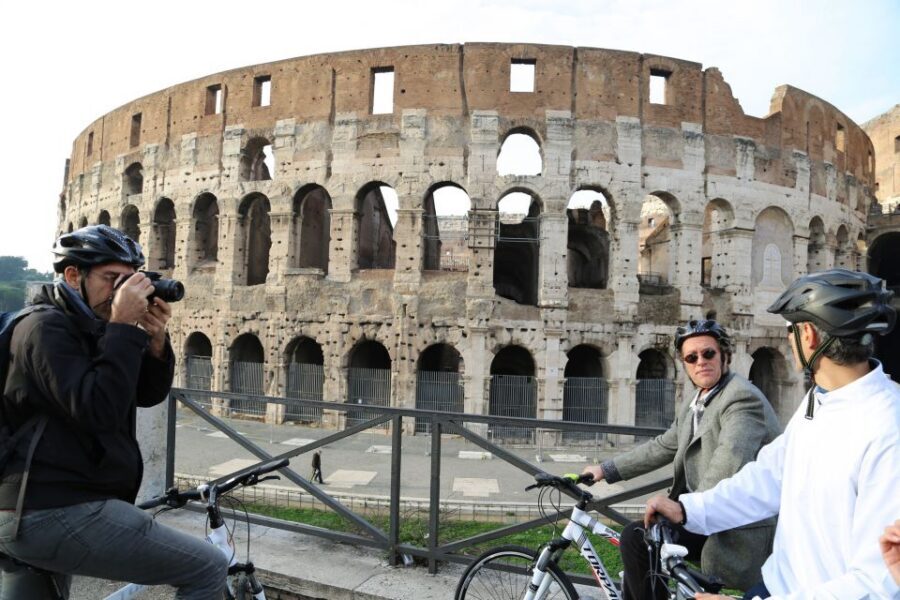
Finally, the tour ends with views of the Colosseum, described as the largest ancient amphitheatre ever built. Even if you’ve seen photos, standing near the place changes your understanding. It’s harder to ignore the scale, and it’s easier to grasp why Rome became famous for both engineering and public entertainment.
Your guide frames it around gladiatorial contests and spectacles, which helps the Colosseum feel less like a generic ruin and more like a machine for mass entertainment. It also reinforces a theme you’ve seen throughout the walk: public life was central in Rome. Places weren’t built only for worship or elites; they were built for crowds.
One more practical point: because this tour finishes with the Colosseum and focuses on viewpoints, you’re not left waiting for a ticketed experience in the middle. It’s a smart structure if your schedule is tight or if you don’t want to spend your whole day inside.
Food and coffee intel: what you’ll actually get from your guide
This tour also includes one of the best kinds of add-ons in Rome: food and drink recommendations. The guide will share secret places to have classics like carbonara, amatriciana, or cacio e pepe. You’ll also get guidance on where to find good Italian coffee and gelato afterward.
A quick reality check: recommendations aren’t the same as included meals. But they’re valuable because Rome’s food scene is packed with places competing for tourist attention. A local guide can point you toward spots that match what you want to eat and when you want to eat it.
If you plan to wander later (and you probably will), these tips help you avoid the classic trap: walking around hungry and choosing the first thing that looks convenient. Instead, you can use your guide’s suggestions to pick a place with momentum already on your side.
Timing and pace: what 2.5 hours really feels like
With a route that includes Piazza Navona, the Pantheon, Trevi Fountain, Piazza Venezia, Foro Romano, and end views of the Colosseum, you’re looking at a tight schedule. That’s not automatically bad. In Rome, a brisk pace is often the difference between seeing the highlights and spending half your day in transit and line frustrations.
Still, there’s a consideration. If you want deep, slow time at one specific site, you might feel the tour doesn’t linger long enough. This is a highlights walk. It’s best for getting oriented and learning just enough so your next self-guided stroll makes sense.
If you ever feel like you’re being rushed, the best solution is simple: ask your guide a question while you’re standing still. Guides can adjust the focus without changing the itinerary.
Value for money: why $31 can work (or not)
At $31 per person for a roughly 2.5-hour guided walking tour, the value depends on how you like to travel.
You’ll get strong value if:
- You want the big sights, but you also want the stories behind them (instead of reading plaques later).
- You’re going to keep exploring after the tour and want a mental framework for what you’re seeing.
- You like getting practical food and coffee recommendations from a local guide.
You might feel less happy if:
- You prefer long, sit-down museum time, or you expect to go inside multiple major sites during the same 2.5 hours.
- You dislike any pay-what-you-wish style reminders during the experience.
The key detail is that the amount you pay covers a reservation fee and the guide’s payment. Since the model is pay-as-you-wish, I’d decide your personal reward budget before the tour starts. That way you stay in control and the experience stays fun, not tense.
Who this tour suits best
I think this tour is ideal for:
- First-time visitors who want a clear path through Rome’s headline locations
- Travelers who love context and want a guide to connect art, politics, and architecture
- People who don’t want to worry about transport, because it’s a walking tour and transportation isn’t included
- Anyone planning food stops later and wanting local-style recommendations for Roman classics
It’s less ideal if you:
- Want maximum time at just one site
- Get impatient with crowds around places like Trevi Fountain
- Strongly prefer fixed-price, non-pay-what-you-wish formats
Should you book this Rome walking tour?
I’d book it if you want a clean, efficient way to see the Rome highlights—Pantheon, Trevi Fountain, Foro Romano, and the Colosseum views—while getting explanations that make the city feel understandable fast. The English guide format and the local food and coffee recommendations are extra practical wins.
Skip it if your heart is set on slow, in-depth time inside major attractions, or if you know you dislike pay-as-you-wish-style experiences. In that case, you might do better with a longer, ticketed plan.
FAQ
FAQ
How long is the Rome guided walking tour?
It lasts 2.5 hours.
Is the tour in English?
Yes, the guide is English-speaking.
Where do we meet the guide?
You meet at Piazza di Santa Chiara.
Is transportation included?
No. Transportation is not included.
Which major places will we see on the walk?
You’ll see Piazza Navona, the Pantheon, Trevi Fountain, Piazza Venezia with the Altar of the Fatherland, the Foro Romano, and you’ll end with views of the Colosseum.
Is the tour wheelchair accessible?
Yes, it is listed as wheelchair accessible.
Does the tour include food?
The tour does not list meals as included, but your guide will share secret places to eat Roman classics and where to find good coffee and gelato afterward.
What is the price?
The price is listed at $31 per person.
Is there free cancellation?
Yes, you can cancel up to 24 hours in advance for a full refund.
What is the payment model?
This tour is described as a general pay as you wish tour. The amount you pay covers a reservation fee and the guide’s payment.