REVIEW · FOOD
Rome: Food & Wine Tour of Campo de Fiori, Ghetto, Trastevere
Book on GetYourGuide →Operated by Gourmetaly - for food lovers only · Bookable on GetYourGuide
Three neighborhoods, one hungry plan.
This Rome food and wine walking tour stitches together Campo de’ Fiori, the Jewish Ghetto, and Trastevere with real stop-by-stop tastings, not just sightseeing with snacks. I love the way it starts in the market zone and keeps pulling you toward iconic Roman bites like pizza bianca with mortadella and the famous mozzarella-stuffed fried rice ball, supplì. One drawback to flag: it is not suitable for vegans, and you should not count on special accommodations for food allergies.
What makes it work is the pacing. You’re in a small group (max 15), with an enthusiastic foodie guide and enough time to ask questions as you walk between plazas and side streets. I’ve seen guide names like Natasha, Luca, Valeria, and Gloria pop up again and again in people’s comments, and the common thread is that the tour mixes neighborhood context with what’s on your plate.
In This Review
- Key Highlights You’ll Feel Right Away
- Rome’s Best Food Route: Campo de’ Fiori to Trastevere
- Campo de’ Fiori Market Stops and the Real Story Behind Pizza Bianca
- Mozzarella and Roman Salami: How Simple Pairings Get Good
- Jewish Ghetto Groceries: Fried Artichoke, Supplì, and Codfish (When Offered)
- Trastevere Pasta Tasting and Gelato That Actually Makes Sense
- What You Learn So You Can Eat Better the Rest of Your Trip
- Price and Value: Is $81 Worth It?
- Group Size, Pace, and Practical Tips That Matter on Foot
- Who This Tour Fits Best, and Who Should Skip It
- Should You Book This Rome Food and Wine Tour?
- FAQ
- How long is the Rome food and wine tour?
- Does the Campo de’ Fiori Market visit happen on both morning and afternoon tours?
- What’s included in the tastings?
- How big are the groups?
- What should I bring for the walk?
- Is the tour suitable for wheelchair users or people with dietary restrictions?
Key Highlights You’ll Feel Right Away
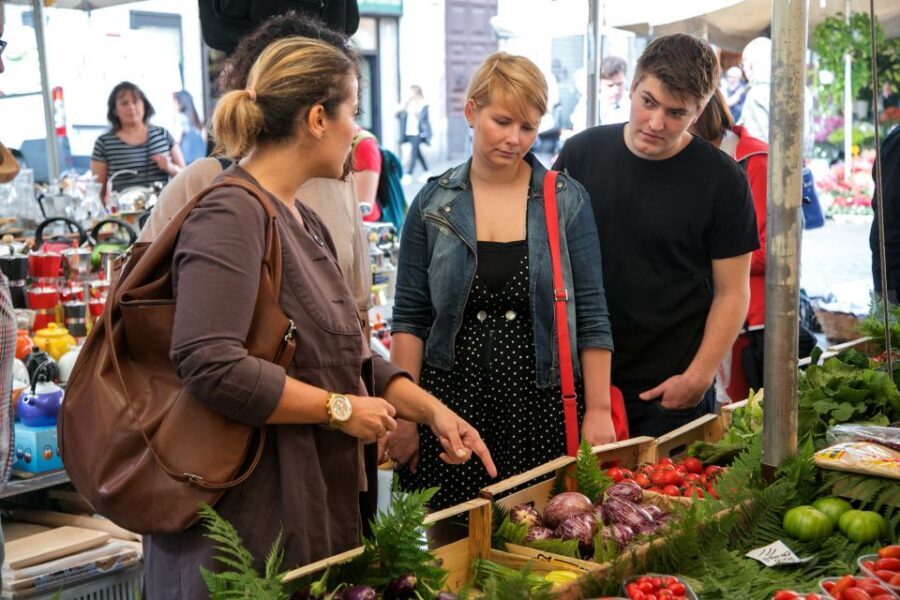
- Max 15-person groups help you get through tastings without feeling rushed
- Campo de’ Fiori market focus (morning option) sets up your Rome-food radar fast
- Roman classics back-to-back: pizza bianca, supplì, and mozzarella with salami
- Jewish Ghetto grocery stop with fried artichoke, supplì, and codfish (when offered)
- Trastevere finish with a pasta tasting and a gourmet gelato
- You leave with ordering confidence so you can actually repeat these wins later
Rome’s Best Food Route: Campo de’ Fiori to Trastevere
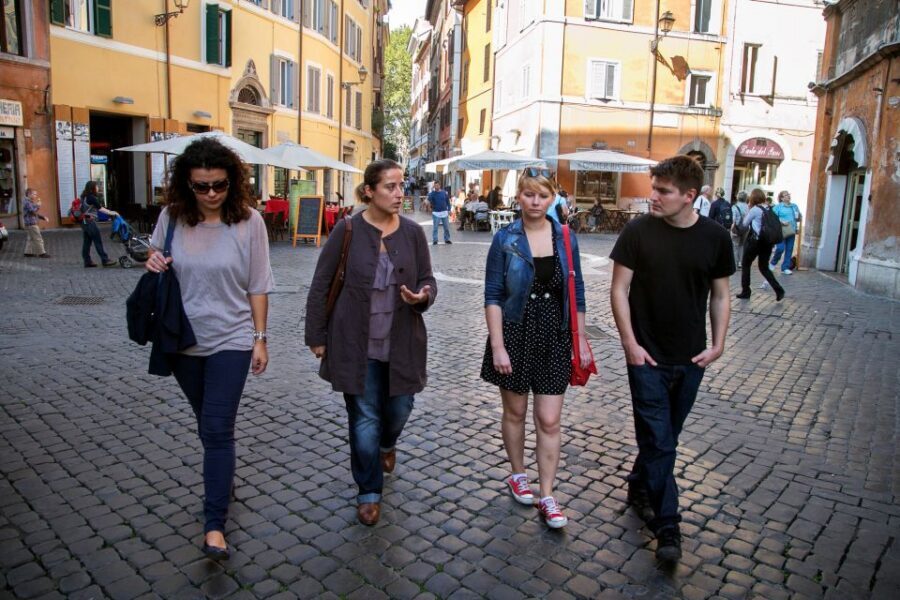
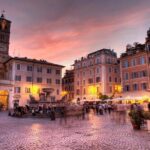
This tour is built like a line you can follow on future nights. You start in the Campo de’ Fiori area and work your way toward the Jewish Ghetto and then Trastevere. That order matters because you’re learning the city in layers: market instincts first, then neighborhood food culture, then the relaxed Trastevere food-and-sweets payoff.
Expect a true walking experience: you’ll be on your feet for about 2 to 3.5 hours depending on the option. You’ll also want to plan your energy. A lot of people recommend not eating breakfast if you’re doing the morning tour, because the tastings add up quickly.
One practical note: no large luggage or bags. If you’re traveling light, you’re fine; if you brought a lot, plan on carrying less during the walk.
You can also read our reviews of more food & drink experiences in Rome


Campo de’ Fiori Market Stops and the Real Story Behind Pizza Bianca
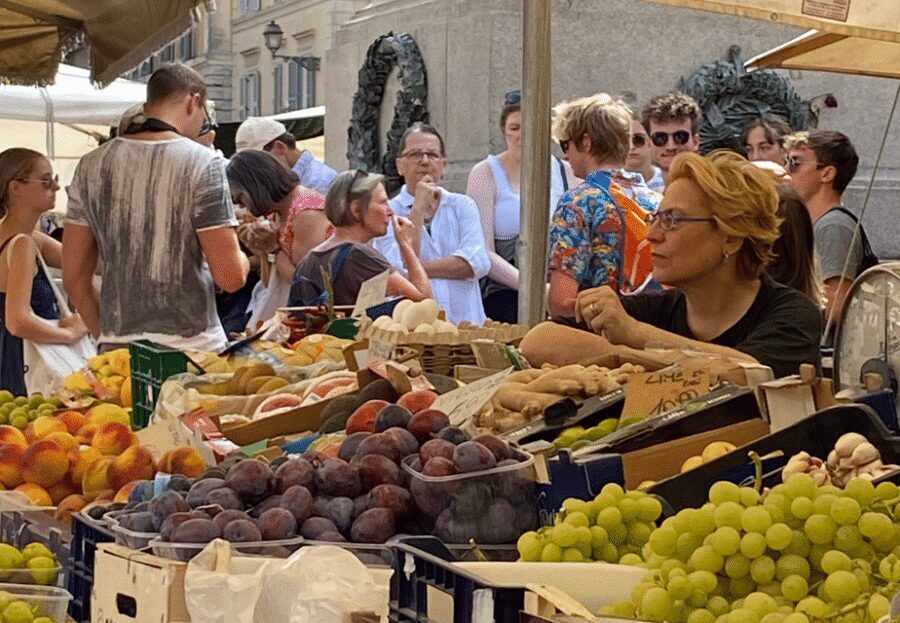
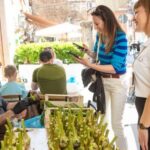
If you choose the morning option, the Campo de’ Fiori Market visit is a big part of why this tour feels special. You get to see the produce and food stalls that locals use as their everyday pantry. This is the moment where you start reading Rome like a food city, not a postcard city.
Then comes the first of the heavy hitters: pizza bianca with mortadella. This isn’t just a snack. It’s a mid-morning Roman ritual, and the guide uses it to teach you what makes the bread and toppings worth caring about. Look for the details—how the mortadella is portioned, how the whole thing tastes when it’s not competing with a sit-down meal.
You’ll likely notice the tour keeps nudging you toward the same theme: why some places earn their reputation. The market stop and early tasting help you spot what to look for later, whether you’re choosing bread, cured meats, or the next thing on your must-eat list.
If you take the afternoon option, don’t expect the market itself. The afternoon tour substitutes a visit to a typical grocery store plus an aperitif because of the market’s opening hours. Same food mindset, different setting.
Mozzarella and Roman Salami: How Simple Pairings Get Good
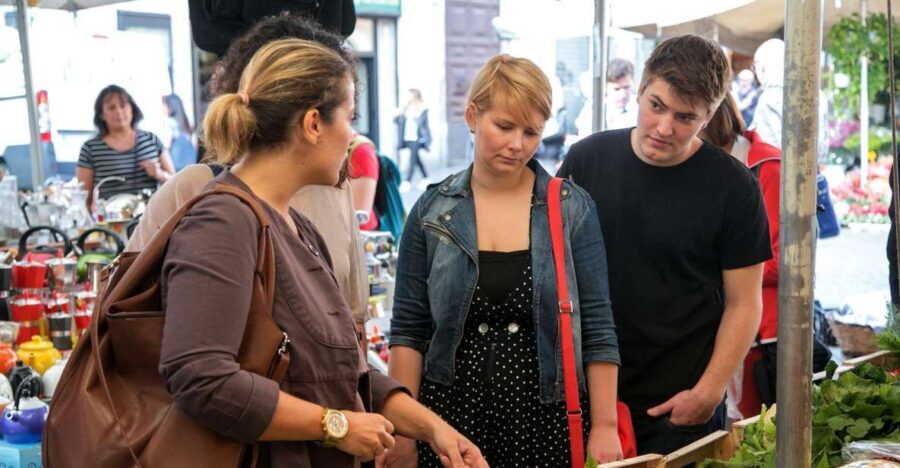
After the early bread moment, the tour shifts into what I’d call Roman “comfort craftsmanship.” You’ll do a mozzarella cheese tasting with Roman salami as part of the included food. The point is not just tasting; it’s learning how to think like a local when you’re standing in front of a counter.
Rome does simple well when the ingredients are right. This tasting is a short lesson in how contrast works on your palate—cooler cheese next to a savory cured element, salt balanced with fat, and flavors that stay clear instead of turning flat.
Even if you’re not a serious cheese person, this stop gives you something useful. You’ll get practice with ordering and with choosing what makes sense together, so your later restaurant choices feel less like guesswork.
Jewish Ghetto Groceries: Fried Artichoke, Supplì, and Codfish (When Offered)
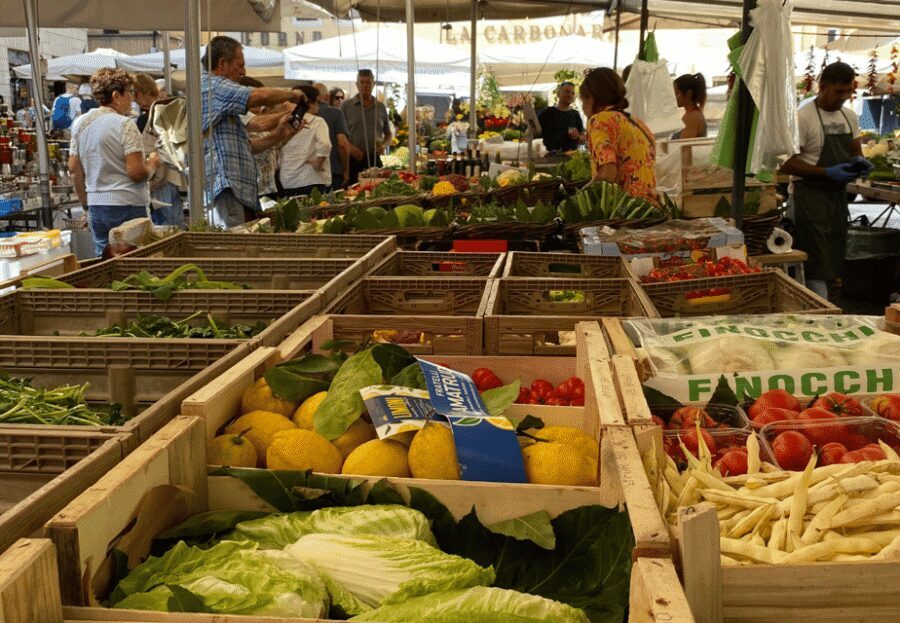
The Jewish Ghetto section is where the tour’s food story gets more layered. It’s also where you get the most “Roman specialty” energy in your day, because the tastings focus on foods that are recognizable and also very specific in style.
In this area, the included offerings can include:
- Fried artichoke
- Supplì
- Codfish (the tour description notes you might even try it here)
The standout for many people is the supplì. The tour frames it as a very Roman thing: tomatoey fried rice balls with creamy mozzarella inside. This is one of those foods where technique matters—crunch outside, warm and melty inside, and a flavor that stays cohesive even after frying.
The fried artichoke adds another texture angle: crisp, warm, savory, and satisfying on the walk. And if codfish is part of your specific run, it’s a good example of how traditional ingredients show up in everyday street-friendly form.
One thing to keep in mind: this tour isn’t promising a menu for every dietary situation. You should assume it won’t meet vegan needs, and you should not count on allergy accommodations. If you need strict dietary handling, double-check with the provider before you book.
Trastevere Pasta Tasting and Gelato That Actually Makes Sense
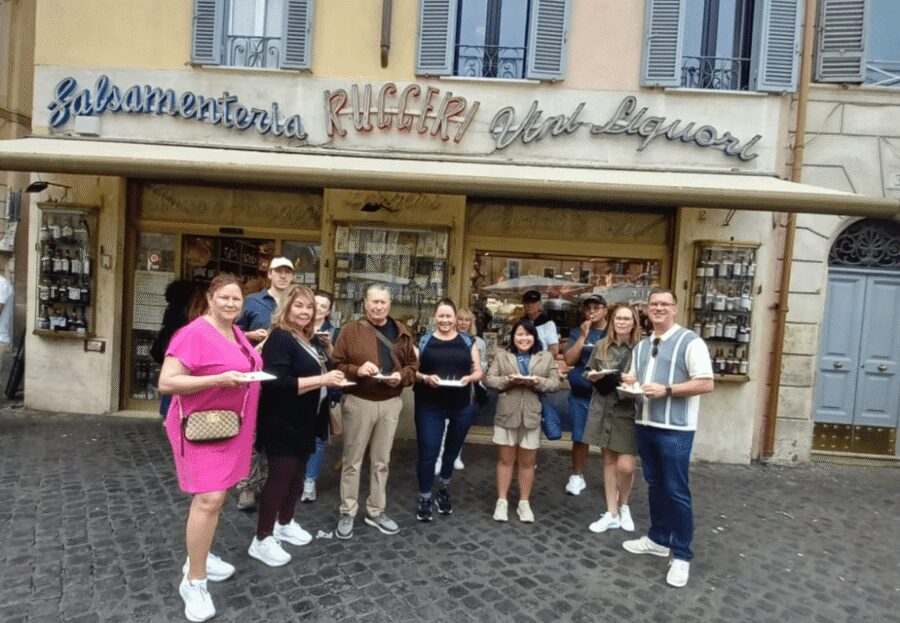
Trastevere is the payoff neighborhood. It’s the part of the tour that feels like Rome settling into its evening pace—older streets, food shops you can imagine revisiting, and a final sequence of tastings that make you feel satisfied rather than stuffed too early.
You’ll do a pasta tasting in Trastevere and a gourmet gelato stop there too. The pasta tasting is designed to teach you what separates better pasta from the rest. That matters because you’ll see “pasta” everywhere in Rome, but not all of it is equally good—and you’ll start recognizing what you’re paying for.
Then gelato. It’s not just sugar for the finish; it’s part of the tour’s logic. Gelato is the kind of dessert you can order without hesitation once you’ve tasted what quality looks like. You also learn how the best shops show their product and how to pick confidently.
A tip from experience reading the pattern of comments: people often say they were full by the time they reached gelato, and then still made room. That’s a sign the tastings are portioned in a smart way—not tiny bites, but also not one overwhelming course after another.
You can also read our reviews of more tours and experiences in Rome



What You Learn So You Can Eat Better the Rest of Your Trip
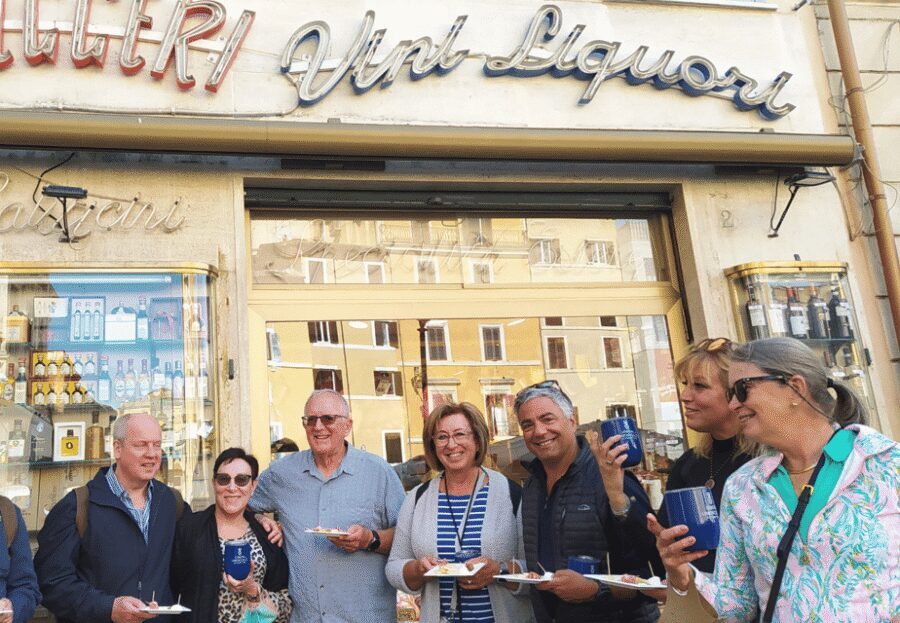
This tour isn’t only about taste. It’s about turning Rome’s food culture into something you can use on your own.
By the end, you’ll walk away with two practical skills:
First, you’ll know how to order food in Rome like a pro. That means less staring at menus in confusion and more confidently asking for what you actually want (and recognizing what you’re being sold).
Second, you’ll develop food context. You’ll connect neighborhoods to the way they eat: market habits in Campo de’ Fiori, specialty street bites in the Jewish Ghetto, and a more evening-friendly rhythm in Trastevere. When you understand the why, it becomes easier to choose restaurants that match your mood.
The tour also uses food timing as a teaching tool. Starting in the market and working toward pasta and gelato helps you match what you’re eating with the day’s energy, instead of stacking heavy meals back-to-back.
And yes, there’s wine in the mix. This is explicitly a food and wine tour, and the experience is described as sharing the delicious food and wines of the region during stops.
Price and Value: Is $81 Worth It?
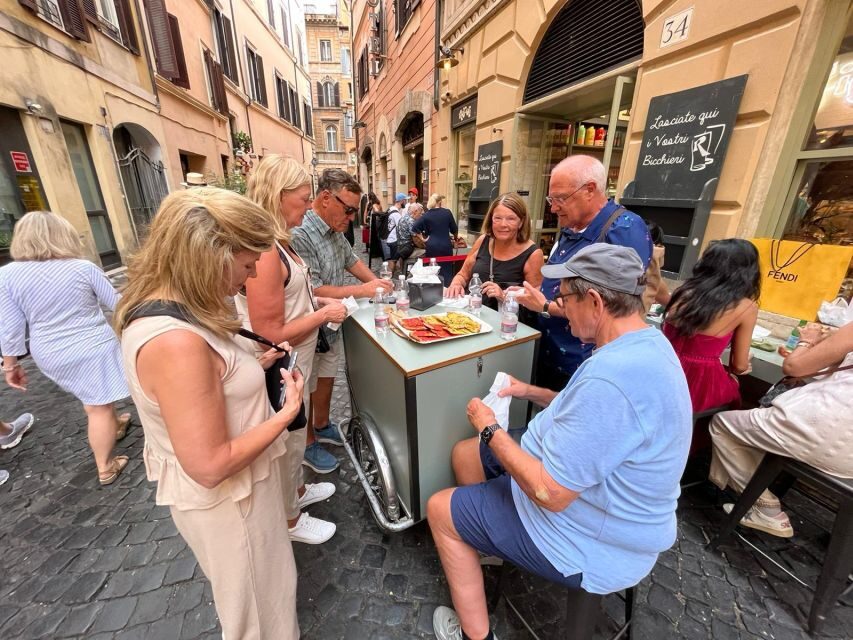
At $81 per person for a 2 to 3.5 hour guided walk, the value comes from how much you’re getting for the price and how much guidance you’re buying along with it.
You’re not paying $81 for a single meal. You’re paying for:
- a market-area visit (morning option),
- multiple tastings across three neighborhoods,
- a pasta and gelato finish,
- and a guide who explains what you’re eating and why.
That adds up quickly, especially in Rome where “great views” often cost far more than “great food.” Here, the guide helps you avoid the common mistake: wasting time at places that look famous but don’t taste better than what you can get nearby.
Is it cheap? No. But it can be a strong value if you treat it like an investment in taste and direction. If this tour helps you plan just one or two great follow-up meals, it’s already paid for itself in your enjoyment.
Group Size, Pace, and Practical Tips That Matter on Foot
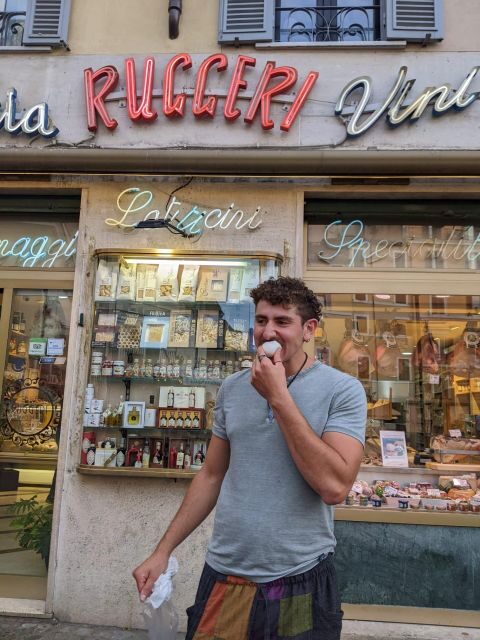
The tour keeps groups to no more than 15. That’s a real advantage. Smaller groups mean your guide can explain and you can actually hear the answers. It also helps with pacing, so you aren’t sprinting between shops while everyone else is already ordering.
Walking time is 2 to 3.5 hours, so comfortable shoes matter. Bring sunglasses and sunscreen, especially in warm months. An umbrella is a smart call too, because the tour runs in all weather conditions.
Also watch what you carry. Since luggage or large bags aren’t allowed, you’ll want to travel light—phone, wallet, water maybe, and that’s it.
Finally, bathroom stops: comments mention there are bathroom break opportunities. That’s not just convenience; it makes the tour feel easier to manage, especially if you’re doing it early in your trip.
Who This Tour Fits Best, and Who Should Skip It
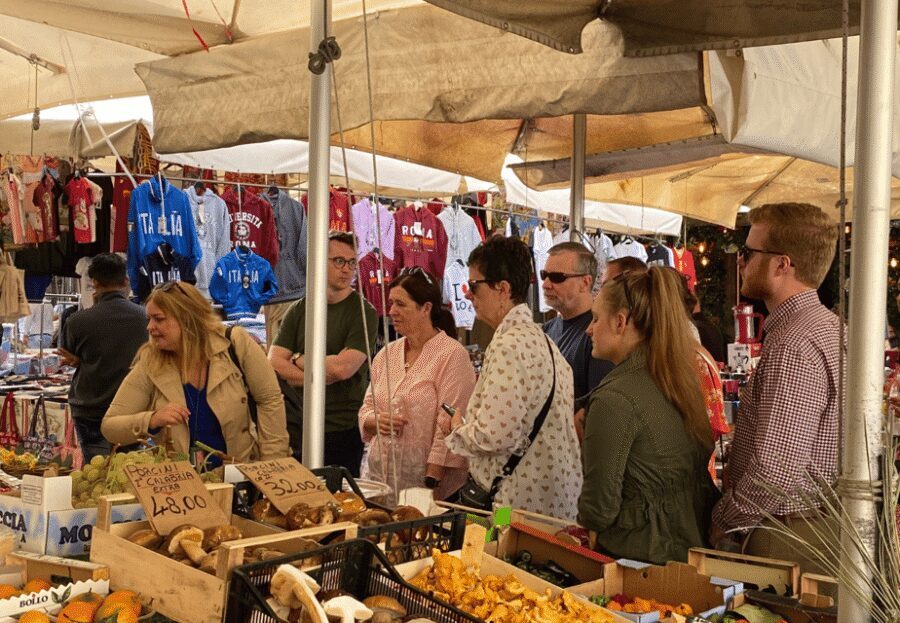
This tour is a great fit if you:
- want a guided way to explore three food neighborhoods without planning every stop,
- love Roman specialties like pizza bianca, supplì, and gelato,
- and enjoy learning how food connects to neighborhood culture.
It’s also good for solo travelers. People mention enjoying the experience that way, because it’s social enough without being crowded.
It’s not a fit if you:
- use a wheelchair (it’s not suitable for wheelchair users),
- have food allergies (the provider can’t guarantee accommodations),
- or follow a vegan diet (it’s noted as not suitable for vegans).
If any of those apply to you, it’s better to search for a tour that explicitly handles your needs than to hope for flexibility.
Should You Book This Rome Food and Wine Tour?
I’d book it if you’re in Rome for a short time and want an efficient way to learn what to eat next. The neighborhoods are different enough that the tastings don’t blur together, and the lineup hits major Roman hits: market bread and cured meat, mozzarella with salami, Jewish Ghetto fried specialties, then pasta and gelato in Trastevere.
If you’re the type who hates repeating the same basic tourist meal twice, this tour gives you a roadmap. You’ll leave with ordering confidence and a short list of food stops that make sense for the rest of your trip.
Skip it if you have strict dietary needs, mobility constraints, or you’re expecting a fully accessible route.
If your goal is to get your Roman food bearings fast, this is one of the better ways to do it—walking, tasting, and learning in a tight group with real neighborhood flavor.
FAQ
How long is the Rome food and wine tour?
The tour runs about 2 to 3.5 hours, depending on the option you book.
Does the Campo de’ Fiori Market visit happen on both morning and afternoon tours?
No. The afternoon tour does not include a visit to the market because of opening hours. It’s substituted with a visit to a typical grocery store and an aperitif.
What’s included in the tastings?
Included items include pizza bianca with mortadella, a mozzarella cheese tasting with Roman salami, Jewish Ghetto groceries with typical Roman foods (fried artichoke, supplì, codfish), a pasta tasting in Trastevere, and gourmet gelato in Trastevere.
How big are the groups?
Groups are kept to no more than 15 people.
What should I bring for the walk?
Bring comfortable shoes, sunglasses, sun hat, sunscreen, and an umbrella.
Is the tour suitable for wheelchair users or people with dietary restrictions?
No. It is not suitable for wheelchair users, and it is not suitable for vegans. The provider also cannot guarantee accommodations for special food restrictions, including allergies.