REVIEW · COOKING CLASSES
Rome cooking: Gelato & Tiramisu with savoiardi Baking class
Book on GetYourGuide →Operated by Gourmetaly - for food lovers only · Bookable on GetYourGuide
Dessert classes in Rome are fun. This one teaches technique.
What makes it stand out is the hands-on flow: you start with baking biscuits for tiramisù and end with a proper tasting of what you made. The instructors I saw called out in past sessions include Camilla and Federica, both praised for being patient, thorough, and very hands-on. The vibe is practical, not showy.
Two things I like a lot: you learn to build tiramisù from the bottom up (not just assemble it), and you also make a gelato sorbet by focusing on fruit and ingredient quality. One thing to consider: the format is not ideal if you need strong accessibility support, and there are some dietary restrictions listed—so it’s worth checking specifics before you book.
In This Review
- Key Points You’ll Care About
- Tiramisu-From-Scratch and Gelato Sorbet in One Rome Session
- Where You Meet and How the 2.5 Hours Are Spent
- Entering the Kitchen: Aprons, Quality Ingredients, and the Gelato Reality Check
- Making Tiramisu: From Savoiardi Biscuits to the Final Assembly
- The big takeaway: the base isn’t optional
- You’ll also learn technique, not just steps
- Gelato Sorbet: Fruit Selection and Water-Based Texture Tips
- What you’ll actually practice
- Why this matters for your palate
- Tasting, Recipes, and Those Little Extras That Save You Time Later
- How to use the recipes effectively
- Price and Value: Is $80 Worth It?
- Who Should Book This Class (and Who Might Want to Skip)
- Best fit
- If you hate getting your hands messy
- Practical Tips You Can Use the Moment You’re Back in Rome
- Should You Book the Rome Gelato and Tiramisu Class?
- FAQ
- How long is the cooking class?
- Where do we meet for the class?
- Is the tour guide available in English?
- What desserts will I make?
- Is the tiramisù alcoholic or alcohol-free?
- Is it suitable for vegetarians?
- Can you accommodate gluten or lactose-free needs?
- Is the class available every day?
- Are there restrictions on luggage or minors?
- Is it suitable for vegans or lactose intolerance?
Key Points You’ll Care About
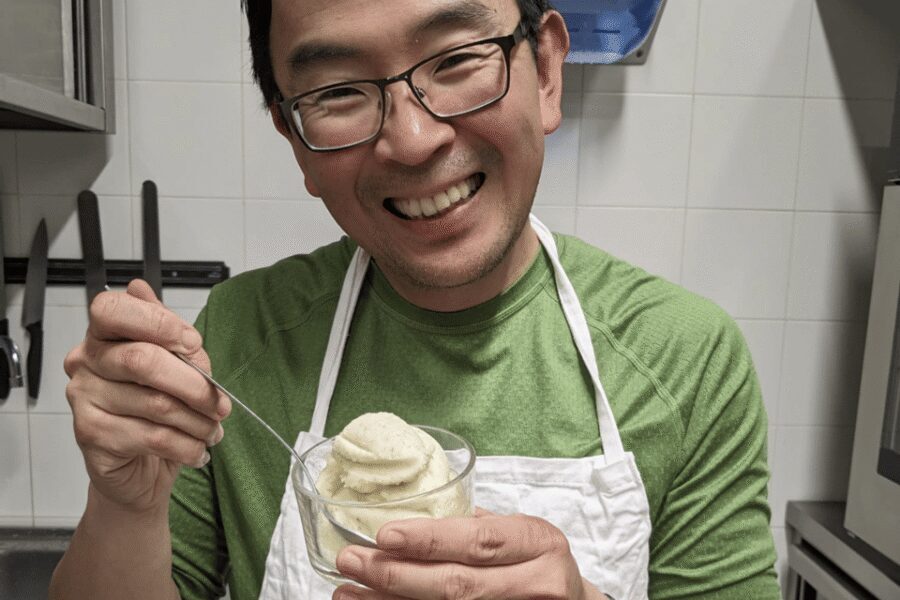
- Tiramisu-from-scratch process: from biscuit baking through final assembly and tasting
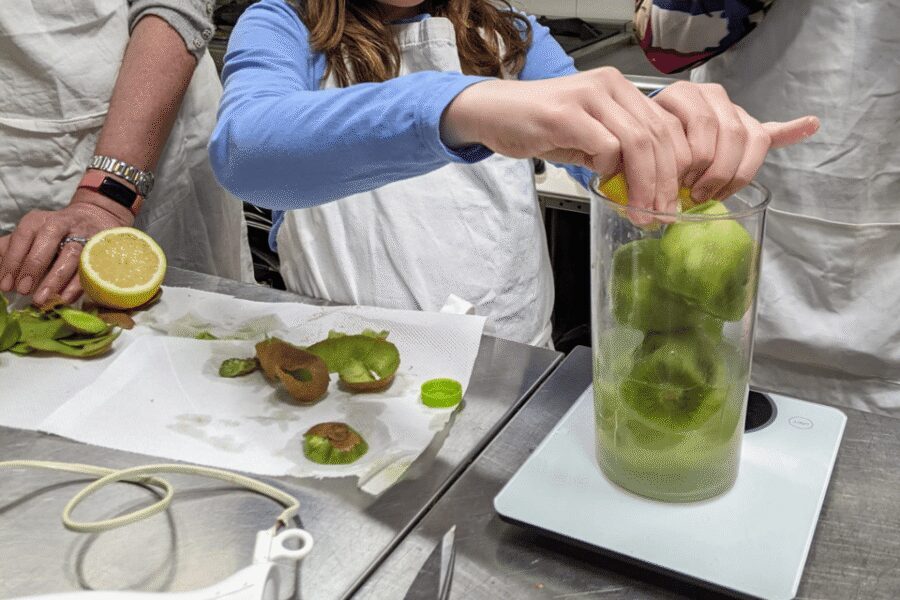
- Gelato sorbet focus: water-based sorbet logic and using quality fruit in season
- Small-group, chef-led class: you cook with guidance, not just watch
- Recipes included: you leave with instructions to repeat at home
- Alcohol-free and vegetarian-friendly: stated as part of the class style
Tiramisu-From-Scratch and Gelato Sorbet in One Rome Session
If you love Italian desserts, this class is the kind of outing that feels useful. You’re not just learning what tastes good. You’re learning how to make it so it tastes good again later.
The lesson is built around two classics: tiramisù and gelato sorbet. Tiramisu is world-famous, sure. But getting the base right—especially the biscuits—changes everything. And gelato sorbet is a smart add-on because it trains your palate on texture and flavor without relying on the usual dairy sweetness.
This is also a good choice if you like structured cooking. The class follows a step-by-step rhythm, so you always know what’s happening and why. That matters when you’re working with ingredients that need the right handling and timing.
You can also read our reviews of more cooking classes in Rome


Where You Meet and How the 2.5 Hours Are Spent
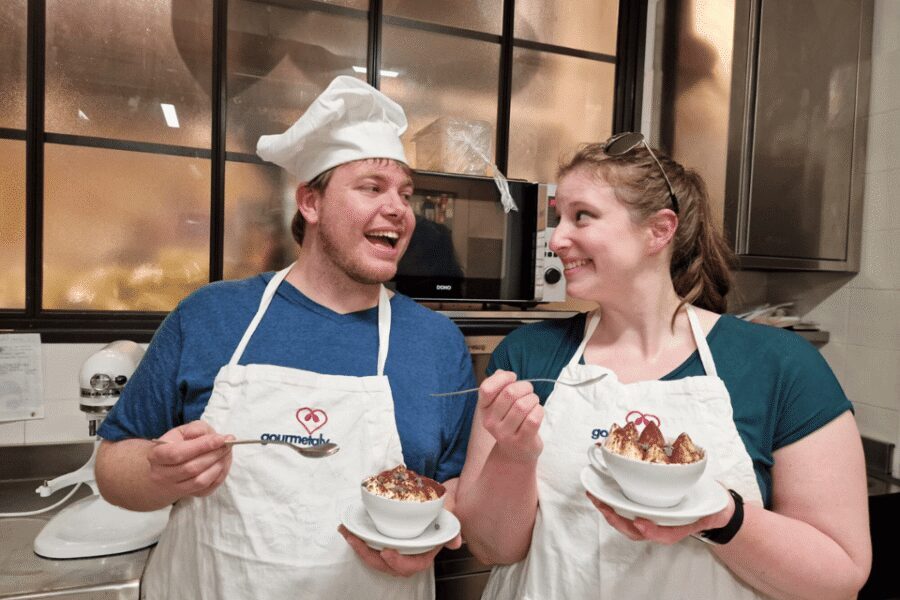
You’ll meet at the corner with via Natale del Grande. From there, the class takes you into an authentic laboratory-style setting inside a real tiramisù shop. That “real shop” detail matters more than you might think. You’re learning in a space designed for food production, not a random classroom.
The overall duration is 2.5 hours, with about 2 hours focused on the lesson inside. In practice, that usually means:
- a short arrival and setup moment
- ingredient and technique intro
- hands-on making (the core of the time)
- a tasting and wrap-up with recipes
You’re in English with a live guide, so you can ask questions as you go. And because it’s described as a small-group tour, it’s set up so you’re not stuck on the sidelines.
Entering the Kitchen: Aprons, Quality Ingredients, and the Gelato Reality Check
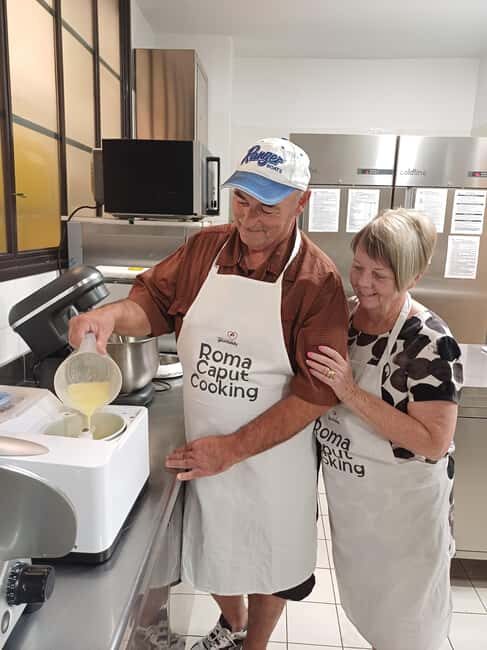
Before you start mixing and baking, the class aims to correct one common mistake: assuming all ingredients are interchangeable. You’ll get introduced to the world of gelato and learn how to tell quality from average.
Then comes the fun part—getting access to the kitchen, wearing the aprons and hats they provide as you jump into the work.
This section is where you’ll benefit most later at home. You’ll hear practical guidance on what to look for when choosing ingredients. The class also stresses fresh and organic choices, and that theme keeps returning when you make both desserts.
And gelato sorbet comes with a concept lesson too. You’ll learn how sorbet differs from gelato: sorbet is water-based, and the class frames it as a great option for people who need to think about lactose. (More on dietary notes in the FAQ, because the booking info includes some restrictions.)
Making Tiramisu: From Savoiardi Biscuits to the Final Assembly
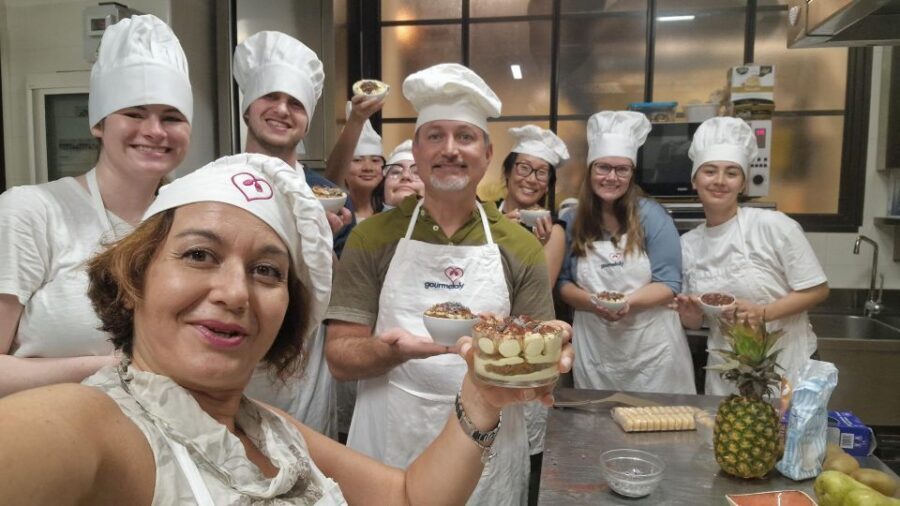
This is the heart of the experience. The class focuses on making an artisanal tiramisù “from scratch,” including baking the biscuits (often associated with savoiardi).
The process is taught as a sequence—like a recipe you can actually follow under pressure. You don’t just watch someone do it. You work the steps, with an instructor directing you so you can correct things while you’re still in the process.
The big takeaway: the base isn’t optional
A lot of tiramisù fails because the base is an afterthought. Here, the class puts the base first: baking the biscuits properly and then using them correctly in the assembly.
Another plus: the tiramisù taught here is described as alcohol-free and suitable for vegetarians. That’s useful if you’re picky about flavor ingredients, and it also makes it easier to share what you made.
You can also read our reviews of more tours and experiences in Rome




You’ll also learn technique, not just steps
Even when you’re focused on mixing and assembling, the class is designed to teach technique: how to handle ingredients, how to build the layers, and how to aim for the right results before tasting.
In past sessions, instructors like Camilla and Federica were specifically praised for explaining everything and being patient. That usually translates to a better outcome in your final dessert, not just a nicer experience.
Gelato Sorbet: Fruit Selection and Water-Based Texture Tips

Then you switch gears. Sorbet is a different challenge from tiramisù because it depends heavily on fruit quality and balance.
The class frames sorbet as one of the oldest recipes, and it also treats it like a serious craft, not a shortcut. You’ll learn how to distinguish quality foods and why choosing fruit in season can make a noticeable difference.
What you’ll actually practice
The class describes a gelato sorbet lesson that includes:
- learning what makes sorbet different (water-based)
- using quality fruit, ideally in season
- making a stunning gelato you’ll remember
You’ll likely get guidance on the practical side too: what to watch for as you prepare the base and how to think about texture and flavor.
Why this matters for your palate
Gelato sorbet is a great complement to tiramisù because it forces you to pay attention to taste and mouthfeel. After you’ve built a layered dessert, it’s satisfying to also create something lighter that still tastes intensely “Italian.”
If you’re sensitive to lactose, the class description points out sorbet’s water-based style as a potential fit. Still, the booking notes list some dietary restrictions, so don’t assume it’s automatically right for your situation—check when you book.
Tasting, Recipes, and Those Little Extras That Save You Time Later

At the end, you’ll taste what you made: tiramisù and gelato sorbet together. That’s the moment where the whole class clicks.
And the takeaway isn’t just food. You’ll receive recipes to make the sweets at home, plus useful tips and recommendations for foodies. In at least one past session, the instructor also gave out small extras like a certificate and an apron, along with recipes. Even if those details vary slightly by date, the core benefit stays consistent: you leave with a written plan.
How to use the recipes effectively
If you want the class to pay off after your trip, read the recipes once at home as a map, then follow the steps exactly once. After that, you can start swapping ingredients based on what you can find locally. That’s how you keep the result close to what you learned here.
Price and Value: Is $80 Worth It?
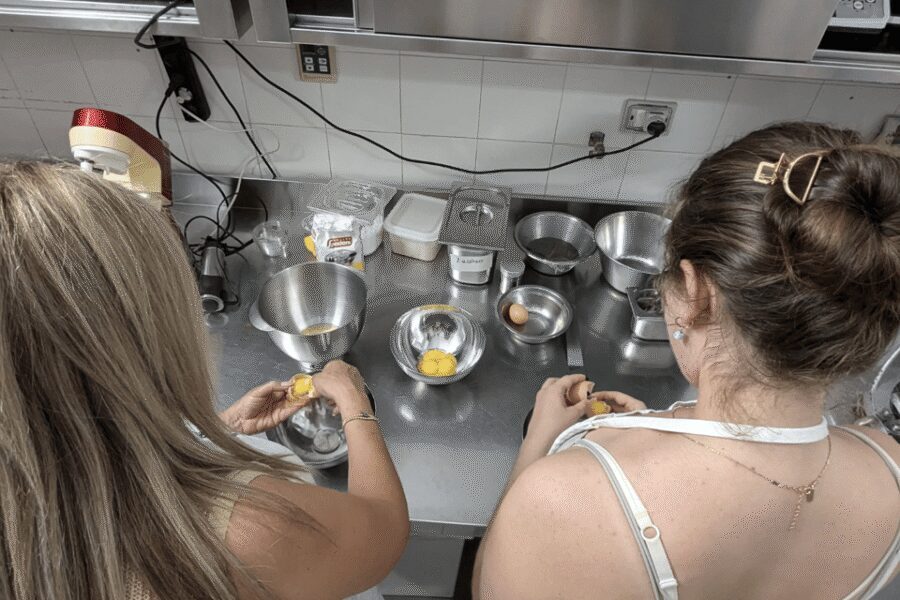
At $80 per person for about 2.5 hours, you’re paying for the combination of:
- a professional chef
- a small group format
- a hands-on cooking experience
- tasting time
- and take-home recipes
It’s not a “buy a snack and watch a video” kind of class. You’re getting guided instruction and production-level focus inside a real dessert shop laboratory.
Also, the class includes both tiramisù and gelato sorbet, plus biscuit baking for the tiramisù. That’s a lot more content than typical “one dessert only” sessions. If you care about technique and want to reproduce it later, this price tends to feel more fair.
Food and drinks aren’t included unless specified, so budget for that. If you want to eat a big dinner afterward, plan for it—this is dessert-focused, not a full meal.
Who Should Book This Class (and Who Might Want to Skip)
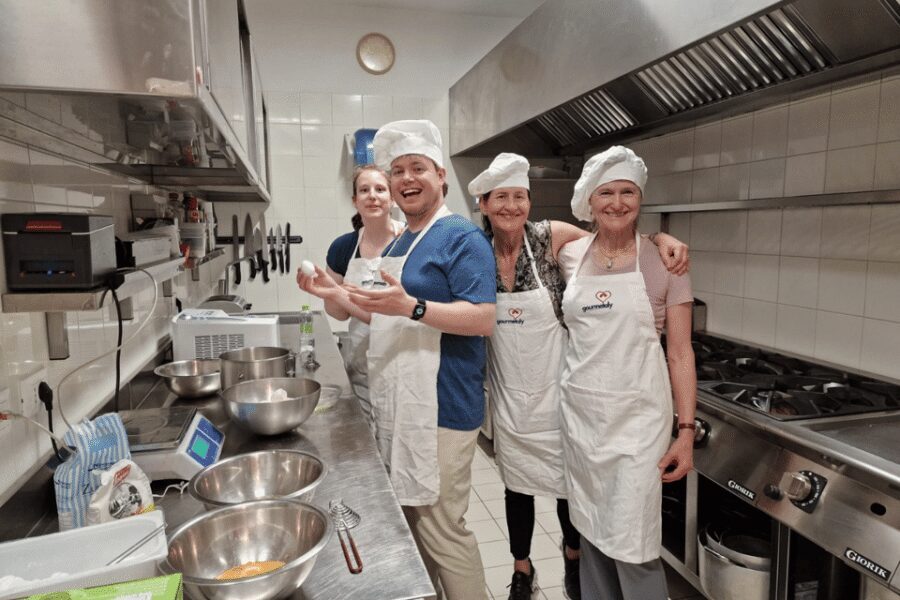
This experience is described as suitable for everyone in general, with options noted for private classes in certain situations.
Still, the booking info lists some clear “not suitable” categories:
- children under 3
- pregnant women
- people with mobility impairments or wheelchair users
- people with epilepsy
- babies under 1
- vegans
- people with lactose intolerance
That list is strong enough that I’d treat it as a real filter, not a minor note.
On the other hand, the class also states it’s alcohol-free and suitable for vegetarians, which is a big win for many people. It also says gluten or lactose free customers can request a private class and contact for a quote. If you’re dealing with dietary needs, that private class route is the safest approach.
Best fit
You’ll likely enjoy this most if you:
- want a hands-on dessert skill you can repeat
- love tiramisù enough to care about the biscuit base
- like learning ingredient quality rules, not just recipes
- want a small-group cooking session in Rome with a real local dessert focus
If you hate getting your hands messy
This class is chef-led, but the point is to cook. If you’re the type who prefers “watch and taste,” you might want a different experience.
Practical Tips You Can Use the Moment You’re Back in Rome
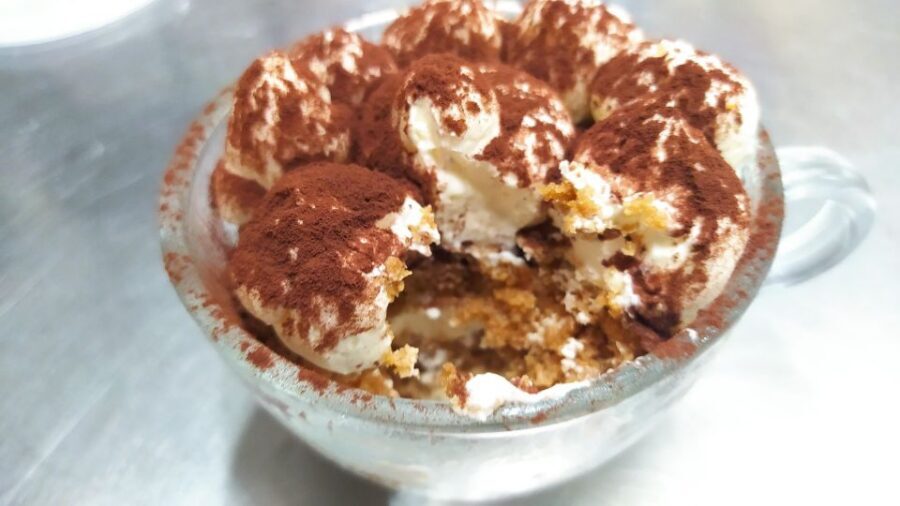
Here’s how to make the class stick as a skill, not just a memory.
- When you get the recipes, mark what feels hardest. Biscuit baking and proper assembly usually matter most for tiramisù.
- Taste with a purpose. During tasting, pay attention to texture and sweetness balance. Sorbet should taste bright and clean, while tiramisù should feel creamy and layered.
- Buy ingredients by logic. The class teaches the idea of choosing quality foods and fresh or organic ingredients. When you shop, look for the ingredient quality first, then chase the flavor.
- If you’re sensitive to ingredients, email ahead. The data includes both notes about sorbet being water-based and also lists lactose intolerance and vegans as not suitable. That’s a reason to clarify for your specific needs before you go.
Should You Book the Rome Gelato and Tiramisu Class?
I’d book it if you want an actual dessert skill in Rome—especially if tiramisù is your favorite. The mix of baking biscuits for tiramisù and making gelato sorbet gives you two techniques and two flavor worlds in one session. The small-group format also helps the instruction feel personal, and the instructors named in past sessions (like Camilla and Federica) were praised for being patient and hands-on.
Skip it (or at least contact for clarity) if your situation falls into the stated restrictions, or if you need specific dietary accommodations beyond what’s clearly supported. The class can be a great fit for many diets, but the booking notes also show some limits, so don’t guess.
If your goal is to leave with recipes, technique, and a dessert you’d be happy to make again, this is a strong pick.
FAQ
How long is the cooking class?
The duration is listed as 2.5 hours, with about 2 hours approximately spent on the lesson inside.
Where do we meet for the class?
You meet at the corner with via Natale del Grande.
Is the tour guide available in English?
Yes. The live tour guide is listed as English.
What desserts will I make?
You’ll learn how to make tiramisù (including baking the biscuits) and also gelato sorbet.
Is the tiramisù alcoholic or alcohol-free?
The tiramisù is described as alcohol-free.
Is it suitable for vegetarians?
Yes. The tiramisù is stated to be suitable for vegetarians.
Can you accommodate gluten or lactose-free needs?
It says you can request a private class for gluten or lactose free customers. You’ll need to contact the provider for a quote.
Is the class available every day?
It’s available daily, except Sundays.
Are there restrictions on luggage or minors?
Luggage or large bags are not allowed, and unaccompanied minors are not allowed. Children must be accompanied by an adult, and the class is not suitable for children under 3.
Is it suitable for vegans or lactose intolerance?
The booking information lists vegans and people with lactose intolerance as not suitable. The class description also mentions sorbet is water-based and can be a fit for lactose intolerant and vegan people, so if this is your situation, contact the provider to confirm what can be done for you.