REVIEW · PRIVATE
Rome: Holy Churches, Stairs & Basilicas Private Guided Tour
Book on GetYourGuide →Operated by EuropeOdyssey Tours di RahulRaghavan Sas · Bookable on GetYourGuide
Rome’s sacred stairs and big basilicas are a perfect combo. This private 4-hour tour strings together the sites that many visitors only hit one at a time, with a guide who keeps the story clear as you move from church to church. I especially love the way you get guided context instead of just looking at buildings, and I also like that the route includes the Scala Sancta (Holy Stairs) plus multiple papal basilicas in one outing. One thing to consider: it’s a walking-heavy plan and you’ll need modest dress, so it may be tough if you have mobility limits or you’re not prepared with covered knees and shoulders.
The meeting point is easy enough to find, too: your guide waits behind Basilica di Santa Maria Maggiore by the Egyptian Obelisk, holding a sign with your name. Once you’re with them, the pace stays practical—short transit hops between stops—so you can focus on the churches, not the logistics. And you’ll finish at Basilica of Saint Paul Outside the Walls, which is a fitting closer for a day built around Roman devotion.
In This Review
- Key Moments I’d Plan Around
- Start Behind Santa Maria Maggiore: Where the Tour Sets Its Tone
- Basilica Papale di Santa Maria Maggiore: Miraculous Legend Meets Major Art
- Getting to St. John Lateran: Short Transit, Big Shift in Meaning
- Basilica di San Giovanni in Laterano: Rome’s Cathedral Feeling
- Scala Sancta (Holy Stairs): The Tour’s Most Specific Pilgrimage Moment
- Basilica of Santa Croce in Gerusalemme: Relics, Reverence, and a Quiet Focus
- St. Paul Outside the Walls: A Beautiful Finish With Big-Scale Calm
- Who This Tour Fits Best (and Who Might Want a Different Plan)
- What’s Included—and What You’ll Still Need to Budget
- Dress Code and On-the-Ground Rules: Keep It Simple
- Book It or Skip It? My Practical Decision Guide
- FAQ
- What sites are included in the tour?
- How long is the private guided tour?
- Is the tour private and in English?
- What entrances are covered?
- How will you get between the stops?
- What should I wear and can I take photos?
Key Moments I’d Plan Around
- Santa Maria Maggiore first: a strong start at one of Rome’s biggest Marian churches, with real legend and art to match.
- St. John Lateran as the center: you visit Rome’s cathedral tied to the bishop of Rome.
- Scala Sancta stops you: the 28 white marble steps are the tour’s most emotionally specific moment.
- Santa Croce in Gerusalemme for relic devotion: the church is treated as a pilgrimage destination for a reason.
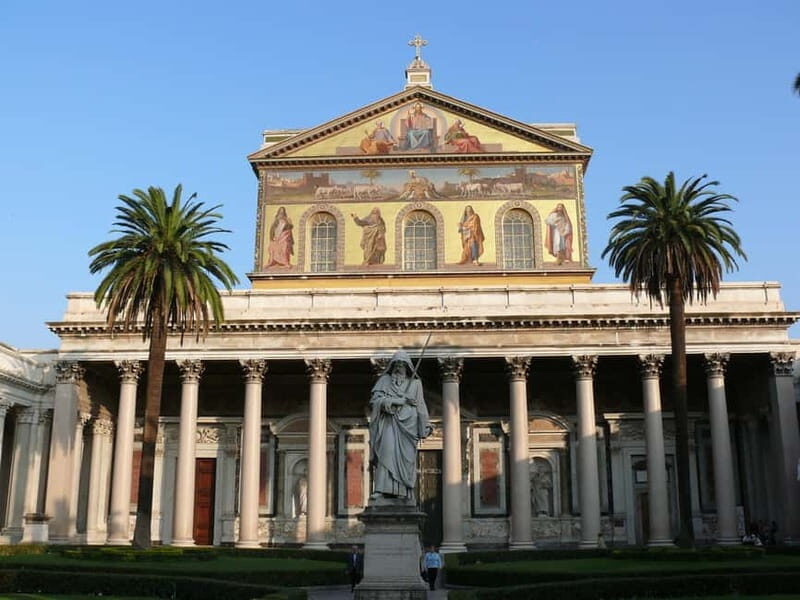
- St. Paul Outside the Walls closes the loop: a beautiful, calming finish after a day of sacred stops.
- Justin’s guidance style: reviews highlight how Justin shares clear, memorable context and adapts to the group.
Start Behind Santa Maria Maggiore: Where the Tour Sets Its Tone
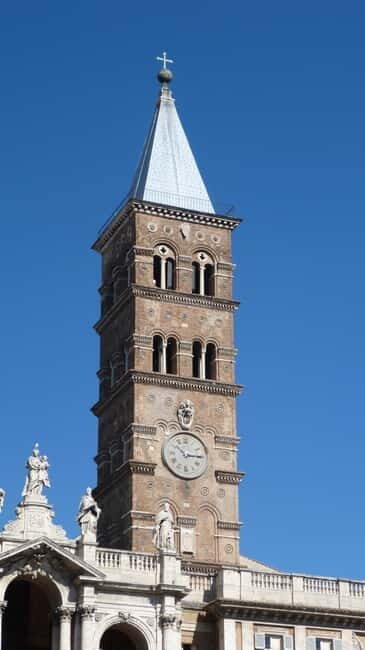
Your tour begins at Piazza dell’Esquilino, with the guide waiting behind Basilica di Santa Maria Maggiore by the Egyptian Obelisk and a sign with your name. That matters more than you’d think. Big Rome sights are crowded and easy to miss when you’re hunting for a meeting point. Starting right by a major landmark helps you get your bearings fast, then you’re off.
From the start, the tour is designed like a pilgrimage route: each stop has a “why,” not just a “what.” The guide leads in English and walks you through what you’re looking at, including the religious significance and the place each basilica holds in Rome’s spiritual map.
Practical tip: bring comfortable shoes. You’ll be moving through multiple sites, and even short transfers add up when you’re already spending time inside.
You can also read our reviews of more guided tours in Rome



Basilica Papale di Santa Maria Maggiore: Miraculous Legend Meets Major Art
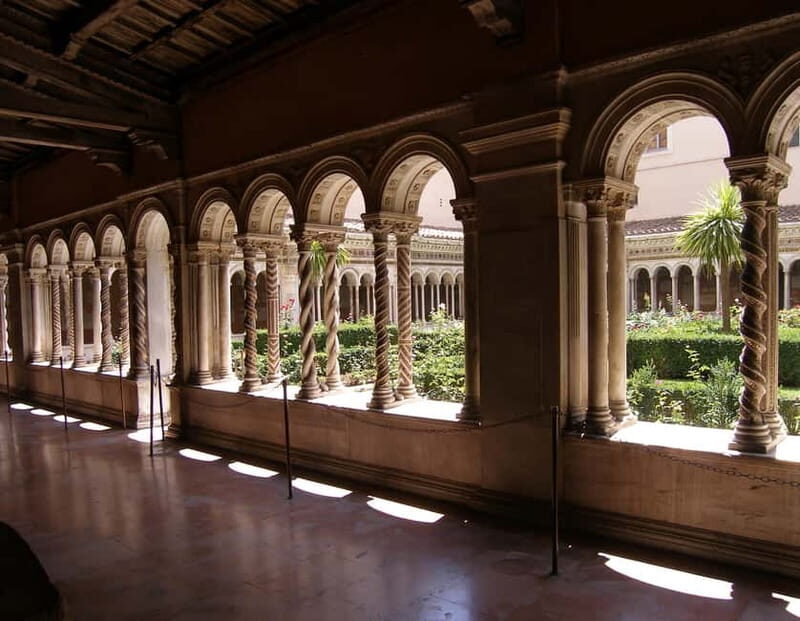
The first guided stop is Basilica Papale di Santa Maria Maggiore (Basilica of Saint Mary Major). It’s described as the largest Marian church in Rome, and that theme is visible the moment you’re inside—Mary devotion is not an afterthought here.
You’ll also hear how the church is rooted in the legend of a miraculous snowfall. Whether you come for the legend or the art, the guide’s job is to help you understand why that story stuck and how it shaped the way people relate to the building. This is a great first stop because it gives you a frame: you’re not just touring—you’re learning how different parts of Rome’s faith are tied to specific places.
What to watch for: the basilica is a major church, so plan for regular crowds and some quiet time between attention-grabbing details. Your guide will help you focus on what’s most meaningful in the space.
Getting to St. John Lateran: Short Transit, Big Shift in Meaning
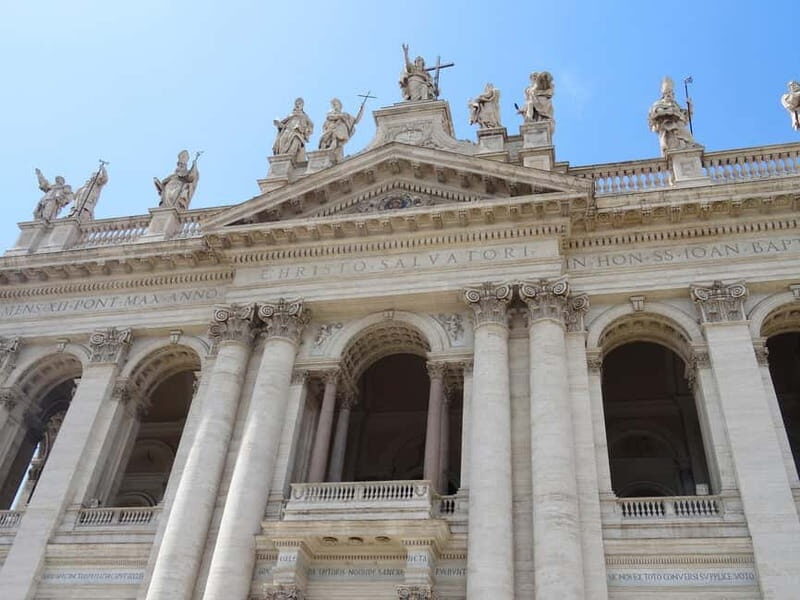
After Santa Maria Maggiore, there’s about 20 minutes of transport. The idea is simple: keep you moving without burning the whole tour on logistics. The churches aren’t clustered tightly, so having that structure helps you stay on schedule and still see each site properly.
Once you arrive, the tone shifts. St. John Lateran isn’t just another church. It’s the cathedral of the bishop of Rome, which makes it a core part of the Catholic story in the city.
Basilica di San Giovanni in Laterano: Rome’s Cathedral Feeling
Your next guided stop is Cattedrale di San Giovanni in Laterano (St. John Lateran). Here you’re seeing a place with a distinct identity: it’s tied directly to the office of the pope as bishop of Rome. That’s why this stop often feels more like a “center” visit than a casual basilica stop.
The guide’s commentary helps you connect the symbolism to what’s in front of you. Even if you’re not a church-history expert, the explanation keeps it grounded: you get the significance without turning the whole thing into a lecture.
A small consideration: because it’s a cathedral, it can feel more formal and busy than some of the other churches on the route. Dress modestly (covered knees and shoulders), keep your phone away when you’re inside the most sacred spaces, and let the guide set the rhythm.
Scala Sancta (Holy Stairs): The Tour’s Most Specific Pilgrimage Moment
Then comes the heart of the itinerary: the Scala Sancta, the Holy Stairs. The route builds up to this stop for a reason, because these 28 white marble steps aren’t just architectural. They’re treated as a devotional site.
The tour includes Santa Scala (Holy Stairs) with a guided visit. You’ll hear how the Holy Stairs are located in an edifice on extraterritorial property of the Holy See. That detail helps explain why people approach the steps differently than a normal stairway in a normal building.
Even if you don’t have a personal connection to the Passion narratives, you’ll likely feel the gravity of the place once the guide explains what people believe happened there and why the steps matter. It’s one of those moments where the guide’s context changes your experience from sightseeing to something closer to participating.
Practical expectations:
- You’ll be inside a controlled sacred space, so follow staff directions.
- Photos without flash are typically allowed in basilicas; still, follow the rules on the day for the stairs area.
You can also read our reviews of more private tours in Rome


Basilica of Santa Croce in Gerusalemme: Relics, Reverence, and a Quiet Focus
After Scala Sancta, you have around 15 minutes of transit, then you arrive at Basilica of Santa Croce (Santa Croce in Gerusalemme). This stop is included with guided access.
This church is known for sacred relics, and that fact shapes what you’ll do there. Instead of trying to take in everything at once, you’ll get a guided path—what to look for and why the relic connection draws pilgrims.
This is also a good mid-tour moment. After the intensity of the Holy Stairs, Santa Croce can feel more reflective. You’re still in major Rome church territory, but the focus narrows: devotion and relic significance are the center of gravity.
If you’re the kind of person who likes a slower pace inside big spaces, this is likely to feel like a relief. Keep your expectations realistic though: it’s still Rome, and sacred sites still bring crowds.
St. Paul Outside the Walls: A Beautiful Finish With Big-Scale Calm
The last major site is St. Paul Outside the Walls (Basilica di San Paolo). The itinerary gives about 30 minutes of transport between Santa Croce and this final stop, then you end the tour here.
This basilica is described as known for its beauty, and that matches how people often experience it: the atmosphere tends to read as spacious and calming compared with the earlier emotional peak of the Holy Stairs. By the time you reach St. Paul’s, you’ve already learned the “why” behind several stops—now the building has room to speak on its own.
You’ll have an entrance included here too, plus guided time. That guidance helps you connect what you’re seeing back to the earlier theme: multiple papal basilicas, different traditions, one shared devotion.
Finish logistics note: the end is listed at Basilica of Saint Paul Outside the Walls. In Rome, getting dropped off at the right major point is a win because you can easily plan your next meal or walk afterward.
Who This Tour Fits Best (and Who Might Want a Different Plan)
This private tour works well if you want:
- A focused 4-hour route that includes major papal basilicas plus two standout devotional sites (Santa Croce and Scala Sancta).
- An English guide to translate what you’re looking at into something you’ll remember.
- A group setting that’s personal. It’s listed as private, which usually means less waiting, fewer awkward bottlenecks, and more flexibility to match your pace.
It may not be the best fit if you:
- Have serious mobility issues. The tour involves extended walking, and it’s not presented as a step-free experience.
- Prefer very casual sightseeing. This one has structure and expectations about dress and behavior inside churches.
One more clue from the reviews you’ll want to keep in mind: Justin leads with strong communication and adapts to the group. One review even describes him coming with support for public transport, which suggests he aims to make the logistics feel easy, not stressful.
What’s Included—and What You’ll Still Need to Budget
The tour includes entrance fees for:
- Basilica di Santa Maria Maggiore
- Cattedrale di San Giovanni in Lateran
- Santa Scala (Holy Stairs)
- Basilica di San Paolo (St. Paul Outside the Walls)
- Santa Croce in Gerusalemme
It also includes guided tours in English at each.
What’s not included:
- Car and chauffeur
- Taxi costs to the meeting point
- Donations in the church
- Public transport costs
Value-wise, the included parts matter. Entrances plus English guidance across several major sacred stops add up fast if you try to piece it together on your own. The tradeoff is that you still have the small extra costs for public transport and any optional donations, and you’ll want to dress appropriately. In other words: you’re paying for organization and meaningful guidance, not just entry tickets.
Dress Code and On-the-Ground Rules: Keep It Simple
To enter the basilicas, you’ll need modest dress: knees and shoulders covered. That means no shorts or short skirts, and no sleeveless shirts. It’s one of those Rome rules that’s easy to forget until you’re standing in line, so pack smart.
Photography-wise:
- Flash photography is not allowed.
- Photography without flash is allowed inside the basilicas (follow site rules for each stop).
Also note the walking time. You’ll want shoes that can handle stone floors and long stretches.
Book It or Skip It? My Practical Decision Guide
Book this tour if you want a guided pilgrimage feel without trying to connect everything yourself. The strongest reasons are the full set of major basilicas plus the Holy Stairs, and the fact that your guide explains what you’re seeing in plain terms. If Justin is the guide on your date, that’s a bonus: reviews specifically praise his professionalism, his command of the subject matter, and his accommodating style.
Skip or choose a lighter plan if:
- You want Vatican-level grandeur only and aren’t interested in papal basilicas outside the Vatican area.
- You have limited mobility or you’re not ready for a walking-heavy schedule.
- Your schedule is too tight to manage multiple church stops with transport between them.
If you’re craving a day that feels purposeful—more than just photo stops—this is a solid choice.
FAQ
What sites are included in the tour?
The tour includes Basilica di Santa Maria Maggiore, Cattedrale di San Giovanni in Laterano (St. John Lateran), Santa Scala (Holy Stairs), Santa Croce in Gerusalemme, and St. Paul Outside the Walls.
How long is the private guided tour?
The tour lasts 4 hours.
Is the tour private and in English?
Yes. It’s listed as a private group with an English live tour guide.
What entrances are covered?
Entrance is included for Santa Maria Maggiore, St. John Lateran, Santa Scala (Holy Stairs), St. Paul Outside the Walls, and Santa Croce in Gerusalemme.
How will you get between the stops?
Transfers between churches can be done by public transport or on foot, depending on your preference. Public transport costs are not included.
What should I wear and can I take photos?
You’ll need modest dress with knees and shoulders covered. Flash photography is not allowed, while photography without flash is allowed inside the basilicas.