REVIEW · COOKING CLASSES
Rome : Cooking Class in a Real Roman Home in Trastevere
Book on Viator →Operated by Ilaria Sparla · Bookable on Viator
Fresh pasta, real Roman kitchen energy. In Trastevere, Ilaria Sparla’s home turns a cooking class into a warm, small-group evening where you learn the food and the why behind it. The max group size of 8 means you can ask questions, get feedback, and actually cook, not just watch.
My favorite part is that the meal lands right after the work. You make pasta shapes from scratch, prepare several traditional Roman sauces, then finish with Ilaria’s family tiramisu while wine and conversation carry the night. One consideration: this is hands-on for about 3 hours, so it is best if you are comfortable cooking and want to enjoy a slower pace in a local home.
In This Review
- Key highlights at a glance
- Why I Love This Trastevere Home Instead of a Big Cooking School
- Meeting Point in Trastevere: Via Garibaldi and the Local Pace
- The Big Work: Making Fresh Pasta from Scratch (Not Just Assembling)
- Roman Sauces You’ll Actually Use Again at Home
- Cacio e pepe
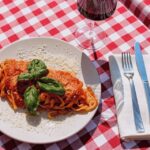
- Fresh tomato sauce with basil
- Norma sauce
- Appetizers, Wine, and the Stuff That Turns Cooking Into Conversation
- The Dessert Finish: Ilaria’s Family Tiramisu
- Group Size, Pace, and What Beginners Should Expect
- How Much Is $154.99, and Is It Good Value?
- Who Should Book This Class (And Who Might Prefer Something Else)
- Practical Tips for Your Evening in Ilaria’s Kitchen
- Should You Book This Trastevere Pasta Class?
- FAQ
- How long is the cooking class?
- How many people are in the group?
- What will I learn to make?
- Is food and drink included?
- Is the class beginner-friendly?
- Where do I meet the host?
- Is the class offered in English?
Key highlights at a glance
- Small group, real coaching so you are not stuck figuring things out alone
- Three pasta shapes from scratch: fettuccine, ravioli, orecchiette
- Roman sauce workshop including cacio e pepe, tomato-basil, and Norma sauce
- An eat-at-the-table finish with what you helped make, plus wine and drinks
- Tiramisu from Ilaria’s family recipe to close things out the Roman way
- A home setting in Trastevere with hosts who treat you like more than customers
Why I Love This Trastevere Home Instead of a Big Cooking School
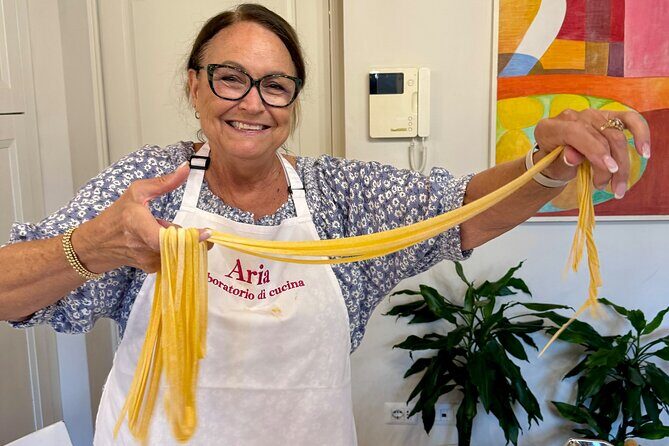
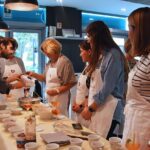
This experience is built around one simple idea: learning real Italian cooking happens at a real table. Instead of a crowd and a demo vibe, you get an intimate evening inside Ilaria Sparla’s home in Trastevere, with Ilaria and her family helping set the tone.
You do not just learn recipes. You learn technique you can repeat. When your hands form the pasta and you watch sauce timing closely, the steps stop feeling abstract.
A small group also changes how the class feels. With no more than 8 people, you can ask follow-up questions without waiting. That matters for pasta, where dough feel, thickness, and cooking times are all connected.
You can also read our reviews of more cooking classes in Rome

Meeting Point in Trastevere: Via Garibaldi and the Local Pace
You start at Via Garibaldi, 39, 00165 Roma RM, Italy. The activity runs back to the same meeting point, so you are not hopping around town chasing buses and transfers during your cooking night.
This matters because your time is protected. You can plan your evening around the class, then spend the rest of the night walking Trastevere without stressing over where to go next.
Trastevere itself is a good match for this kind of experience. It is lively enough to feel like Rome, but still comfortable for a night out that ends with dinner. If you like getting your bearings by foot, this is an easy area to do it.
Practical tip: wear comfy shoes. You will be standing, rolling, and moving around the kitchen for hours.
The Big Work: Making Fresh Pasta from Scratch (Not Just Assembling)
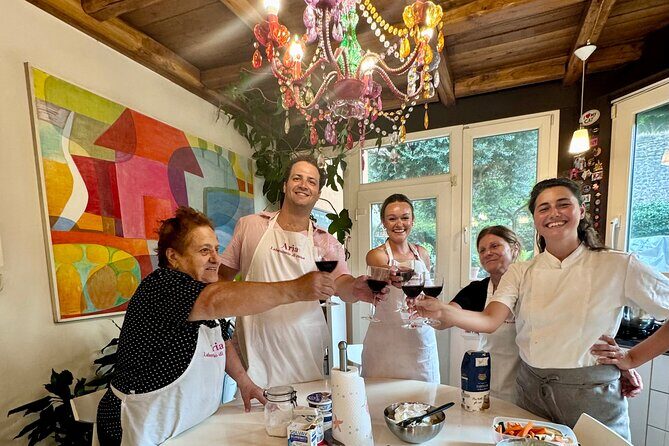
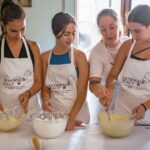
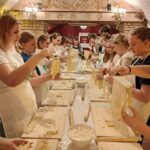
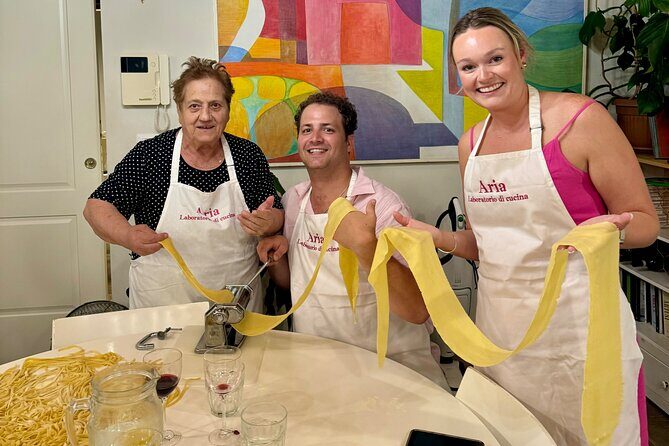
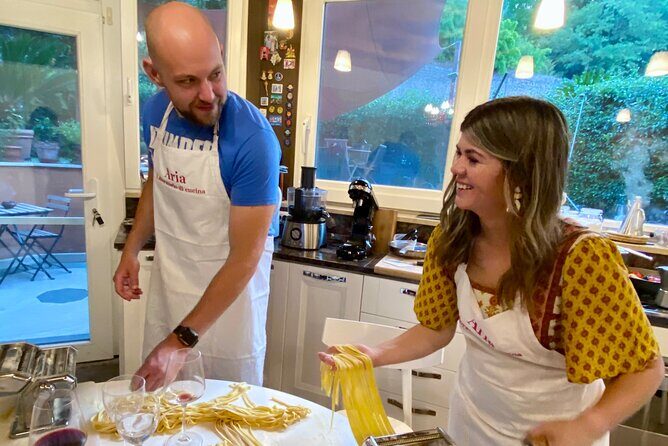
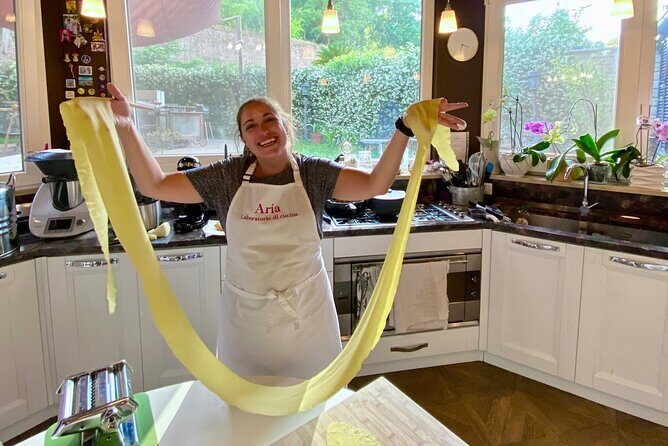
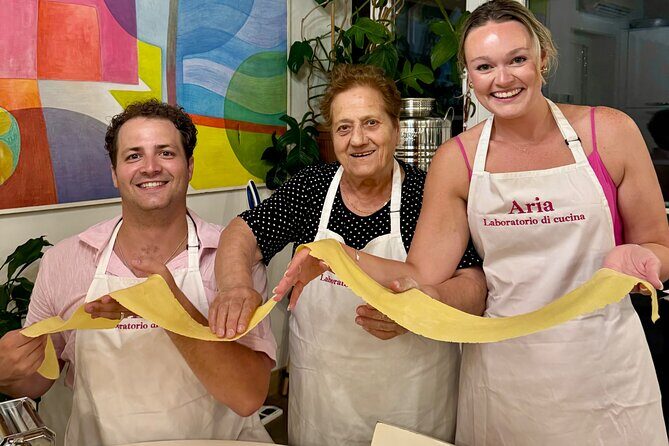
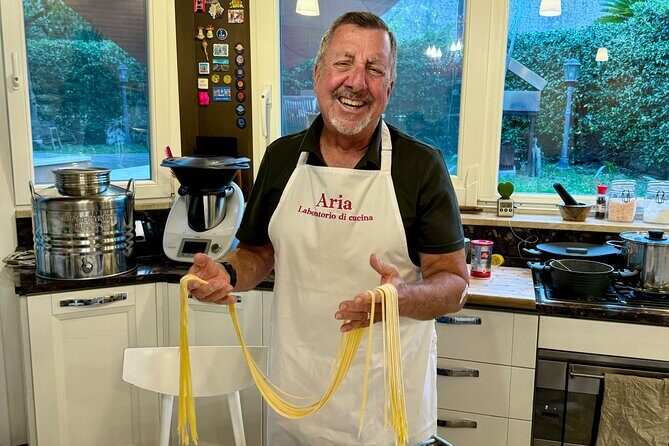
The heart of the class is pasta. You make dough from scratch and then shape three classic types: fettuccine, ravioli, and orecchiette.
Fettuccine is all about rolling and cutting with a steady thickness. When you do it yourself, you start to understand why Romans talk about the texture of fresh pasta. It cooks faster than dried pasta, and it needs respect in the pot.
Ravioli is the patience test. You learn how to portion and fill, then shape so they stay sealed and cook evenly. If you have ever felt intimidated by filled pasta, this format is the kind that builds confidence step by step.
Orecchiette is where you can see technique become personality. The distinctive shape is part of the charm, but it also helps sauce cling. You learn how to shape it so it cooks in a way that still holds onto flavor.
And because the group is small, you are not stuck guessing. Ilaria’s instruction style is patient and encouraging, and you get chances to ask questions while you are working.
Roman Sauces You’ll Actually Use Again at Home
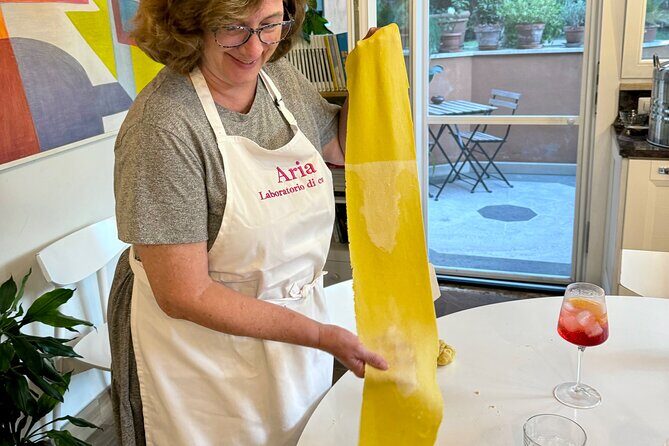
Pasta is only half the story in Rome. The class gives you three traditional Roman sauces, each with a different logic.
Cacio e pepe
This is the classic cheese-and-pepper sauce. It teaches you how to handle cheese so it turns into a smooth coating rather than a clump. Once you have done it in class, you understand what to watch for as the sauce comes together.
You can also read our reviews of more tours and experiences in Rome

Fresh tomato sauce with basil
This version uses seasonal ingredients and familiar technique. It is a great bridge for home cooks because it feels approachable, yet it still teaches you how to build flavor instead of relying on jarred shortcuts.
Norma sauce
Norma sauce is richer and more layered. You learn the approach behind it, not just a final result. That makes it easier to recreate later, even if your kitchen pantry changes from trip to trip.
What I like here is that the sauces line up with the pasta you made. You are not juggling random pairings. You learn how sauce choice affects the final bite.
Appetizers, Wine, and the Stuff That Turns Cooking Into Conversation
Before the pasta and sauces really take off, you get local appetizers. The sample menu includes assorted bruschetta with fresh burrata, scamorza, and tomatoes, plus seasonal vegetables fried in pastella—prepared by the guests during the evening.
That appetizer portion is more than a starter. It sets up the night so you are not hungry, and it gives you a rhythm: taste, learn, cook, taste again.
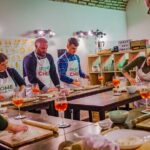
Wine, water, and soft drinks are included. This is one of those practical details that improves the whole experience. You can relax into the meal instead of doing mental math about the bar tab, and the conversation stays easy.
Also, if you enjoy food culture beyond the recipe cards, you will likely appreciate the stories that come with the cooking. The way hosts talk about ingredients and family habits is often the difference between a class that feels “educational” and one that feels like Roman dinner.
The Dessert Finish: Ilaria’s Family Tiramisu
Tiramisu is the sweet punctuation mark. You make it following Ilaria’s family recipe, which keeps things grounded in what people actually bake and share.
In a home class, dessert time feels different than it does at a restaurant. You are still in the cooking zone, still learning small steps, and then you get to sit down and enjoy the result with the people you cooked alongside.
For me, the dessert is proof the class is about the whole meal, not just pasta skills. It is a reminder that Roman cooking is comfortable, social, and meant to be eaten together.
Group Size, Pace, and What Beginners Should Expect
This class is designed for everyone: complete beginners, confident home cooks, couples, solo travelers, and families with children. The key is that the pace stays unhurried, and the group stays small.
If you are a first-timer, you should expect step-by-step guidance. You will not be thrown into a workshop with zero support. Pasta-making is a skill, but the teaching is built for learning in real time.
If you already cook at home, you will still get value because you are learning Roman-specific techniques. Pasta dough thickness, sauce consistency, and timing for fresh pasta are areas where a class like this can sharpen what you already do.
Families are a good fit too. Many hands-on cooking activities become stressful with kids, but a small home setup makes it easier for hosts to manage energy and keep instructions clear.
How Much Is $154.99, and Is It Good Value?
At $154.99 per person for about three hours, you are paying for more than a recipe handout. You are paying for:
- hands-on coaching in making three pasta types
- instruction for three classic sauces
- appetizers plus wine and included drinks
- dinner you helped cook, ending with tiramisu
In other words, the price covers instruction, ingredients, and a full meal format. A typical restaurant dinner gives you food, but not the technique. Cooking schools can teach technique, but sometimes you lose the intimacy and the real home-table feel. This class blends both, which is why the value calculation tends to be strong.
If you love cooking, you will likely feel like you are taking home skills you can use for months. If you are not that into cooking, you may still have fun, but your enjoyment will depend on whether you like working with your hands.
Who Should Book This Class (And Who Might Prefer Something Else)
Book it if you:
- want authentic Roman home-style cooking, not a generic pasta demo
- like small groups and personal teaching
- enjoy the idea of sharing food with the people who cook it with you
- want a skill-building souvenir you can use at home
Consider skipping or picking a different format if you:
- want a quick sightseeing stop instead of a real meal experience
- hate being hands-on in the kitchen
- prefer very structured, classroom-style learning with minimal conversation
This experience also makes sense for couples on a special night. It has that dinner-party warmth, but it still teaches you serious food skills.
Practical Tips for Your Evening in Ilaria’s Kitchen
A few things will make your night smoother:
- Come hungry. The meal is substantial, and you will be tasting along the way.
- Ask questions as you go. Small group size means your questions actually get answered in time.
- Plan for an active night. Pasta shaping and sauce work take time and movement.
- Think about diet needs early. If you eat vegetarian or follow halal, it has been reported as workable for some groups, but you should still communicate your needs when you book.
- Save room for dessert. Tiramisu is part of the flow, not an afterthought.
Also, because the class ends back at the meeting point, you can plan a calm walk afterward. Trastevere is often best at night, and you will already be in the neighborhood.
Should You Book This Trastevere Pasta Class?
I think you should book this class if you want an evening that mixes cooking skills with real Roman home hospitality. The combination of small group teaching, multiple pasta shapes from scratch, classic Roman sauces, and a full shared meal makes it a smart choice for food lovers who like learning by doing.
If you are looking for a fast, checklist-style experience, this may feel too hands-on. But if you want a memory you can recreate in your own kitchen, this is the kind of class that sticks.
FAQ
How long is the cooking class?
It runs about 3 hours.
How many people are in the group?
The class has a maximum of 8 travelers.
What will I learn to make?
You make three types of pasta from scratch (fettuccine, ravioli, and orecchiette), plus three traditional Roman sauces (cacio e pepe, tomato sauce with basil, and Norma sauce). You also make tiramisu at the end.
Is food and drink included?
Yes. Appetizers, wine, water, and soft drinks are included, and you eat the meal you prepare, finishing with tiramisu.
Is the class beginner-friendly?
Yes. It is designed for complete beginners as well as experienced home cooks.
Where do I meet the host?
You meet at Via Garibaldi, 39, 00165 Roma RM, Italy, and the activity ends back at the same meeting point.
Is the class offered in English?
Yes, it is offered in English.