REVIEW · WALKING TOURS
Rome: Caravaggio Guided Walking Tour
Book on GetYourGuide →Operated by The Voyager · Bookable on GetYourGuide
Caravaggio feels close here, not distant. This 2.5-hour walking tour traces the places where he lived and worked, and then lets you see major paintings in the exact churches made for them. I especially like how the stops link art and real street locations so you understand the artist’s world, not just the brushwork. I also like that guides such as Patricia (based on recent experiences) bring the paintings to life with stories and real expertise.
The main drawback is simple: it’s a moderate-walking route with church dress rules. If you hate standing in lines or you’re not comfortable walking across Rome’s historic center, this may feel like too much.
In This Review
- Key things to know before you go
- A 2.5-Hour Walk That Keeps Caravaggio in Place
- Meeting at Piazza del Popolo and Getting Oriented Fast
- Santa Maria del Popolo: Where Two Caravaggio Scenes Set the Tone
- Walking Between Caravaggio’s Life Spots: Palazzo Madama and Giustiniani
- Church of St. Augustine: The Madonna of the Pilgrims
- Contarelli Chapel in St. Louis of France: The Life of St. Matthew
- Price and Value: Is $71 Worth Two and a Half Hours?
- The Real Experience: Earphones, Listening, and Moving Through Churches
- Dress Code and Shoe Rules: Don’t Lose Time at the Door
- Who This Tour Suits Best (and Who Might Skip It)
- Should You Book the Rome: Caravaggio Guided Walking Tour?
- FAQ
- What is the duration of the Rome Caravaggio walking tour?
- Where does the tour start?
- How do I find the guide at the meeting point?
- What’s included in the price?
- Is hotel pickup or drop-off included?
- What works will I see during the tour?
- What clothing is required for entering the churches?
- Is the tour suitable for people with mobility impairments?
- What happens if a church or site closes?
Key things to know before you go
- Three churches, three big works: You’ll see major Caravaggio paintings tied to where they were commissioned.
- Street-level context: You pass places tied to his life, including Palazzo Madama and Giustiniani Palace.
- A guide who tells the story well: Expect a guide who focuses on meaning, technique, and how Caravaggio worked.
- Headsets included: Makes it easier to hear clearly when you’re moving through crowded spaces.
- Dress code in real life: You’ll need shoulders and knees covered to enter churches.
A 2.5-Hour Walk That Keeps Caravaggio in Place
This isn’t a museum day where you scan paintings behind glass. You’re moving through the historic center on foot, with Caravaggio’s work shown where it belongs—inside churches that shaped how those images were seen. That change in setting matters. A Caravaggio painting often hits harder when you understand the room’s light, size, and purpose.
The tour is “intensive” in the good way: you cover key sites without turning it into a slow, wandering stroll. It also runs about 2.5 hours, which is long enough to feel like you did something meaningful, but not so long that you’ll lose your energy before the rest of Rome.
For $71, you’re paying for three things that are genuinely hard to replicate solo: a live guide, headsets, and a route built around seeing specific works in the right locations. If you love art, this is usually good value. If you’re more of a casual browser, you might want to pick just one or two stops—because the tour packs a lot into a short timeframe.
You can also read our reviews of more walking tours in Rome

Meeting at Piazza del Popolo and Getting Oriented Fast
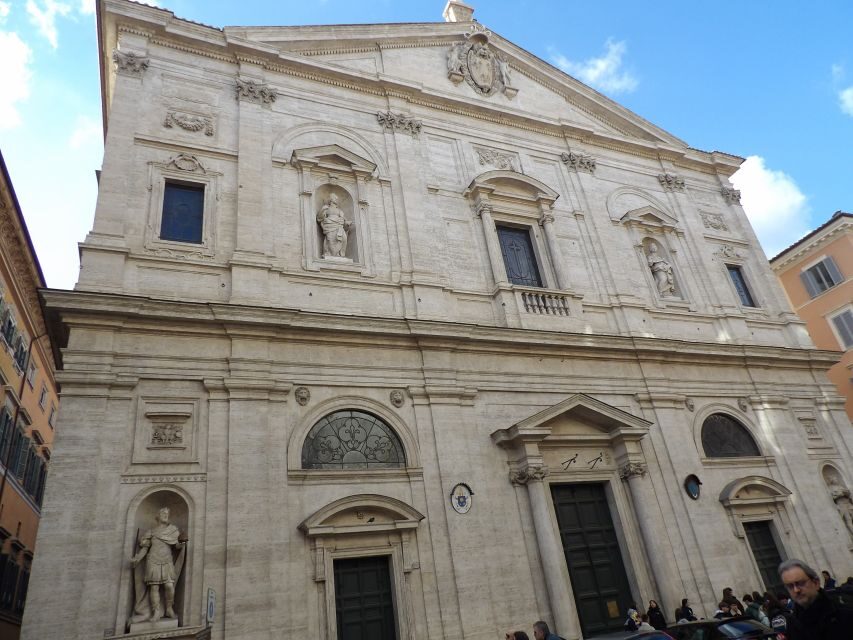
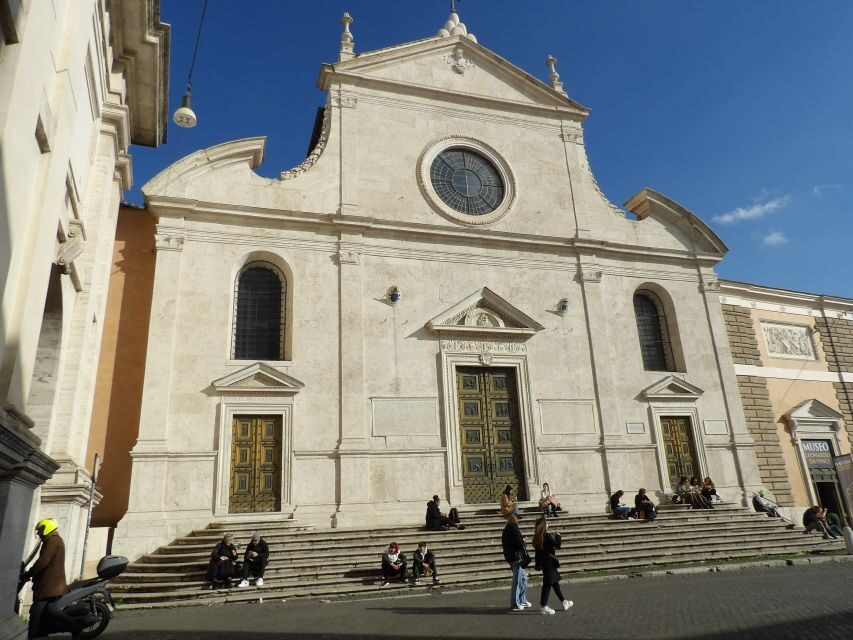
The tour starts at Piazza del Popolo, one of Rome’s famous showpieces—wide space, clear landmarks, and plenty of nearby streets to connect you to the historic center. Your guide will be holding a flag with the The Voyager logo, so you won’t have to guess once you’re there.
Here’s my practical advice: arrive early, not “right on time.” One recent experience described trouble finding the guide and losing the group. That’s the kind of problem that snowballs fast when you’re waiting in a busy square. Do yourself a favor: get there a few minutes before start, scan for the flag, and confirm you’re in the right group.
Once you’re moving, the tour uses the city as the classroom. You’ll pass residential landmarks linked to Caravaggio, then head into churches where the paintings are the main event.
Santa Maria del Popolo: Where Two Caravaggio Scenes Set the Tone
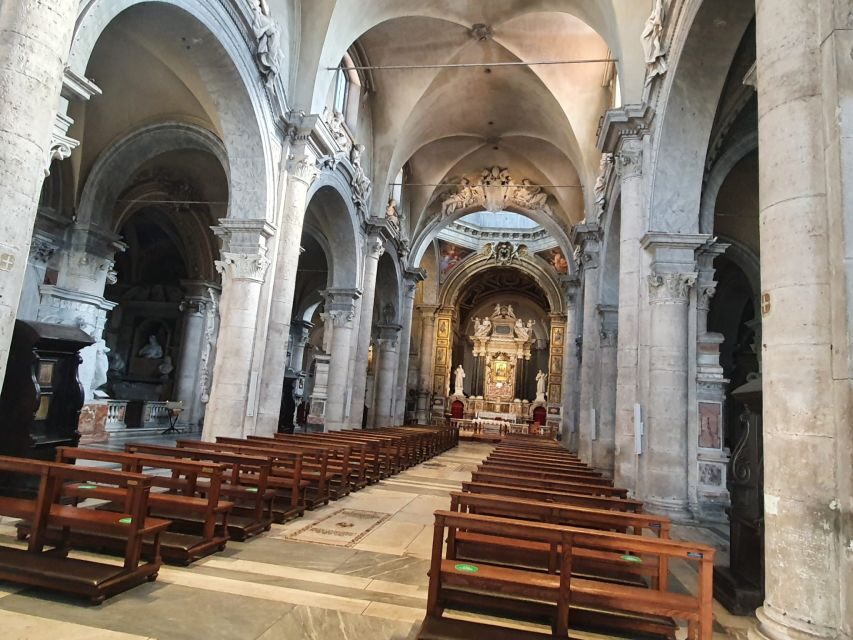
Your first major stop is Basilica of Santa Maria del Popolo. This is a strong opener because it immediately gives you two of Caravaggio’s important religious works in a place built for devotion, not art viewing alone.
You’ll see:
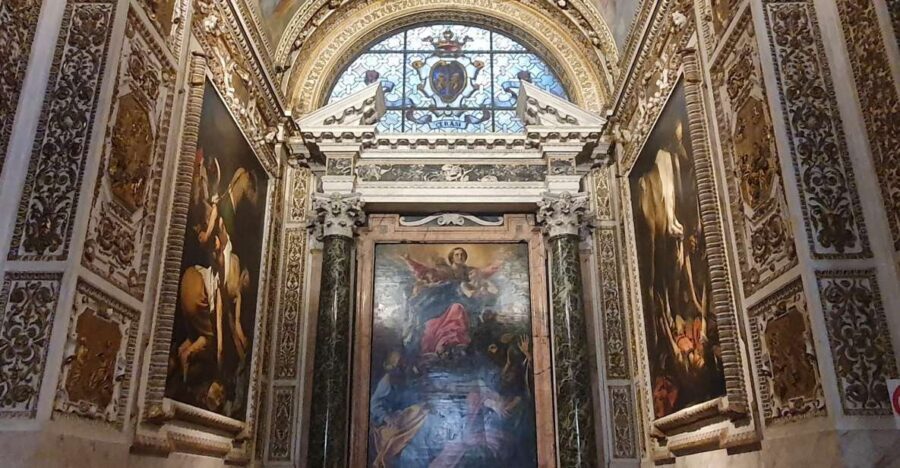
- The Crucifixion of St. Peter
- The Conversion of St. Paul
What I like about starting here is the contrast. Caravaggio’s style is dramatic, but it’s not only about drama for drama’s sake. These scenes are meant to communicate spiritual transformation and urgency. When you hear the guide explain what to look for, you start noticing the small things—how figures are posed, how attention is directed, and how the image supports the message.
Also, churches can be visually busy. If you’re trying to “go it alone,” you might stare at the painting without really knowing what’s important. With a live guide and headsets, you can follow the explanation while you look, instead of constantly switching between walking, reading, and trying to locate the work.
Walking Between Caravaggio’s Life Spots: Palazzo Madama and Giustiniani
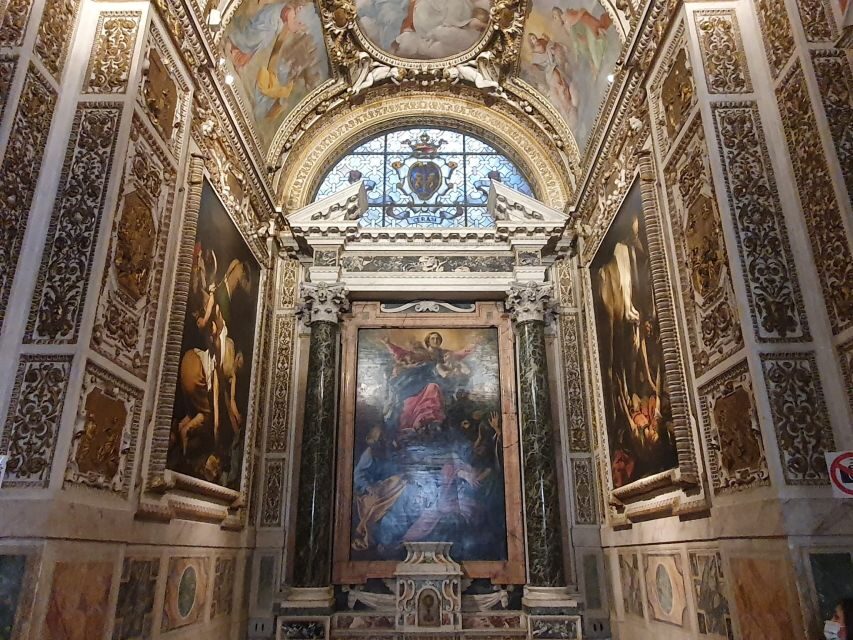
After the basilica, you shift from inside artwork to the city around it. You’ll pass Palazzo Madama and Giustiniani Palace, both tied to Caravaggio’s residences.
This part is where the tour becomes more than a painting itinerary. Seeing those buildings from the street gives you a sense of scale and location—where daily life and artistic life likely intersected. Even if you don’t know the backstory, walking through the same neighborhoods helps your brain connect the dots.
You’ll also start getting Rome’s “hidden lanes” feel here—tight alleyways, turns you wouldn’t choose if you were just using a map, and little windows into how the city works beyond the big squares. It’s one of those practical benefits of guided walking: the guide moves you through the areas that are visually interesting and historically meaningful, without turning the day into a maze.
Church of St. Augustine: The Madonna of the Pilgrims
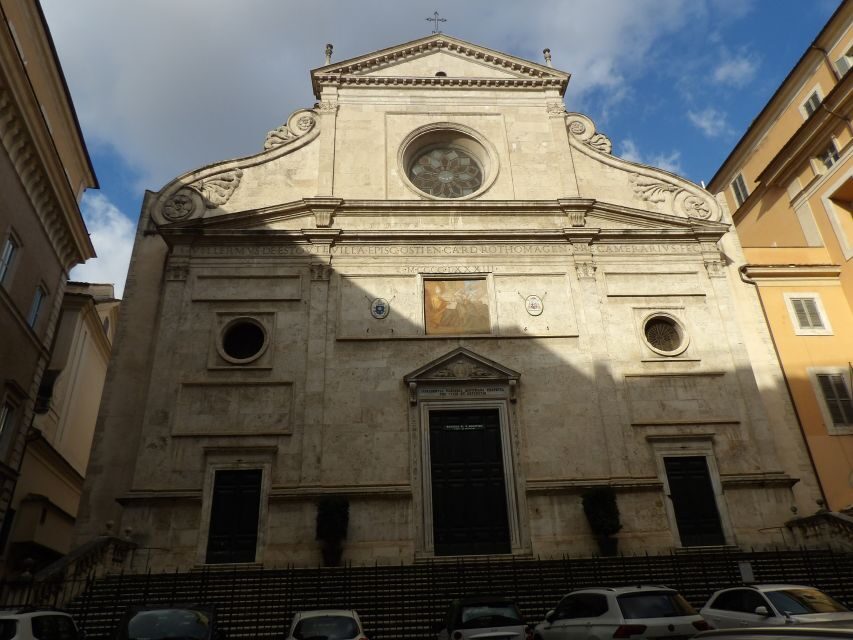
Next you’ll reach Church St. Augustine, where you’ll see The Madonna of the Pilgrims.
This stop matters because it adds a different emotional note. Earlier works you’re seeing are tied to major moments of faith, but Marian imagery often carries a different kind of pull—comfort, intercession, and reverence. Caravaggio’s ability to make religious scenes feel human is part of why his paintings have lasted. The guide’s job here is to point out how the painting communicates that feeling, not just that it’s religious.
In practical terms, this is also a good checkpoint. By now you’ve walked enough to get warmed up, but you’re still early enough that you’ll have energy for the final, big finish.
Also remember: churches have rules. You’ll want to be dressed for entry before you step in, because once you’re in the line or at the doorway, it’s stressful to realize you’re not allowed.
You can also read our reviews of more guided tours in Rome




Contarelli Chapel in St. Louis of France: The Life of St. Matthew
The last masterpiece on the route is The Life of St. Matthew in the Contarelli Chapel, inside St. Louis of France.
This is a strong finale because it pulls everything together: Caravaggio’s talent for storytelling, his sharp technical control, and the way he frames religious subjects so they feel immediate. The Contarelli Chapel is the kind of place where the guide’s explanations really help. Without context, you may appreciate the painting but miss how the work is structured to guide your eye and your attention.
The tour ends with you having seen Caravaggio’s work across multiple settings—different churches, different themes, and different ways faith is visually expressed. That makes the experience feel more complete than simply ticking off “three paintings.”
Price and Value: Is $71 Worth Two and a Half Hours?
Let’s talk money in a straightforward way. $71 for 2.5 hours includes a live guide, headsets, and the tour’s focused route through three churches featuring specific Caravaggio works. You’re also getting the street-walk component—seeing the neighborhood context around where he lived and worked.
If you were to do this yourself, you’d likely spend time figuring out:
- where each painting is located
- how to get from one church to the next efficiently
- what to look for beyond obvious subject matter
You might also lose time in churches because you’re hunting for the right work without a guide to point it out fast.
So the value comes down to you:
- If you care about art and want an explanation while you look, this is typically a smart use of time.
- If you’re mainly sightseeing and don’t want to think hard about what you’re seeing, it could feel pricey for the amount of walking and listening involved.
The Real Experience: Earphones, Listening, and Moving Through Churches
One underrated benefit here is the headsets. In busy churches, people shift, you get separated slightly, and sound gets swallowed by architecture. With headsets, you can keep up without turning this into a constant game of tracking the guide.
The tour also includes an audio guide for English and Italian. That’s helpful if you’re the type who likes to replay ideas later, or if your attention drifts while you’re trying to locate a painting.
The pace is “guided walking,” not museum shuffle. You’ll move between stops, then slow down inside churches for viewing. If you’re comfortable with that rhythm, you’ll enjoy the flow.
Dress Code and Shoe Rules: Don’t Lose Time at the Door
Churches on this route require proper clothing. Plan for covered shoulders and knees. That means:
- no shorts
- no sleeveless shirts
- no short skirts
Also, you won’t want to carry luggage or large bags into the spaces.
This is the kind of rule that can derail a plan if you ignore it. The tour lasts long enough that you want to avoid delays, and many churches won’t make exceptions just because you booked a guided tour.
For shoes, bring something comfortable and grippy. Rome’s historic center includes uneven stone and cobblestones that can make a “moderate walk” feel more tiring than expected.
Who This Tour Suits Best (and Who Might Skip It)
This tour is a great fit if you:
- love Caravaggio and want to see key works in their intended church settings
- like when a guide connects art technique and the artist’s life
- enjoy walking through central Rome’s streets and alleys, not just staying in big squares
It may not be your best match if you:
- have mobility issues, since it’s not suitable for people with mobility impairments
- hate standing and listening inside churches with dress rules
- prefer long self-paced museum time instead of a structured art route
Should You Book the Rome: Caravaggio Guided Walking Tour?
I’d book it if you want a tight, art-focused route that uses location as part of the explanation. The biggest strength is the way the paintings are shown in real places, paired with a guide who can talk about both the art and the human story behind it. When you choose this kind of guided walk, you’re buying clarity and context—fast.
I’d pause if you’re not ready for moderate walking or you’re likely to run into church entry problems with clothing. And if meeting-point precision matters to you, arrive early at Piazza del Popolo and look for the The Voyager flag so you don’t start the day scrambling.
If you’re an art lover visiting Rome for a short window, this is a high-impact use of a half-day.
FAQ
What is the duration of the Rome Caravaggio walking tour?
The tour lasts 2.5 hours.
Where does the tour start?
It starts at Piazza del Popolo.
How do I find the guide at the meeting point?
The guide will have a flag with the The Voyager logo.
What’s included in the price?
You get a live guide and headsets. An audio guide is also included in English and Italian.
Is hotel pickup or drop-off included?
No. Hotel pickup and drop-off are not included.
What works will I see during the tour?
You’ll see Caravaggio works at three churches: The Crucifixion of St. Peter and The Conversion of St. Paul at Santa Maria del Popolo, The Madonna of the Pilgrims at Church St. Augustine, and The Life of St. Matthew in the Contarelli Chapel at St. Louis of France.
What clothing is required for entering the churches?
You’ll need to follow a dress code: no shorts, no short skirts, and no sleeveless shirts. Shoulders and knees must be covered.
Is the tour suitable for people with mobility impairments?
No. It is not suitable for people with mobility impairments.
What happens if a church or site closes?
If closures happen, you might get alternatives only if communication reaches the provider in a timely way. If a closure is sudden and out of control, no refund is possible.