REVIEW · 3-HOUR EXPERIENCES
Rome by Night: 3-Hour Guided Walking Tour
Book on GetYourGuide →Operated by Enjoy Rome · Bookable on GetYourGuide
Rome changes after dark, and so does the vibe. This 3-hour walking tour is built for that moment when the crowds thin and the monuments start looking like monuments again. You’ll get a guided run through top sights such as Piazza Navona, the Pantheon, Trevi Fountain, Capitoline Hill, and the Colosseum area, plus a strong focus on the Roman Forum zone with Imperial Forums context.
Two things I especially like: you’re not just “seeing famous places,” you’re hearing how they connect. The tour also includes headsets, so you don’t have to crane your neck for every sentence at street level. One thing to consider: this is English-only, and since night tours depend on your ability to follow the guide, language clarity matters a lot.
In This Review
- Key things to know before you go
- Rome by Night: What This Tour Really Gives You
- Where You Meet and How Early to Arrive
- The 3-Hour Route: What You’ll See Between Piazza Navona and the Colosseum
- Piazza Navona at night
- Pantheon after dark: a stop that helps you connect dots
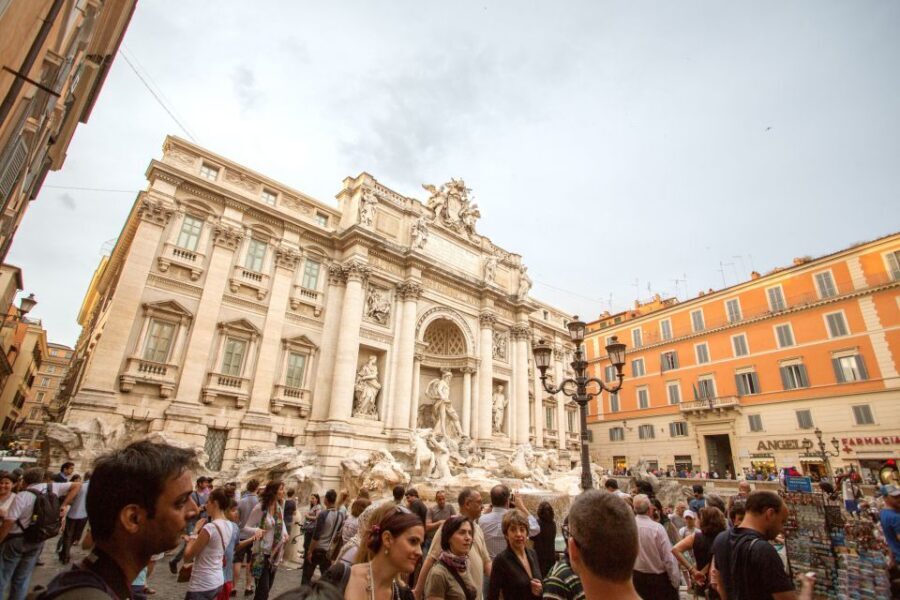
- Trevi Fountain: close enough to feel the spectacle
- Capitoline Hill: where the story starts to widen
- Colosseum Area Without Daytime Pressure
- The Roman Forum and Imperial Forums: The Real Payoff
- Hearing the Guide: Why Headsets Make This Tour Easier
- Price and Value: Does $66 Make Sense?
- Night Walking Reality Check: Comfort, Pace, and What to Wear
- Group Size and the Quality of the Moment
- Who This Tour Fits Best (and Who Should Skip It)
- Should You Book Rome by Night?
- FAQ
- How long is the Rome by Night guided walking tour?
- Where do I meet the guide?
- How much does the tour cost?
- What sights are included on the tour?
- Is the tour in English?
- Are headsets provided?
- Are entrance fees included?
- Does the tour include dinner?
- Is it wheelchair accessible?
- What is the cancellation policy?
Key things to know before you go
- Sundown start keeps the light dramatic and the sidewalks calmer than daytime
- Headsets included help you hear the story without turning it into a shout-fest
- Full overview of the Forum area (including Imperial Forums) gives you the big picture
- Major-sight route covers Piazza Navona, Pantheon, Trevi Fountain, Capitoline Hill, and the Colosseum area
- Exterior-focused at night: entrance fees aren’t included, and evening hours can mean limited access
- Not wheelchair accessible and pets aren’t allowed
Rome by Night: What This Tour Really Gives You
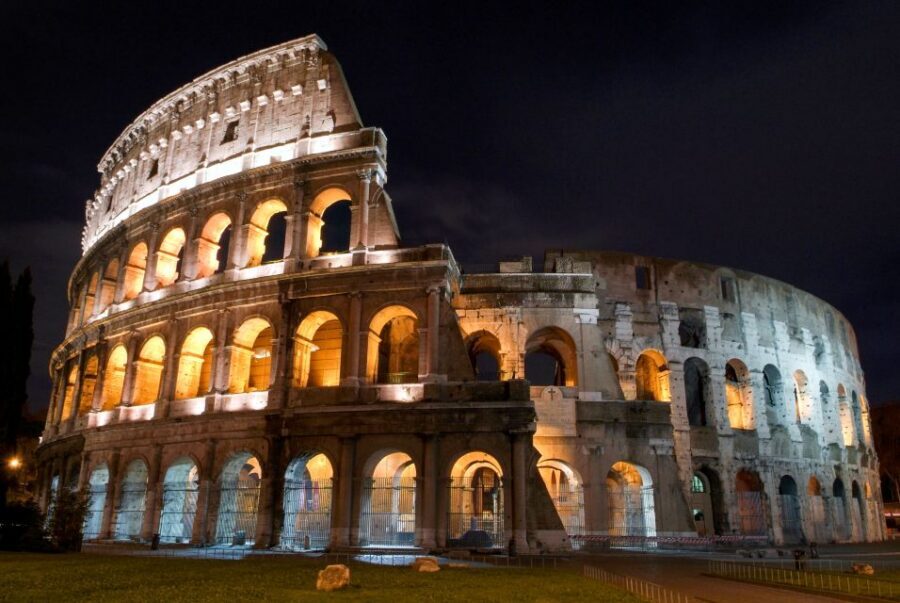
This tour works because it matches Rome’s mood. Daytime is for crowds and checklists. Night is for atmosphere. Starting at sundown is smart: you often get a bit of sunset glow on stone, then the slow switch to floodlights and shadow. That visual shift makes the same buildings feel less like photos and more like real spaces.
You’re also walking with narration, which is the difference between seeing and understanding. The route hits the postcard targets, but the payoff is the way the guide connects them to the city’s story—especially around the Forum. If you want your first days in Rome to feel organized without turning into a rush, this format fits.
One more practical perk: you’re on your feet for about three hours, not half a day. That means you still have energy for gelato, aperitivo, and going back to the spots you want to linger at.
You can also read our reviews of more walking tours in Rome

Where You Meet and How Early to Arrive
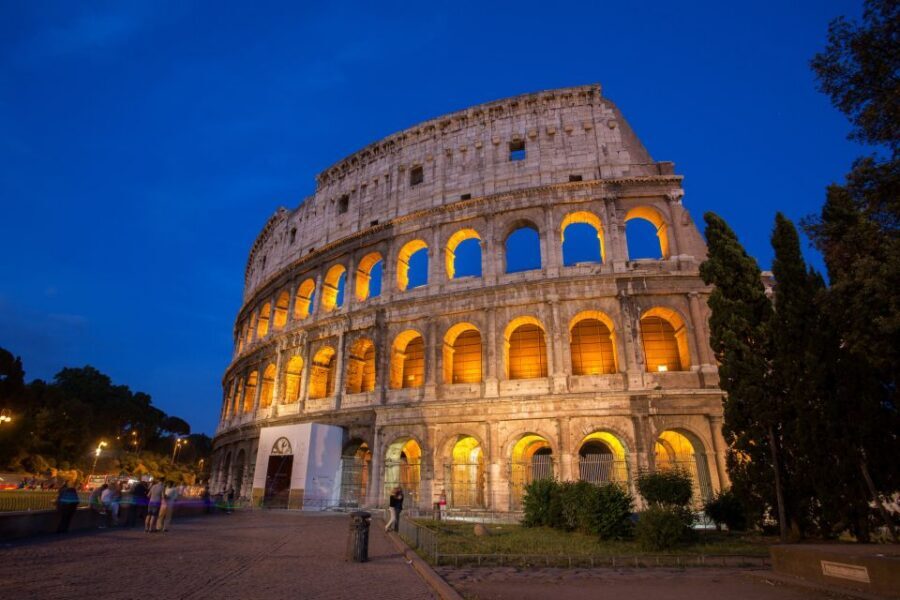
The meeting point is outside Metro station Colosseo (B Line), between the green news stand (Kiosk) and the yellow bus stop. Show up 25 minutes before departure.
Why that matters: night tours run on timing. You’ll want enough buffer to find the group, get your headsets sorted, and settle before the first stop. Rome is full of lanes and quick turns, and starting on time helps the whole group stay together.
Also note: the tour begins at sundown, so your exact departure feel depends on the season. Either way, arriving early protects you from stress at the worst possible time—when it’s already dark.
The 3-Hour Route: What You’ll See Between Piazza Navona and the Colosseum
This is a “big sights” walk, but it’s not the typical stop-and-stare approach. The tour is designed to cover major landmarks in a logical flow, with narration tying the scenes together. Here’s how the route feels in real life.
Piazza Navona at night
Piazza Navona has a lived-in elegance at night. You’ll see it in a lighter moment when the streets feel more like a neighborhood and less like a parade route. This is a good early stop because it sets the tone: stone, fountains, and the kind of geometry Rome does so well.
What to watch for: the way the square’s edges frame the view and how the lighting changes the feel of the architecture. If you like photography, you’ll usually have an easier time here than in peak daylight.
Pantheon after dark: a stop that helps you connect dots
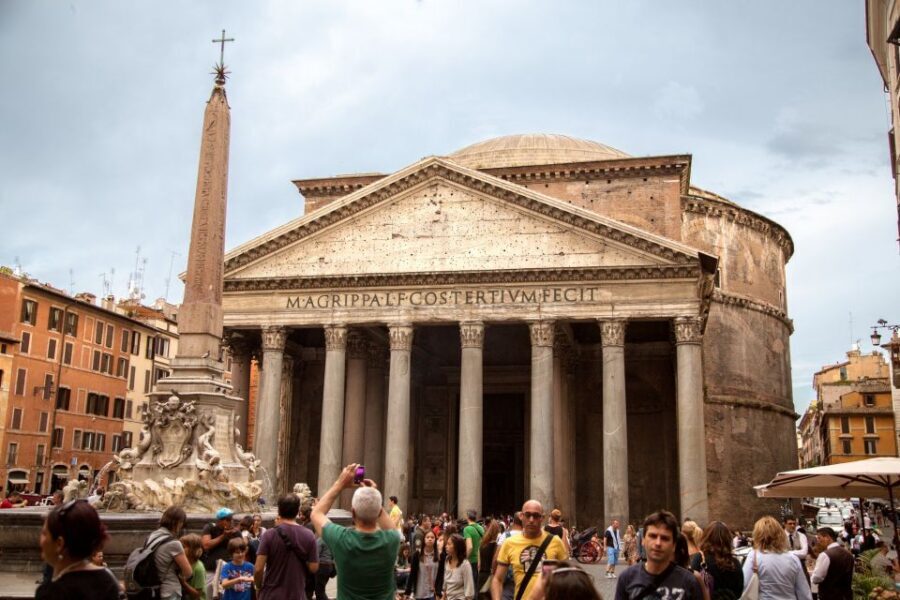
The Pantheon is one of those places where you can either walk past it with a blank mind or actually “get” why it’s special. On this tour, it’s treated as a learning stop, not a quick photo moment.
Night helps because the crowds often ease up. You’ll get a better chance to notice the contrast between the façade vibe and the monument’s bigger presence in the street.
Possible bonus: at least one earlier departure included time to visit inside the Pantheon and another nearby church. That’s not something I’d count on every time, but it’s a nice reminder that your guide may tailor a bit depending on what’s open and feasible in the evening.
You can also read our reviews of more guided tours in Rome




Trevi Fountain: close enough to feel the spectacle
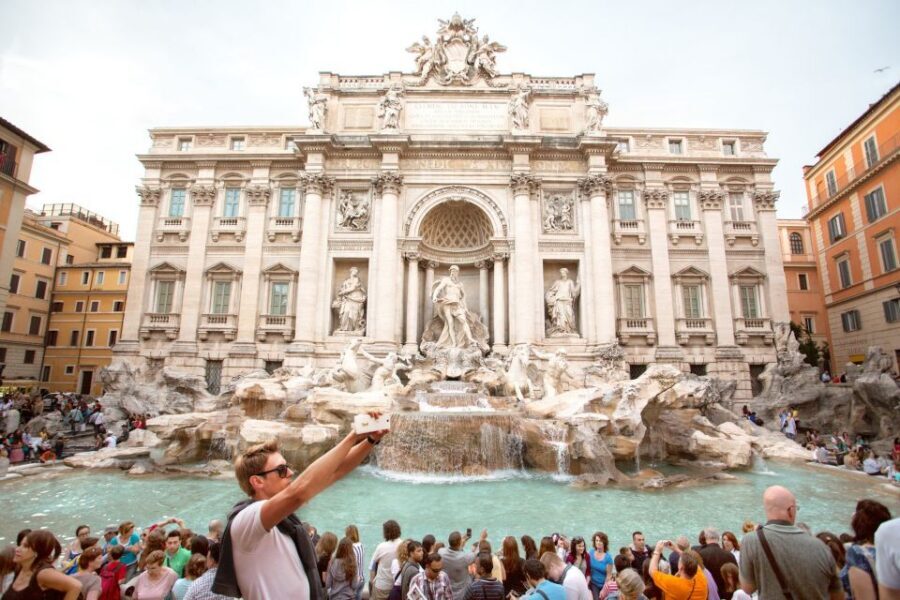
Trevi Fountain can be chaotic. At night, it’s still famous, but it can feel less like a zoo and more like a stage. This is a solid stop for first-timers because you’re seeing a headline sight while it’s calmer—and because it’s easy to pair with later independent time if you want to return.
What to expect: some viewpoints work better than others, and your guide’s route decisions matter. This tour is a good way to learn which angles are worth your time without spending your whole evening weaving around strangers.
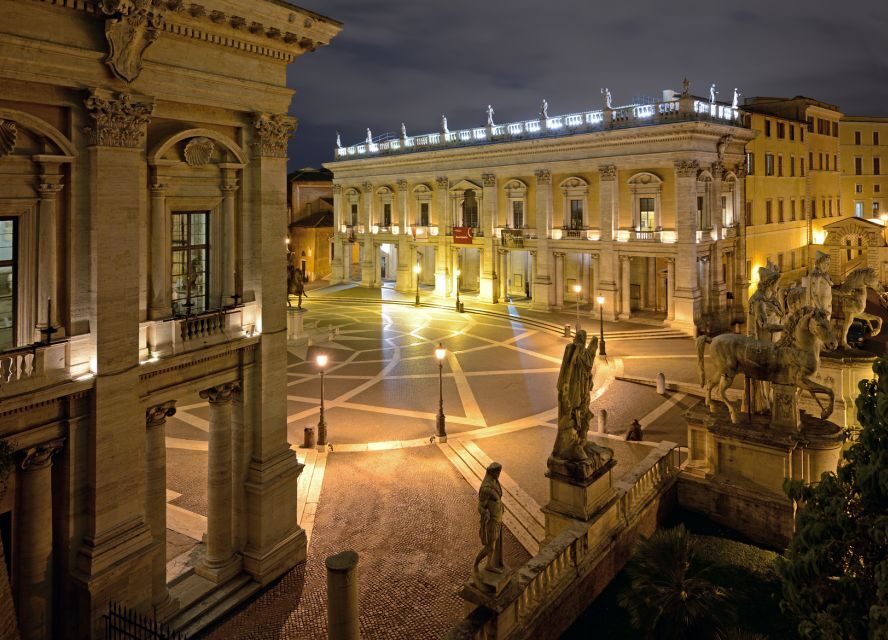
Capitoline Hill: where the story starts to widen
Capitoline Hill is a key chapter because it’s tied to Roman power and planning. Walking there in the evening gives you a sense of scale, especially when you’re thinking in terms of how these areas functioned rather than just what they looked like.
This stop is also where the tour’s narration tends to become more “putting it all together.” If the guide is strong—which many departures appear to be—you’ll feel like you’re getting the city’s logic, not just its highlights.
Colosseum Area Without Daytime Pressure

The tour route includes the Colosseum area, and night is the right time for it. Even if you’re not going inside (entrance fees aren’t included, and sites can be closed in the evening), the exterior presence hits differently when it’s lit.
One specific kind of memory shows up in past experiences: people described the Colosseum looking dramatic with moonlight and floodlighting. That kind of effect is common at night, and it’s exactly why this tour exists.
What you’ll gain here is not access—it’s context. The guide ties the Colosseum to the larger Roman world you’ve been hearing about. Then you’re free afterward to explore more at your own pace, using the map in your head that the tour gives you.
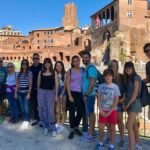
The Roman Forum and Imperial Forums: The Real Payoff
The biggest reason to pick a Rome by night tour that focuses on the Forum is simple: Rome is confusing until someone hands you the big picture. This one includes a full overview of the Forum area, including the Imperial Forums, plus extensive narration.
At street level, the ruins can look like a jumble. With a guide, they turn into a timeline. You’ll understand why these spaces mattered, how different emperors shaped the area, and why the Forum wasn’t just a “cool place to walk”—it was the political and social engine of Rome.
This also helps you avoid a common first-timer mistake: spending time on one ruin without understanding what else it was tied to. The Forum overview is the cure. It’s also the best part to listen through with your headsets, because it’s where the details come alive.
Hearing the Guide: Why Headsets Make This Tour Easier
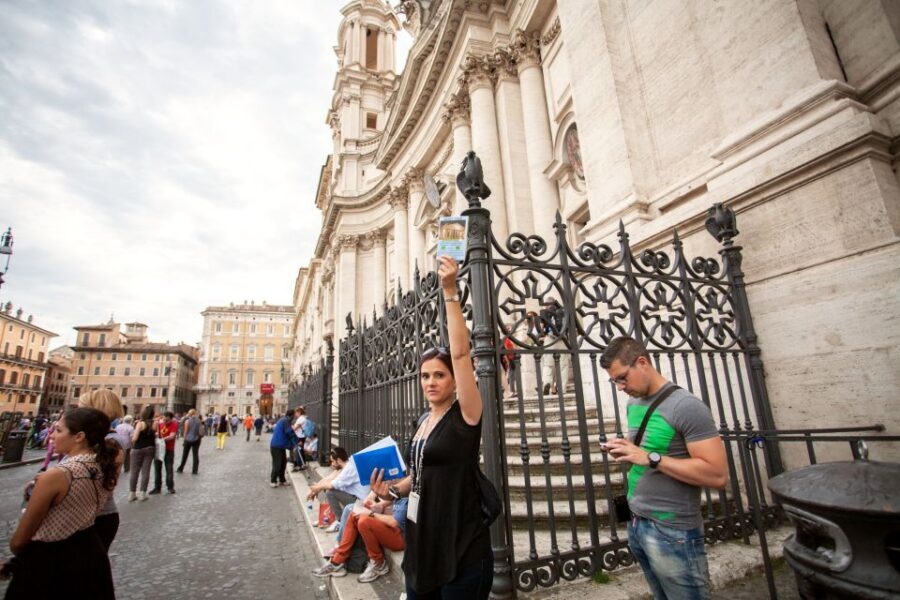
Headsets are included, which I consider a major quality-of-life upgrade. On night walks, sound travels weirdly. You get road noise, people talking, and uneven spacing. With a headset system, you can focus on listening while still looking at the street.
Past experiences also show that guide performance matters. People have praised guides by name, including Renate, Irina, Clare, Irene, and Chiara. The consistent theme: when the guide is a strong storyteller, the whole walk feels smooth—and the historical context sticks.
Not every language experience will be perfect for everyone. One account mentioned a situation where they personally didn’t understand a guide well, though their companion did. That’s not something you can control, but it’s a reminder: if your English listening is shaky, choose a night tour only if you’re comfortable following spoken explanations.
Price and Value: Does $66 Make Sense?
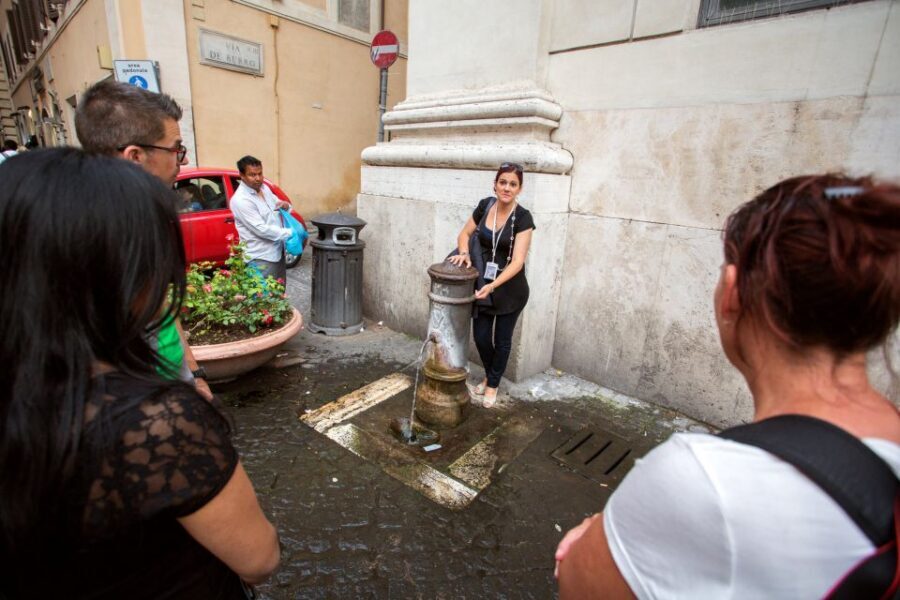
$66 for 3 hours includes a tour guide and headsets. Entrance fees are not included, and evening access can be limited since monuments and sites may be closed.
So is it worth it? For me, the value comes down to what you want out of Rome in your first days:
- If you want a guided outline of the city’s structure (especially the Forum), the cost is easier to justify because you’re paying for translation of the ruins into meaning.
- If you’re hoping to do a bunch of paid interior sights during the tour, this may feel less efficient since the pricing doesn’t cover entrances.
For many visitors, $66 lands in the “useful investment” category because night access is more about storytelling and orientation than about ticketed attractions. You finish with a clearer mental map and fewer wasted hours figuring out where things fit.
Night Walking Reality Check: Comfort, Pace, and What to Wear
This is a guided walking tour, and it’s in Rome at night. That means you should plan for uneven pavement and longer stretches between major stops. You’ll likely want comfortable shoes with grip.
Also, don’t underestimate how temperature and lighting change how you experience places. Night in Rome can be cool, and the lighting can make details harder to see in bright glare. If you’re the type who likes to read plaques, this tour may feel more “headphones-first” than “books-first.”
Finally, if you’re traveling with someone who likes to chat vs. someone who wants quieter listening, headsets help you do both without the whole group turning into a muddle.
Group Size and the Quality of the Moment
The tour is described as a walking tour with a guide and headsets, but group size can vary. One earlier experience noted a small group (around six people) during low season, which often makes questions easier and stops feel less rushed.
If you’re someone who hates crowd energy, night tours can be a good middle ground. Even when groups exist, the streets are usually calmer than midday. Still, if you’re picky about personal space, consider booking a departure that fits your comfort level with walking and listening together.
Who This Tour Fits Best (and Who Should Skip It)
This tour is a strong pick if you want:
- A first-night orientation so the rest of your Rome days make sense
- A guided route that hits major sights without daytime crowd pressure
- A Forum-focused explanation, not just a list of monuments
It may not be the best fit if:
- You need wheelchair access (it’s not wheelchair accessible)
- You’re expecting included entrance tickets (entrance fees aren’t included, and evening access may be limited)
- You can’t do an English-only guided experience
If your main goal is standing inside ticketed masterpieces for hours, this won’t match that style. But if your goal is to understand the city while you’re still fresh and energized, it’s a smart way to start.
Should You Book Rome by Night?
Book this tour if you want a guided, night-timed introduction to Rome that focuses on meaning—not just photos. The inclusion of headsets and the Forum overview are the two details that make it more than a casual stroll. At 3 hours, it’s also a manageable length for a first day or a lighter evening.
Skip or rethink it if you rely on tours in your own language, need wheelchair access, or you’re hoping the evening includes paid interior visits. Since entrance fees aren’t included and sites may be closed, treat this as a night-sight and story tour, not an evening ticket tour.
If you’re comfortable walking and listening, this is a good-value way to see Rome when it looks best: lit up, calmer, and easier to understand.
FAQ
How long is the Rome by Night guided walking tour?
It lasts 3 hours.
Where do I meet the guide?
Meet outside Metro station Colosseo (B Line), between the green news stand (Kiosk) and the yellow bus stop. Arrive 25 minutes early.
How much does the tour cost?
The price is $66 per person.
What sights are included on the tour?
The tour route includes Piazza Navona, the Pantheon, Trevi Fountain, Capitoline Hill, and the Colosseum area.
Is the tour in English?
Yes. The live tour guide provides the tour in English only.
Are headsets provided?
Yes. Headsets are included.
Are entrance fees included?
No. Entrance fees are not included, and monuments and sites may be closed in the evening.
Does the tour include dinner?
No. Dinner is not included.
Is it wheelchair accessible?
No. The tour is not wheelchair accessible.
What is the cancellation policy?
You can cancel up to 24 hours in advance for a full refund.