REVIEW · CYCLING TOURS
Rome: Appian Way & Roman Aqueducts Guided E-Bike Tour
Book on GetYourGuide →Operated by TopBike Rental & Tours · Bookable on GetYourGuide
A half-day e-bike ride can change how you see Rome. This one takes you off the main streets and onto the Appian Way and past Roman aqueducts, with real countryside space and frequent history stops along the way. I especially love how the route mixes big-name landmarks with quieter, earthier Roman scenery you do not see from tour buses.
You also get a practical, small-group setup: e-bikes with anti-puncture tires and a comfortable saddle, plus a guide who keeps the day running smoothly through parks and the city. One thing to factor in: the surfaces include gravel and ancient stone, and city traffic shows up for a portion of the ride, so you will want sure-footed comfort.
Key takeaways before you go
- 2300-year-old cobbles on the Appian Way: a rare way to feel the scale of the ancient road.
- 27 km in 4 hours: enough distance to feel like a real outing, without turning it into an all-day slog.
- 60% off-road riding: parks and countryside lanes, not just pavement.
- A tight history loop: Aurelian Walls area, catacomb country, Circus of Maxentius, Tomb of Cecilia Metella, aqueduct parks.
- Small group size (up to 10): easier pacing and more attention if you are new to cycling.
- Guides focus on safety: names I saw include Nima, Cas, Fabio, Pablo, Aaliyah, Bita, Han, Zac, and Davide.
In This Review
- Meeting at Via Labicana 49: fast start, low hassle
- Why the e-bike matters on this Rome countryside route
- Aurelian Walls and catacomb country: Rome’s quieter edge
- Circus of Maxentius and Cecilia Metella: ruins with real scale
- Riding the Appian Way cobblestones: slow, steady, worth it
- Following the aqueducts: Parco degli Acquedotti gets the outdoors right
- Caffarella Valley Park: the Rome you can breathe
- Traffic, gravel, and bike fit: what to watch during the ride
- How much cycling you really do in 4 hours
- What guides do (and why you’ll feel it)
- Price and value: is $85 worth it
- Who should book this Appian Way and aqueduct e-bike tour
- Should you book this Rome e-bike tour or skip it
- FAQ
- How long is the tour and how far do you ride?
- Where do I meet the guide and how do I get there?
- Is a helmet provided, and is it required?
- What language options are available for the live guide?
- What is the ride like for difficulty and road conditions?
- Can children participate?
Meeting at Via Labicana 49: fast start, low hassle
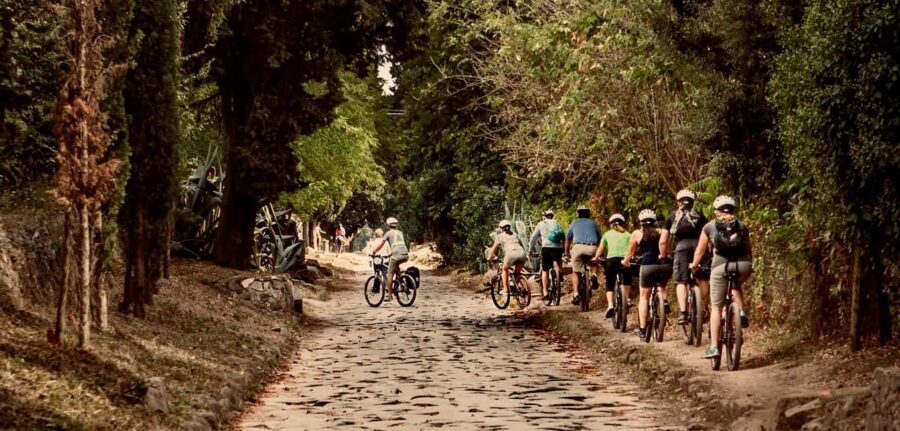
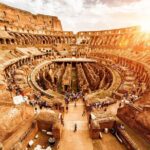
The meeting point is at a shop on Via Labicana 49, about a 5-minute walk from the Colosseum. That location matters because you are already close to major sights, but the tour still feels like it escapes Rome rather than simply circling more ruins downtown.
Plan to arrive a few minutes early. You will get your bike setup, a quick safety briefing, and then you head out. The tour includes a helmet (mandatory), a handlebar bag, and a biodegradable bottle of water, so you can travel light.
Why the e-bike matters on this Rome countryside route
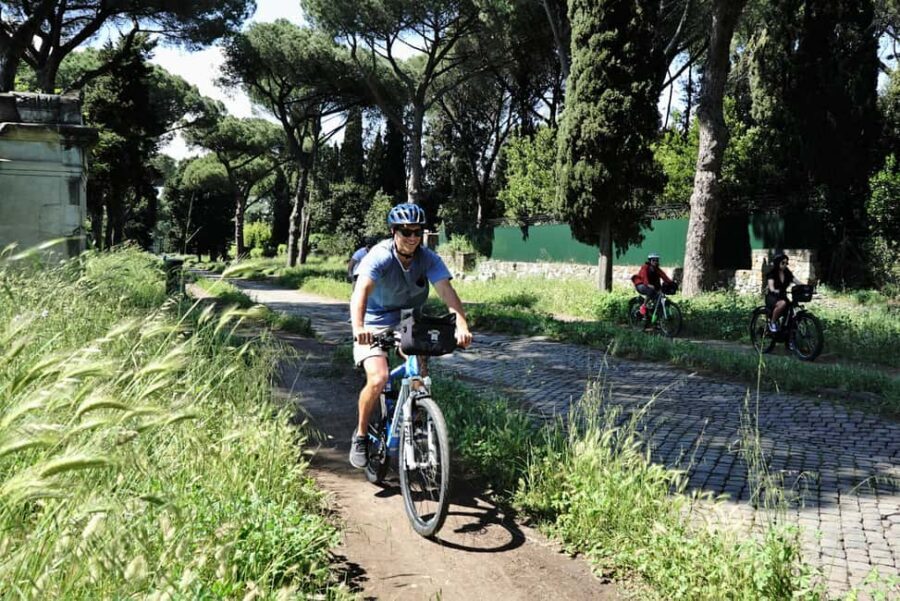
This is an intermediate ride, and the bike makes the difference between doable and exhausting. The included Cannondale e-bikes come with anti-puncture tires and a comfortable saddle, which helps on uneven surfaces and long-ish stretches.
You should still expect uneven ground. Between the ancient stones, gravel, and dirt paths, the challenge is not only hills; it is also staying comfortable when the bike tilts or bounces a bit. If you feel fine riding city bikes over rough patches, you are probably in the right zone.
You can also read our reviews of more cycling tours in Rome
Aurelian Walls and catacomb country: Rome’s quieter edge
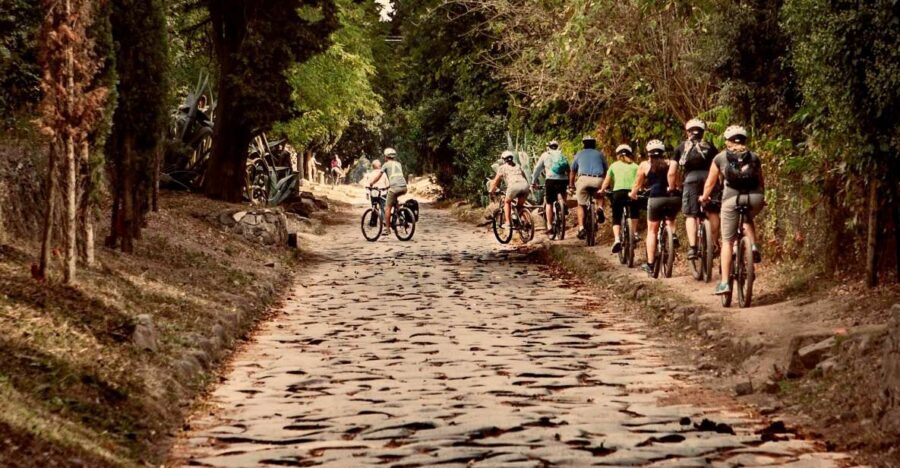
Right after you roll out, you pass through the area connected with the Aurelian Walls. This gives you a useful shift in perspective: you start with Rome’s defensive geography, then your route begins to feel more open and rural.
Then comes the Catacombs of Rome area for sightseeing. You are not just collecting names; your guide typically sets the scene on how burial life worked outside the dense center, and how these underground spaces shaped the way Romans viewed death. Even if you do not go inside, the location adds meaning fast.
One practical note: these early stops set your pace. If you are prone to getting distracted, pay attention to how the guide organizes the group before you spend the next hours riding.
Circus of Maxentius and Cecilia Metella: ruins with real scale
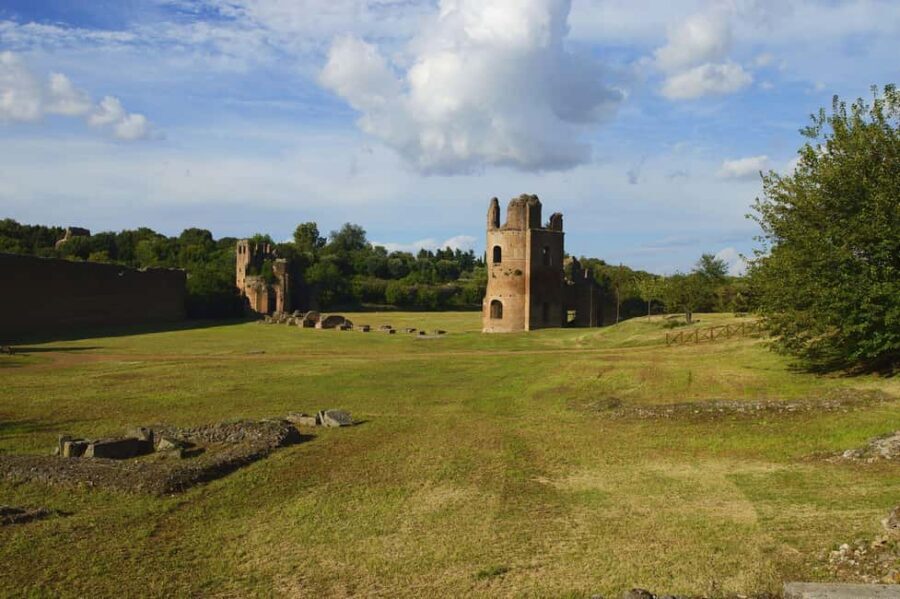
As the tour continues, you get viewpoints and storytelling around the Circus of Maxentius. This is one of those places where the structure may not be fully intact, but the footprint still reads as power and spectacle. You start to understand how Rome staged public life beyond the forums and fountains.
Next you visit the area tied to the Tomb of Cecilia Metella. This stop is valuable because it is visual. The tomb’s presence in the landscape helps you connect the ancient road world to the people who lived, traveled, and built nearby.
If you care about photos, these stops give you good chances to frame riders and ruins together. Just keep your camera accessible, because once you start rolling on the cobbles, you will spend less time stopping for long shots.
Riding the Appian Way cobblestones: slow, steady, worth it
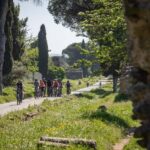
The star is the Ancient Appian Way, including the famous 2,300-year-old cobblestones. This is not a smooth promenade. It is textured, uneven, and it changes how your hands and hips feel on the bike.
Here is why it is so memorable: you are not just seeing an artifact. You are physically traveling on a road that carried Roman life for centuries. Your guide usually adds the context that makes those stones feel less like a theme and more like infrastructure.
Be ready for the fact that cobbles can feel harrowing if you are older or not used to gravel. A few riders mentioned rocky sections and ancient stones being a real workout for the body, even with e-bike help. If you are nervous, tell your guide early. They can position you in the group and coach your line.
Following the aqueducts: Parco degli Acquedotti gets the outdoors right
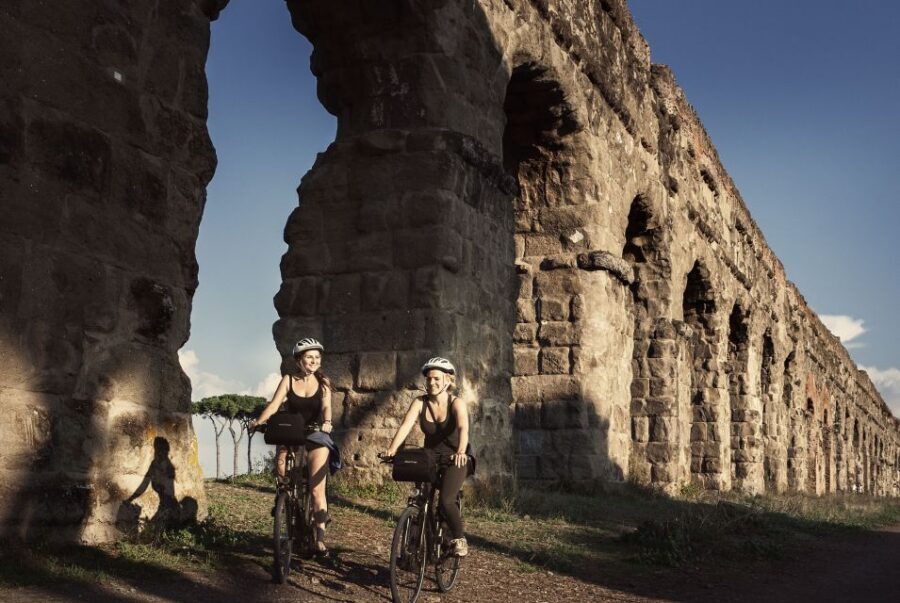
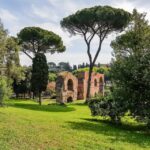
After the Appian Way stretch, the ride shifts into the aqueduct corridor. You will follow the ancient aqueducts through the countryside, and the mood changes from dense city edges to a more open, wilder-feeling Rome.
This part is a huge reason the tour earns its reputation. Aqueducts can look impressive in textbooks, but the scale lands differently when you ride alongside them. You see how the system shaped daily life: water as engineering, water as power, water as city survival.
You might also get a fun water moment depending on the day and route conditions. One rider specifically mentioned the chance to dunk their head in Aqua Felix water during hot weather. Even if you skip anything like that, the aqueduct views and photo angles are strong.
You can also read our reviews of more guided tours in Rome




Caffarella Valley Park: the Rome you can breathe
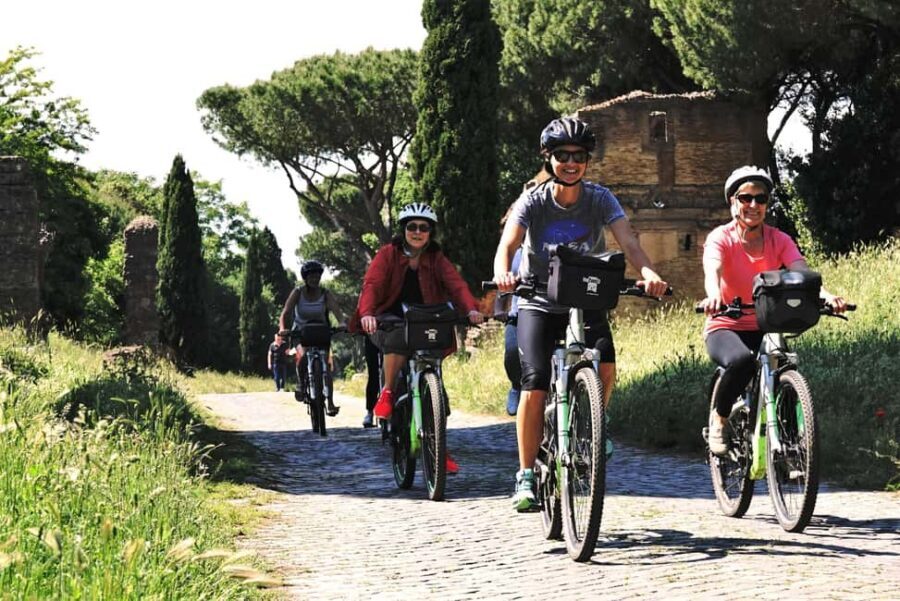
The tour continues into Caffarella Valley Park, which is where you really get the countryside feeling while still being close enough to call it a Rome day. This park riding is also where the traffic drops off, so you can focus on the scenery and the steady rhythm of cycling.
The value here is contrast. You start among major ancient landmarks, then you move into a greener, more human-scaled landscape where the ruins feel like neighbors rather than distant monuments. It is a refreshing change from the frantic “every corner is a landmark” feeling in central Rome.
Traffic, gravel, and bike fit: what to watch during the ride
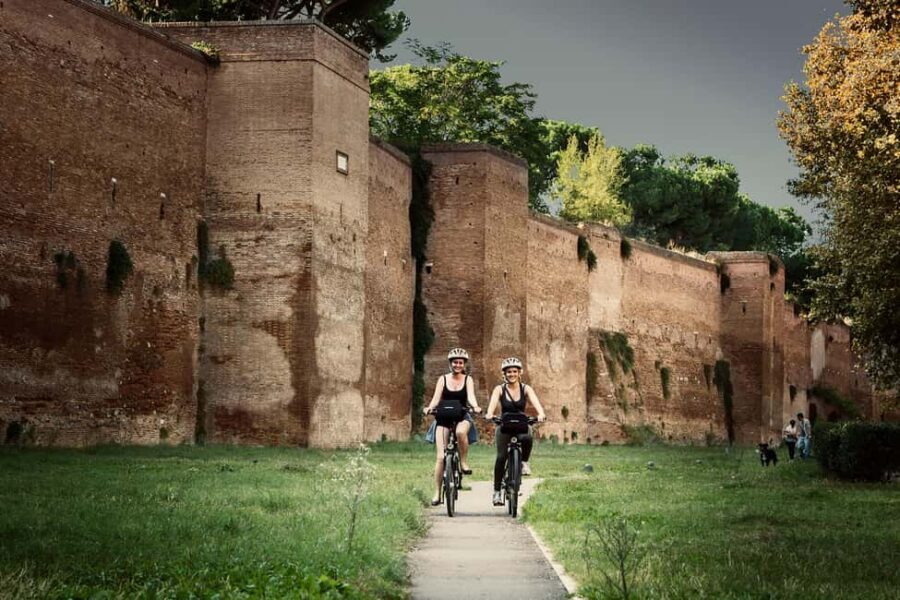
Even though much of the route runs through parks with no traffic, about 40% is in the city, with unavoidable connections. That city portion is why the “small group + safety-first guide” matters.
Pay attention to how your guide handles crossings and busier segments. In the reviews I saw, multiple guides (like Pablo, Bita, Zac, and Nima) were praised for keeping riders safe before and after the off-road parts. That safety emphasis is not a detail; it is a comfort factor that can make or break the day.
Also check your bike fit quickly. One rider noted handlebar height being uncomfortable, so do not suffer silently. Adjust if you can, and tell the guide if you feel shoulder strain. It is better to fix it early than to ride 90 minutes with bad posture.
How much cycling you really do in 4 hours
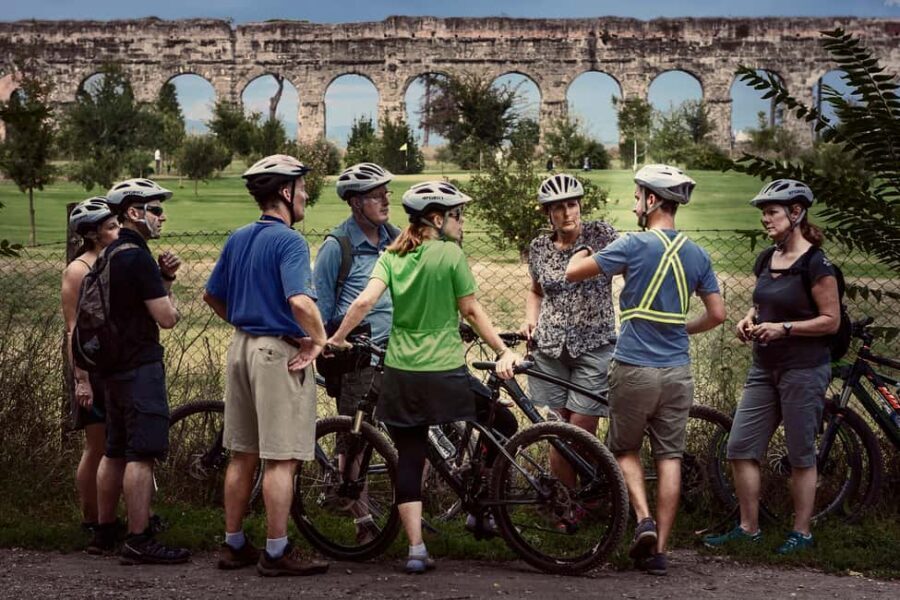
This tour is 4 hours long and covers 27 kilometers, with about 60% off-road. Because there are multiple sightseeing stops and history explanations, your time on the bike will not feel like a nonstop spin class.
That said, the ride still works as “more than a stroll.” You get enough movement that your legs will notice the outing, but the e-bike keeps it from becoming punishing.
One rider did point out that a lot of the time can be spent stopped listening to the guide. If you love riding more than talking, come in ready for short pauses and tight regrouping.
What guides do (and why you’ll feel it)
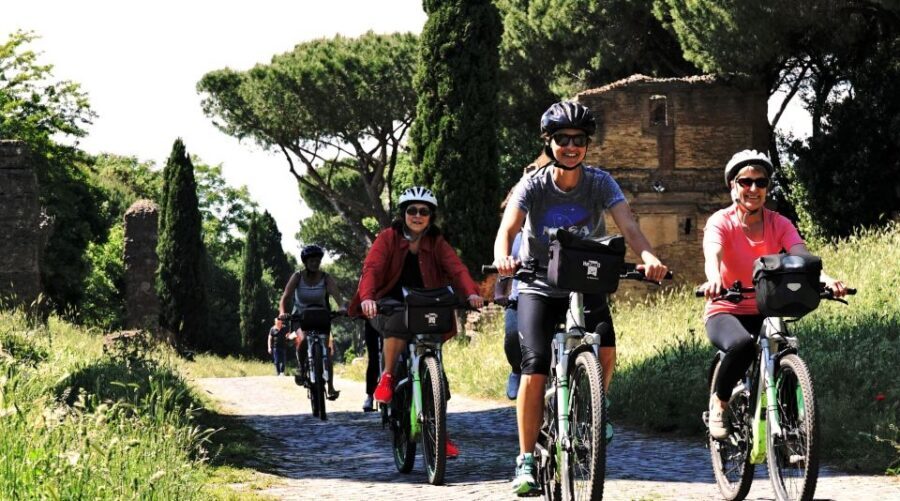
Your guide is a core part of the experience, not a background role. Many guides on this tour seem to mix practical bike leadership with clear explanations of what you are seeing.
Names that came up include Cas, Fabio, Pablo, Nima, Aaliyah, Bita, Han, Zac, Davide, Ana, Christian, Ali, and Linda. While guides differ in style, the common thread is that they help you connect sites to how Rome functioned, not just how things look now.
If you are a first-time e-bike rider, look for patience in the briefing. At least one review highlighted guides being very careful with first-timers, including helping riders get comfortable. That matters because the first few minutes set your confidence for the rest of the day.
Price and value: is $85 worth it
At $85 per person for a 4-hour guided e-bike outing, I think the value is strong if you want a real change of scenery. You are paying for:
- a guided route linking multiple ancient sites,
- a fully provided e-bike setup (not something you rent and figure out alone),
- and a small group size that helps keep the day moving.
The alternative in Rome is usually either more time in traffic (taking taxis or private cars between sites) or less “hands-on” learning (seeing ruins from the sidewalk). This tour gives you both: movement and meaning.
The biggest value leap is time. In one half-day, you can cover the Appian Way vibe, aqueduct views, and park riding without building your own route or managing bike logistics.
Who should book this Appian Way and aqueduct e-bike tour
This is a great fit if you want Rome beyond the obvious photos and you are comfortable riding a bike on mixed surfaces. It suits people who like:
- structured sightseeing with time to ride,
- open-air views and countryside pace,
- and history explanations tied to where you are standing.
It is also a good option for families with kids, based on how the tour handles ages (child seat for ages 1–4, child extension for ages 5–8, and appropriately sized e-bikes for age 9+). If you are traveling with teens, they often find it fun because the ride feels like an adventure, not a lecture.
Should you book this Rome e-bike tour or skip it
Book it if you want the Appian Way and aqueducts with a bit of countryside breathing room, and you like the idea of learning while moving. The combo of small group, included e-bike gear, and the chance to ride actual ancient road surfaces makes it a standout Rome half-day.
Consider skipping if you know you struggle with uneven gravel, rocky ancient stones, or you strongly dislike riding in any traffic at all. City segments exist, and the ride is not a perfectly smooth path the whole time.
If you do book, do one simple thing: wear comfortable shoes and be honest with your guide about any discomfort early. That one step helps you enjoy the best part, which is traveling along the aqueduct line with Rome spread out behind you.
FAQ
How long is the tour and how far do you ride?
The tour lasts 4 hours and covers about 27 kilometers.
Where do I meet the guide and how do I get there?
You meet at the shop on Via Labicana 49, which is a 5-minute walk from the Colosseum.
Is a helmet provided, and is it required?
A helmet is included and wearing it is mandatory.
What language options are available for the live guide?
Live guides are available in Dutch, French, Spanish, English, German, and Italian.
What is the ride like for difficulty and road conditions?
The level is intermediate. About 40% of the route takes place in the city (traffic can be unavoidable to connect to the aqueduct park area), and about 60% takes place off-road in parks.
Can children participate?
Children under 1 year cannot participate. Ages 1–4 travel on a child seat and come free of charge. Ages 5–8 get a child extension, and ages 9+ ride an appropriately-sized e-bike.