REVIEW · DESSERT TOURS
Rome: Trevi Fountain District Underground Tour and Ice Cream
Book on GetYourGuide →Operated by TOURISTATION · Bookable on GetYourGuide
You can feel Roman Rome under your feet. This 1-hour Trevi-area tour takes you from the surface magic of the fountain down into the Vicus Caprarius archaeological zone, with an expert explaining how the water system shaped daily life. You’ll also end with a proper gelato stop at a historic shop near Trevi, which makes the whole outing feel like a complete, not-stuffed-in-bits experience. Vicus Caprarius ruins and the story of Roman “City of Water” engineering are the two big draws.
I like that the tour is built around clear visual stops: ancient masonry and artifacts you can actually see, not just lecture notes. I also like how the guides bring it to life, with names like Carla, Erika, Noemi, Alessia, and Naomi showing up again and again in the guide praise. One consideration: the Trevi fountain portion is short, so you should go for the underground archaeology first, then treat the fountain stop as a satisfying bonus rather than the main event.
In This Review
- Quick Why This Works (Key Points)
- Trevi’s Underground Secret: “City of Water” Explained in Stone
- Meeting at Vicolo del Puttarello: Get There Early, Shoes On
- Vicus Caprarius Underground Tour (40 Minutes): Where Roman Water Meets Daily Life
- Trevi Fountain in 5 Minutes: A Short Stop Done Right
- Break Time at a Local Bar: Keep It Light
- Gelato Finish: Included Sweetness Near Trevi
- Value for $52: Why This Feels Fair
- Who Should Book This Trevi Underground and Gelato Tour
- Should You Book It? My Take
- FAQ
- How long is the Trevi Fountain District Underground Tour and Ice Cream?
- Where does the tour meet?
- What’s included in the price?
- Is the tour guided in English?
- Do I need to buy tickets in advance?
- Is skip-the-line entry included?
- Is the tour suitable for wheelchair users or mobility impairments?
- What should I bring?
- What’s the cancellation policy?
- Is gelato included, or do I pay extra at the shop?
Quick Why This Works (Key Points)
- You get the underground Vicus Caprarius context tied directly to how water moved through Trevi’s area.
- Artifacts stand out: coins, amphorae (including an African oil amphora), and even a famous head of Alessandro Helios.
- An archaeologist helps guide the story, turning stones and pipes into something you can picture.
- You’ll understand Domus residence water supply—not just the fountain as a postcard.
- Gelato is included with your tour, so you don’t have to hunt for a “reward” plan afterward.
- The whole thing fits the middle of a busy day since it’s only about an hour.
Trevi’s Underground Secret: “City of Water” Explained in Stone

Most people come to Trevi Fountain for the big scene—marble, crowds, wishes. This tour asks a better question: where did the water come from, and what did it do once it arrived? It’s set up to show you that the fountain isn’t just a monument. It’s the visible tip of a much older water world.
The tour starts where you can still do the classic ritual. You begin at the Trevi Fountain area and make a wish at the iconic fountain—listed as the largest Baroque fountain in the city. Then the focus shifts underground to the Vicus Caprarius archaeological zone. That’s where you learn why this part of Rome earns the nickname tied to water, and how the system fed buildings above it.
What makes this feel worthwhile is the way the story connects. You’re not stuck with one theme. You move from Roman plumbing and aqueduct logic to everyday-life evidence—coins, amphorae, and architectural features tied to luxury spaces. The tour also points out how water filtered through ancient masonry and continued onward to supply a Domus residence, giving you a sense of “water as infrastructure” rather than just “water as decoration.”
And yes, it’s Roman. You’ll hear about items found during excavations, including polychrome marble coverings, the famous head of Alessandro Helios, a trove of about 800 coins, and a special amphora called the Spatheia used to transport oil. Those details matter because they show you this wasn’t an abstract engineering project. It supported real people and real routines.
You can also read our reviews of more tours and experiences in Rome


Meeting at Vicolo del Puttarello: Get There Early, Shoes On
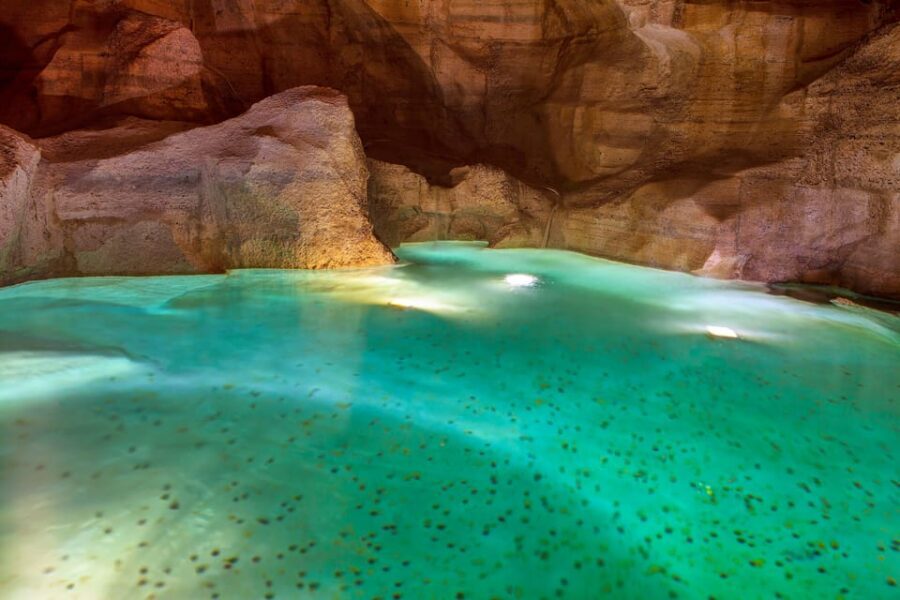
Your meeting point is Vicolo del Puttarello, 25. Plan to arrive at least 15 minutes before your selected time so you can settle in and avoid the usual Rome stress of crowd flow and street confusion.
This is one of those tours where “getting ready” is part of enjoying it. Wear comfortable shoes. The underground stop means you’ll be standing and walking around a historic site, and the tour notes say it’s not suitable for people with mobility impairments or wheelchair users. Even if you’re mobile, you’ll be happier if your shoes can handle uneven old-stone surfaces and the indoor/exterior transitions.
For your headspace: the vibe tends to be lively. Guide praise mentions humor and clear explanations, and some groups even get headset help so the guide doesn’t have to shout over the site. If you’re the type who likes to ask questions, this kind of setup is helpful—your guide can keep the pace while still addressing curiosity.
Practical tip for the Trevi area: it’s crowded most days, especially near the fountain. If you’re also trying to take photos during the same trip, keep your timing flexible. Your schedule is short and structured, so treat photos as a “bonus you plan around,” not something you squeeze in during the middle of the guided stops.
Vicus Caprarius Underground Tour (40 Minutes): Where Roman Water Meets Daily Life
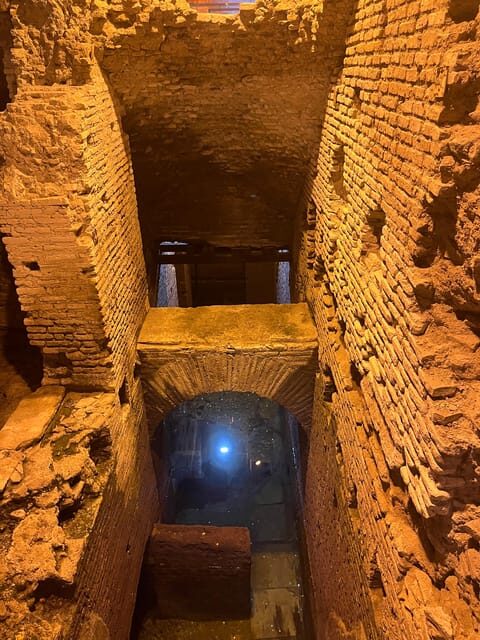
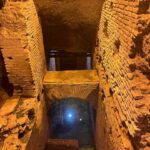
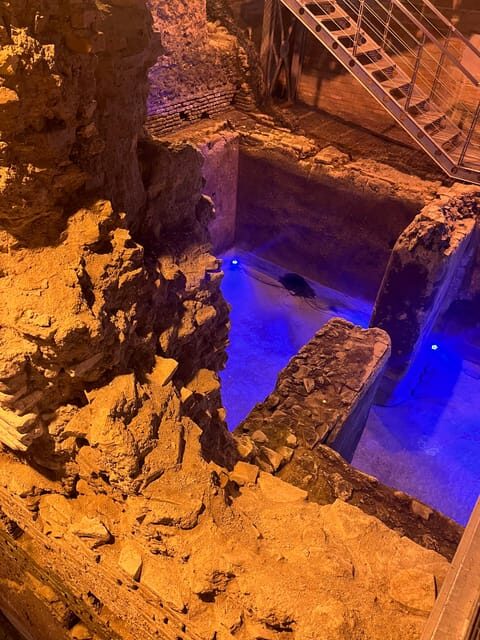
This is the core of the experience. About 40 minutes is spent at Vicus Caprarius, and that’s where the tour earns its keep.
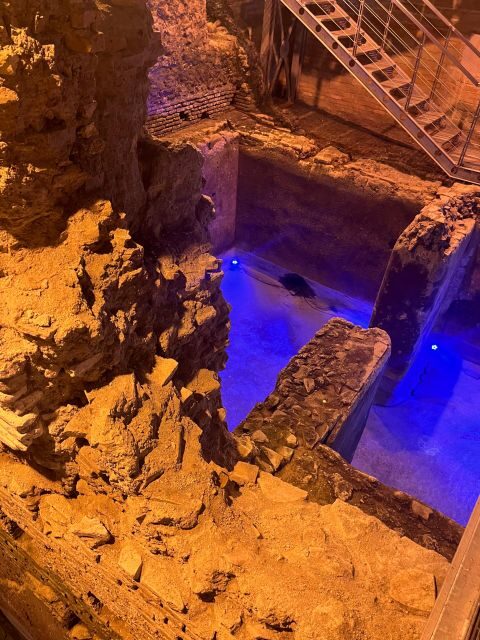
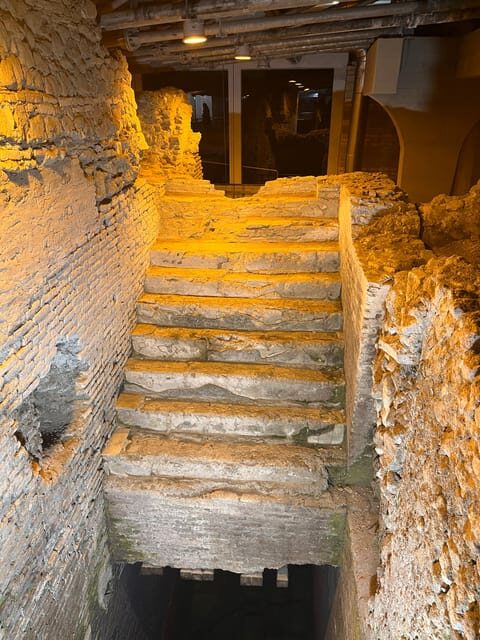
You’ll be shown reserved entry to the site, then guided through the archaeological area with the help of an archaeologist. The tour focuses on what was found and what it meant. Expect to see evidence tied to water infrastructure, and not in a generic way. The story centers on how the water feeding the Trevi Fountain area filters through ancient masonry, then continues to supply water for parts of the luxury Domus residence above.
The site is also described as having three sections of antiquarian areas. That matters because it makes the experience feel like a sequence, not one long hallway. You’re not just looking at one wall and hoping it adds up. You get guided transitions that help you understand what you’re seeing and why it matters.
Here are the standout types of finds the tour highlights:
- Coins (a trove of about 800) that helps bring the period into focus.
- Polychrome marble coverings, showing that beauty and comfort weren’t only for the surface monuments.
- A famous head of Alessandro Helios, which adds a face to the archaeology.
- Spath(e)ia amphorae—an African amphora used for transporting oil—which connects this Roman neighborhood to wider trade networks.
One detail I really appreciate about tours like this is that they don’t treat ruins like dead scenery. They explain the “why.” When you hear how water moved and where it ended up, the whole underground space becomes a kind of working map. You start seeing the logic of the masonry and the function of what survives.
Possible drawback here is simple: it’s a small site, so don’t expect a giant underground complex. The tradeoff is that you get close-up viewing and a guided story that helps you understand every square meter more clearly than you would on your own.
Trevi Fountain in 5 Minutes: A Short Stop Done Right
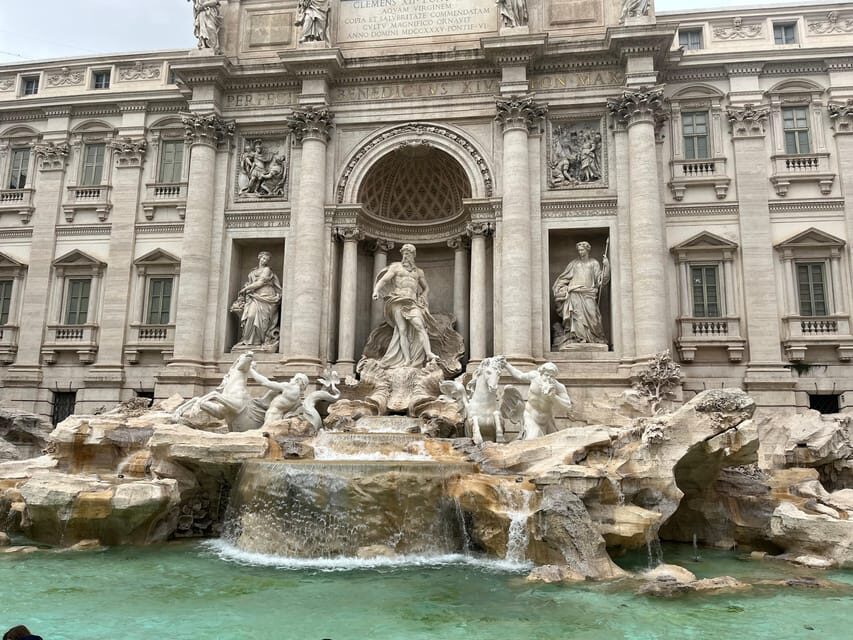
After the underground portion, you get a guided touchpoint at the Trevi Fountain itself—about 5 minutes. That’s not long enough to do what independent fountain photo hunters do for an hour. But for this tour, it works, because you’ve just learned what’s happening under the surface.
The Trevi stop is also where your guide ties the fountain’s look back to the water system concept you just absorbed underground. Even if you’re tempted to judge the fountain view, try to judge the explanation instead.
In practice, this stop can feel more like viewing from within the flow of the plaza rather than getting a close-up position at the basin. That’s fine if you go in expecting a quick guided highlight. The guide covers what you’re looking at from the outside—useful when you don’t know the fountain’s pieces and symbolism yet.
One thing worth doing: if your timing works, you’ll often get better photos at quieter moments outside your official stop time. During the tour, focus on learning what the fountain means in the water story. Then later—if you want—you can return for the shot you want.
Break Time at a Local Bar: Keep It Light
The itinerary includes a local bar break time. This is a sensible pause. The underground portion can be cool and a bit concentrated, and then you’re back to open-air crowds at Trevi.
Keep your break simple. Grab water. Reset your phone and charger situation. If you’re traveling with kids, this is also a good moment to refocus attention before the end.
Also, think about timing. You’re on a guided schedule for a short total duration. If you wander off for a long lunch break, you’ll be gambling with the group rhythm. Treat the bar stop as a quick reset, not a detour.






Gelato Finish: Included Sweetness Near Trevi
The last part is the payoff: Italian gelato included with the tour. The tour notes say you’ll taste ice cream at one of Rome’s famous historic ice cream shops at the Trevi Fountain area.
A practical detail that can change the feel of the ending: some vouchers work like a coupon rather than a guided walk-in purchase. In other words, you may receive a voucher during the tour and then choose your gelato at the shop afterward. That’s actually a nice perk because it lets you pace yourself. You also get to decide if the “included” portion is enough or if you want to add more.
Guides get praised for making this feel like a thoughtful ending, not an abrupt handoff. People also mention that the gelato was genuinely good—not just a token reward.
If you’re pairing this with other Trevi-adjacent plans, remember you’ll still be in a busy part of the city. After gelato, it’s a good moment to head toward quieter streets for a calm walk rather than staying in the thickest crowd zone.
Value for $52: Why This Feels Fair
At $52 per person for about 1 hour, the value comes from what you’re buying: guided access plus a structured explanation to a site you probably wouldn’t understand quickly on your own.
You’re getting:
- Reserved entry to Vicus Caprarius
- A guided tour with live English support
- Access tied to the Trevi fountain component
- Italian gelato at the end
If you’ve done Rome before, you know the difference between “seeing ruins” and “understanding ruins.” This is built for understanding. The price isn’t just for entry. It’s for translating the site into a story you can hold in your head: water supply lines, excavation finds, and how Domus spaces connect to the water flow idea.
The duration matters too. One hour is long enough for real context, but short enough that you won’t feel like you traded your whole day for one ticket. It’s also a smart choice during hotter weather. Underground sites can feel like a tiny weather escape compared to open sun.
One check before you book: the information provided has a small internal inconsistency about skip-the-line entry. One part lists it as not included, while another part lists it as included. Keep an eye on your final confirmation details so you know exactly what you’re getting for entry flow.
Who Should Book This Trevi Underground and Gelato Tour
This works best if you’re the kind of Rome visitor who likes:
- Roman engineering and water systems
- Archaeology with specific finds you can name (coins, amphorae, marble)
- Short, guided activities that fit into a crowded itinerary
It’s also a good pick if you want a change of pace. The underground setting gives you a break from the surface chaos, and the fountain stop ties it back to the Rome you came for.
It’s not a good fit if you need wheelchair access or mobility-friendly routes. The tour data clearly says it’s not suitable for people with mobility impairments or wheelchair users.
Should You Book It? My Take
If your goal is to understand Trevi beyond the postcard, I think this is a strong booking. The underground portion is the reason to go, and it’s where you’ll pick up the concrete details—like the water filtering path and the Domus connection—that make the fountain feel less random and more intentional.
If you only care about seeing Trevi up close, you might feel a little impatient because the fountain time is brief and likely not “stand next to it” close. In that case, treat this as a water-and-archaeology tour with gelato, not a long fountain visit.
Overall, I’d book it when you want value that’s more than a ticket: guided context, a real sense of how Rome worked, and a sweet finish you’ll actually enjoy.
FAQ
How long is the Trevi Fountain District Underground Tour and Ice Cream?
The tour lasts about 1 hour.
Where does the tour meet?
Meet at Vicolo del Puttarello, 25.
What’s included in the price?
You get assistance, a Vicus Caprarius reserved entry ticket, a Vicus Caprarius guided tour, Trevi Fountain access, and Italian gelato.
Is the tour guided in English?
Yes, the tour includes a live tour guide in English.
Do I need to buy tickets in advance?
Yes. The tour includes reserved entry tickets for Vicus Caprarius, and you’ll choose a starting time.
Is skip-the-line entry included?
The details provided show a conflict: one section lists skip-the-line entry, while another lists it as not included. Check your final confirmation or voucher wording.
Is the tour suitable for wheelchair users or mobility impairments?
No. The tour notes it is not suitable for people with mobility impairments and wheelchair users.
What should I bring?
Wear comfortable shoes.
What’s the cancellation policy?
The tour offers free cancellation up to 24 hours in advance for a full refund.
Is gelato included, or do I pay extra at the shop?
Gelato is included as Italian gelato with the tour, though the shop experience may work via a voucher depending on the ticket format.