REVIEW · COLOSSEUM TOURS
Private Tour of the Colosseum Forums Palatine Hill & Ancient Rome
Book on Viator →Operated by Guided Tours of Florence and Tuscany · Bookable on Viator
Three hours can change how you see Rome. This private tour strings together the Colosseum, Roman Forum, and Palatine Hill at a relaxed pace. I love that you get a dedicated guide and use graphic reconstructions and visual tools to picture what you’re looking at, not just read about it.
One catch: entry rules are strict about names, so the passport or ID you bring must match what you booked. Double-check full names for everyone in your group before you go, because mismatches can cause denied entry.
In This Review
- Key reasons this private Colosseum–Forum–Palatine tour works
- A private route through the Colosseum and Roman Forum
- Meeting at Via dei Fori Imperiali and planning your morning or afternoon
- Entering the Colosseum: Flavian Amphitheater details that click fast
- Roman Forum stops: Senate House, temples, basilicas, and a Caesar altar
- Palatine Hill to Capitoline finish: Michelangelo’s square and Marcus Aurelius
- Guide style, pacing, and language you should plan for
- Price and value: what $346.12 buys you in real time
- Who this tour is best for (and who might want another option)
- Should you book this private Colosseum–Forum–Palatine tour?
- FAQ
- How long is the private tour?
- What stops are included?
- Are admission tickets included?
- Do I get to choose a morning or afternoon time?
- Where does the tour start?
- Is this a private tour?
- What identification do I need for entry?
- What is the cancellation policy?
- Is there a physical fitness requirement?
Key reasons this private Colosseum–Forum–Palatine tour works
- Private pace with a dedicated guide so you can ask questions as you walk
- Admission included for the stops, keeping the visit simple and predictable
- Graphic reconstructions and photos help you see the sites as they likely looked before
- Forum highlights you can actually place (Senate House, Temple of Vesta, Caesar’s altar, and more)
- Palatine-to-Capitoline finish with Michelangelo’s square and the Marcus Aurelius statue
- Mobile tickets and a start point near public transport to make the morning smoother
A private route through the Colosseum and Roman Forum
Rome’s ancient center can feel like a stone puzzle: you know it matters, but the pieces are scattered. This tour helps you put the pieces together in a logical flow, moving from the biggest stage of Roman entertainment to the civic heart of the empire. It’s private, so you’re not stuck following the same script as a large group.
The best part is the pacing. Three hours is long enough to understand what you’re seeing, but not so long that you’re walking on fumes. With a dedicated guide, you can spend a few extra minutes where your curiosity pulls you—gladiator lore at the arena, or everyday politics and religion in the Forum.
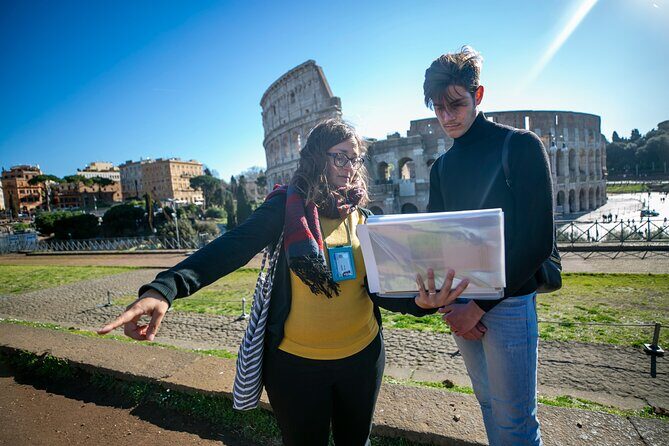
You’ll also get help turning ruins into a story. The guide uses visual tools and graphic reconstructions, which matters a lot at the Colosseum and Forum, where today’s stone looks very different from what was once standing.
You can also read our reviews of more private tours in Rome


Meeting at Via dei Fori Imperiali and planning your morning or afternoon
You start at Via dei Fori Imperiali, Roma RM. That location is practical: it puts you in the ancient-zone orbit quickly, without making you fight city traffic for ages just to reach the first stop.
You can choose a morning or afternoon time, which is a real advantage in Rome. If your trip has one flexible half-day, this tour lets you match it to your energy level and your other plans. Late in the day, the light can make stone look more dramatic; mornings can feel calmer for first views.
You’ll also use a mobile ticket. That’s one less thing to manage in a city where getting inside efficiently can make or break your day.
One more value point: the tour is private. That means the schedule and rhythm stay focused on your group, not on constantly absorbing a crowd’s pace.
Entering the Colosseum: Flavian Amphitheater details that click fast
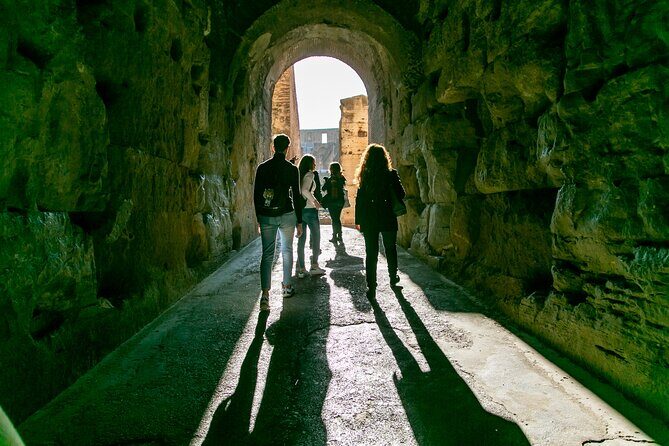
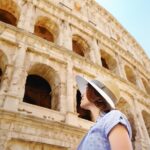
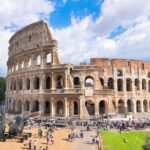
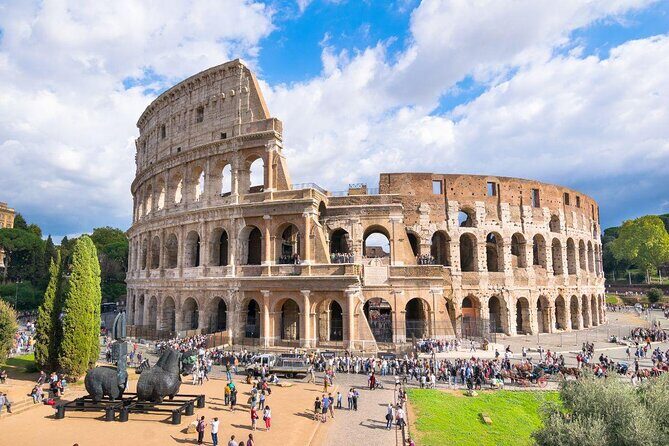
The Colosseum stop takes about an hour, and you begin at the entrance. This is the Flavian Amphitheater, the original name tied to the Flavian dynasty. It’s not a small fact—knowing the original name helps the place feel like an empire project, not just a famous ruin.
You’ll hear about the scale right away: the amphitheater had 80 entrances and could hold more than 50,000 spectators. That’s the key to understanding why it mattered so much. When you grasp the crowd size, you start to understand why Roman leaders cared about spectacle as a form of public power.
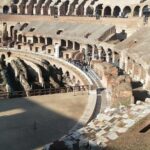
Here’s what makes the guided approach especially useful: it turns your view from random arches into an organized arena. A good moment in this tour is when the guide uses images or graphic reconstructions to suggest what sections likely looked like back then. That “before” perspective is how you stop feeling lost and start tracking the shape of the building.
Potential drawback to keep in mind: the tour is timed, and the Colosseum is big. If you’re the type who could stand in one spot for an hour and sketch, you may want to plan extra independent time after the tour. The private format helps, but you still only have about an hour at the arena.
Roman Forum stops: Senate House, temples, basilicas, and a Caesar altar
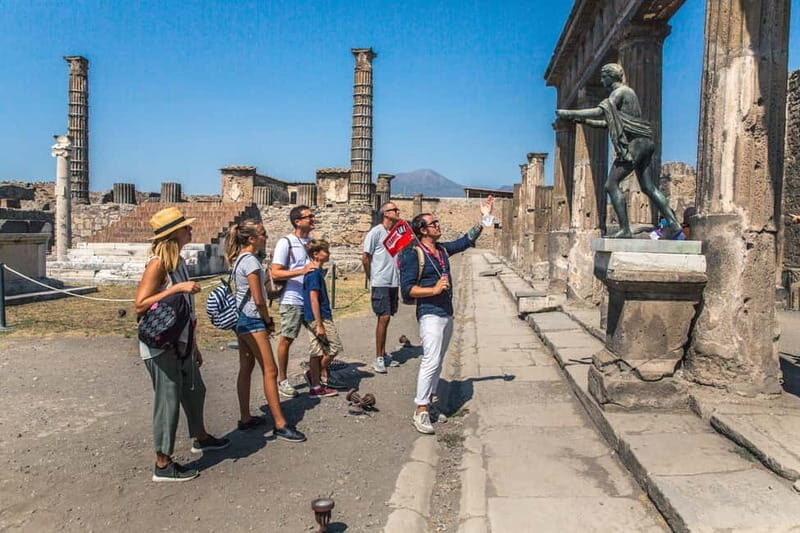
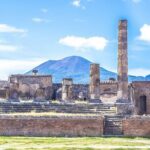
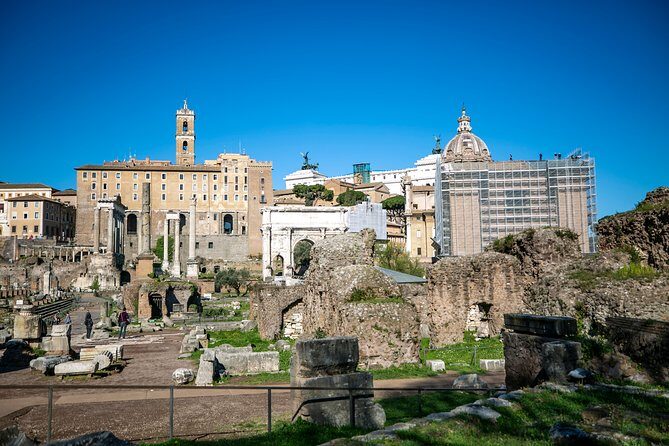
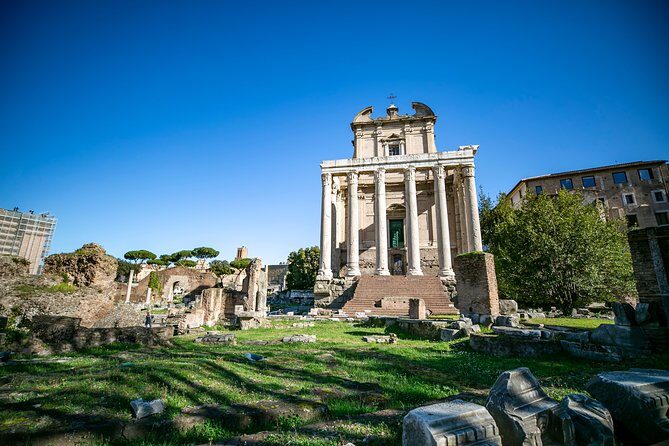
After the Colosseum, you move into the Forum area with your guide for about another hour. This is where Roman daily life comes into focus: government, religion, ceremonies, and public drama all folded into the same central space.
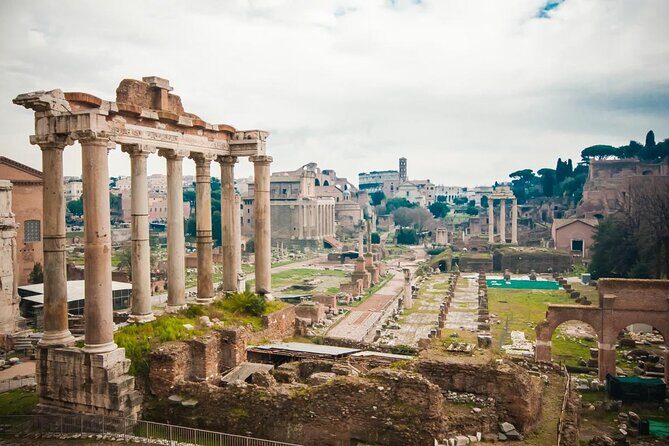
You’ll visit several major landmarks in a sequence that makes them easier to remember. Expect stops tied to the civic engine of Rome, including:
- The Senate House
- The Temple of Vesta
- The Temple of Saturn
- The Altar of the Divine Julius Caesar
- The Temple of Gemini
- Basilica Emilia
- The Arch of Septimius Severus
…and more.
The value here is not just a checklist of names. When you’re standing in the Forum, the ruins can look like disconnected fragments. A guide helps you place each landmark into the bigger picture: what people did there, why it mattered, and how different structures fit together in public life.
Also, you’re getting an interpretation of the space, not just a lecture. With visual tools and reconstructions, you can imagine the Forum as more than an open-air museum. It’s easier to picture crowds moving through, speeches happening, worship taking place, and the political theater that Roman emperors relied on.
One practical point: this portion includes meaningful walking on uneven ground. It’s not a steep climb-heavy tour, but you should plan for a steady, moderate effort. Comfortable shoes are not optional.
Palatine Hill to Capitoline finish: Michelangelo’s square and Marcus Aurelius
Your third stop brings you to Palatine Hill and then toward Capitol Hill, where major temples of Roman gods were once located. The walk-and-view style changes here. The Colosseum is compactly intense; the Palatine and Capitoline areas help you see Rome’s ancient layout from a higher, more scenic perspective.
You’ll end at the Capitol Hill area, where you can see two specific modern points of reference: the square designed by Michelangelo and the Statue of Marcus Aurelius. Those landmarks act like anchors for your memory. After hours of looking at layers of time, it helps to have something you can clearly relate to a known point.
This last stretch is also where your guide’s visual tools really pay off. Palatine Hill can feel like a collection of hills and foundation lines unless someone connects it to Roman imagination—what stood where, how people would have moved, and why the Palatine mattered as a center of power.
The tour ends back at the meeting point, keeping the logistics simple. That matters in Rome, where wandering to the wrong street after an active morning can cost more time than you expect.






Guide style, pacing, and language you should plan for
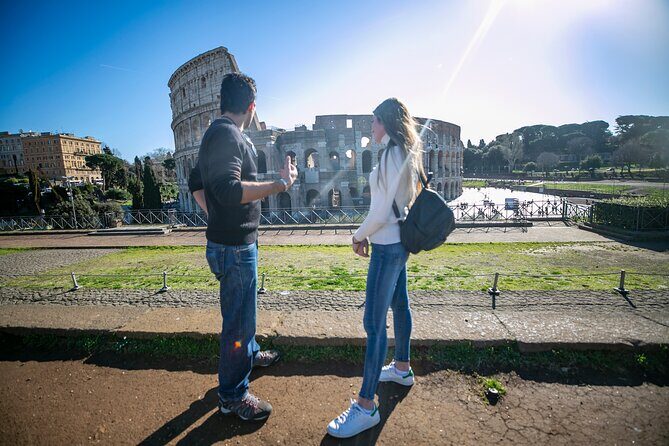
A private guide can make or break this kind of tour. The strongest moments here are when your guide explains what you’re seeing and shares visuals that help you picture the past. One example from this tour’s guides is Thomas, who’s been described as friendly and helpful and who used photos to show what each site might have looked like back then.
That said, language clarity can matter. I’ve heard stories from tours like this where an English-speaking guide was harder to follow because of how they spoke. If you’re picky about comprehension—especially if you want the historical context and not just a quick overview—do yourself a favor and confirm language expectations when you book.
Pacing is another hidden variable. If ticket issues affect the guide’s timing, small delays can happen. The good news: there’s enough structure built in that the tour can make up time toward the end, rather than leaving you stranded. Still, it’s smart to keep your next plan flexible on tour days.
Price and value: what $346.12 buys you in real time
At $346.12 per person for about three hours, this tour isn’t a bargain. But it can be good value depending on how you like to travel.
You’re paying for a private format and a dedicated guide across three major sites in one connected visit. You also have admission ticket costs handled for the stops on the schedule, which is a big deal because it reduces the number of things you must figure out on your own in Rome.
You should also factor in the “time saved” element. Rome’s ancient sites are famous—and famous usually means busy. Even without claiming any line-skipping specifics, a focused plan helps you avoid spending your precious morning figuring out what to see first, where to go next, and how to make sense of it once you arrive.
Two more value notes:
- Group discounts can make this easier if you’re traveling with friends or family.
- It’s booked about 61 days in advance on average, which suggests it sells well. If your dates are firm, earlier booking gives you more options for morning or afternoon.
If you’re traveling solo and want a private experience, the price can sting. If you’re a small group that wants a guide-led interpretation across multiple key sites, it starts to look much more reasonable.
Who this tour is best for (and who might want another option)
You’ll love this tour if you want structure without rushing. It fits well if you like asking questions, if you care about understanding how sites connect, or if you want the Forum and Palatine Hill to feel more meaningful than just a photo stop.
It’s also ideal if you don’t want to plan a day of ancient Rome from scratch. The guide’s order and context matter a lot, especially when you’re dealing with names like Basilica Emilia, the Altar of Divine Julius Caesar, and the Arch of Septimius Severus in one stretch.
On the other hand, if you already know ancient Roman history deeply and you prefer independent roaming, you might not need a private guide. You could spend more time per ruin on your own and customize even further. But most people benefit from the guide’s visual reconstructions and the way they translate ruins into something you can follow.
Finally, it’s described as requiring moderate physical fitness. That’s enough to rule it out for some folks, but it’s still manageable for many visitors who are comfortable walking and standing on uneven historic ground.
Should you book this private Colosseum–Forum–Palatine tour?
If you want three of Rome’s top ancient areas in one guided, well-connected half-day, this is a strong choice. The format is built for understanding, not just checking boxes, and the guide’s use of photos and graphic reconstructions makes the biggest difference at the Colosseum and Forum.
Book it if you:
- Want a private guide and a relaxed pace
- Prefer context and visuals over wandering
- Will appreciate stopping at major Forum landmarks in a meaningful order
I’d pause before booking if you:
- Are very sensitive to strict entry rules and you might have name mismatches on your IDs
- Have extremely limited mobility and need a very minimal-walking plan
- Want to spend much longer than three hours at the Colosseum alone
FAQ
How long is the private tour?
The tour runs for about 3 hours.
What stops are included?
You visit the Colosseum, the Roman Forum (ancient Rome), and Palatine Hill, ending back at the meeting point near the Capitol Hill area.
Are admission tickets included?
Yes. Admission tickets are included for the Colosseum, the Roman Forum/ancient Rome portion, and the Palatine Hill portion as listed in the tour schedule.
Do I get to choose a morning or afternoon time?
Yes, you can choose either a morning or afternoon tour time.
Where does the tour start?
The tour starts at Via dei Fori Imperiali, Roma RM, Italy.
Is this a private tour?
Yes. It is private, and only your group participates.
What identification do I need for entry?
You’ll need a valid passport or ID document, and the document must match the name provided at booking. If the voucher with full names does not match, entry may be denied.
What is the cancellation policy?
This experience is non-refundable and cannot be changed for any reason. If you cancel, the amount paid will not be refunded.
Is there a physical fitness requirement?
The tour is described as suitable for travelers with moderate physical fitness.