Rome rewards curiosity.
This off-the-main-route experience strings together secret-feeling stops tied to Roman Holiday vibes, from the view at Janiculum to artistic backstreets like Via Margutta and the surreal Quartiere Coppedè. I like that it comes with an exclusive written guide from Rachele Zinzocchi, so you’re not just walking—you’re reading the city as you go.
Two things I really like.
First, the Janiculum Hill start gives you instant orientation with that rooftop-and-bell-tower view. Second, the plan ends in the calmer art-and-garden mood of Villa Borghese, with coffee breaks along the way at places such as Sant’Eustachio and Caffè Greco.
One thing to consider before you book.
This is mostly a self-guided walk with the printed guide, not a traditional guided tour with a person at every stop; one unhappy experience noted that expectation mismatch and called it more brochure than guided service, with the guide-only approach feeling overpriced. If you want an on-the-ground host to explain everything live, this may frustrate you.
In This Review
- Key highlights worth your attention
- A secret-leaning Rome walk that’s mostly self-guided
- Meeting point at Rachele’s Charming House: don’t arrive late
- Janiculum Hill (and how to make that first view pay off)
- Villa Doria Pamphilj: Rome’s large green pause
- Jewish Ghetto time: respect, pauses, and street-level context
- Sant’Eustachio and the Roman espresso ritual
- Largo di Torre Argentina and San Clemente’s stacked layers
- Via Margutta: art street energy (without the tourist noise)
- Quartiere Coppedè: when architecture behaves like a dream
- Villa Borghese finish: art + nature for the last reset
- Price and value: good deal, or guidebook-only disappointment?
- Who should book this, and who should skip it
- Should you book this off-the-usual-routes Rome walk?
- FAQ
- How long is the Rome hidden-route experience?
- Is there a live guide walking with you?
- Where do I meet for the tour?
- How do I end the experience?
- Are tickets included for Basilica di San Clemente al Laterano?
- What café stops are included?
- What’s included besides the written guide?
- What languages are available?
- Is it wheelchair accessible, and can I cancel?
Key highlights worth your attention
- Janiculum Hill first: big panorama right at the start, ideal for photos and orientation.
- A printed 15-page guide by Rachele Zinzocchi: stop-by-stop trivia and local quirks.
- Coffee stops in classic Roman cafés: including Sant’Eustachio and Caffè Greco.
- Layered history at San Clemente: you’ll see why this church is famous for its stacked levels (tickets not required for the described visit).
- Quartiere Coppedè’s architectural weirdness: a neighborhood that feels like a film set.
- Villa Borghese finale: art-and-nature pacing after more streets and churches.
A secret-leaning Rome walk that’s mostly self-guided
If you’re tired of the same Roman checkpoints, this route tries a different angle: it takes you through quieter streets and story-heavy corners without focusing only on the “big hit” landmarks. The structure is simple. You meet, you start walking, and you use a stop-by-stop guide to make sense of what you’re seeing.
The biggest practical thing to know is that the “tour” format is designed to be done on foot on your own. The guidebook you receive is the real companion here. That can be great if you like wandering at your own pace and reading as you go. It can feel disappointing if you expected a guide to be with you at each stop, chatting and cueing you like a typical tour.
What you get for your money is a focused route of about 3 hours plus a few included extras that fit the theme—coffee time, and a glass of prosecco during the stop that’s listed as a cocktail moment.
You can also read our reviews of more tours and experiences in Rome.



Meeting point at Rachele’s Charming House: don’t arrive late
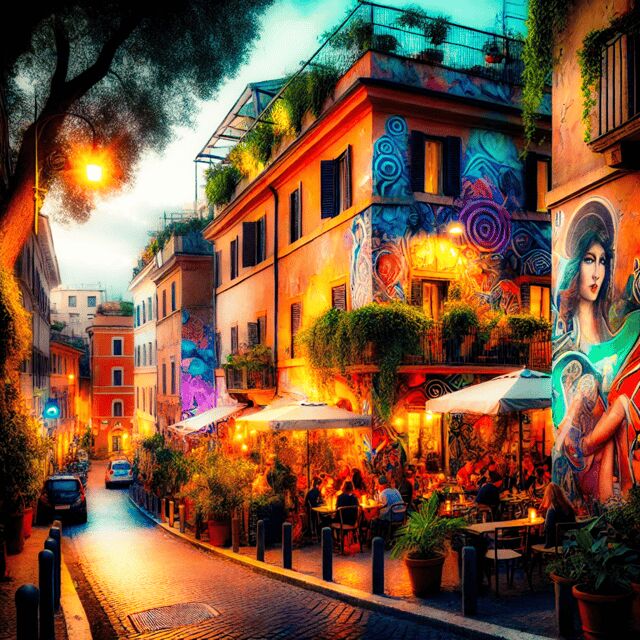
Your start is Bed & Breakfast Rachele’s Charming House in the Heart of Rome. The address is Via Antonio Toscani, 78. The instructions are specific: you need to intercom to Zinzocchi, then turn right, stairway B, fourth floor.
That detail matters because this is not a “late arrivals will be caught up by the guide” setup. If you miss the starting window, you’ll be starting without that pre-route moment. Since the experience is designed for independent walking, your best move is to show up early, find the exact doorway, and then start with a calm head.
Language support is listed as Italian and English, and the host/greeter is named on the provider side as Rachele Zinzocchi. The activity is also listed as wheelchair accessible, which is helpful to know if your mobility needs extra planning.
Janiculum Hill (and how to make that first view pay off)
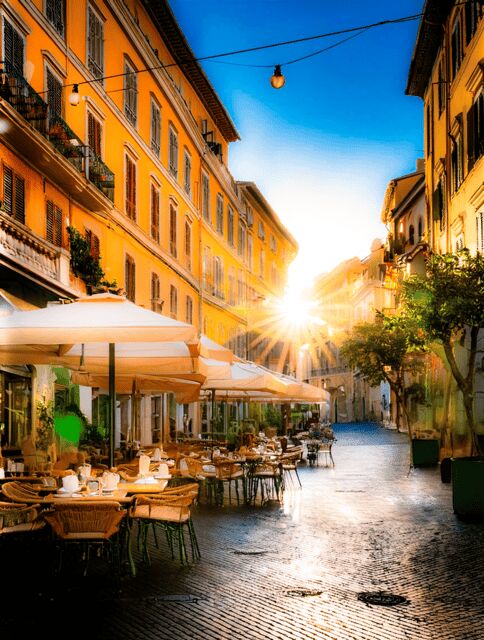
The itinerary starts with a short cocktail stop (30 minutes), then you head to Janiculum Hill for a self-guided visit (20 minutes).
Janiculum is a smart first choice. It gives you a “big picture” moment early, which makes the rest of the walk feel more connected. From up there, you can see why Rome spreads the way it does—rooftops, church domes, and the city’s layered feel. Even if you’ve seen Rome from other viewpoints, this one is a clean way to get your bearings fast.
Practical tip: if you care about photos, prioritize the best light and stand where you can capture the view without blocking others. This stop is short by design, so don’t spend the full 20 minutes adjusting your camera strap.
Villa Doria Pamphilj: Rome’s large green pause
Next comes Villa Doria Pamphilj, also 20 minutes and self-guided. This is the route’s break from stone-on-stone intensity. The point here isn’t “another postcard view.” It’s a change of pace—walking through one of Rome’s biggest parks with a quieter rhythm.
You’ll likely feel the difference right away: more space between you and other people, and a slower tempo that makes the later city parts feel less rushed. If your Rome trip has been heavy on churches and museums, this is the moment that helps your legs and brain recover.
One consideration: because it’s a park walk, you’ll want comfortable shoes. Even if the tour is only a few hours total, park paths can still be uneven.
Jewish Ghetto time: respect, pauses, and street-level context
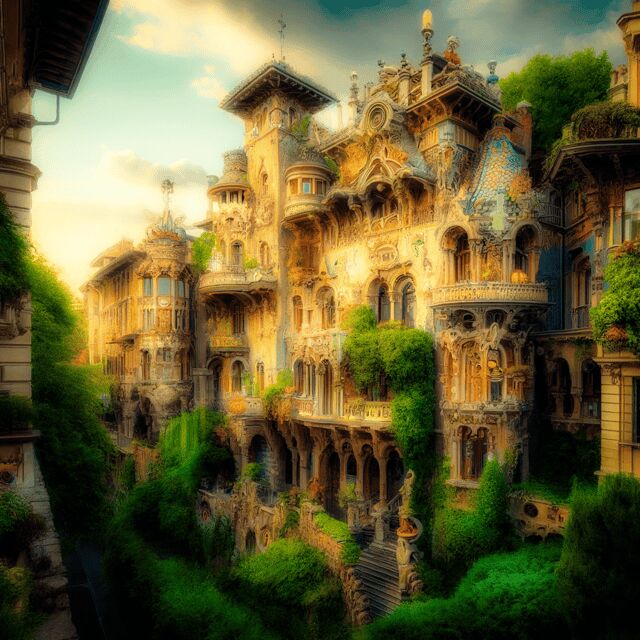
The itinerary lists the Jewish Ghetto, Rome more than once—30 minutes and then another 20 minutes.
That split is actually useful. It gives you time not just to “pass through,” but to slow down enough to notice street structure, corners, and the way neighborhood life shapes what you see. You’re not given a museum-style script here. Instead, the guidebook helps connect details to the bigger story.
A practical note: areas like this deserve a calmer tone. If you’re planning to eat or drink, do it lightly and keep your voice down while walking past memorial areas or places of worship.




Sant’Eustachio and the Roman espresso ritual
After the ghetto stretch, you stop at Sant’Eustachio for self-guided time (30 minutes).
This is one of the tour’s best-value “small moments.” You’re not just getting caffeine. You’re getting the Roman habit of slowing down for an espresso and letting the city wake up around you. Sant’Eustachio is specifically highlighted for an espresso taste that’s described as unmistakable, and that’s exactly the kind of stop that makes a self-guided route feel special.
If you don’t want to linger, you can still use the 30 minutes wisely: order, taste, and then step out to read the guide notes nearby. If you do want to linger, treat it like a short rest break rather than a long café hangout.
Largo di Torre Argentina and San Clemente’s stacked layers
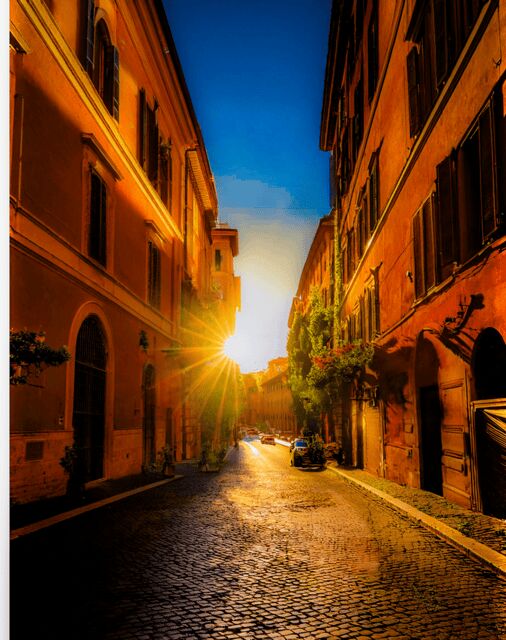
Then it’s back to the city’s older bones.
You’ll spend 20 minutes at Largo di Torre Argentina, where you can admire ancient temple remains and connect this spot to the fact that Rome has had history here for thousands of years.
After that comes Basilica di San Clemente al Laterano for 20 minutes. Even though the plan lists that tickets aren’t included and it says entrance fees aren’t necessary, San Clemente is known for its layered church story—what you see above connects to what’s beneath. The value of this stop isn’t only the architecture; it’s the “Rome is stacked” lesson you get by seeing how one era sits on top of another.
Practical tip: this is a great stop to use your guidebook actively. Spend a few minutes reading the trivia before you look around, so your time turns into understanding instead of just sightseeing.
Via Margutta: art street energy (without the tourist noise)
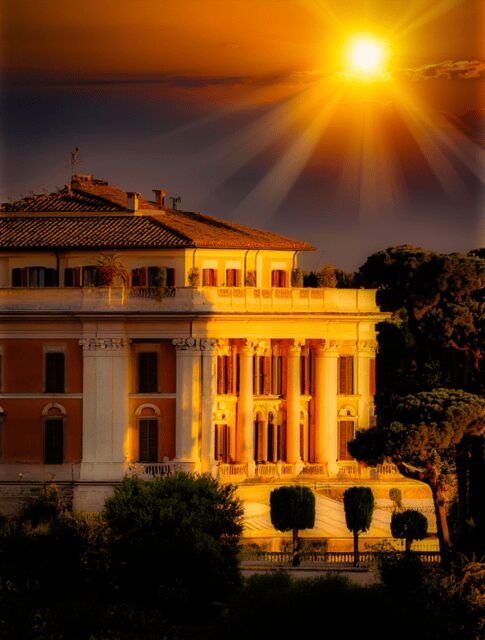
Next up is Via Margutta, 20 minutes.
This street is described as an artists’ lane and a romantic corner that looks like something from a movie. It’s been beloved by filmmakers and painters—exactly the kind of place where small details matter: building fronts, doorways, and the way the street funnels your attention.
Because the stop is short, treat it like a photo-and-notes interlude. Walk slowly, read the guide cues, then move on. If you wander too long, you’ll rush later parts of the route.
Quartiere Coppedè: when architecture behaves like a dream
Coppedè enters at Quartiere Coppedè, 20 minutes in the itinerary.
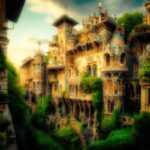
This neighborhood is the architectural wildcard of the route. It’s highlighted for a unique mix of styles that can feel surreal—more “why does this look like that?” than “here’s another church facade.” For people who love visual oddities, this stop is a payoff moment.
A practical approach: use your 20 minutes to spot patterns. Look for repeated shapes, contrasts in style, and the reasons the place feels theatrical. That way your brain doesn’t just store it as a blurry “cool area.” It stores it as a coherent experience.
Villa Borghese finish: art + nature for the last reset
The itinerary includes Villa Borghese for 20 minutes, and it’s positioned as the finale: an art-and-nature garden where you can relax after the street stops.
This ending choice makes sense. After history, churches, cafés, and architectural surprises, Villa Borghese gives you room to breathe. You’re also more likely to remember the overall route as a balanced walk—less like “checklist tourism,” more like a day stitched together from moods.
If you’re tempted to extend your stay, do it. Villa Borghese is the kind of place where even a short stop can turn into a longer wander once you’re there.
Price and value: good deal, or guidebook-only disappointment?
The listed price is $45.55 per person, for a 3-hour Rome walk that includes a written guide and a few included extras (including a glass of prosecco and café stops named in the plan).
Here’s the value math I’d use: you’re paying for (1) the itinerary design that links viewpoints and neighborhoods, (2) the written guide with exclusive 15-page trivia/quicks facts for each stop, and (3) a few built-in experiences like classic coffee stops.
But it’s also easy to see why some people might feel ripped off. One unhappy experience called out a mismatch between the word tour and the reality of independent walking without a live guide, and complained that the guide format felt like printed material rather than a guided experience. They said the printed-page value felt excessive for what they received.
So, the practical takeaway is simple: go in knowing this is a self-guided route built around the guidebook. If you want constant narration and a person leading the way, you may be unhappy.
Who should book this, and who should skip it
This experience is a good match if you like:
- walking your own pace through Rome’s lesser-seen corners
- using a guidebook actively (not just reading it later)
- grabbing an espresso and treating it as part of the day, not an afterthought
- being flexible with short stops (most are around 20 minutes)
It’s a weaker match if you:
- expect a traditional guided tour with a person accompanying you at each stop
- don’t like reading while you walk
- feel uncomfortable navigating a start point that requires a specific intercom/stairway instruction
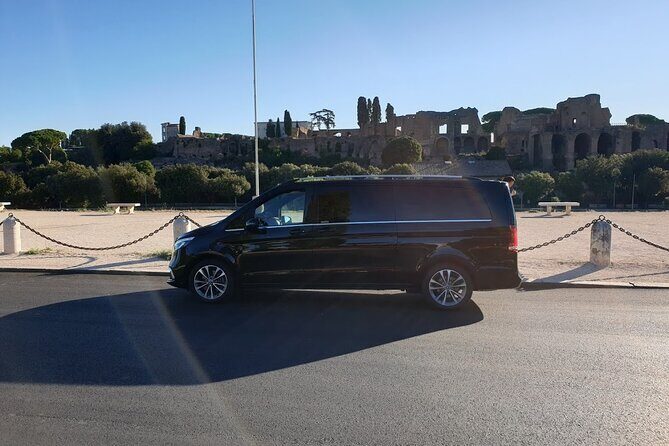
One more note that can change everything: the experience description says the tour is designed for independent walking, but on request you can book a driver in advance by contacting Rachele Zinzocchi; the cost is agreed separately. If you want that extra layer of help, ask for it before you go.
Should you book this off-the-usual-routes Rome walk?
If you’re the type of traveler who loves to figure out a city by walking it, I’d consider booking. The route makes sense: Janiculum to get your bearings, Villa Doria Pamphilj to reset, Jewish Ghetto context, then San Clemente and Largo di Torre Argentina for the layered history feel, finished with Via Margutta, Coppedè, and Villa Borghese.
But if you want a live guide experience, this is the wrong bet. This is about the written companion and the walking plan. Read that expectation into your decision, and you’ll either enjoy it for what it is—or avoid frustration before it happens.
FAQ
How long is the Rome hidden-route experience?
It’s listed as 3 hours total. Starting times vary, so you’ll want to check availability for your date.
Is there a live guide walking with you?
The tour is designed to be done on foot independently without a guide. On request, you can book a driver in advance by contacting Rachele Zinzocchi (cost agreed separately).
Where do I meet for the tour?
You meet at Bed & Breakfast Rachele’s Charming House in the Heart of Rome, Via Antonio Toscani, 78. You must intercom to Zinzocchi, then turn right, stairway B, fourth floor.
How do I end the experience?
The activity ends back at the same meeting point.
Are tickets included for Basilica di San Clemente al Laterano?
Entrance fees for the Basilica are listed as not included and it says tickets aren’t necessary for the plan.
What café stops are included?
The included stops list Caffè della Pace, Sant’Eustachio, and Caffè Greco. Consumptions at the cafés are not included.
What’s included besides the written guide?
In addition to the 15-page written guide, you get a glass of prosecco from Rachele’s Charming House, plus visits/strolls and stops at the named locations.
What languages are available?
The host/greeter is listed as Italian and English.
Is it wheelchair accessible, and can I cancel?
It’s listed as wheelchair accessible. You can cancel up to 24 hours in advance for a full refund, and there’s also a reserve now & pay later option.