REVIEW · POMPEI CAMPANIA
Pompeii and Herculaneum: Guided Tour with an Archaeologist
Book on GetYourGuide →Operated by Benedetto Tourist Guide · Bookable on GetYourGuide
Pompeii feels real, fast. This Pompeii and Herculaneum day is built around an archaeologist-led walkthrough of the places where daily Roman life shows up in details you’d miss on your own. I especially like the small group size (up to 10), which makes it easier to ask questions and move without getting swallowed by crowds, and I love that you get both cities in one outing because they tell a different story side by side.
One thing to consider: it’s not ideal for mobility issues, and the day involves a good chunk of walking on uneven ground.
This tour gets even better with your guide. Benedetto (the archaeologist running the show) has the rare combo of serious scholarship and practical, funny storytelling, so Pompeii’s big sights and Herculaneum’s preserved interiors actually connect in your head. The only real “watch-outs” are timing and heat: it’s a full 5-hour plan with a train segment, so bring a hat and water and pace yourself.
In This Review
- Key highlights to focus on
- A small-group archaeologist day: Pompeii plus Herculaneum in one plan
- Pompeii walking route: from Porta Marina Inferiore to the Forum
- Lunch break timing: a reset before Herculaneum
- The Herculaneum shift: better preservation and more intimate rooms
- The guide factor: why Benedetto’s style matters here
- Price and value: what you’re paying for (and what you’re not)
- What to bring and what to know before you go
- Should you book this Pompeii and Herculaneum guided day?
- FAQ
- Where does the tour start and end?
- How long is the tour?
- Is this tour private or small group?
- Are entry tickets included?
- Do I need headsets?
- What language is the tour offered in?
- What does the tour include for meals?
- How do you get from Pompeii to Herculaneum?
- What should I bring?
- Is the tour suitable for wheelchair users?
Key highlights to focus on
- Up to 10 people: calmer, question-friendly pacing than the big group churn
- Archaeologist-led explanations: not just facts, but context for how Romans lived
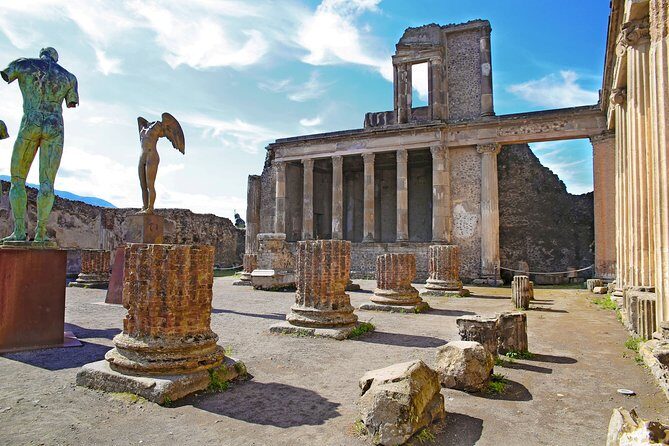
- Pompeii’s key stops: Porta Marina Inferiore, baths, Lupanare, and the Forum area with plaster casts
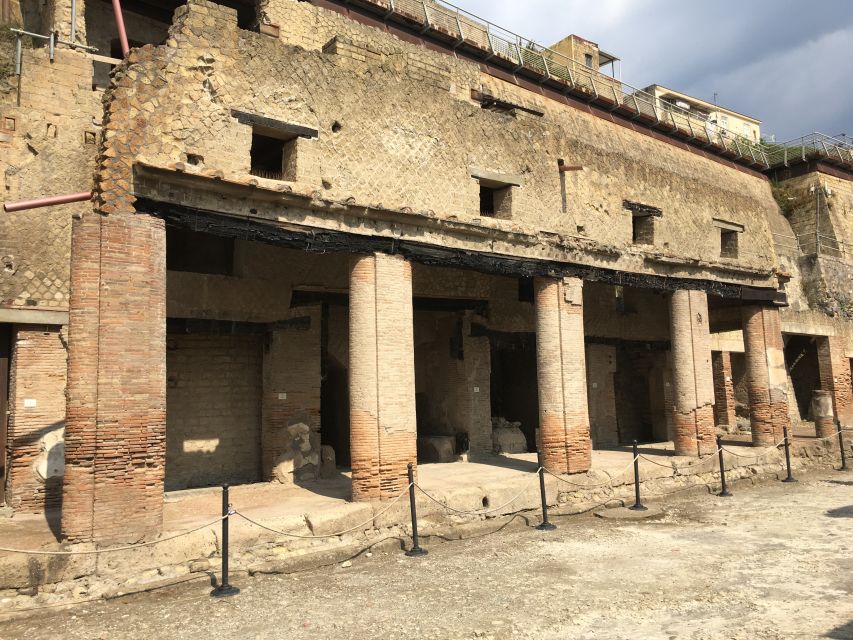
- Herculaneum’s preservation: well-preserved wood and homes with mosaics, frescoes, marbles, and jewelry
- Headsets for groups over 8: so you don’t miss the guide’s key points while walking
- Skip-the-line entry: less time waiting, more time looking
A small-group archaeologist day: Pompeii plus Herculaneum in one plan
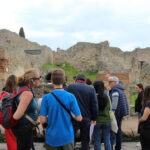
This is the kind of day trip that makes sense if you’re visiting Campania for a short window and you want more than a checklist of ruins. You start at Ristorante Suisse (your guide meets you there with a sign showing your name), then you go into Pompeii with an archaeologist guiding the order of what you see. The tour is designed for a group of up to 10, so it doesn’t feel like a human wave.
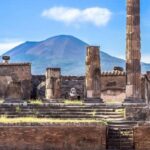
What I like most is that the day has a natural logic. Pompeii first gives you the bigger picture: a Roman city abruptly buried by Vesuvius in AD 79. Then the plan shifts to Herculaneum, where the burial conditions preserved interiors in a way Pompeii just doesn’t. Seeing both in one day helps you understand the scale of what happened and why some things survived with such detail.
You also get a practical win: entry tickets are included, and there’s skip-the-line. That doesn’t just save time—it saves your focus. When you’re not stuck in a ticket line, you can start absorbing the place immediately.
You can also read our reviews of more tours and experiences in Pompei Campania.

Pompeii walking route: from Porta Marina Inferiore to the Forum
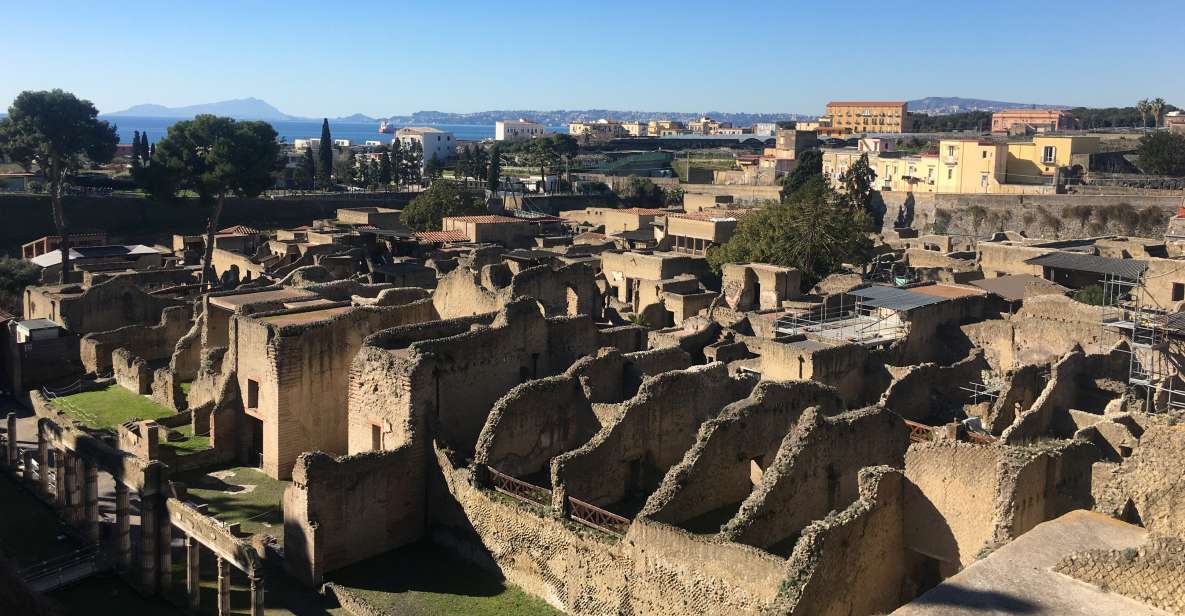
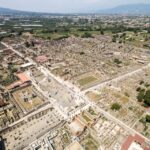
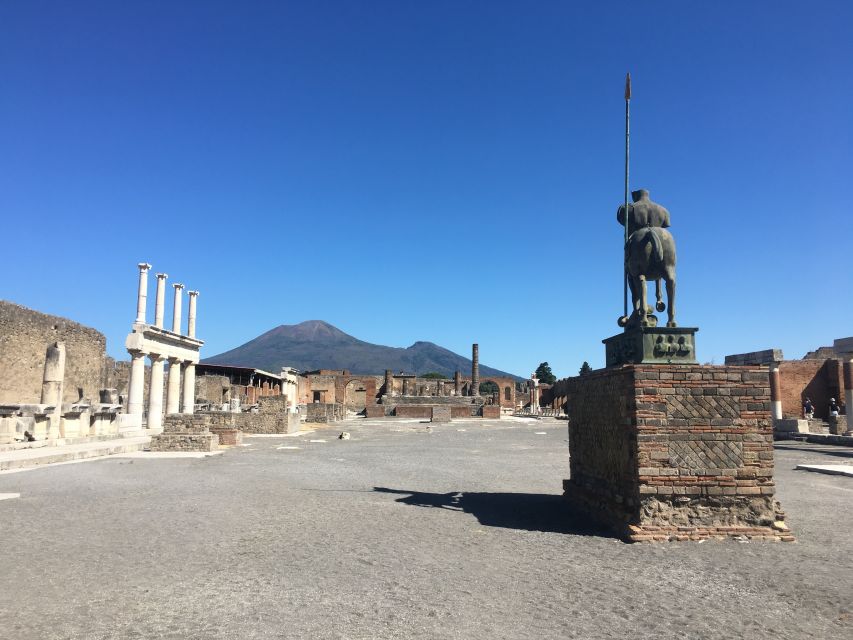
Pompeii is huge, and most first-timers struggle with the same problem: where do you look first? This tour solves that by following a route that starts at Porta Marina Inferiore, then moves through major zones you can actually connect to everyday life.
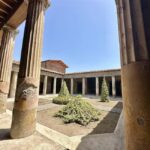
After you begin near Porta Marina Inferiore, you go past the theatre area, where the city’s public culture comes into view. Then it’s on to ancient houses with decorations that feel startlingly personal. Expect to see the kinds of art and material choices that signaled wealth, taste, and status in Roman homes—things like mosaics and frescoes, plus marble elements where available.
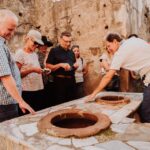
As you keep walking, the route also pulls you through more street-level Pompeii. You go past shopfronts and the kinds of places that would have fed residents: old Roman bakeries and what the tour description calls ancient snack bars. That matters, because Pompeii is not only temples and marble columns. It’s also commerce and routine.
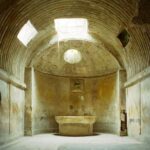
Two stops you don’t want to gloss over are the public baths and the Lupanare. The baths help you understand Roman social life and hygiene habits, not just architecture. The Lupanare is a more uncomfortable topic, but it’s also part of the full picture of how the city worked—and the guide’s explanations are what keep it from turning into awkward tourism.
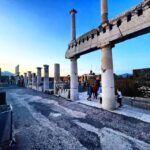
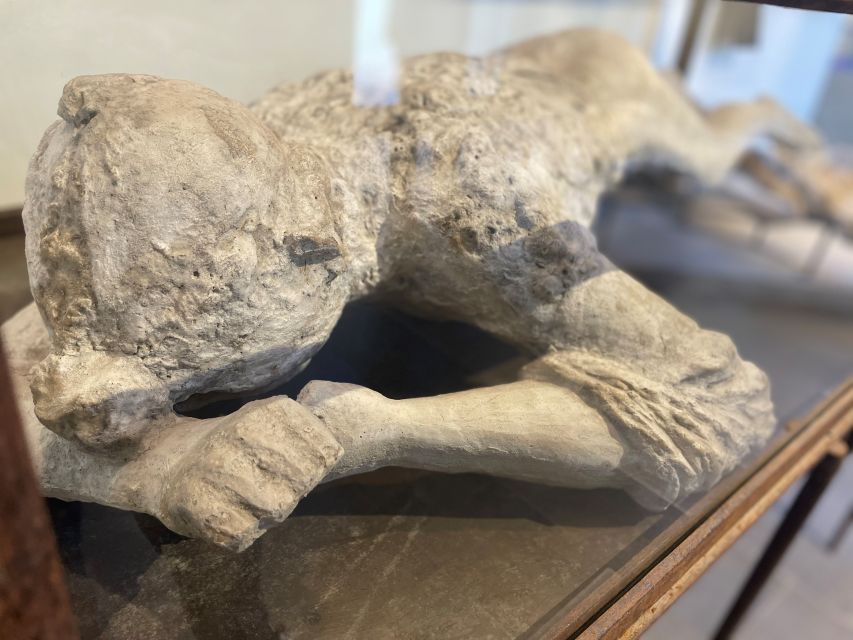
Then you finish Pompeii’s key sequence at the Forum area with public buildings and the famous plaster casts of victims. This is one of those moments where the archaeologist framing changes everything. You’re not just looking at human remains; you’re learning what the site shows about the eruption’s impact on real people.
Lunch break timing: a reset before Herculaneum
After about two hours in Pompeii, you get a lunch break with free time. Lunch isn’t included, but you do get a full hour. That’s useful because Pompeii can drain you quickly: walking, sun, and the constant visual stimulus can hit faster than you expect.
Then you transfer to Herculaneum by train. The schedule gives you about a 30-minute slot for the train segment, while the tour overview also notes the ride is about 20 minutes. Either way, plan for a short buffer so you don’t feel rushed.
Here’s a simple tip that’s worth repeating if you hate wasting time: pick a lunch plan that keeps you near the meeting rhythm of the tour. Some visitors find the Ristorante Suisse right outside the Pompeii entrance convenient for breakfast and lunch, and it’s specifically mentioned as good for an easy meal before you head into the ruins.
If it’s warm, treat the lunch hour like a hydration checkpoint. The guide will handle the archaeological flow, but you’re still the one walking in the heat.
The Herculaneum shift: better preservation and more intimate rooms
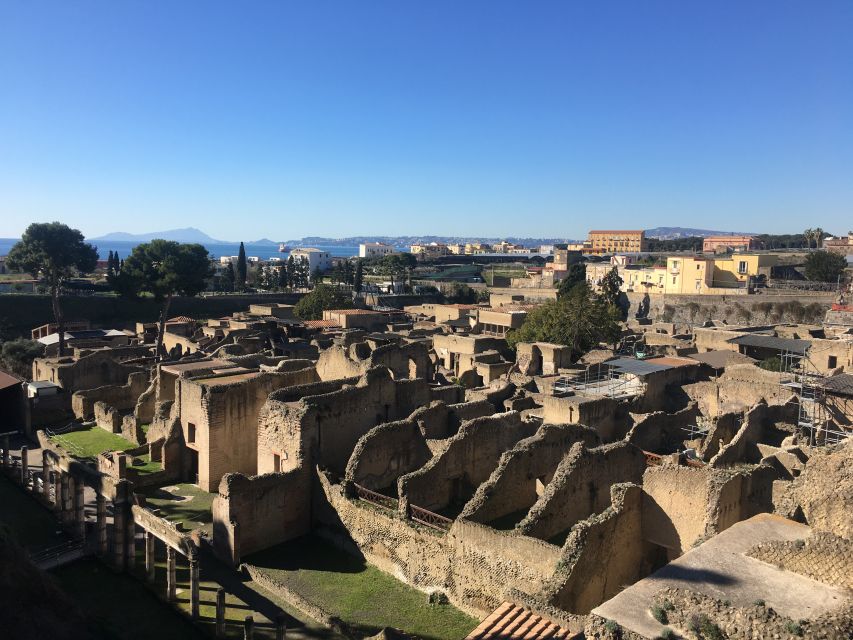
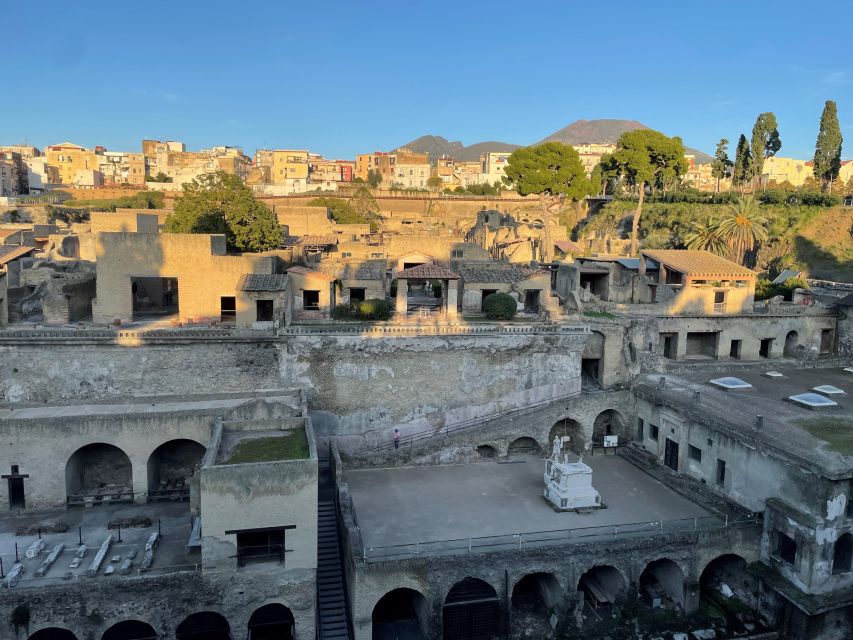
Herculaneum is often the surprise star on this kind of itinerary, and this one makes it easy to appreciate. You get about 1.5 hours there with a guided visit, and the key difference is the site’s conservation. Herculaneum is described as a smaller jewel because so much is preserved in ways that make it feel like you can almost reconstruct the rooms.
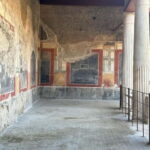
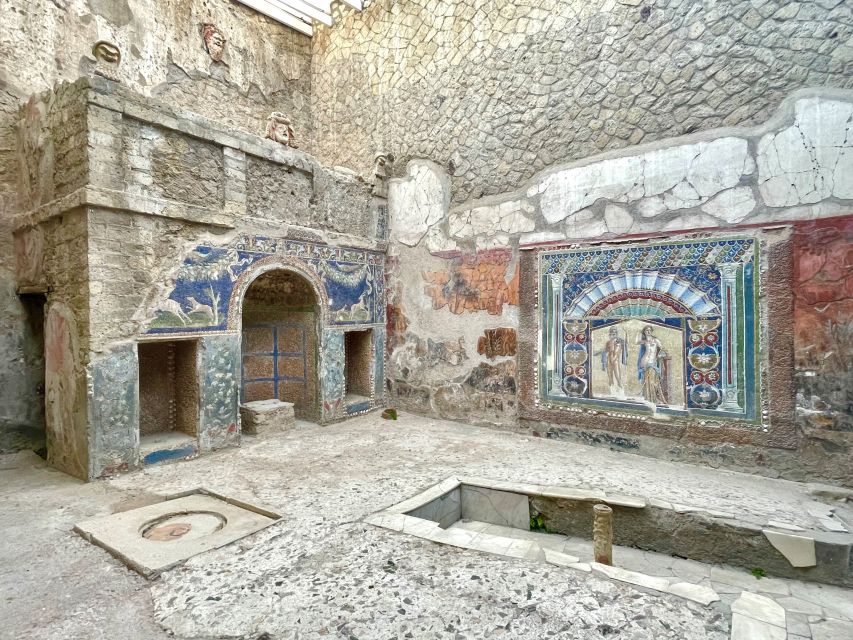
In practice, that means you spend more time looking at interiors and household details rather than only grand public spaces. Expect to see splendid residences with unique decorations: frescoes, marbles, mosaics, and even jewelry details where the preservation allows it. The tour also calls out skeletons and, exceptionally, well-preserved wood, which is one of those details that helps your brain understand what you’re seeing without forcing you to imagine everything from scratch.
Herculaneum is also generally less crowded than Pompeii, so it tends to feel calmer. That’s not just a comfort issue. Less crowd pressure helps you slow down and notice the small stuff—doorways, wall surfaces, and the way rooms are laid out.
If Pompeii feels like the big, dramatic story, Herculaneum feels like the close-up. Together, they give you a fuller sense of Roman life before and after the eruption.
The guide factor: why Benedetto’s style matters here
The guide is not an add-on for this tour; it’s the main ingredient. You’ll be with Benedetto, an archaeologist who’s passionate about the sites and known for mixing humor with clear explanations. Across the experience, the same themes show up: he explains the context so the ruins stop being isolated monuments, and he helps you find the best parts without turning the day into a stressed sprint.
One big practical advantage from a guide like this is crowd navigation. The Pompeii area is busy, and even when you’re skipping ticket lines, you still have to manage congestion once you’re inside. With a small group and an archaeologist who knows the flow, you spend more time looking and less time waiting for space to open up.
Another advantage is pacing and interaction. A group of about ten makes it easier for a guide to answer questions in real time rather than speaking to the crowd like a megaphone. If you’re traveling with kids, this format can also help a lot, because the guide can keep explanations moving and understandable.
And yes, the humor matters. A day like this can turn heavy, especially at the Forum with the plaster casts. A good guide uses lightness at the right times, so you stay alert and present.


Price and value: what you’re paying for (and what you’re not)
The price is listed as $141.61 per person for a 5-hour guided experience. That might sound steep until you break down what’s included versus what you’d likely pay separately if you planned DIY.
Included items:
- Archaeologist guide
- Entry tickets for both sites
- Headsets for groups larger than 8
- Free time for lunch
- Skip-the-line entry
Not included:
- Transportation
- Food and drink
When you compare that, you’re paying for two things you can’t easily replicate on your own: expert interpretation and time-saving entry. Pompeii and Herculaneum are both complex, and the difference between seeing them with a guide versus without one can be massive—because context changes how your eyes behave.
Value also comes from the format: small group size. Larger tours may look like better deals on paper, but you often end up listening in the back and moving only when the group moves. Here, you’re more likely to get the parts that make the sites memorable: frescoes, mosaics, baths, the Lupanare, and those preserved household details in Herculaneum.
What to bring and what to know before you go
Plan for walking. Bring comfortable shoes, a hat, and water. This isn’t a sit-and-stare museum day; it’s a real ground-level experience across two archaeological zones.
Bring your passport or ID card in original form. There’s also a Pompeii-specific rule to keep in mind: the ticket is named. After booking, you’ll need to provide the list of first and last names of all participants, which matters for entry.
If you’re sensitive to heat, time your pace. The day works best when you treat it like a guided hike through history—stop when your body asks for it, drink water, and let the guide’s explanation pull you back into focus.
One more practical note: the tour isn’t suitable for people with mobility impairments and isn’t set up for wheelchair users. If that describes you, you’ll want to look for a different format.
Should you book this Pompeii and Herculaneum guided day?
Book it if you:
- want an expert archaeologist interpretation rather than self-guided wandering
- like small-group touring and want your questions answered
- want to see both Pompeii and Herculaneum in one day and understand why they differ
- care about details like frescoes, mosaics, baths, and the more intimate preservation at Herculaneum
Skip it if you:
- have limited mobility or need wheelchair accessibility
- don’t handle walking well in heat
- prefer a purely flexible, unguided schedule with no fixed route
If you want the best mix of meaning and logistics, this is a strong choice. It’s structured, guided, and built to help you actually read Pompeii and Herculaneum instead of just looking at them.
FAQ
Where does the tour start and end?
It starts at Ristorante Suisse, where the guide meets you with a sign showing your name. The activity ends back at the same meeting point.
How long is the tour?
The total duration is 5 hours.
Is this tour private or small group?
It offers private or small groups, with a small group size up to 10 people.
Are entry tickets included?
Yes. Entry tickets are included, and the tour also offers skip-the-ticket-line access.
Do I need headsets?
Headsets are included for groups larger than 8.
What language is the tour offered in?
The live guide is available in English, Italian, and French.
What does the tour include for meals?
Food and drink are not included, but there is free time for lunch during the tour.
How do you get from Pompeii to Herculaneum?
You take the train as part of the scheduled day. Transportation is not included, so you should plan for the transport segment accordingly.
What should I bring?
Bring your passport or ID card, comfortable shoes, a hat, and water.
Is the tour suitable for wheelchair users?
No. It is not suitable for people with mobility impairments and is not suitable for wheelchair users.