REVIEW · COOKING CLASSES
Pizza, Pasta and Tiramisù Cooking Class with Chef in Rome
Book on Viator →Operated by Ticketinrome.com · Bookable on Viator
Cooking pizza in Rome beats takeout.
This Rome cooking class is built around learning Italian food the hands-on way—pizza, pasta, and (with an upgrade) tiramisù—guided by a chef from Rome’s top restaurants. It’s the kind of experience that turns “I love Italian food” into actual technique you can repeat at home. I also like that you pick lunch or dinner, so it fits your day without forcing you to rearrange everything.
Two things I especially like: first, the small group size (max 10), which usually means more attention when you hit a problem (dough too sticky, sauce too thick, you know the story). Second, you leave with more than recipes—you get the methods and practical tips for making these dishes from fresh ingredients, then you eat what you cooked.
One consideration: the exact menu and pacing can vary. Based on real feedback, there have been moments where the class content didn’t match the expectation (like fewer pasta types than advertised), and one participant had issues when the meeting location changed closer to the day. So it’s smart to double-check details before you head out.
In This Review
- Key things to know before you go
- Meeting Point on Via in Arcione: Easy to find, easy to miss
- Chef-led Italian cooking: why the teaching style matters
- Pasta class mechanics: what you’re really practicing
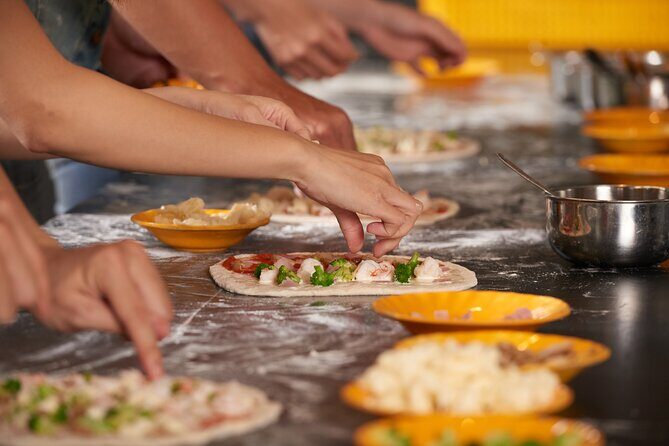
- Pizza making in Rome: the hands-on part that feels magical
- Tiramù upgrade: a classic finish you can recreate
- The meal afterward: you actually get to taste your work
- Small-group format: why max 10 is a big deal
- Price and value: what you’re paying for at $123.11
- Practical tips to avoid the common headaches
- Who this class is best for (and who should skip it)
- Should you book this Rome pizza, pasta, and tiramisù class?
- FAQ
- Where does the class start?
- How long is the cooking class?
- Is lunch or dinner included?
- What can I cook besides pasta?
- How many people are in the group?
- Can the class accommodate special diets?
- Do I get a mobile ticket?
- How far in advance is it commonly booked?
- What is the cancellation policy?
Key things to know before you go
- Small-group teaching (max 10) means less waiting around and more direct help from the chef.
- Lunch or dinner sessions help you plan around your sightseeing rhythm.
- Pasta-making is flexible with options, and tiramisù can be added with an upgrade.
- You eat the meal you make, so you’re not just “watching and hoping.”
- Diet requests must be sent at least 4 days before if you need gluten free or lactose free.
- Meeting location may be updated, so stay alert to messages on the day or the prior day.
Meeting Point on Via in Arcione: Easy to find, easy to miss
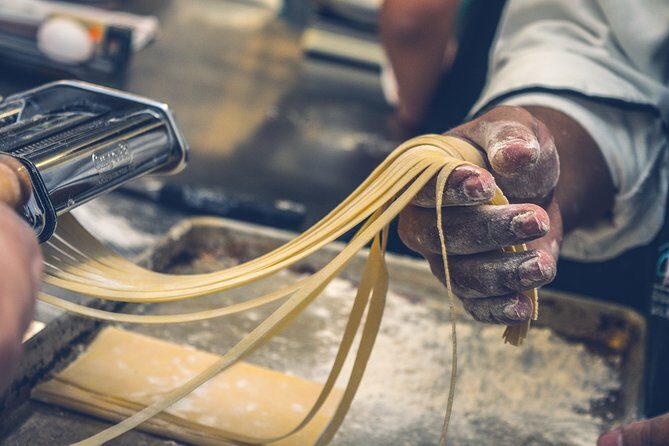
Most of your success here comes down to one thing: being on time at Via in Arcione, 98, 00187 Roma RM. The start location is central, and it’s near public transportation, which is great in a city where taxis and buses can do their own slow dance.
This class lasts about 2 hours 30 minutes, and the flow is built around cooking time. That means arriving late can cut into the most important part: the hands-on instruction and the time you need to finish your dishes before meal time. One review flagged a situation where a participant wasn’t aware of a location change until close to the day, and communication broke down. I can’t promise that will happen to you—but it’s enough of a signal that you should confirm the exact address the day before and keep an eye on updates.
Practical tip: plan to arrive a few minutes early, then take a deep breath. Rome is loud, busy, and confusing in the best way, but punctuality still matters when you’re working with dough and timers.
You can also read our reviews of more cooking classes in Rome
Chef-led Italian cooking: why the teaching style matters
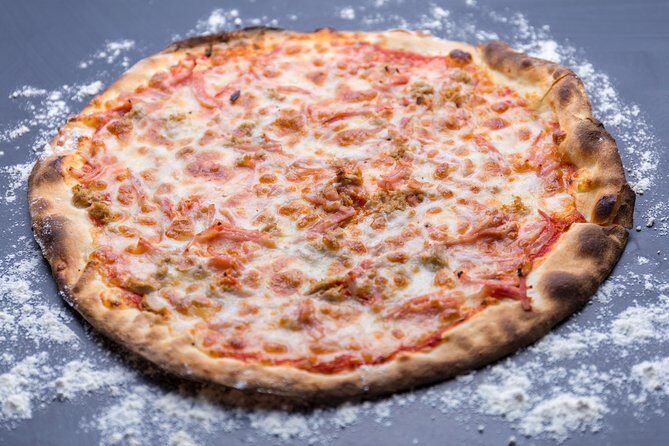
You’re not picking up a cookbook skill. You’re learning from a chef who’s worked in Rome’s top restaurants, and the goal is to help you produce real food, not just pretty photos.
A good chef-led class does two things well:
1) They show you the method, slowly enough that you can actually follow.
2) They watch your technique and correct it fast, before you lock in a mistake.
That’s especially important for the three categories the class focuses on: pizza, pasta, and tiramisù. Dough behaves differently depending on humidity and flour. Sauce thickens faster than you expect. And tiramisù isn’t hard, but you do need the right balance and timing.
From feedback, the chef’s personality comes through strongly—friendly, personable, and willing to teach. That makes a difference when you’re standing over a prep station trying to figure out why your dough won’t cooperate. You’ll likely feel more comfortable asking questions in a small group setting, and you’ll get more direct answers than you would in a huge class.
Pasta class mechanics: what you’re really practicing
Even when the course is branded as pizza and pasta, the pasta portion is where you build confidence. This isn’t just boiling. You’re learning the techniques and tips needed to make homemade pasta specialties from fresh ingredients.
Expect to work through core steps like shaping and handling dough, then turning that work into actual pasta. If you’re the type who enjoys cooking but feels unsure when a recipe gets technical, this is the point where the chef’s coaching can click for you.
One important heads-up: while the experience is described as a full pasta experience, there has been at least one mismatch reported—someone expected two pasta items and only made one. That suggests class format may shift depending on the partner and what’s available that day.
So here’s what I recommend:
- When you arrive, ask what pasta you’ll be making today and roughly how many items are included.
- If you have a strong goal—say you want both a stuffed pasta and a ribbon pasta—confirm early. It’s your time, and a quick question prevents disappointment.
Pizza making in Rome: the hands-on part that feels magical
Pizza in Rome is more than a slice. In this class, it’s about learning how to produce the foundation—dough, structure, and the basic rhythm that makes pizza good instead of just edible.
What makes pizza classes worth it (even if you’ve watched YouTube) is the feedback. When you’re stretching dough or shaping it, small differences matter. A chef can correct thickness, handling, and timing in a way a video can’t.
Also, pizza timing is real. If food is going into the oven while your pasta is still waiting, you’ll feel the difference. One review mentioned that the next group seemed to start eating their pizza before the pasta group finished. That doesn’t automatically mean your experience will run like that, but it does suggest there can be overlap in seating or pacing.
If you want this to be smooth, don’t aim for a rush schedule right after the class. Give yourself a little buffer before your next appointment. You’ll be happier, and your photos won’t turn into stress-cam.
Tiramù upgrade: a classic finish you can recreate
If you upgrade, the class adds tiramisù. Even if you think you already know tiramisù, a chef-led session is valuable because dessert is all about the small balances—texture, layering, and how long you let it set.
Tiramisu also pairs well with this kind of cooking class because it’s a true “finish line” dish. You get the satisfaction of savory cooking, then you switch to dessert mode and end with something that feels unmistakably Italian.
One more reason I like this upgrade: it gives you a wider skill set. You come away with guidance for both bread-and-butter Italian staples (like pasta and pizza) and a dessert that people often treat as intimidating. It isn’t, but you do need a system—and that’s what the chef teaches.
You can also read our reviews of more tours and experiences in Rome

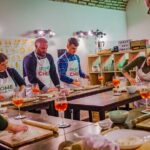
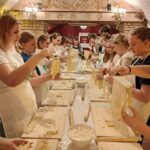
The meal afterward: you actually get to taste your work
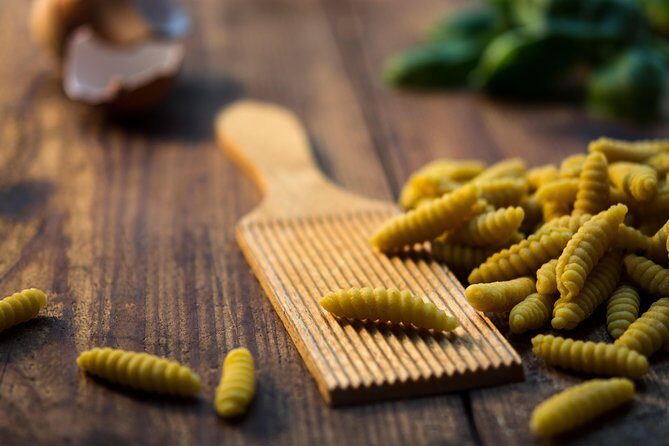
After the workshop you selected, you’ll sit down for a lunch or dinner that matches the session time you picked.
This is where the value shows. Cooking classes can become “work then watch.” Here, you cook, then you eat. That turns technique into taste memory. You’ll notice what the chef means when they say something should be balanced, tender, or properly thickened.
It also helps with group energy. When everyone eats what they made, people relax. Questions get less frantic. The conversation becomes more about flavor than logistics.
Small-group format: why max 10 is a big deal
A max group size of 10 travelers is one of the best parts of this experience. In a big class, you can feel like a spectator. In a small class, you’re more likely to get:
- faster feedback during dough and sauce work
- clearer guidance when you’re confused
- enough attention that your dish improves rather than plate-falls
This matters for families, too. The experience is described as suitable for all ages, and the small-group setting makes it easier for a chef to keep the room moving without chaos.
If you’re traveling with kids, this is a good choice as long as you’re okay with a hands-on activity that takes focus. Expect some mess and learning time.
Price and value: what you’re paying for at $123.11
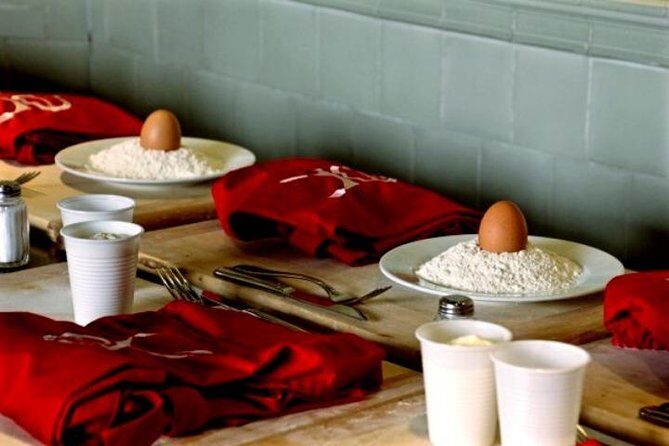
At $123.11 per person for a roughly 2.5-hour chef-led cooking experience, you’re paying for three things you can’t easily buy separately:
1) Professional instruction from a chef with restaurant background
2) All the key ingredients and supplies needed for pizza/pasta (and tiramisù if upgraded)
3) A meal included after cooking
Could you cook Italian food at home for less? Of course. But this isn’t meant to be the cheapest meal in Rome. It’s meant to be a skill-building experience where the chef helps you get it right.
Also, the fact that it’s often booked well in advance (around 153 days on average) is a good signal that people find the format worth it. Still, the value part comes down to expectations. If you’re clear on what’s included that day—especially around pasta types—then you’re much more likely to feel like the price matches the experience.
Practical tips to avoid the common headaches
Based on real issues that can pop up in cooking classes, here are the smart moves:
- Confirm the meeting address in advance and again the day before. One past participant ran into trouble when the location changed closer to the day.
- Don’t book your next appointment tightly. Cooking classes can run on a living clock, not an airport clock.
- If you have dietary needs, request them early. The experience asks you to indicate special diet needs (like gluten free or lactose free) at least 4 days before.
- Ask what you’ll make today once you arrive, especially if you want something specific.
And keep your expectations realistic. This is a cooking class with real food goals, not a silent museum tour. You’re there to work with ingredients. That’s the point.
Who this class is best for (and who should skip it)
This is a strong fit for:
- food lovers who want real technique, not just a meal
- families looking for an interactive activity that fits all ages
- couples who want something memorable that doesn’t feel like another photo stop
- anyone who wants to leave Rome with skills they can use at home
You might think twice if:
- you want everything to be ultra-fixed and identical every single time (the class format can vary)
- you hate being on your feet and cooking in real time
- you’re extremely schedule-tight and can’t handle small delays or pacing differences
Should you book this Rome pizza, pasta, and tiramisù class?
If you want a hands-on chef-led Italian cooking experience in Rome—pizza and pasta skills plus the option of tiramisù—this is absolutely worth considering. The small-group cap of 10 and the fact that you cook and eat make it feel more personal and more satisfying than many “tour meal” formats.
Just do two things before you go: confirm the day’s exact menu items (especially pasta expectations) and double-check the meeting address close to your session time. If you handle that, you’re set up for a genuinely fun, teachable, Rome-in-your-stomach kind of afternoon or evening.
FAQ
Where does the class start?
The meeting point is Via in Arcione, 98, 00187 Roma RM, Italy.
How long is the cooking class?
It runs for about 2 hours 30 minutes.
Is lunch or dinner included?
Yes. You choose a session time, and after the cooking workshop you’ll have lunch or dinner accordingly.
What can I cook besides pasta?
The experience centers on pizza, pasta, and tiramisù, with tiramisù available if you upgrade.
How many people are in the group?
The class has a maximum of 10 travelers, which helps with more attention from the chef/guide.
Can the class accommodate special diets?
Yes, but you need to indicate your needs (for example gluten free or lactose free) at least 4 days before the activity.
Do I get a mobile ticket?
Yes. The experience includes a mobile ticket.
How far in advance is it commonly booked?
On average, it’s booked about 153 days in advance.
What is the cancellation policy?
You can cancel for a full refund up to 24 hours before the experience starts. If you cancel less than 24 hours before, the amount paid is not refunded.