REVIEW · COOKING CLASSES
Much More Than Just a Cooking Class in Rome
Book on Viator →Operated by cook with mamma · Bookable on Viator
Rome cooking classes are everywhere. This one feels like you are being let into a real home, not funneled through a factory-like classroom. You pick a lunch or dinner slot, then spend about 3.5 hours making classic Roman dishes and hearing the culinary habits that shaped them.
I like the small-group size (max 12 people) because it keeps things lively and lets you actually cook, not just watch. I also like that the menu is straightforward and teachable: tiramisu, fresh pasta, and two different sauces you can recreate later.
One thing to consider: this experience is for adults and teens only in practice, since children under 12 are not allowed (they do say they offer a family class if you contact them).
In This Review
- Quick hits before you book
- A Home Kitchen in Rome Beats the Usual Cooking-Class Formula
- Choosing the 10 am vs 6 pm Slot (And What That Does to Your Day)
- Your Welcome in a Real Roman House: Wine, Bruschette, and Stories
- The Hands-On Cooking Plan: Tiramisu, Fresh Pasta, Two Sauces
- Making Cavatelli and Tagliatelle: Pasta Shapes That Teach You Technique
- Sauce Lessons You Can Actually Use Later
- Tiramisù: The Family’s Granny-Style Finish
- Wine With Your Meal (And the 18+ Rule)
- Vegetarian and Gluten-Free Options: What You Should Expect
- Price Value: What $108.02 Really Buys
- Logistics That Matter: Where to Meet and How It Ends
- Who This Class Is Best For (And Who Might Want Another Option)
- Should You Book Cook With Mamma in Rome?
- FAQ
- What time does the cooking class run?
- How long is the cooking class?
- Where is the meeting point?
- How big is the group?
- Is wine included?
- What dishes will I make?
- What pasta and sauces are included?
- Do they offer vegetarian or gluten-free options?
- Is there mobile ticketing?
- What are the cancellation rules?
Quick hits before you book
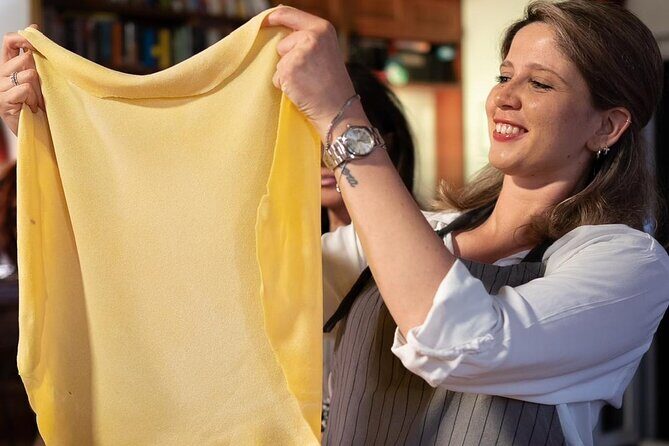
- Home-kitchen cooking: You meet at a Roman family home, with a local welcome and the right tools for the job.
- Lunch or dinner at set times: Offered around 10 am and 6 pm, so you can match it to your day.
- Make a full meal from scratch: Bruschette, two pasta types, two sauces, and tiramisu.
- Wine included for 18+: Alcoholic beverages are part of the experience if you are 18 or older.
- Small group energy: Limited to 12 people, which makes questions and hands-on cooking feel normal.
- Dietary options: Vegetarian and gluten-free options are available.
A Home Kitchen in Rome Beats the Usual Cooking-Class Formula
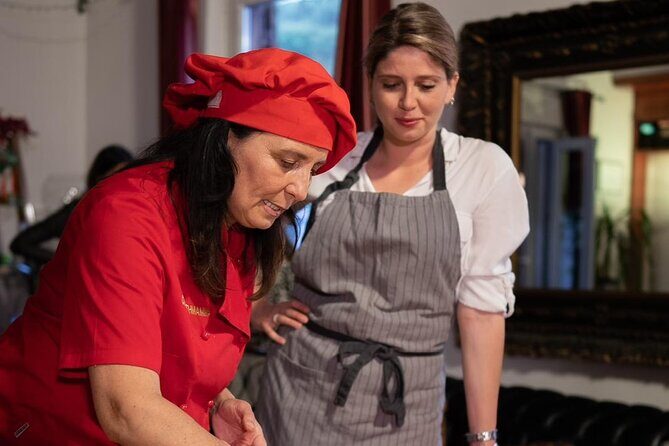
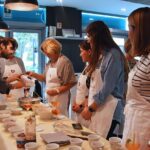
If you want the Rome part to feel real, location matters. This class happens in the Roman family home, starting at Piazzale Aurelio, 6 (00152 Roma RM). That shift changes the whole tone. In a private home, people move naturally, cooking tools feel less staged, and you pick up habits that match how Romans actually cook.
The best value here is the mix: you do real cooking, you eat what you made, and you get context for why the dishes are built the way they are. It is not just a list of recipes. The family frames the food alongside traditions, culinary customs, and the kind of practical knowledge that only gets passed down inside households.
You should also notice the pacing. The menu flows like a real meal: starter first, then pasta, then dessert. That means you are not jumping randomly between tasks. It helps you stay focused and makes the whole 3.5 hours feel coherent.
You can also read our reviews of more cooking classes in Rome

Choosing the 10 am vs 6 pm Slot (And What That Does to Your Day)
You have two start times to choose from: 10 am and 6 pm. Pick the one that fits your energy level and your other plans.
- If you go at 10 am, the class meal works like a lunch.
- If you go at 6 pm, the same format becomes dinner.
Why this matters: Rome days can be intense. A timed slot keeps you from spending the whole day guessing when to eat. Also, because you sit down to enjoy the food you prepared, you do not need to hunt for a separate meal afterward.
The experience ends back at the meeting point, so you do not have to plan a complicated finish in a different neighborhood. You just wrap up, head on to your next stop, and keep moving.
Your Welcome in a Real Roman House: Wine, Bruschette, and Stories
The class begins at the meeting point, then you go into the home where you are greeted with wine and an appetizer. This matters more than it sounds. A welcome like this sets the social tone early, and it gives you something to nibble while the family explains what you will be making.
The starter is bruschette. It is simple, but it is the kind of simple that tells you a lot about quality. When ingredients are good, bruschette does not need heavy tricks. It just needs care.
Then the family leans into stories. You get laughs, you hear about culinary methods and customs passed through generations, and the class feels like an evening (or midday) spent with people who genuinely cook at home, not a performance.
Practical note: you will be moving around during cooking, so wear comfortable clothes you can stand in.
The Hands-On Cooking Plan: Tiramisu, Fresh Pasta, Two Sauces
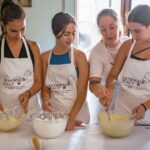
The class is designed as a full sequence. You start with tiramisu, then move into pasta from scratch using eggs and water, and finally prepare two different sauces. That structure is useful if you want to learn how Roman cooking is actually assembled, not just how to finish a dish.
Here is how the flow adds up:
- Dessert first (tiramisu)
You start on the dessert, likely so you can manage timing and technique without rushing later.
- Pasta from scratch
The class teaches you pasta-making with basic building blocks: eggs and water. You are not learning a “fancy” method just to say you did it. You are learning what pasta starts as.
- Two sauces
You finish by building sauces that match two pasta shapes, so the flavors make sense together at the table.
The drawback of this kind of schedule is stamina. A 3.5-hour cooking session is active. If you have mobility issues or you get tired standing, consider it carefully. Otherwise, the momentum is a big part of why this feels fun.
Making Cavatelli and Tagliatelle: Pasta Shapes That Teach You Technique
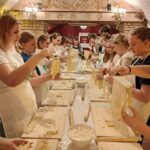
You will make two kinds of pasta. The class keeps it practical by pairing each pasta shape with a specific sauce, so you see the logic of the dish, not just the shape.
You prepare:
- Cavatelli with a four cheese sauce
- Tagliatelle with amatriciana sauce
That combination is smart. It gives you one creamy, comforting option and one sauce with a more robust, savory profile. Even if you do not cook often, it is easier to remember the differences when they are tied to specific pasta.
Dietary support is built into the plan too. The class notes vegetarian and gluten-free options. That is important because it means the experience is not automatically “white flour and hope.” Still, you should confirm details when booking, especially if you have stronger restrictions beyond what they list.
A quick reality check: “pasta from scratch” is not just watching dough get made. You will likely be handling ingredients and learning the steps, so bring the mindset of a cooking class, not a food tour. You get the most value when you participate.
You can also read our reviews of more tours and experiences in Rome

Sauce Lessons You Can Actually Use Later
Roman food is not only about ingredients. It is about how flavors are built and matched to what the pasta is doing.
This class gives you practice with:
- a four cheese sauce (paired with cavatelli)
- amatriciana sauce (paired with tagliatelle)
The biggest takeaway is how the sauces behave. Cheese sauces change texture as they warm and melt. Tomato-forward sauces bring acidity and depth. When you build both, you start learning what to look for next time you cook—thickness, seasoning balance, and the way the sauce clings to pasta.
Also, since the family talks about traditions and methods passed down, the “why” sticks better than a standard recipe card. You are not just being told what to do. You get the context for why Romans treat these flavors as everyday comfort, not restaurant novelty.
Tiramisù: The Family’s Granny-Style Finish
Dessert is tiramisù, and the class emphasizes it as a traditional preparation using the grandma’s recipe. Even if you have eaten tiramisu before, making it gives you a different understanding of the technique—especially the assembly side.
Tiramisu is a dish people often try to shortcut. In a class like this, you get the disciplined version: the order of steps, the balance of sweetness, and the idea that this dessert is meant to be both creamy and structured enough to serve.
And yes, tiramisù is often the part people talk about after. When a class makes tiramisù and it lands well, it is usually because the recipe is tuned to how it should taste, not just how it should look.
Wine With Your Meal (And the 18+ Rule)
Alcoholic beverages are included for 18 years old and above only. If you are under 18, you still get the same cooking and eating portion; the difference is just the wine.
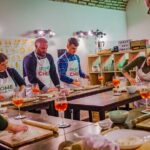
Including wine works in a practical way. It supports the social tone at the start and throughout the meal portion, and it pairs naturally with Italian comfort food. But it is also good to know what you are signing up for: this is not a dry class.
If you plan to walk around Rome afterward, keep your own limits in mind. You will be standing and cooking earlier, and then you may want energy for your next stop.
Vegetarian and Gluten-Free Options: What You Should Expect
The class states it offers vegetarian and gluten-free options. That is valuable, because it means you are not automatically stuck with a limited plate.
What I’d do in your shoes: when booking, be specific about what you need and keep expectations aligned with the menu structure. The dishes they list include pasta types, sauces, and tiramisu. So any adaptation will likely fit within that same framework rather than switching to a completely different set of dishes.
If you are vegetarian, you will want the sauces and pasta to work together. If you are gluten-free, you will want to check how they handle pasta and dessert elements, since both involve ingredients that can be tricky.
Price Value: What $108.02 Really Buys
At $108.02 per person for about 3 hours 30 minutes, the price can look like a splurge at first glance. But when you break it down, the value starts to make sense.
You are paying for:
- a small-group class capped at 12 people
- instruction and active cooking for a multi-course meal
- ingredients for bruschette, two pasta dishes, two sauces, and tiramisù
- alcoholic beverages for 18+
- lunch or dinner depending on the start time
In a Rome home setting, the cost of ingredients and time typically runs higher than the big, generic classes. Here, you get something more focused: you leave with dishes you can recreate, plus the habits behind them. That is the kind of value that lasts longer than a single restaurant meal.
If your goal is to eat, you could spend less. But if your goal is to learn, cook, and sit down with a meal you helped make, this is the kind of pricing that often feels fair.
Logistics That Matter: Where to Meet and How It Ends
You meet at Piazzale Aurelio, 6, 00152 Roma RM. The activity ends back at the meeting point, so you keep Rome navigation simple.
They also note the place is near public transportation, which is a big deal in Rome. You can plan around trains or buses without building an entire day around a taxi ride.
Because the class is in a residential home, try not to show up exactly at the last minute. Give yourself a small buffer so you can settle in and start cooking without stress.
Who This Class Is Best For (And Who Might Want Another Option)
This experience is a good fit if you:
- want a small-group Rome activity with real interaction
- like traditional Roman food and want methods you can copy later
- enjoy cooking that leads straight into eating
- want a fun group vibe, since the family brings humor and stories into the process
- are planning team building or a private group (they mention the class works for that too, and they can accommodate more people by request)
It may not be the best fit if you:
- are traveling with kids under 12, since children under 12 are not allowed here
- prefer a purely observational food tour instead of hands-on cooking
If you are in the “adult, food-focused, hands-on” category, you are exactly the audience.
Should You Book Cook With Mamma in Rome?
I think this is a book-worthy Rome experience if you want more than a checklist of dishes. The home setting, the tight 12-person limit, and the full meal you cook (tiramisu, fresh pasta, two sauces) make it feel practical, not just theatrical.
Book it if:
- you want lunch or dinner included
- you want wine included if you are 18+
- you like learning cooking methods tied to tradition, not just collecting photos
- you want a Roman kitchen experience that feels like a real invitation
Skip it if:
- you need a kid-friendly option under 12 (they do suggest contacting them for a family class, but this one is not for those ages)
If you are on the fence, ask yourself one question: do you want to cook in Rome, or just eat in Rome? If cooking is your thing, this one makes a strong case.
FAQ
What time does the cooking class run?
The experience is offered at 10 am and 6 pm, so you choose whether it functions as lunch or dinner.
How long is the cooking class?
It runs for about 3 hours 30 minutes.
Where is the meeting point?
You start at Piazzale Aurelio, 6, 00152 Roma RM, Italy.
How big is the group?
The experience has a maximum of 12 travelers.
Is wine included?
Yes. Alcoholic beverages are included for people 18 years old and above only.
What dishes will I make?
You prepare tiramisu, fresh pasta from scratch, and two sauces. The menu also includes bruschette as a starter.
What pasta and sauces are included?
You make cavatelli with a four cheese sauce and tagliatelle with amatriciana sauce.
Do they offer vegetarian or gluten-free options?
Yes. The class offers vegetarian and gluten-free options.
Is there mobile ticketing?
Yes, the experience includes a mobile ticket.
What are the cancellation rules?
You can cancel for free up to 24 hours in advance for a full refund. If you cancel less than 24 hours before the start time, you are not refunded. If the minimum number of travelers is not met, you’ll be offered a different date/experience or a full refund.