REVIEW · CATACOMBS TOURS
Appian Way Aqueducts Bike Tour with Catacombs & Lunch
Book on Viator →Operated by Roma STARBIKE · Bookable on Viator
Want a Rome day that stays in motion?
This Appian Way aqueduct bike tour strings together the big-feel sights outside the center—e-bike riding, the catacombs, and Roman waterworks—while your guide tells the stories that don’t fit on a postcard. Guides like Lorenzo, Iman, Marco, Matt, and Flavio keep things moving and friendly, with clear instructions so the ride feels more confident than chaotic.
I especially like two parts. I like the small group size (max 12), because you get real attention when the route gets bumpy or someone needs help. I also like that your catacombs visit is guided and timed into the day, plus you get lunch (or an afternoon aperitif) without having to stop and negotiate.
One thing to consider: the Appian Way includes real cobbles, including a rough, uneven stretch that can rattle your body a bit. This tour is for people who can already ride a bike well—electric assist helps a lot, but you still need control and balance.
In This Review
- Key highlights worth showing up for
- Why the Appian Way feels different by bike (and why e-bikes help)
- Getting started at Roma STARBIKE and bike confidence for real life
- Stop 1: Porta San Sebastiano sets the tone for Via Appia Antica
- Stop 2: Catacombe di San Callisto underground, but organized
- Stop 3: Parco della Caffarella adds space, shade, and ruins
- Stop 4: Ninfeo di Egeria and the Numa Pompilius love story
- Stop 5: Cecilia Metella’s mausoleum and Castrum Caetani
- Stops 6 and 7: Aqueduct parks and the lunch (or aperitif) break
- Stop 8: Villa dei Quintili shows how power lived on the outskirts
- Stops 9 and 10: Caracalla Baths and the Circus of Maxentius
- How hard is the ride, really? Cobblestones are the main boss
- Small group energy: safety and attention without rushing
- Price and value: what you really get for $107.41
- Who should book this tour, and who might skip it
- Should you book the Appian Way Aqueducts Bike Tour?
- FAQ
- How long is the bike tour?
- Is lunch included, or do I get an aperitif instead?
- What happens with the catacombs visit?
- Do I need prior biking experience?
- What kind of bike gear is included?
- What’s the maximum group size?
- Is there a cancellation option?
Key highlights worth showing up for
- E-bike help on inclines so you can focus on ruins, not straining
- Catacombs with an arranged guided visit rather than figuring it out on your own
- Green breaks from the city in Caffarella and the aqueduct parks
- Lunch or aperitif tied to ancient water engineering
- Max 12 riders for safer pacing and more guide attention
Why the Appian Way feels different by bike (and why e-bikes help)
Rome by foot is great—until you hit that moment where you’re doing mental math on distances and steps. This is a different kind of Rome day: you ride between major historic spots on an e-bike, so the experience doesn’t turn into a slow slog.
The payoff is how much ground you cover without killing your energy. You also see the Appian Way as a real route through the countryside, not just a single photo stop. And because the pace is guided, you get stops where you can step off, look closely, and hear the why behind what you’re seeing.
You can also read our reviews of more cycling tours in Rome
Getting started at Roma STARBIKE and bike confidence for real life
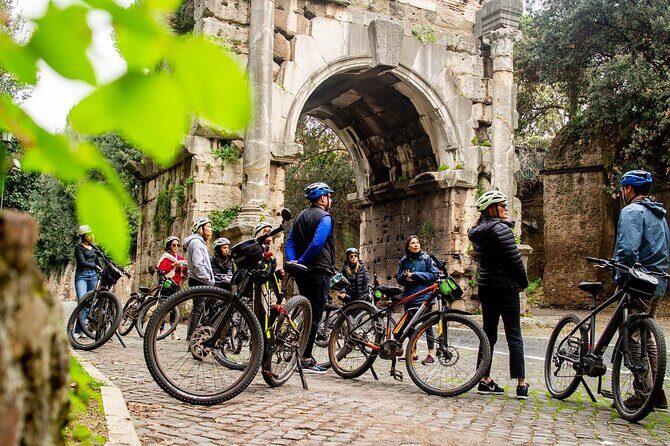
You meet at Roma STARBIKE, near public transport, and the tour returns to the same meeting point. Before you set off, you should expect a proper introduction to the bikes—how the assist works, how to use the handlebars/holders, and a quick test ride if needed. The goal is simple: you should feel comfortable enough to stay with the group and handle uneven surfaces.
The kit matters here. You get a helmet, plus phone and handlebar holders so you can actually store your day without juggling things. There’s also room for child seats (with a stated weight limit) and extra bike gear for families. If you’ve ridden a bicycle only occasionally, plan to focus on technique before you start; the tour does require you to ride a bike well.
Stop 1: Porta San Sebastiano sets the tone for Via Appia Antica
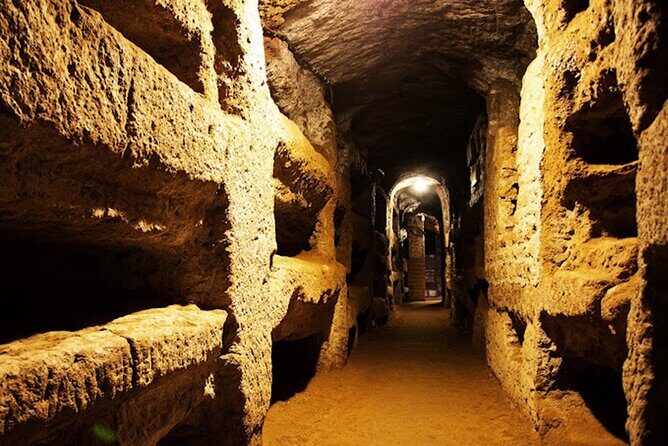
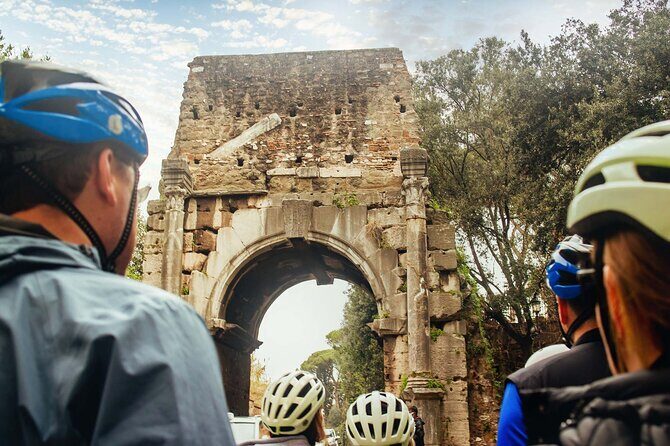
Your day begins at Porta San Sebastiano, a major southern gateway in the Aurelian Walls, built around 275 AD. It’s not just an entrance arch—it’s also the start point for the historic Via Appia Antica, which matters because it frames how this road worked: it connected Rome to places beyond it.
There’s also a human layer here. You can spot medieval graffiti, evidence of pilgrims and travelers passing through over centuries. It’s one of those moments where the history feels less like a museum and more like a route people actually used.
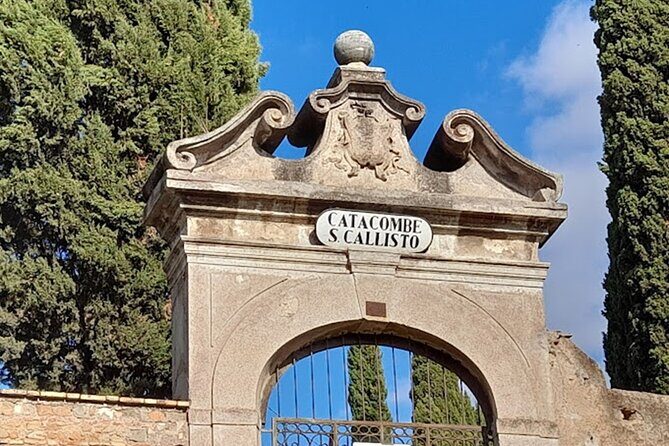
Stop 2: Catacombe di San Callisto underground, but organized
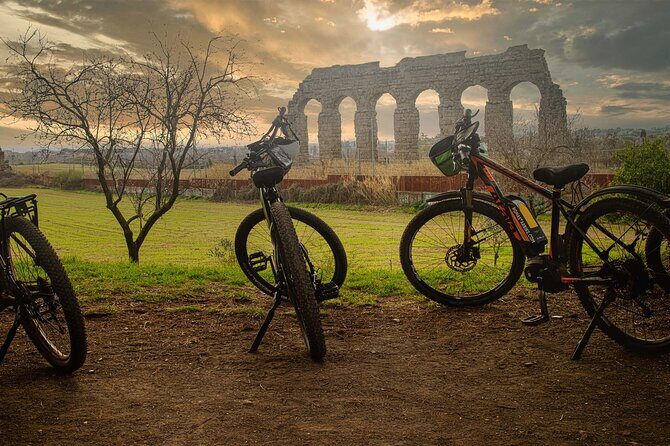
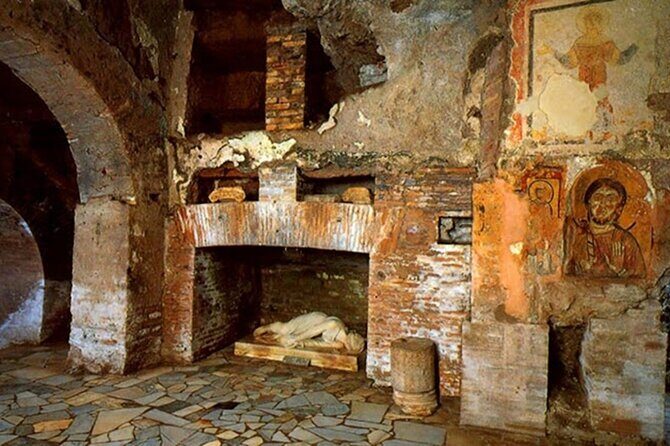
Next comes one of Rome’s most atmospheric experiences: Catacombe di San Callisto. This is an official funerary complex with long corridors—about 20 km worth—and it’s tied to early Roman Christian burial practices.
What I like about this stop is that you’re not just walking around and guessing. Your ticket is handled as part of the tour, and you get a guided visit inside the catacombs with an official guide. The complex takes you down to the underground scale of early burial: the information you’ll hear includes how many martyrs, popes, and Christians were interred there, and why the names and traditions matter.
Practical tip: catacombs can feel cooler and more enclosed. Wear layers you can manage. And if you’re photos-forward, bring a steady hand—your best shots may come when the guide explains exactly where to look.
Stop 3: Parco della Caffarella adds space, shade, and ruins
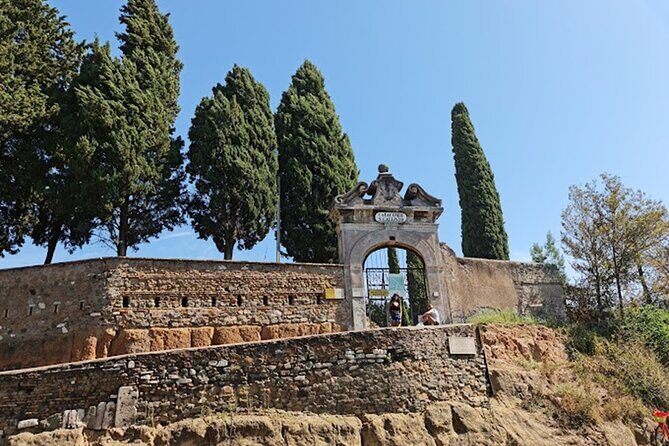
After the underground cool, you transition to air and open space at Parco della Caffarella. This park is part of the Appia Antica Regional Park and is considered one of the largest green areas in Rome and Europe.
Here the ruins feel less like isolated monuments and more like leftovers embedded in everyday nature. You’ll see remains of ancient buildings tucked into paths and groves, which makes the Appian Way feel lived-in over time. It’s also a welcome break from traffic and crowd energy.
You can also read our reviews of more tours and experiences in Rome



Stop 4: Ninfeo di Egeria and the Numa Pompilius love story
At Ninfeo di Egeria, you get a brief but memorable stop: a sacred place linked to Egeria, a nymph, and Numa Pompilius, Rome’s second king. The story goes that Egeria learned of her beloved’s death and wept so much she gave life to a spring.
It’s a quick stop, but the point is how Rome keeps mythology attached to physical spots. Even when the marble is gone or reduced, the meaning sticks. This is one of those places where a short pause helps you feel the city’s storytelling instincts.
Stop 5: Cecilia Metella’s mausoleum and Castrum Caetani
Then you arrive at Mausoleo di Cecilia Metella and the surrounding area connected with Castrum Caetani. This mausoleum is a pagan tomb dating to the 1st century BC, and it’s considered among the best preserved along the Via Appia Antica.
You also get layered history beyond the main tomb. There are remains tied to the medieval house of the Caetani family, plus the perimeter walls of the church of San Nicola. That mix matters because it shows how Romans reuse, rebuild, and re-label places rather than starting fresh every time.
For photos: this stop is great for wide views and close textures. For sitting breaks: it’s short, so plan to look first, then take the quick rest your body asks for.
Stops 6 and 7: Aqueduct parks and the lunch (or aperitif) break
The mid-tour break is one of the best parts of this bike format. You’re cycling in the Appia Way area, then you stop for a meal right in the setting—between ancient water engineering sights.
- In the morning schedule, the included lunch comes with water.
- In the afternoon schedule, lunch is replaced by a tasty aperitif with cold cuts and drinks.
This is exactly where you’ll feel the value of guided touring. You don’t have to hunt for food near ruins, and you don’t spend your day traveling back and forth between the sites and a restaurant.
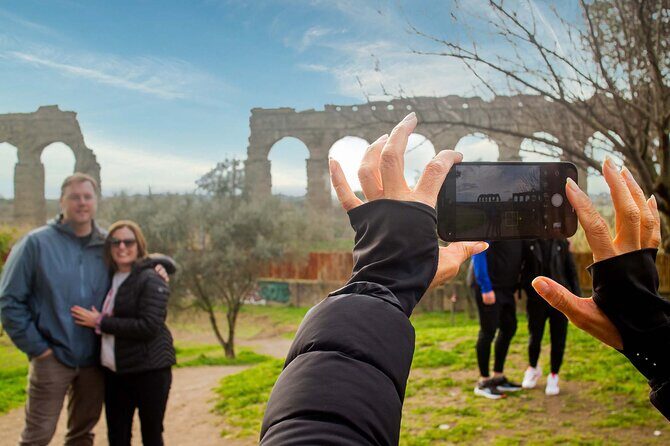
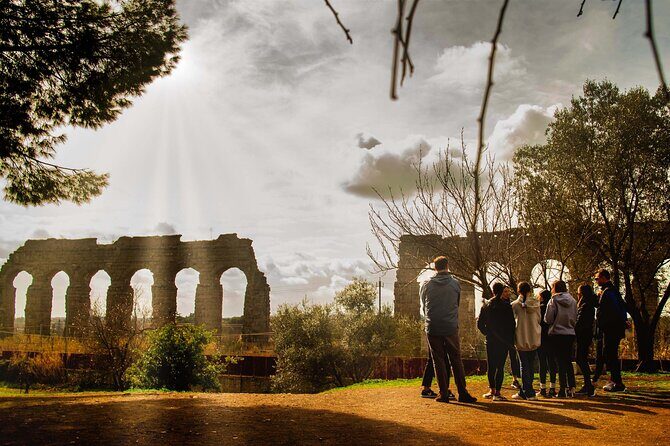
After the break, you continue to Parco degli Acquedotti—a huge green area crossed by ancient roads like the Via Latina. This is where you see the water network of Ancient Rome through remaining aqueduct structures, including places where some aqueduct systems still operate. It’s a reminder that Rome wasn’t just about monuments—it was about moving water, controlling distance, and making a city function.
Stop 8: Villa dei Quintili shows how power lived on the outskirts
Next is Villa dei Quintili, near the fifth mile of the Appian Way. This was the grand villa of Sesto Quintilio Condiano and Massimo Valerio, consuls in the 2nd century AD.
The story you’ll hear matters: they were killed by Commodus I, who confiscated the villa and made it imperial property. That change from private wealth to state control is a theme you see again and again in Rome—and here you get it tied to the physical remains.
Expect this stop to be short, but it’s a strong one. A short look at a villa ruin can feel hollow; a guided explanation makes it feel like you’re reading power dynamics in stone and layout.
Stops 9 and 10: Caracalla Baths and the Circus of Maxentius
To finish strong, you hit two major crowd-pleasers—just without the main-center lines.
Terme di Caracalla is next. These baths were built under Emperor Caracalla and were among the largest public baths ever built. Most of the structure is preserved, and you’ll hear how water was supplied—there’s a mention of the Aqua Marcia branch bringing water to the baths through the Antoninian aqueduct.
Then comes the Circus of Maxentius on the Via Appia Antica, one of the best surviving examples of a Roman circus. The guide connects visible features like the spina—the central divider—with what became of parts of it later. One story to listen for: an obelisk tied to the circus was moved during the Renaissance to the Fountain of the Four Rivers at Piazza Navona.
These final stops help your day click together: processions and public spectacle, plus water supply, plus burial history. It’s Rome as infrastructure and ritual, not just architecture.
How hard is the ride, really? Cobblestones are the main boss
This is a 5-hour tour on an e-bike, but your “difficulty” comes less from hills and more from surfaces. E-bike assist reduces fatigue and makes inclines easier, which helps a ton if you’re not sure how your legs will hold up.
The real issue is the cobbled sections of the Appian Way. Expect some rough, bouncy riding. One stretch is especially uneven, and if you’re sensitive to vibration, you’ll feel it in your seat. Your guide should warn you about this and help you pace through it—some people may choose to push rather than ride.
Even with e-bikes, plan for saddle soreness. If you’re the type who gets uncomfortable easily, consider packing a simple saddle cover for comfort. And start the day with realistic expectations: you’re biking for around five hours, so take breaks when the guide pauses rather than trying to “power through.”
Small group energy: safety and attention without rushing
A big part of why this tour earns top marks is the balance between structure and breathing space. With a maximum of 12 riders, the guide can actually keep track of the group, slow down when needed, and answer questions without losing time.
Guides also tend to prepare you before the trickier bits, including telling you what the next terrain will feel like. That kind of prep matters when you’re riding with strangers and you want everyone to feel safe. If your group has mixed comfort levels, this setup is a good fit.
Price and value: what you really get for $107.41
At about $107.41 per person for roughly five hours, the value is in the package. You’re not just paying for bike rental. You’re paying for:
- A high quality e-bike plus helmet and bike accessories
- Guided touring across many specific stops outside the usual center loop
- Catacombs guided access arranged as part of the tour
- A built-in meal rhythm (lunch with water or aperitif in the afternoon slot)
You also avoid the time tax of transfers between scattered sights. The Appian Way is spread out, and taking public transport or taxis between points can eat your day fast. Here, the ride itself connects everything.
Food note: the included meal is convenient, not fancy. Some people find it better than expected; others have found it basic. If you have dietary needs, plan to communicate them at the start of the day so they can handle it, and consider bringing a small snack if you need more than sandwiches and pastries.
Who should book this tour, and who might skip it
This is a strong choice if you want:
- A Rome day that feels like getting out of the city while still covering big sights
- A practical way to see the Appian Way, aqueduct parks, and major ruins in limited time
- Less strain from hills thanks to e-bike assistance
You might skip it if:
- You hate cobblestones and rough surfaces
- You’re not confident riding a bike steadily for long periods
- You need a long, relaxing meal stop rather than a timed lunch/aperitif break
Should you book the Appian Way Aqueducts Bike Tour?
Yes—if your idea of a great Rome day includes biking, history stops, and the feeling of moving through the countryside. The included e-bike gear and the organized catacombs visit make it efficient. And the aqueduct parks and Caffarella break up the day in a way a pure city walking tour won’t.
Book with confidence if you’re ready for bumpy roads and a real amount of riding. Bring a little patience for cobblestones, and you’ll leave with a Rome you can’t get by standing in one place.
FAQ
How long is the bike tour?
It runs for about 5 hours.
Is lunch included, or do I get an aperitif instead?
Depending on the time slot, you get either lunch with water (morning) or an aperitif in the afternoon (cold cuts plus drinks).
What happens with the catacombs visit?
Your catacombs admission is included, and the visit is guided as part of the tour.
Do I need prior biking experience?
Yes. You must know how to ride a bike well, and the tour is listed for people with moderate physical fitness.
What kind of bike gear is included?
You’ll receive an e-bike plus a helmet and holders for your phone/handlebar.
What’s the maximum group size?
The tour has a maximum of 12 travelers.
Is there a cancellation option?
You can cancel for a full refund if you cancel at least 24 hours before the experience starts.