REVIEW · WALKING TOURS
Ghosts Legends and Mysteries of Rome Walking Tour
Book on Viator →Operated by What About Tours · Bookable on Viator
Rome at night has a different pulse. This walking tour leans into the city’s darker side with real places tied to executions, exorcisms, witchcraft rumors, and church-run death rituals. It’s Ghosts Legends and Mysteries of Rome in a compact, easy-to-manage loop—perfect if you want something spooky without committing to a huge late-night program.
I like that it keeps moving: you’re out for about 1 hour 30 minutes, starting at 8:00 pm, with a maximum group size of 24. I also like the storytelling angle, not the gimmicks—your licensed guide tells legends and “mysteries” as street-level history, with stops like Castel Sant’Angelo and Campo de’ Fiori.
One thing to consider: this is not a jump-scare, paranormal investigation style show. If you’re only chasing maximum horror, you may find it more historical-spooky than truly frightening.
In This Review
- Key things to know before you go
- Rome at 8:00 pm: Why this ghost walk works
- Price and tips: the value in a $3.63 ticket
- Meeting point and how the route flows to Campo de’ Fiori
- Castel Sant’Angelo: Hadrian’s tomb becomes a spooky meeting place
- Ponte Sant’Angelo: Bernini angels and the idea of crossing worlds
- Via Paola: the kindest executioner stop
- Arco dei Banchi: the haunted arch and an exorcist’s legacy
- Benvenuto Cellini’s home: genius, scandal, and dark street corners
- Vicolo della Moretta: witchcraft rumors and Giulia Tofana
- Corte Savella on Via di Monserrato: Beatrice Cenci’s torture site
- Via Giulia: Renaissance elegance between darker stories
- Santa Maria dell’Orazione e Morte: a Baroque church built around death work
- Fontana del Mascherone and John Paul Getty III’s kidnapping
- Campo de’ Fiori: market energy with an execution shadow
- What the guide brings: story delivery, photos, and group safety
- Who should book this Rome ghost tour (and who should pass)
- Should you book? My decision guide
- FAQ
- How long is the Ghosts Legends and Mysteries of Rome walking tour?
- What time does the tour start?
- Where do I meet, and where does the tour end?
- Is the tour offered in English?
- Is there a mobile ticket?
- Do I need to pay admission tickets at the stops?
- Is this a paranormal ghost hunt or a storytelling tour?
- Is the tour suitable for children?
- Is the tour tip-based, and do guides accept tips by card?
Key things to know before you go
- Tip-based tour: your guide works for tips alone, so plan accordingly
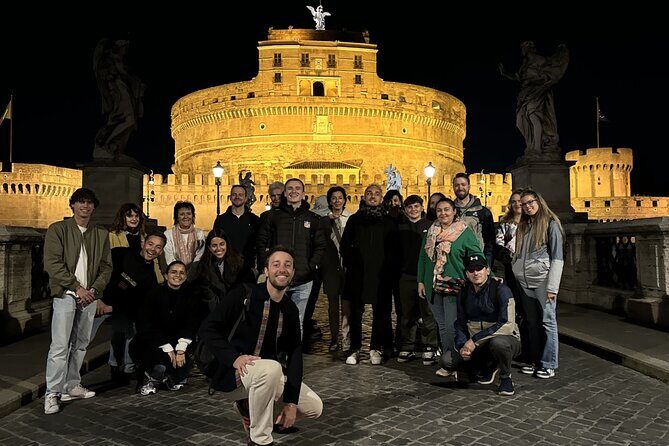
- Night route with iconic sights: Hadrian’s mausoleum vibe plus the Bernini-era angels on Ponte Sant’Angelo
- Grown-up subject matter: includes CSA topics and graphic information; not for kids under 12
- Short and practical: about 90 minutes, in English, with a mobile ticket
- Ends where you’ll want to eat: the finish is Campo de’ Fiori, well placed for buses and taxis
Rome at 8:00 pm: Why this ghost walk works
Rome after dark is when the city feels most like a storybook. You get quieter streets, dramatic shadows, and that “what happened here?” feeling that daytime crowds can flatten. This tour leans into that atmosphere with a sequence of stops linked to danger, death, and religious intrigue—places you’d otherwise rush past.
What makes it work for a lot of people is the pacing. It’s short enough to fit into an evening plan, but long enough that you don’t just see names on a map. You’ll also be walking in a small-to-medium group, which makes the “evening in Rome” part feel safer and less stressful.
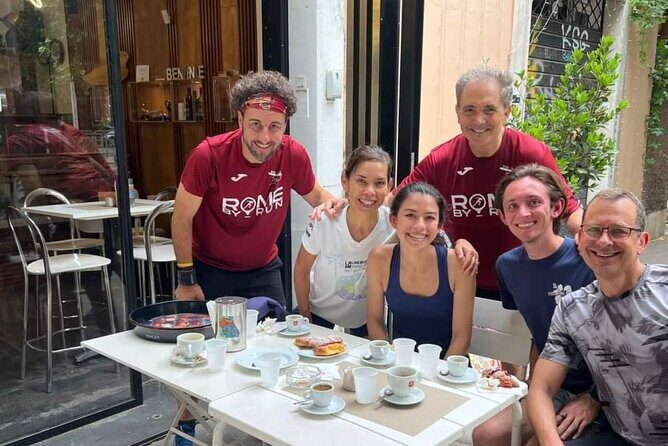
There’s another smart angle here: you’re not stuck trying to interpret Rome alone. A good guide gives you context so the myths land. Some guides (like Ivan and Simone, based on guide styles you might encounter) tend to use humor and structure, and a couple of them reportedly bring photos to help you picture what the stories mean.
Just remember: the tour is about legends + mystery + history, not about catching ghosts.
You can also read our reviews of more walking tours in Rome

Price and tips: the value in a $3.63 ticket
On paper, the price looks almost too low: $3.63 per person. The practical truth is that this is a tip-based tour, and tips are how the guide earns money. So the ticket price is only part of the story.
In exchange, you’re getting a licensed guide, a walking route with multiple named stops, and the “why it matters” narration that makes the dark history readable. Also, many stops are listed with free admission in the schedule, which helps keep your evening budget from ballooning with museum entries.
If you’re a careful budgeter, here’s the best way to think about value:
- You’re paying for interpretation (stories and context) as much as you’re paying for the sights.
- You’re paying for something you can’t easily DIY at the same level, especially with church and execution-related locations.
Plan for tips ahead of time. One guide operation response also indicates they can accept card payments, which is handy if you don’t carry much cash.
Meeting point and how the route flows to Campo de’ Fiori
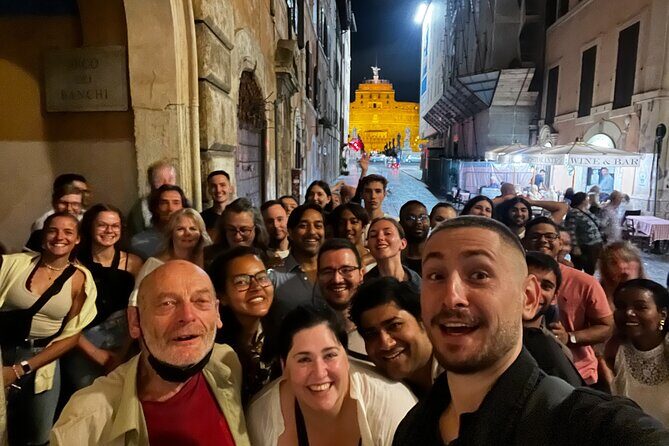
You start at Lungotevere Castello, 50, 00193 Roma RM, and you finish at Campo de’ Fiori. The start point is right on the Tiber River, which is a great setup for an evening tour because the light and shadows play nicely on landmarks like Castel Sant’Angelo.
The end point matters too. Campo de’ Fiori is a classic Roman “after-dark hub”: bars, restaurants, and plenty of street life. It’s also very well connected, with bus stops and taxi stands nearby. So instead of ending somewhere inconvenient, you get a natural place to keep your night going.
Timing is another logistics win. The tour begins at 8:00 pm, runs about 1 hour 30 minutes, and uses a mobile ticket (so you’re not chasing paper receipts). It’s also offered in English, and service animals are allowed.
One more practical note: the route mixes big streets with narrower lanes, so shoes matter. You’ll want something with decent grip because you’re on uneven Roman surfaces at night.
Castel Sant’Angelo: Hadrian’s tomb becomes a spooky meeting place
The first stop is Castel Sant’Angelo, a landmark that’s hard to misunderstand. It started as Emperor Hadrian’s mausoleum, then changed roles as it became a fortress, a papal residence, and later a prison. In other words, this is a building that kept switching identities around power and punishment.
From a ghost-tour perspective, that’s perfect. The structure is dramatic—cylindrical, river-facing, and unmistakable. The rooftop statue of the Archangel Michael gives the whole site a religious “guardian” feeling, which pairs well with the tour’s themes of salvation, judgment, and fear.
You’re also near the river, so the soundscape changes at night. The Tiber and the open space around the fortress make your brain do the work of imagining what happened here, even if you’re not a horror fan.
This stop is listed with free admission, so you’re not pressured into an extra ticket decision. You get the place, the story, and then you move on.
Ponte Sant’Angelo: Bernini angels and the idea of crossing worlds
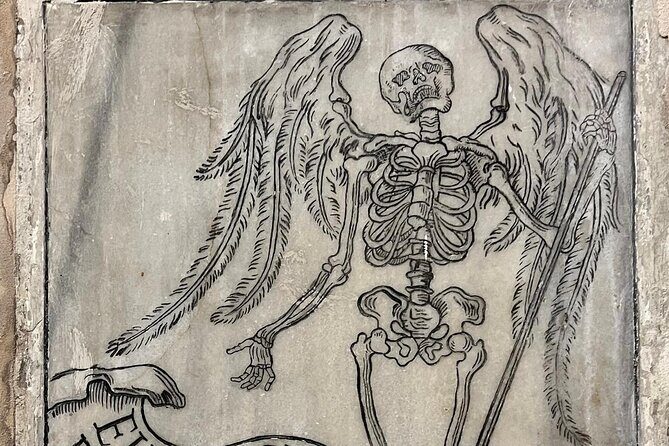
Right after the fortress comes Ponte Sant’Angelo. These aren’t generic angels-on-a-bridge vibes. The bridge is known for ten angelic statues tied to the tradition of Christ’s suffering, and your tour framing leans into that symbolic language.
At night, the statues can look like they’re watching you. Shadows can hide faces and leave only the silhouettes and stone expressions visible. That’s exactly the kind of atmosphere this tour wants you to notice.
Why it’s a smart stop: it’s a bridge, so it naturally fits the story of crossing from one realm to another. Even if you think of it as myth-making, it’s a powerful visual metaphor. You’ll feel the “threshold” concept without needing special effects.






Via Paola: the kindest executioner stop
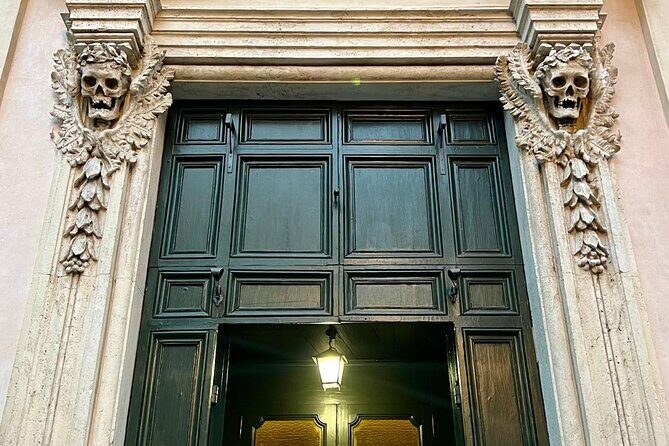
Next up is Via Paola, described as the house of the kindest executioner in Rome. That sounds almost like a contradiction, and that tension is part of the point.
A tour like this isn’t only about “what happened.” It’s also about how people justified themselves while doing brutal work. When you hear about the executioner’s reputation through a softer label, you start asking bigger questions about morality, authority, and the stories people told to survive their roles.
This is also a short stop—about 10 minutes—so it doesn’t drag. It gives you a quick hit of grim irony and keeps the walk moving.
Arco dei Banchi: the haunted arch and an exorcist’s legacy
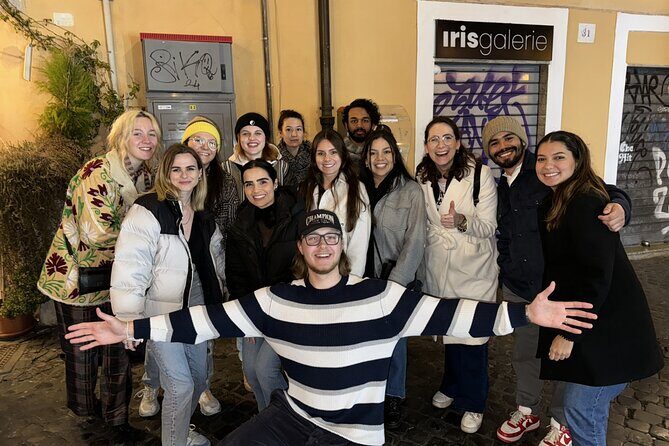
Then you’re at Arco Dei Banchi, framed as the Haunted Arch and linked to a prayer for a very controversial exorcist in Rome.
If you like your “mysteries” to have some religious complexity, this is one of the stronger theme transitions. You go from the executioner’s-world logic to the exorcist’s-world logic: both tied to controlling fear through authority. One manages death. The other manages the idea of possession.
It’s also one of those “look up” moments. Roman arches are visually strong, and your guide’s storytelling can make that stone form feel like it’s holding onto old whispers. The stop is listed around 5 minutes, so you get the vibe without losing momentum.
Benvenuto Cellini’s home: genius, scandal, and dark street corners
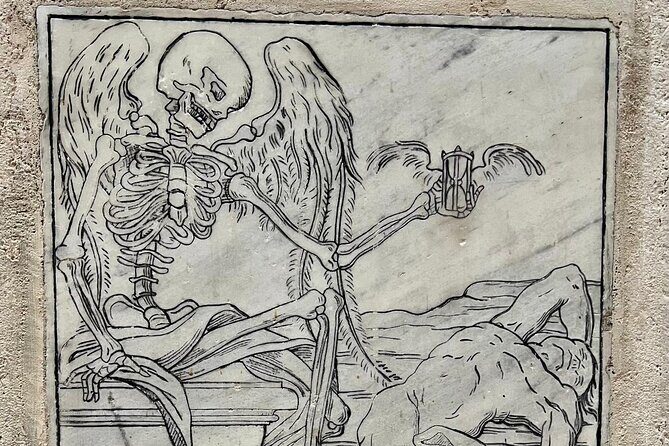
Next is Largo Ottavio Tassoni, 319, connected to Benvenuto Cellini. He’s known as a 16th-century artistic genius, but the tour’s framing is blunt: the same person also had a notorious violent side.
This stop is short, but it helps you understand how Rome treats fame and infamy. City legends often preserve “greatness” and “monstrous behavior” in the same breath. So instead of separating art from brutality, the tour shows you the friction.
That’s a valuable angle for a walking tour: it keeps the stories from becoming one-note superstition. You’re seeing how power, reputation, and myth-making were braided together.
Vicolo della Moretta: witchcraft rumors and Giulia Tofana
Vicolo della Moretta brings the witchcraft story—centered on Giulia Tofana—plus tales involving the holy inquisition. This is where the tour leans most into rumor as a social force.
Whether you view it as fact, legend, or propaganda, the narrative helps explain why fear spread in these settings. When authorities and communities agree something is dangerous, stories take on a life of their own. A narrow lane like this one makes the idea feel more immediate than a lecture would.
The stop is about 10 minutes, which gives time for the story to land and connect to the tour’s broader theme: how institutions handled anxiety about invisible threats.
Corte Savella on Via di Monserrato: Beatrice Cenci’s torture site
On Via di Monserrato, you reach Corte Savella, described as a prison in Rome authorized to execute convicts inside its walls. This stop is tied to Beatrice Cenci, including her torture before execution.
This is one of the most serious stops on the route. And it’s also the reason the tour comes with a clear note about graphic information and CSA topics. It’s not the kind of story you want to stumble into if you’re sensitive or if you’re bringing a young person.
Practically, this stop matters because it anchors the tour’s “mystery” theme in something real: institutions had the power to do irreversible things in specific places. You’re not only hearing spooky legends; you’re learning where fear was enforced.
If you book this tour, go in ready. It’s not gore-for-gore. But it is heavy.
Via Giulia: Renaissance elegance between darker stories
Then the tour shifts tone with Via Giulia, a historic street designed in the early 16th century for Pope Julius II. It’s lined with Renaissance palaces and classic street elegance.
This is a smart breather stop. It gives you contrast: pretty stonework and planned urban design sit right alongside the darker narratives you just heard. The tour uses that contrast well, so the evening doesn’t feel like it’s only moving through one emotional channel.
Also, Via Giulia is visually engaging. Even if you’re not focused on legends, it’s a great place to see how Rome’s power centers were laid out in ordinary walking space.
Santa Maria dell’Orazione e Morte: a Baroque church built around death work
Next comes Chiesa di Santa Maria dell’Orazione e Morte, a Baroque church linked to a secretive confraternity dedicated to retrieving and burying abandoned corpses. The tour description frames it as an unsettling interior experience: skulls, bones, and death symbols.
This stop is about ritual and fear. Even if you don’t buy into ghosts, you can feel the weight of a religious group organizing around death in a specific way. It’s a reminder that “spooky” isn’t just supernatural. Sometimes it’s how humans cope with loss and violence through systems and symbols.
Because the tour explicitly warns about graphic content, this is one of the locations you should consider whether it matches your comfort level.
The stop is listed around 10 minutes, so you get enough time for the atmosphere without running the clock down.
Fontana del Mascherone and John Paul Getty III’s kidnapping
Back outdoors on Via Giulia you find Fontana del Mascherone, a Baroque fountain with a large stone mask spouting water. The tone turns darker again with a connection to the kidnapping of John Paul Getty III.
This is a great example of how Rome legends aren’t limited to ancient centuries. The tour connects the grimness of old-world fear to later crime stories, which helps the spooky theme feel continuous rather than stuck in the distant past.
You’ll also get a simple visual target: fountains are easier to “lock onto” than vague folklore landmarks. That makes it a good stop if you want your brain to rest between heavier church and execution stories.
Stop length is about 5 minutes.
Campo de’ Fiori: market energy with an execution shadow
The tour ends at Campo de’ Fiori after about 10 minutes at the square during the route. It’s known as a historic square with a famous morning market by day, and at night it’s a social zone with bars and restaurants.
But the tour doesn’t let you enjoy the square without context. The evening framing includes the darker past of Giordano Bruno’s statue and executions during the Inquisition.
This ending works well for two reasons:
- You’ll actually be able to use the location right away for dinner or a drink.
- The juxtaposition makes the point. Rome doesn’t hide its past. It layers it onto everyday life.
And since the tour ends here, you can keep the mood going with food and people-watching—or you can switch gears fast and head back to a calmer neighborhood.
What the guide brings: story delivery, photos, and group safety
A tip-based storytelling tour lives or dies by delivery. Based on the guide styles you might encounter, expect a format that blends history with legends and a “walk-and-talk” cadence.
Some guides are described as enthusiastic, clear, and funny, with jokes and structure that keep you from losing the thread. A few guides also use photos to reference events and scenes, which can help you picture what’s being described—especially when the stories involve places you can’t actually enter.
Still, delivery can vary. One downside you should plan for is audio clarity and pace. If you have trouble hearing accents or fast speech, you’ll do better by positioning yourself where you can see the guide’s face and not getting stuck behind slower walkers.
Safety-wise, the fact you’re walking as a group at night is a real plus. One practical issue that can come up on any Rome night walk is crowd and traffic movement at crossings. The tour is short, but you’ll still want to stay attentive and not let the excitement of the stories make you forget where you’re walking.
Who should book this Rome ghost tour (and who should pass)
Book this if you want:
- A short evening plan that feels like you’re in on a secret
- A storytelling approach to Rome’s legends and darker Catholic-era traditions
- A route that includes both iconic landmarks and quieter back-street stops
You might skip it if:
- You want a Hollywood haunted-house experience with actors or jump scares. This is not that.
- You’re not okay with graphic information and heavy themes. The tour is explicitly not recommended for children under 12.
It also suits solo travelers who like company. Walking as a group through dark lanes can feel more comfortable than trying to find these spots alone and then piecing together their meaning without a guide.
And if rain hits, you’re still walking, just with umbrellas. One of the nice parts of a walking tour is that Rome keeps moving even when the weather changes.
Should you book? My decision guide
I think this is a good pick if your goal is a memorable Rome evening that connects famous places (Castel Sant’Angelo, Ponte Sant’Angelo, Campo de’ Fiori) with the city’s darker storytelling traditions. The short timing, the group limit, and the licensed guide format make it easier than most “ghost” plans.
Just be honest with yourself about what you want. If you’re chasing fear, you may leave thinking it’s more “historical spooky” than supernatural. If you’re okay with that trade, you’ll likely enjoy the way the guide turns streets into chapters.
If you book, do three things:
- Dress for night walking and keep your footing solid.
- Bring cash or be ready to tip with a card if that’s possible for your guide.
- Set expectations: this is legends with context, not a paranormal hunt.
FAQ
How long is the Ghosts Legends and Mysteries of Rome walking tour?
The tour runs about 1 hour 30 minutes (approx.).
What time does the tour start?
The start time is 8:00 pm.
Where do I meet, and where does the tour end?
You meet at Lungotevere Castello, 50, 00193 Roma RM, Italy. The tour ends at P.za Campo de’ Fiori, 00186 Roma RM, Italy.
Is the tour offered in English?
Yes, the tour is offered in English.
Is there a mobile ticket?
Yes, the tour includes a mobile ticket.
Do I need to pay admission tickets at the stops?
The schedule shows some stops marked with Admission Ticket Free, so the tour is built around seeing places without adding major entry costs.
Is this a paranormal ghost hunt or a storytelling tour?
It’s a storytelling tour focused on legends, mysteries, and darker history, not a paranormal investigation.
Is the tour suitable for children?
No. The tour includes CSA topics and graphic information, and it’s not recommended for children under 12 years old.
Is the tour tip-based, and do guides accept tips by card?
Tips are not included in the price, and the tour is tip-based. One guide operation response says they can accept card payments for tips, which can help if you don’t carry much cash.