REVIEW · COOKING CLASSES
From Rome: Pasta & Tiramisù Cooking Class near Spanish Steps
Book on GetYourGuide →Operated by Naples Together · Bookable on GetYourGuide
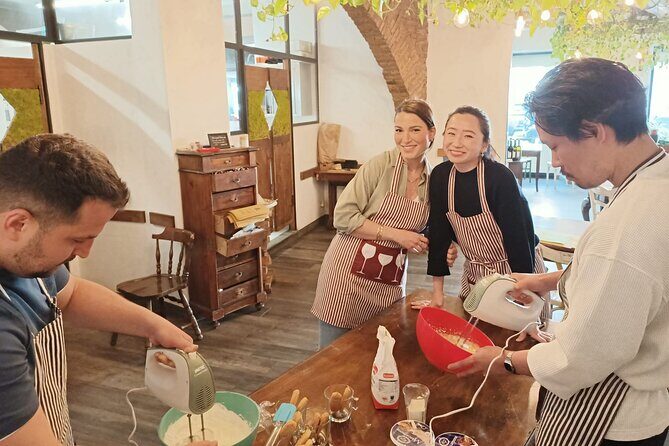
Cooking noodles is one thing. Cooking them well is another. In this 2-hour hands-on class near the Spanish Steps, you’ll learn to make fettuccine from scratch and then build a classic tiramisu you can actually replicate later. I especially liked the step-by-step guidance for mixing, kneading, and cutting, plus the finish of sitting down to enjoy what you made. One thing to consider: you’re doing real cooking in a short window, so if you want a lot of sightseeing time first, plan your day around this rather than squeezing it in.
The location at Trattoria Amici keeps it simple and central, and the experience runs in English, Spanish, and Italian, so you’re not stuck guessing what to do. The only real drawback I’d flag is that you may be offered espresso and limoncello during the session—great for many people, not ideal if you avoid coffee or alcohol.
Bottom line: this is a fun, skill-building Rome food stop with real payoff. And the small touch from the team—like taking your picture and using it on a limoncello bottle you can buy at the end—adds a personal souvenir vibe without turning it into a souvenir factory.
In This Review
- Key highlights worth showing up for
- Pasta and tiramisù at Trattoria Amici, just off the Spanish Steps
- Why this neighborhood location helps
- What you actually learn: homemade fettuccine technique that clicks
- The value of learning “how,” not just “what”
- Building tiramisù the classic way: layers with purpose
- Why tiramisù is a great take-home skill
- Drinks, coffee, and the Rome flavor bonus
- The small “souvenir” moment that people love
- Timing and pacing: 2 hours that stay focused
- Who this class fits best (and who should rethink)
- Languages: you can follow the instructions
- Price and value: what $101 gets you in the real world
- Practical tips to get the most out of it
- Should you book this cooking class near the Spanish Steps?
- FAQ
- What dishes will I make?
- How long is the cooking class?
- Where does the class meet?
- What drinks are included?
- What languages are offered?
- Do I get a certificate?
Key highlights worth showing up for
- Fettuccine from scratch: learn mixing, kneading, and cutting delicate strands
- Tiramisu build skills: layer mascarpone cream, espresso-soaked ladyfingers, and cocoa
- You eat what you make: pasta and tiramisù served as part of the lunch
- Drinks included: wine or soft drink plus espresso or limoncello
- Personalized attention: small class size so the chef can correct your technique
- Chef certificate: a diploma-style keepsake to bring home
Pasta and tiramisù at Trattoria Amici, just off the Spanish Steps
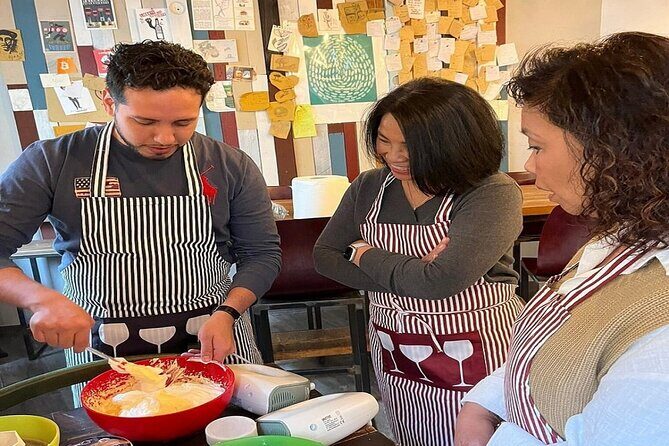
This class is set in central Rome at Trattoria Amici, a handy choice if you’re already spending time around the Spanish Steps. The meeting point is straightforward: you greet the host with the lead traveler’s name. That detail matters more than it sounds—once you’re in, the vibe is friendly and organized, and you’re not standing around trying to figure out which group is yours.
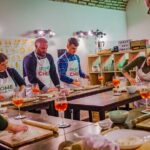
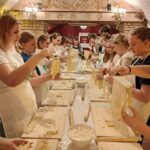
What I like about the setup is that you’re not just “watching cooking.” You’re making the food. And in a short, 2-hour format, that hands-on focus keeps the energy up. You’ll start working right away, then you’ll plate and sit down to enjoy the results before the session ends.
You can also read our reviews of more cooking classes in Rome

Why this neighborhood location helps
Being near major landmarks is convenient, sure. But it’s also practical. You can combine this with other walks in central Rome without needing extra transit. After cooking, you’ll already be in a good place to continue exploring—rather than ending up far from where you want to be.
What you actually learn: homemade fettuccine technique that clicks
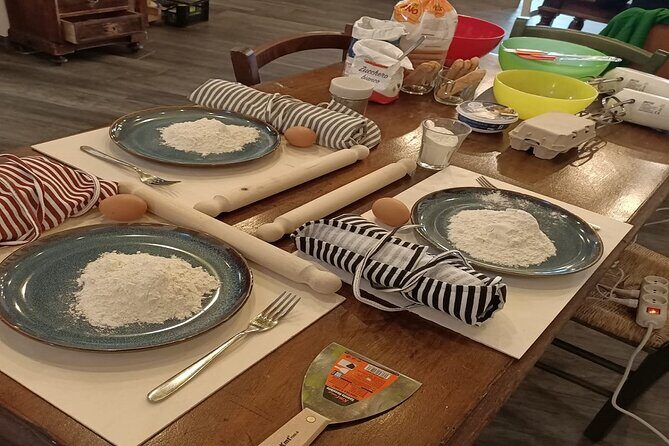
The heart of the class is the pasta. You’ll make homemade fettuccine from scratch, and the chef guides you through the key moves that separate “pasta-ish” from truly good pasta.
Here’s the process you can expect to practice:
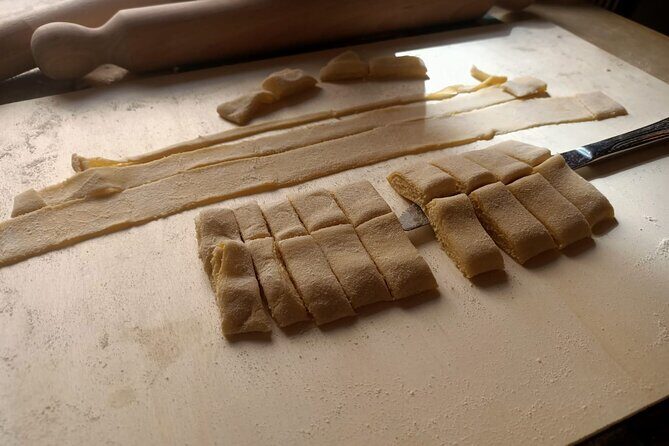
First comes the ingredient selection and dough handling. You’ll learn how to combine and work the dough so it becomes elastic and manageable. Kneading matters here—not because it’s fancy, but because it builds the structure you need for cutting.
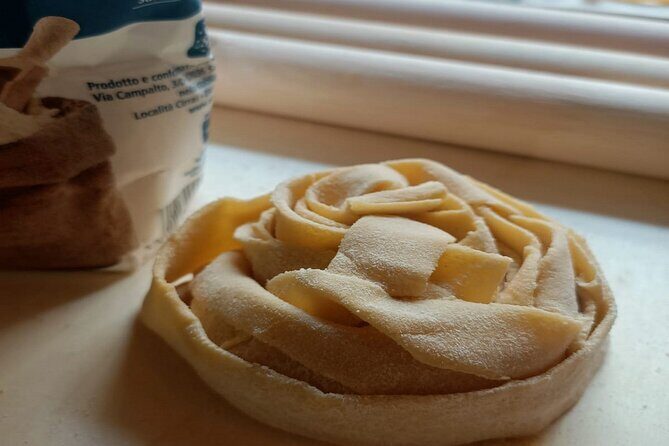
Next is rolling and cutting into strands. Fettuccine doesn’t need special tools, but it does require steady technique. You’ll get tips for cutting into delicate strands so the pasta cooks evenly. That’s one of those small skills that makes a difference at home, too. It’s not just about making something once; it’s about having a repeatable method.
Finally, the chef shares advice on pairing your pasta with sauce. You won’t be left on your own with a vague instruction like “add sauce and hope.” You’ll get practical guidance on how to think about the match between pasta and what’s on top.
The value of learning “how,” not just “what”
At home, most people struggle with two things: dough texture and cutting consistency. This class aims right at those points—dough work and strand cutting—so you leave with real muscle memory. You’ll also understand why pasta behaves the way it does while cooking, which helps you troubleshoot if your next attempt isn’t perfect.
Building tiramisù the classic way: layers with purpose
After the pasta, you switch gears and make tiramisù. This is a dessert where technique is mostly about layering and timing. The class focuses on the exact structure that makes it taste like tiramisù should.
You’ll learn to layer:
- Mascarpone cream
- Espresso-soaked ladyfingers
- Cocoa powder
The chef’s guidance is key because espresso-soaked ladyfingers can go wrong fast—too dry and they’re dull, too wet and they get mushy. The class helps you understand how to get the balance right so the dessert holds together.
Also, don’t underestimate cocoa placement. It’s not just topping—it’s the finishing flavor and texture that sets the final taste. You’ll leave knowing how the layers work together, not just how to assemble them.
You can also read our reviews of more tours and experiences in Rome

Why tiramisù is a great take-home skill
Pasta is work, and dessert can feel more forgiving. But tiramisù is still technique-heavy. The good part is that once you understand the layering order and what each layer should do, you can make it again without a big learning curve.
Drinks, coffee, and the Rome flavor bonus
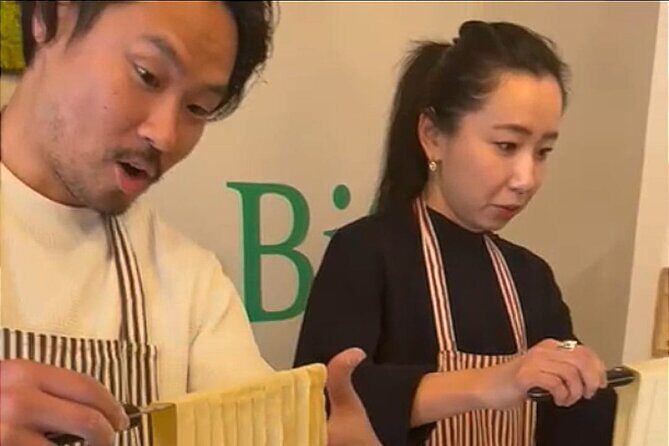
While you cook, the class includes a glass of wine or a soft drink. That’s a nice pacing tool—something to sip while your hands are busy.
Later, you’ll have espresso or limoncello as part of the experience. This is a fun Roman-style touch: coffee and citrus liqueur are a classic pairing in the city’s food culture. If you’re not into coffee or alcohol, just be aware that these are part of what’s offered during the session.
The small “souvenir” moment that people love
One standout detail showing up in the feedback is the photo touch. The team takes your picture during the experience and puts it on a limoncello bottle you can purchase at the end. It’s optional, but it’s a clever idea: you get a fun keepsake tied directly to the class, not a generic mass-market item.
Timing and pacing: 2 hours that stay focused
This is a 2-hour experience, so it’s built to move. You’ll spend the session doing pasta preparation, then shifting to dessert, and finally eating.
Here’s the pacing logic I’d expect you’ll feel:
- You start with pasta work while you’re fresh.
- You transition to tiramisù once the pasta phase is underway.
- You finish with the meal and the certificate.
For many people, this duration is a sweet spot in Rome. Long classes can get tiring. Too short can feel rushed. Two hours keeps things fun and practical, and you’ll still leave with enough done to enjoy the payoff.
Who this class fits best (and who should rethink)
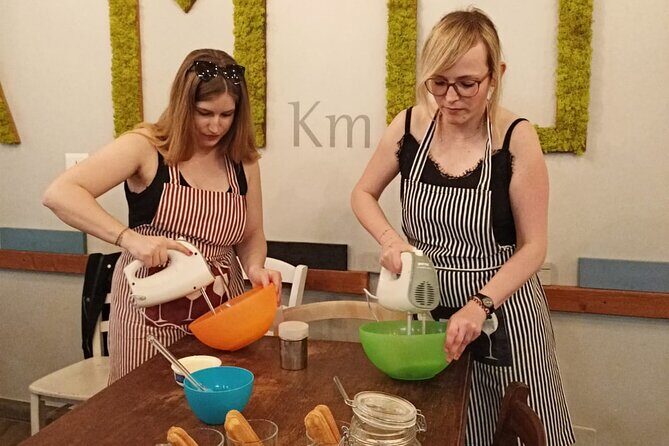
This experience is ideal if you:
- Want a hands-on food activity without needing advanced cooking skills
- Like learning technique you can actually repeat at home
- Prefer a small group format with a chef who can help when you’re stuck
- Are spending time around central Rome and want something focused and delicious
It may be less ideal if you:
- Need a super flexible pace (everything happens within 2 hours)
- Avoid coffee or alcohol, since espresso and limoncello are included/served
Languages: you can follow the instructions
The instructor works in English, Spanish, and Italian. That’s a real comfort factor. When you understand the “why” behind each step, the class becomes easier to replicate later.
Price and value: what $101 gets you in the real world
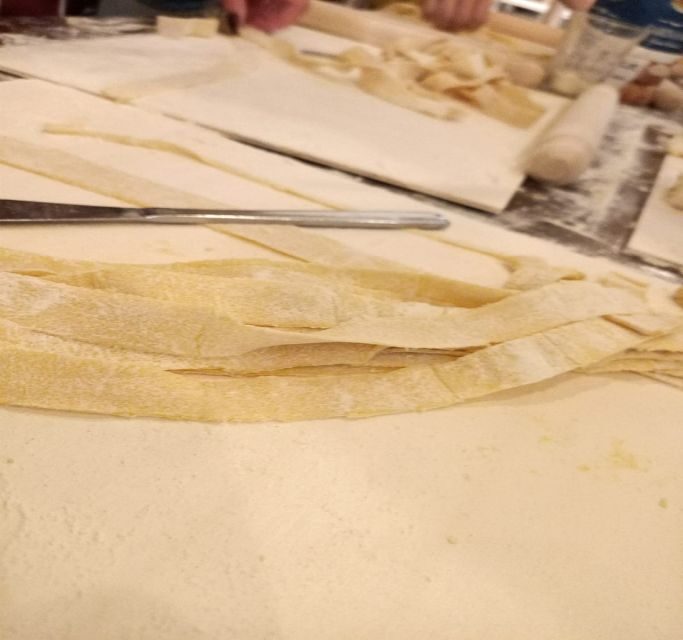
At $101 per person for a 2-hour class, the question isn’t just cost—it’s what’s included and how much you leave with.
Here’s what you’re paying for:
- Ingredients and instruction to make homemade fettuccine
- Ingredients and instruction to make tiramisu
- Lunch (you sit down to enjoy the dishes you made)
- Drinks: wine or soft drink, plus espresso or limoncello
- A chef certificate as a keepsake
If you compare this to paying for ingredients and trying to learn from scattered tips online, the value is that you get a chef correcting your technique in real time. You’re also getting the full “production line” experience: make it, eat it, and take away a souvenir-style certificate.
Practical tips to get the most out of it
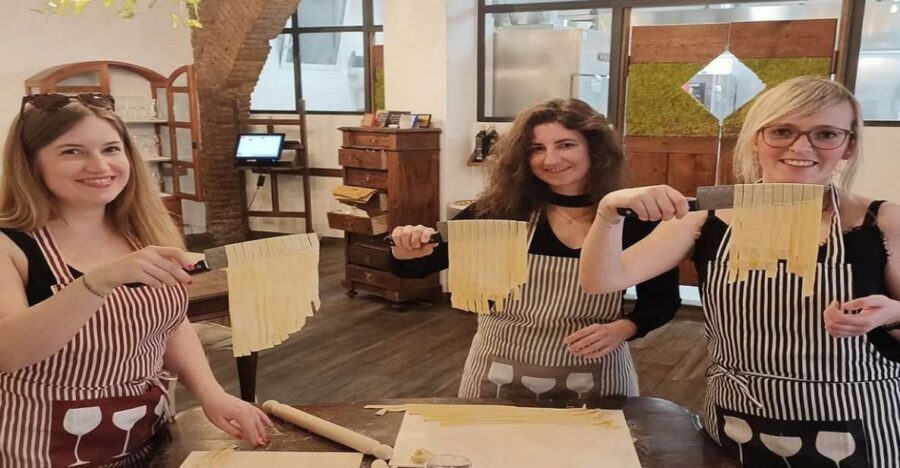
You’ll have a better experience if you treat this like a cooking workshop, not a show.
A few practical notes:
- Come ready to work. Your hands and your apron will be part of the plan.
- If you’re picky about coffee or alcohol, decide ahead of time how you want to handle espresso and limoncello being offered.
- Be curious during the sauce and pairing tips. That’s where the class becomes useful for your next homemade meal.
- If you want the photo-limoncello bottle as a keepsake, plan to grab it at the end since that’s when it’s offered.
Should you book this cooking class near the Spanish Steps?
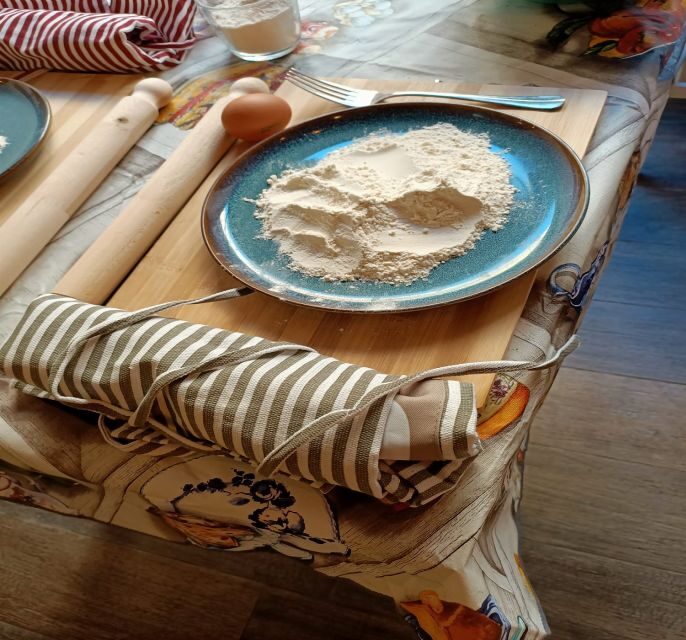
I’d book it if you want a short Rome activity that combines real skills with real food—and you like the idea of making two Italian staples in one go. The combination of fettuccine technique and classic tiramisù layering, plus the included drinks and the certificate, makes it feel like more than just a meal.
Skip it only if you’re looking for something purely observational, or if you’re sensitive to espresso/liqueur. Otherwise, this is a solid choice for a fun, hands-on afternoon right in the middle of Rome.
FAQ
What dishes will I make?
You’ll make homemade fettuccine pasta and tiramisù during the class.
How long is the cooking class?
The experience lasts 2 hours.
Where does the class meet?
You’ll meet your host at Trattoria Amici.
What drinks are included?
A glass of wine or a soft drink is included, plus espresso coffee and/or limoncello.
What languages are offered?
The instructor speaks English, Spanish, and Italian.
Do I get a certificate?
Yes. You receive a chef certificate at the end of the experience.