REVIEW · COOKING CLASSES
From Rome: Pasta & Tiramisù Cooking Class near Spanish Steps
Book on Viator →Operated by Naples Together · Bookable on Viator
Fresh pasta can be fun and real.
This class takes place in a working Roman restaurant a short stroll from the Spanish Steps, so you get great food time without a long commute. I also like that it’s hands-on, not a sit-and-watch demo, and you leave with skills you can actually repeat at home.
My favorite part is learning the full workflow, from homemade fettuccine to the layered logic of tiramisù. The teaching style is often credited to instructors like Paolo (and helpful support from Jo), with clear explanations and patience when the dough gets tricky. One thing to consider: the pasta may be served in a more communal way, while the tiramisù you make is the one you eat.
In This Review
- Key highlights worth planning around
- A Short Walk from the Spanish Steps, in a Real Roman Restaurant
- What You Cook: Fettuccine from Scratch and a Classic Tiramisù
- Fettuccine: dough to strands
- Tiramisù: assembling layers with intention
- How the 2 Hours Typically Play Out (and Why Order Matters)
- The Teaching: Paolo and Jo, Humor Included
- What You Drink, and How the Meal Feels at the End
- Take-Home Value: Recipes, Confidence, and a Diploma
- Price and Value: Why $107.06 Can Make Sense
- Who This Class Fits Best (and Who Should Think Twice)
- Practical Tips Before You Go (Small Things, Big Results)
- Should You Book This Pasta and Tiramisù Class?
- FAQ
- How long is the cooking class?
- Where does the class meet?
- How many people are in the group?
- Is the class offered in English?
- What dishes will I learn to make?
- Do I eat what I make?
- Are drinks included?
- Will I get anything to take home?
- What is the cancellation policy?
Key highlights worth planning around
- Central meeting point near the Spanish Steps with a restaurant meal at the end
- Fettuccine from scratch: mixing, kneading, and cutting into delicate strands
- Tiramisu layering technique: mascarpone cream, espresso-soaked ladyfingers, and cocoa
- Small group size with up to 15 people and English instruction
- Instructors named Paolo and Jo are praised for clarity and extra help
A Short Walk from the Spanish Steps, in a Real Roman Restaurant
Rome cooking classes can feel touristy fast. This one aims for the better version: a working restaurant location, central enough that you’re not spending your “food time” stuck in transit. You meet at V. della Croce, 34, 00187 Roma RM, and the experience ends back at the meeting point.
The big practical win here is timing. With a 2-hour class, you can fit it into an afternoon without losing a whole day. If your Rome plan includes the Spanish Steps area and you want a hands-on activity that doesn’t require a separate neighborhood search, this is a smart match.
One practical note: central Rome is walk-heavy. Even though it’s near public transportation, you’ll still want comfortable shoes, especially if you’re pairing this with sightseeing before or after.
You can also read our reviews of more cooking classes in Rome
What You Cook: Fettuccine from Scratch and a Classic Tiramisù
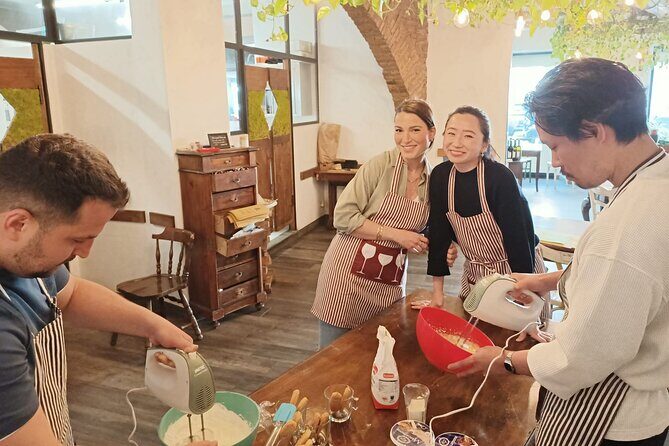
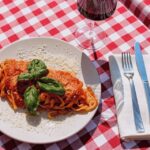
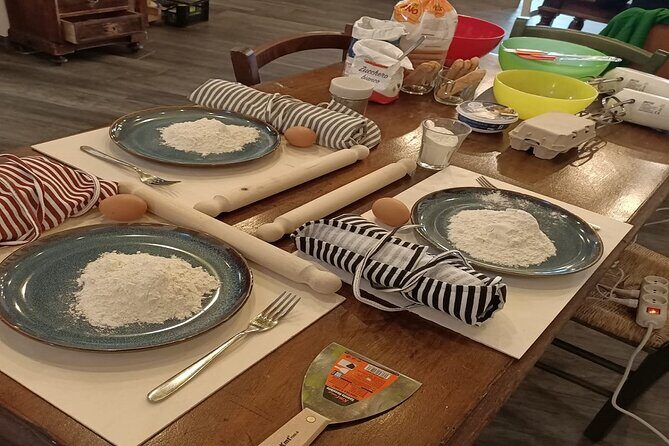
This class isn’t about ordering your way through Italian food. You’re making the two stars: fettuccine pasta and tiramisu.
Fettuccine: dough to strands
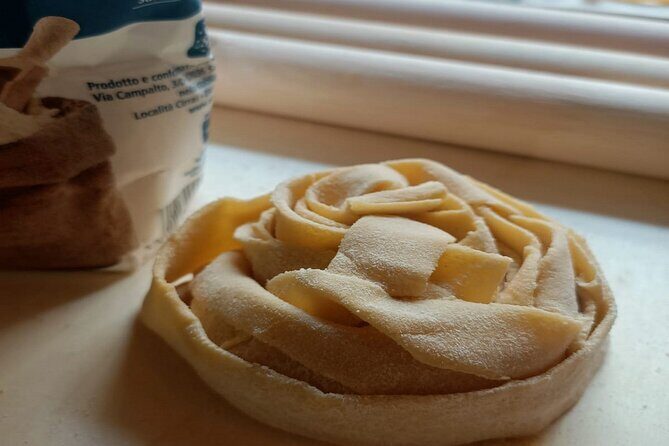
You’ll learn to create homemade fettuccine from scratch. That means you get guidance on:
- choosing top ingredients
- mixing and kneading the dough
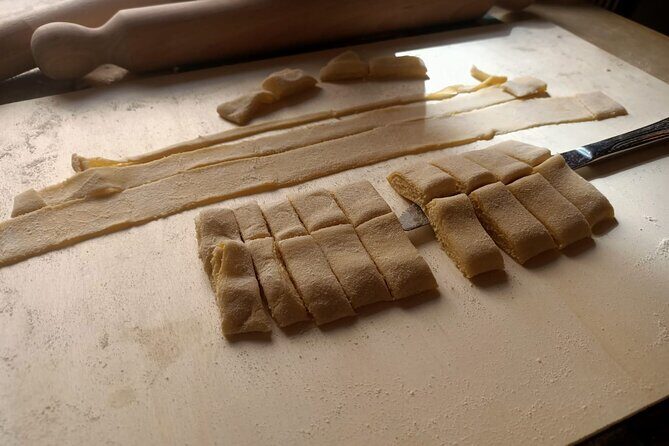
- cutting the dough into delicate strands
Why this matters: fresh pasta is less about fancy gear and more about feel—texture, elasticity, and knowing when the dough is right. One review specifically calls out that a pasta machine isn’t required, which is reassuring if you think you need special equipment to copy the results later.
You also get context for sauce pairing. The sample menu pairs the fettuccine with Roma sauce, so you’re not just learning dough skills in a vacuum.
Tiramisù: assembling layers with intention
Then you move into dessert, building a tiramisù with the classic structure:
- mascarpone cream
- espresso-soaked ladyfingers
- cocoa powder
This is one of those dishes that looks impressive but is very teachable once someone shows you the pattern. The class includes instruction that helps you understand how the layers behave (how to handle ladyfingers, how to spread cream, and how the cocoa finishes the top).
How the 2 Hours Typically Play Out (and Why Order Matters)
Even without minute-by-minute timings, you can count on a fairly clear flow because you’re producing two full dishes.
A key detail from the experience style: the dessert may start first. Some groups begin with tiramisù steps and then shift to pasta. That order can actually be helpful. Dessert work is more assembly and timing-based, while fresh pasta requires more physical effort and focus.
What you’ll likely do in the class block:
- work on tiramisù components, then assemble
- transition to pasta dough, knead, and cut
- finish cooking and move into eating
And yes, you eat. The whole point is making food and then serving it. One review notes that you eat your prepared tiramisù, while the pasta can be served as a shared meal rather than solely your personal portion. If you’re the type who wants to control every single plate element, that’s a small expectation check.
You can also read our reviews of more tours and experiences in Rome

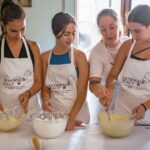
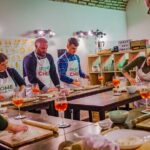
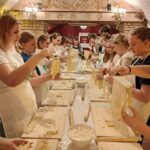
The Teaching: Paolo and Jo, Humor Included
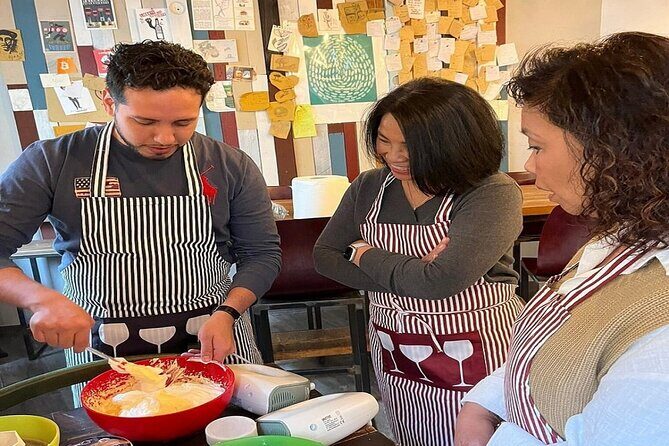
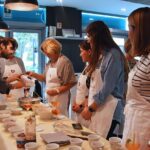
Teaching quality is the make-or-break factor in cooking classes. Here, instructors are repeatedly praised for doing two things at once: explaining clearly and adjusting when you need extra help.
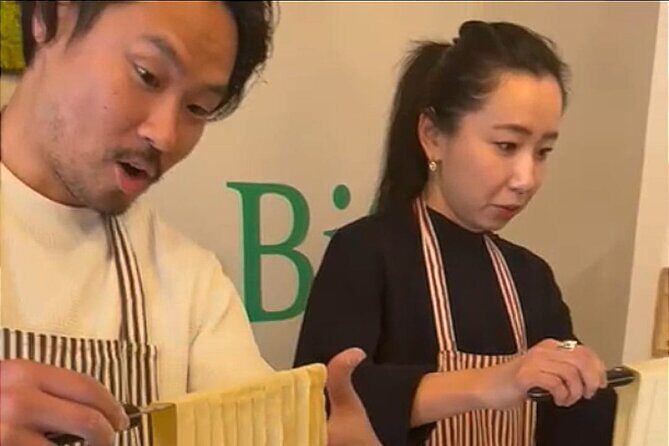
Names that come up include Paolo and Jo. Instructors are described as articulate and easy to understand, plus patient when learning isn’t automatic. More than one person highlights the hands-on nature of the teaching—helping with fettuccine making and walking you through the tough moments.
You’ll also want an instructor who keeps the mood light. Several accounts mention humor and a stress-free vibe, including instructors encouraging laughter at mistakes. That’s not just nice. It changes how well you learn kneading and cutting, because you’re not fighting frustration the whole time.
What You Drink, and How the Meal Feels at the End
This is not a “cookie cutter” dinner where you just consume and leave. The class includes drinks during the experience, listed as:
- a glass of local wine
- limoncello
- classic Italian espresso
Some classes focus on food only. This one adds the drink rhythm that feels more like a Roman meal. You also get the satisfaction of eating the results of your work, not just watching the final plates go by.
Also, the pace tends to end with you sitting down and eating your handiwork, which makes the experience feel complete. It’s a rare win: action during the class, then payoff right away.
Take-Home Value: Recipes, Confidence, and a Diploma
You’re paying for more than ingredients. You’re paying for technique you can reuse, and this class is designed to leave you with tools.
Two take-home items are explicitly part of the experience:
- recipes to recreate the dishes at home
- a certification diploma recognizing your culinary prowess
That might sound silly until you realize what it does. A diploma plus recipes encourages you to actually repeat the process instead of letting it fade after your trip. And the best compliment for a pasta class is confidence, not just complimenting the meal.
Several reviews describe leaving with a new appreciation for pasta work—like how much effort kneading and cutting take—and that realization can turn into a better homemade pasta experience later. You’ll know what to watch for, not just follow a vague memory.
Price and Value: Why $107.06 Can Make Sense
At $107.06 per person, this isn’t the cheapest activity in Rome. But the value math is pretty reasonable when you consider what’s included from the provided details:
- a full 2-hour class in English
- hands-on cooking of two dishes (pasta and tiramisù)
- access for up to 15 people, so it’s not swallowed by a huge crowd
- drinks like wine, limoncello, and/or espresso
- recipes to take home
- a certification diploma
If you’ve ever tried to recreate tiramisù and fettuccine at home without guidance, you’ll understand what you’re really buying: less trial-and-error, better technique, and the confidence to attempt it without panic.
Could it be pricey for some? Sure. If you’re only interested in eating Italian food and don’t care about learning technique, a simple Roman dinner might feel like better value. But if you want to bring skills home, this class is priced more like a guided workshop than a meal.
Who This Class Fits Best (and Who Should Think Twice)
This works best if you fall into any of these buckets:
- you enjoy cooking or want to learn a practical skill, not just eat
- you like guided instruction with hands-on time
- you want a central activity near the Spanish Steps that isn’t a long day commitment
- you’re traveling with family or a mix of ages and want a fun, structured experience
Reviews mention families and a range of ages, including teens joining in comfortably. That suggests the class style is approachable, not just for strict food obsessives.
Who might think twice:
- If you expect to eat only your own individual pasta portion, note the pasta may be served communally even though you eat what you prepare for tiramisù.
- If you’re very sensitive to walking in central Rome, plan for some foot time between transit and the meeting point.
Practical Tips Before You Go (Small Things, Big Results)
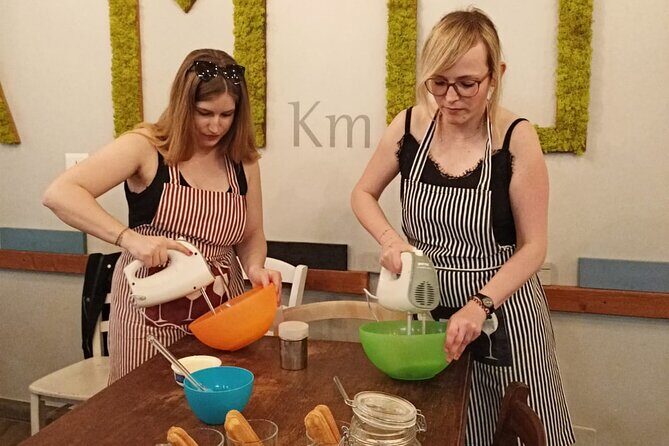
A few tweaks can make your class smoother and more fun.
- Bring a curious attitude. Pasta is harder than it looks. Knowing that up front helps you stay calm when the dough fights back.
- Wear comfortable shoes. Central Rome means walking, and cooking classes also mean standing for parts of the session.
- Ask when the dough feels off. If you struggle with kneading or cutting, the class format is built around instructors giving extra help.
- Don’t overthink the tiramisù. The structure is straightforward once you learn the layering rhythm.
- Take notes on timing and textures. Your recipes are useful, but the real memory is what the dough and layers should feel like.
Should You Book This Pasta and Tiramisù Class?
I’d book it if you want a central Rome evening that combines real technique with a satisfying meal right afterward. The small group size, English instruction, and focus on making both pasta and tiramisù from scratch make it a strong pick for people who like hands-on travel.
I’d hesitate if you mainly want to snack your way through Rome without learning technique, or if having fully separate individual portions of pasta is a must for you. And if you’re the type who hates surprises, keep an eye on your exact class time instructions when you arrive in Rome, just to avoid any day-of confusion between operator and restaurant.
If you want an experience that turns into something you can recreate at home—fresh pasta and a classic tiramisù—this is a good use of your time.
FAQ
How long is the cooking class?
It runs for approximately 2 hours.
Where does the class meet?
The meeting point is V. della Croce, 34, 00187 Roma RM, Italy.
How many people are in the group?
The experience has a maximum of 15 people.
Is the class offered in English?
Yes, the class is offered in English.
What dishes will I learn to make?
You’ll learn to make homemade fettuccine and tiramisù.
Do I eat what I make?
Yes. You’ll prepare the dishes and then eat the meal afterward, including the tiramisù you prepare.
Are drinks included?
The experience includes drinks such as a glass of local wine, limoncello, or Italian espresso.
Will I get anything to take home?
You’ll receive recipes and a certification diploma.
What is the cancellation policy?
You can cancel for a full refund up to 24 hours before the experience’s start time.