REVIEW · COOKING CLASSES
Focaccia and Pesto Cooking Class in the Roman Countryside
Book on Viator →Operated by Rome Cooking Class · Bookable on Viator
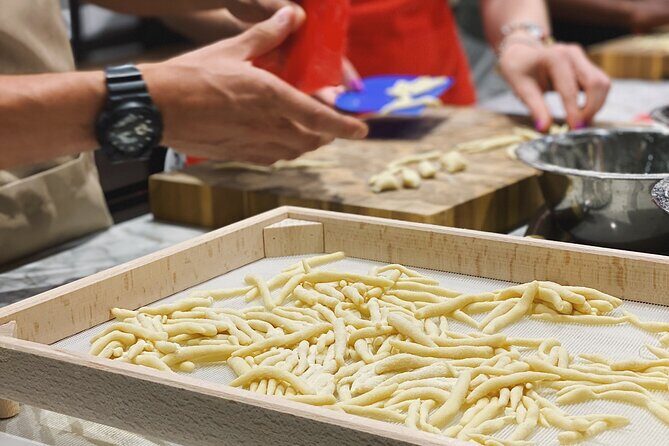
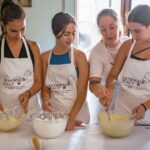
Focaccia in vineyard country. This 4-hour Roman countryside cooking class turns Italian comfort food into a real, do-it-yourself experience, with you working in a kitchen that looks out over a vineyard and olive trees. You’ll start with a warm welcome and then get your hands moving fast, from homemade focaccia to the final dessert.
I love that the focus stays practical: you’re not just watching. You learn how to make fresh pesto using basil from the garden, and you’ll also tackle traditional tiramisu so you leave with the basics you can actually repeat at home.
One drawback to plan for: the experience is tied to a specific meeting point in Fonte Nuova. Because the area is outside central Rome, make sure you’re on time and reachable around the pickup window in case transport doesn’t go smoothly.
In This Review
- Key highlights you’ll care about
- Why this Roman countryside class feels different from the usual food tour
- Getting to the meeting point in Fonte Nuova without stress
- What happens from welcome to first taste (and why the pacing works)
- Focaccia at the center: the dough lessons you can reuse
- Pesto with basil from the garden: how Roman flavor becomes simple
- Tiramisu: the traditional dessert you’ll actually want to repeat
- The full meal: starters, pasta, and local wine pairing
- Small group size and English instruction: what that means for your experience
- Who this cooking class suits best (and who might feel out of place)
- Price and value: what $108.26 buys you in a 4-hour meal-making class
- Should you book this focaccia and pesto class?
- FAQ
- How long is the cooking class?
- Is the cooking class offered in English?
- What group size should I expect?
- What will I cook and eat during the class?
- Are drinks included?
- Where and when does the activity start?
- When will I get confirmation and how do I get my ticket?
- What happens if the weather is bad or I need to cancel?
Key highlights you’ll care about
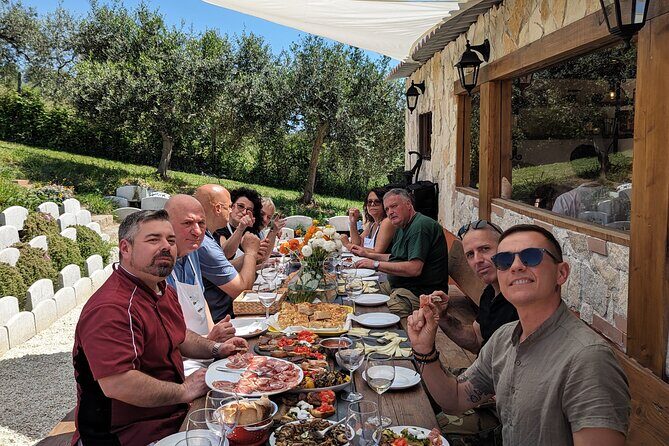
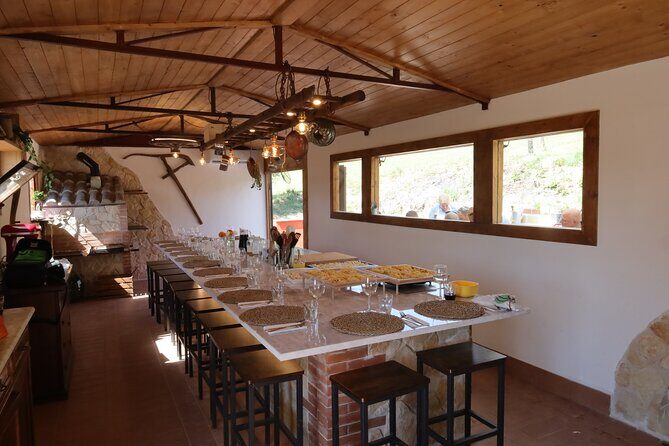
- Vineyard-view kitchen in the Roman countryside, not a classroom or mall setup
- Fresh focaccia, pesto, and tiramisù taught step-by-step
- Garden basil pesto with ingredients sourced locally where possible
- Small group size with a maximum of 16 people and an English-led class
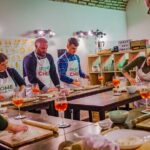
- Welcome Prosecco, starters, and local wine paired with what you cook
- Good-weather dependent outdoor setting, so plan for at least a decent day
Why this Roman countryside class feels different from the usual food tour
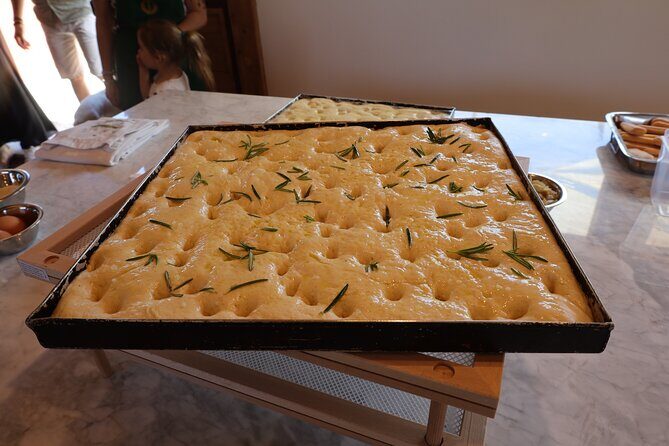
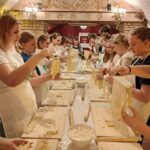
Rome has plenty of food tours. Most are built around walking, tasting, and moving on. This one is different because it’s centered on the skill: you make the food yourself, then sit down and eat it with wine.
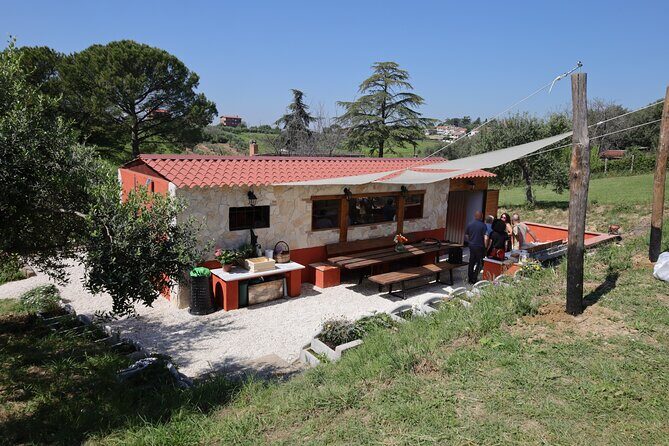
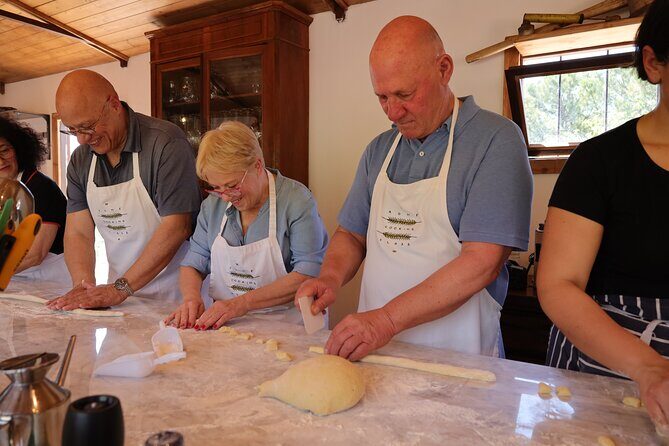
The setting helps too. You’re in Fonte Nuova (just outside Rome proper), in a countryside kitchen that overlooks a vineyard. That changes the vibe right away. There’s less rush and more space to talk, ask questions, and learn why certain steps matter—like how dough behaves before baking or how pesto thickens when you keep working it.
And the menu choice is smart for first-timers. Focaccia and pesto teach you core Italian flavors, while tiramisu is a classic dessert that’s easier to learn than it looks. You leave with a fuller “taste map” of Rome than you’d get from a quick bite-and-run stop.
You can also read our reviews of more cooking classes in Rome
Getting to the meeting point in Fonte Nuova without stress
The start point is Via di Santa Lucia, 274, 00013 Fonte Nuova RM, Italy, with the activity starting at 10:30 am. The class ends back at the same meeting point.
That matters because Fonte Nuova isn’t central Rome. If you’re arriving by taxi or car, you’ll want to allow buffer time for getting to the exact address. If you’re using public transport, give yourself extra room for last-mile navigation. The experience isn’t described as walk-in from a famous square—this is a specific rural meeting point.
Here’s the practical tip: when an activity like this runs out in the countryside, your biggest risk isn’t the cooking. It’s whether you’re there when the group needs to move. One negative incident in the booking history involves a failure to make contact/pickup when people were waiting at the meeting place. So treat this like a “be ready, be reachable” situation: charge your phone, double-check your confirmation details when you get them, and don’t cut it close.
What happens from welcome to first taste (and why the pacing works)
You arrive to a warm start with Prosecco and nibbles. That’s not just a perk. It’s a quick social warm-up that helps you settle in before the hands-on part begins.
Then the lesson kicks off in an organized flow:
- you learn the key steps for each dish,
- you work through the process,
- and you taste what’s being prepared along the way.
The class also includes tasty starters made with seasonal ingredients from local farmers. That’s a big deal for value. Many cooking classes skip the “in-between” eating and only serve the items you made. Here, you’re also getting a broader meal feel, so you’re not leaving hungry and you’re not stuck waiting until the last course.
Finally, you’ll wrap up by eating everything you made, paired with carefully selected local wine—plus laughs, which is the unofficial ingredient in any good cooking class.
Focaccia at the center: the dough lessons you can reuse
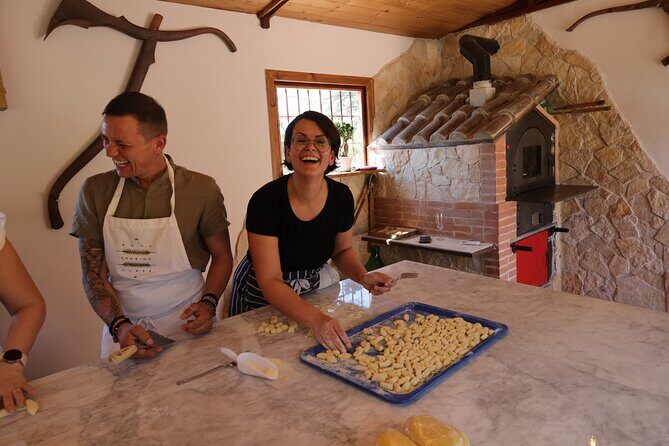
Focaccia is the headline. You’ll make fresh homemade focaccia, and that’s a great choice for a cooking class because it’s tactile. You’ll get to handle dough, feel the texture, and learn how to shape and finish it before baking.
Even if you’re a beginner, focaccia teaches you a few core ideas:
- How the dough changes as you work it
- What “done” looks like before it goes into the oven
- Why toppings matter (not just flavor, but how they behave with heat)
The practical advantage: once you understand the dough rhythm, you can adapt the toppings later. Think of this class less as learning one recipe and more as picking up a method for yeast dough and oven timing.
Also, focaccia tends to be forgiving for learning. It doesn’t require fancy equipment. And when you bake bread in a countryside kitchen with other people working alongside you, the smell alone keeps motivation high.
One thing to keep in mind: you’ll likely be busy with hands-on steps for a chunk of the 4 hours, so wear something you don’t mind getting flour-free… or flour-adjacent. Cooking classes are messy by design.
Pesto with basil from the garden: how Roman flavor becomes simple
The class includes pesto as a starter and a taught component. A standout detail here is that you use fresh basil from the garden. That matters because garden basil tastes different from the basil you buy in a supermarket. It often has a more fragrant, green edge, and that affects the final pesto flavor.
Pesto is also a great “learn by doing” dish. It’s not about cooking technique in the traditional sense—it’s about balance:
- herb intensity,
- garlic punch,
- salt and richness,
- and the texture you aim for.
You’ll learn how to make pesto so it tastes like pesto should, not like something you stretched with store shortcuts. If you’ve ever had pesto that tastes harsh or overly bitter, the solution is usually technique and ingredient quality. This class gives you the ingredients and the instruction to get closer.
And because the class is in the countryside, the pesto lesson feels grounded. You’re making something that connects to a real food cycle: garden herbs, local ingredients, and a meal that finishes with wine.
You can also read our reviews of more tours and experiences in Rome

Tiramisu: the traditional dessert you’ll actually want to repeat
Traditional tiramisù is the dessert component, and it’s a popular choice for a reason. It’s classic Italian comfort food, but it’s also straightforward enough to learn in a group setting.
In a cooking class format, tiramisù usually works well because you can break it into steps: prepare components, assemble with the right consistency, and finish with patience. You learn how to handle the cream layer and how to build the dessert so it sets properly.
Even if you’re not a “dessert person,” tiramisù lessons can upgrade your home cooking. Once you understand the assembly, you can swap flavors later (or keep it classic). It’s one of those recipes that looks impressive but doesn’t demand advanced pastry skills—just attention.
And since you’ll eat everything you’ve made at the end, you get a fast feedback loop. When your tiramisù is good, you understand why it works.
The full meal: starters, pasta, and local wine pairing
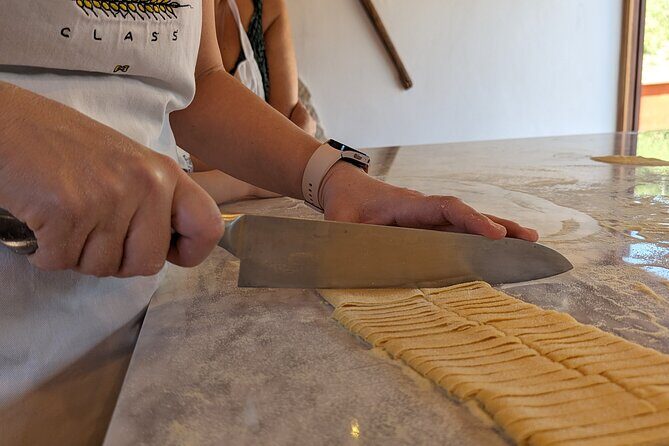
The sample menu is simple and effective:
- Main: focaccia
- Starter: pesto
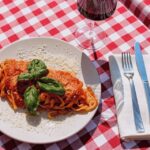
- Main: pasta
- Dessert: tiramisù
You’ll also taste starters made with seasonal ingredients from local farmers. That’s the part that makes the meal feel like more than “training food.” Seasonal touches help you understand what Italian cooking means in everyday terms: it changes with the time of year.
The drink setup is also practical. You’ll have a Prosecco welcome at the start, and later you’ll pair your meal with local wine chosen for what you’re eating. Wine pairing can be vague in some tours. Here, it’s described as carefully selected, so the pacing of the meal and the flavors are part of the experience, not just a bottle on the table.
One tip: if you’re planning to cook and drink, pace yourself early. You’ll be working hands-on during the lesson, and you’ll likely taste more than you normally would on a normal day.
Small group size and English instruction: what that means for your experience
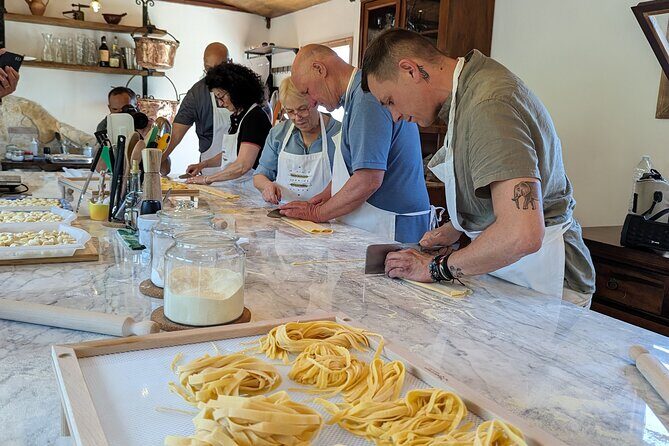
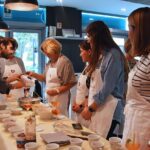
This class caps at 16 travelers and is offered in English. For a cooking class, a small cap matters because it affects attention. When the group is small, you’re more likely to get clearer guidance at the moments you need it—like when shaping focaccia or adjusting pesto texture.
English-led instruction is helpful because cooking terms and technique cues can get lost fast. Clear language keeps the learning curve friendly, especially if you don’t know how different dough or herb flavors should feel.
This is also the kind of activity where conversation flows naturally. You’re all working on similar tasks, and talking doesn’t feel forced. That makes it a good choice for solo travelers too, as long as you’re comfortable joining a shared kitchen rhythm.
Who this cooking class suits best (and who might feel out of place)
You’ll probably love this if you:
- want more than a tasting tour and prefer hands-on learning
- enjoy Italian food and want a repeatable base for focaccia, pesto, and tiramisù
- like smaller groups with an instructor guide instead of big bus groups
- want a half-day in the Roman countryside without committing to a full day trip
You might not love it as much if you’re:
- looking for a fast checklist of must-see sights in central Rome (this is countryside-focused)
- expecting a lot of downtime or passive sightseeing during the 4 hours
- the type who hates any mess at all—cooking means flour, hands, and cleanup
Price and value: what $108.26 buys you in a 4-hour meal-making class
At $108.26 per person, this isn’t a bargain-basement workshop. But for what you get, it can be good value.
You’re paying for:
- instruction for multiple dishes (focaccia, pesto, tiramisù, plus pasta served),
- ingredients and meal components, including seasonal starters
- drinks at both ends of the experience (Prosecco at welcome and local wine with your meal)
- a setting that includes a kitchen overlooking a vineyard, plus a countryside atmosphere
In other words, this isn’t just a cooking demonstration. It’s a guided food-making session with a full eating experience at the end. If you’d otherwise spend money on a couple of dinners plus a separate class, the bundled format helps.
The only true value caution: the class depends on the day working out well, including good weather. If you book when the forecast is iffy, you might need to be flexible if the operator changes dates.
Should you book this focaccia and pesto class?
If you want a memorable half-day in Rome that actually teaches you something, this is a strong pick. The standout ingredients—garden basil, fresh pesto, homemade focaccia, and classic tiramisu—are the kind of foods you can carry home in your cooking. Add in the countryside kitchen view and the meal paired with local wine, and you get a full experience, not just a few bites.
I’d book it if you’re excited to cook and eat, and you like learning from a real setup with a small group. I’d be cautious only about logistics: arrive on time at Via di Santa Lucia, 274 and keep your phone reachable around the start, since transport hiccups can happen with rural meeting points.
FAQ
How long is the cooking class?
The experience lasts about 4 hours.
Is the cooking class offered in English?
Yes, the class is offered in English.
What group size should I expect?
The maximum group size is 16 travelers.
What will I cook and eat during the class?
You’ll learn to make homemade focaccia, pesto, and tiramisu. The sample menu also includes pasta along with those items.
Are drinks included?
Yes. You’ll have Prosecco at the start, and your meal is paired with local wine. You’ll also have nibbles and starters.
Where and when does the activity start?
The meeting point is Via di Santa Lucia, 274, 00013 Fonte Nuova RM, Italy, and the start time is 10:30 am. It ends back at the same meeting point.
When will I get confirmation and how do I get my ticket?
Confirmation is received within 48 hours of booking, subject to availability. A mobile ticket is provided.
What happens if the weather is bad or I need to cancel?
The experience requires good weather. If it’s canceled due to poor weather, you’ll be offered a different date or a full refund. You can cancel for free up to 24 hours in advance for a full refund.