REVIEW · COOKING CLASSES
Fettuccine, Ravioli & Tiramisu Cooking Class in Rome
Book on GetYourGuide →Operated by Master pasta makers srl · Bookable on GetYourGuide
This Rome cooking class turns a famous square area into a working Italian kitchen. You’ll make tiramisù, then fresh pasta for fettuccine and ravioli, guided by an English-speaking chef, all steps from Piazza Navona.
I like that you’re not just watching. You knead, roll, shape, and finish a full meal, then sit down to eat what you made with a glass of wine (or a non-alcoholic drink). In the better moments, the class feels like you’re learning the actual method, not copying a trick.
One thing to consider: the format can feel a bit fast or “batch-style,” especially around how dishes are handled and served. Some past participants also noted the classroom setting inside a busy restaurant area can feel hot and compact.
In This Review
- Key points to know before you go
- Piazza Navona area, real kitchen skills
- The 3-hour flow: tiramisù first, then pasta dough
- Fresh fettuccine: rolling, sauce choices, and quick technique wins
- Ravioli time: butter and sage with that comfort-food effect
- Tiramisù: not just dessert—part of the workflow
- Chef energy and the English-speaking advantage
- Wine, limoncello, and coffee: turning lessons into dinner
- Price and what $82 really covers
- Who should book—and who might feel cramped
- Should you book this Rome pasta and tiramisù class?
- FAQ
- Where is the meeting point for the class?
- How long is the cooking class in Rome?
- What dishes will I make during the class?
- Can I choose the sauce for the fettuccine?
- What sauce is used for the ravioli?
- What drinks are included?
- Is the instructor English-speaking?
- Is the class wheelchair accessible?
- Is there free cancellation?
Key points to know before you go
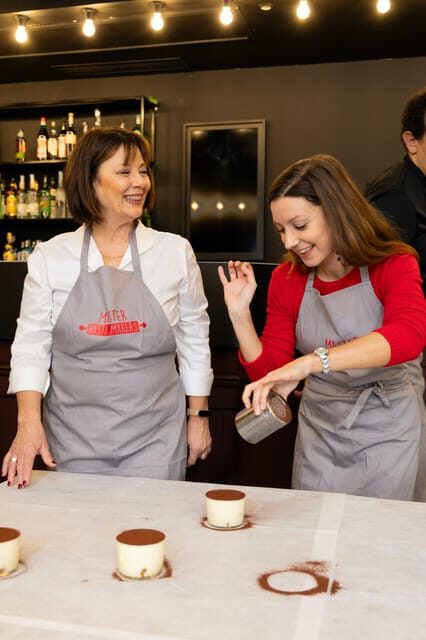
- Make tiramisù plus two pastas from scratch (fettuccine and ravioli)
- Pick your fettuccine sauce: Tomato & Basil, Cacio e Pepe, or Amatriciana
- Ravioli comes with butter and sage for a classic, simple finish
- You eat what you make with wine and a final coffee or limoncello
- Instructors like Lori, Maria, Tommy/Tomi, and Mimi have led classes and kept energy up
Piazza Navona area, real kitchen skills
The meeting point is Via Giuseppe Zanardelli 14, Restaurant Gusto, a short walk from Piazza Navona. That’s a big deal for timing: you can finish your class and still have energy to wander Rome afterward, without squeezing in another long transit plan.
Also, this isn’t a theme park of cooking. It’s presented as a hands-on meal-building experience: tiramisù, fresh pasta dough, shaping ravioli, and serving sauces. You’ll get an English instructor, and the whole thing runs about 3 hours, which is long enough to learn the steps without turning into a full day event.
If you’re the type who loves eating your way through cities, this gives you a skill to take home. And if you’re the type who worries you won’t be able to “do it right,” the class format is designed so you can succeed even if you’ve never rolled pasta before.
You can also read our reviews of more cooking classes in Rome
The 3-hour flow: tiramisù first, then pasta dough
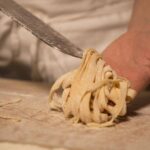
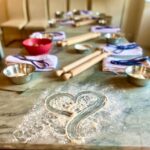
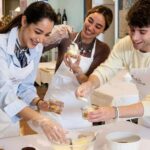
The schedule has a clear rhythm. You start with tiramisù, then move into fresh pasta—first fettuccine and then ravioli—before you finally sit down to eat. It’s a good structure because dessert isn’t left as a last-minute afterthought; it’s part of the workshop.
You’ll work with the core pasta skills: kneading and rolling dough. That’s the real learning. Pasta dough is elastic, temperamental, and forgiving when you understand what to look for—texture, thickness, and handling. Even if your final shapes aren’t gallery-ready, you’ll understand what “right” feels like and how to correct mistakes.
One practical note from past experiences: some people felt the hands-on cooking portion can be closer to about 90 minutes, followed by eating and service. That doesn’t mean the class is short on value—it just means you’ll want to settle in for a smoother transition from kitchen work to dining.
Fresh fettuccine: rolling, sauce choices, and quick technique wins
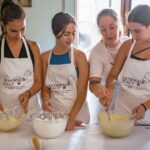
Making fettuccine usually sounds intimidating until you’re standing there doing it. You’ll learn how to roll dough properly and cut it into fettuccine. For me, the payoff is the muscle memory: you start to recognize dough that’s too thick, too dry, or too soft, and you learn how to adjust.
The standout decision point is sauce. You choose among:
- Tomato & Basil
- Cacio e Pepe
- Amatriciana
That choice matters because each sauce teaches a slightly different flavor approach. Tomato & Basil leans bright and classic; Cacio e Pepe is all about cheese and pepper balance; Amatriciana brings a richer, savory punch. If you’re not sure what to pick, think about what you love eating most in Rome—cheese-forward simplicity or tomato-forward comfort.
Ravioli time: butter and sage with that comfort-food effect
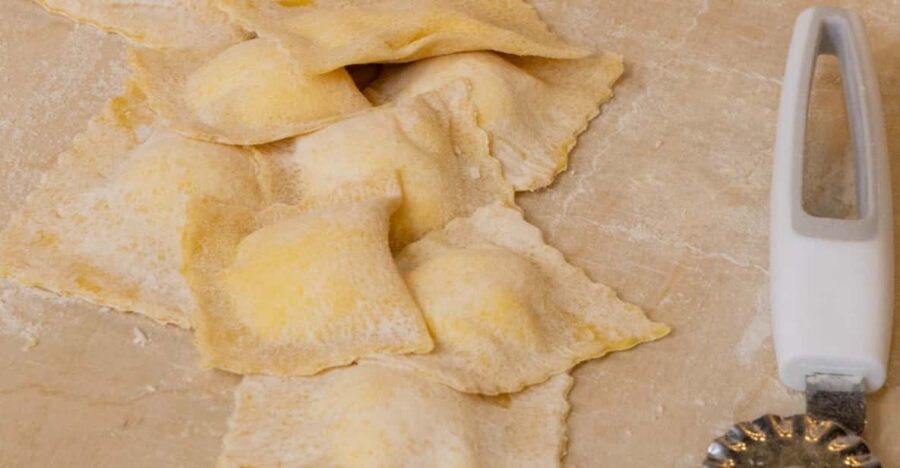
Ravioli is the moment where the class goes from technique to confidence. You’ll shape the dough into stuffed pasta, then finish with butter and sage. This is a smart pairing: butter helps everything taste “round,” while sage adds a gentle, aromatic edge without needing complicated ingredients.
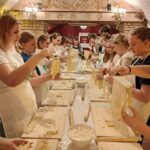
Even if you’re a first-timer, ravioli tends to feel achievable because the chef is guiding each step. You’ll learn how to handle the dough, how to work with filling, and how to seal and finish so it cooks well.
And here’s the best part for value: ravioli is one of those dishes you can’t easily fake at home. Once you’ve made it once, you’ll understand why certain shops taste better than your local attempt. You’ll also know what to prioritize when you repeat it.
Tiramisù: not just dessert—part of the workflow
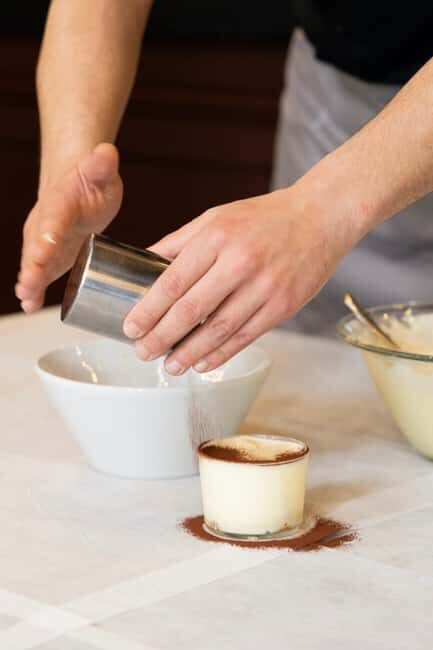
Tiramisù is included as a full activity piece, not a store-bought add-on. You’ll make it from scratch as the class begins, which sets the tone: sweet, grounded, and practical—like Italy saying, slow down, we’re doing this step-by-step.
That said, a few participants found the tiramisù portion less memorable than the pasta. If you’re going mostly for dessert, you might still leave happy because the class is set up so you get to build it yourself. But if your priority is hands-on pasta craft, the pasta parts are where the strongest learning tends to happen.
The good news is that the tiramisù also functions as a pace-setter. Starting with dessert keeps energy up and helps you enjoy the whole experience rather than sprinting only through savory cooking.
You can also read our reviews of more tours and experiences in Rome

Chef energy and the English-speaking advantage
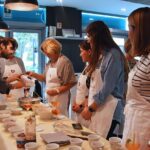
The instructors have shown up with real energy. Past classes referenced chefs/instructors including Lori, Maria, Tommy/Tomi, and Mimi, and the common theme is upbeat teaching. Some instructors were described as fun and entertaining, with a lot of interaction and clear guidance in English.
Why this matters: pasta making is tactile. If you only get instructions that sound theoretical, it’s harder to hit the right thickness or texture. A strong chef explains what to look for and then helps you correct it. That’s the difference between a class where you eat food and a class where you actually learn.
If you want maximum learning, ask questions as you work. The class design is interactive, and you’ll get more out of it if you’re not afraid to say you’re unsure about the dough or shaping.
Wine, limoncello, and coffee: turning lessons into dinner
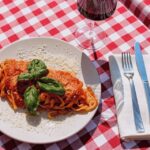
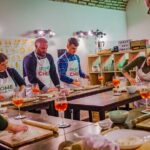
After cooking, you sit down to enjoy your meal. Inclusions include a glass of wine (or a non-alcoholic drink), plus unlimited water throughout the experience. You’ll also finish with limoncello or Italian coffee, which is a very Italy move: a bright finish to match all that rich food.
This is a practical combination. Pasta and tiramisù are heavy in the best way, so the drink service helps you slow down and enjoy. Also, sipping wine while you eat what you made adds meaning. It’s not just a meal; it’s a scoreboard of your work.
One small caution: because the class happens inside a restaurant environment, service can feel a little “in the flow” of a busy place. That doesn’t ruin the experience, but if you’re sensitive to crowded dining areas, set expectations accordingly.
Price and what $82 really covers
At $82 per person for a 3-hour Rome cooking class, the value comes from what’s included—not just the lesson. You’re paying for:
- hands-on making of fettuccine, ravioli, and tiramisù
- a full meal featuring your creations
- a drink (wine or non-alcoholic) and unlimited water
- a dessert finish with limoncello or coffee
For many visitors, the “aha” is that you’re getting both training and dinner under one roof. If you’d otherwise spend similar money on a pasta lunch plus dessert, this can feel like a smart swap: you end up with a skill (and a story) instead of only a bill.
But here’s the balanced part: the class format is sometimes described as efficient, with pasta and/or portions handled in a way that may not feel fully individualized. If you’re picky about getting your exact batch served exactly as you made it, you might want to be mentally flexible and just focus on the cooking itself.
Who should book—and who might feel cramped
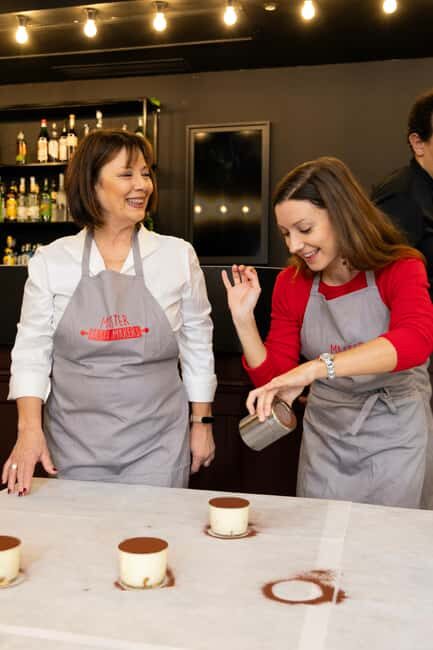
This class is a good fit if you want a fun, interactive Rome activity and you enjoy eating what you cook. It works well for couples, families, and groups of friends who want to do something together that isn’t just wandering streets.
It’s also a solid choice if you care about Roman flavors. You’re making dishes associated with Italy’s everyday comfort food, and you’ll get sauce options like Cacio e Pepe and Amatriciana, which can be great anchors for what you later look for at Roman trattorias.
Two situations where you should go in with eyes open:
- If you’re easily bothered by crowded restaurant layouts, you may find the cooking space inside the restaurant walkway area not as relaxed as a dedicated studio.
- If dessert is your main goal, you might find tiramisù is included, but the pasta-making is where the strongest “wow” tends to land.
Should you book this Rome pasta and tiramisù class?
I’d book it if you want a high-contact, learn-by-doing experience in the Piazza Navona area, and you’re excited about making fresh fettuccine and ravioli rather than just eating them. The included dinner, drink, and finishing coffee or limoncello help justify the price, because you’re not paying only for instruction.
I’d think twice if you dislike busy, compact spaces or you want a super slow, one-on-one pace where every piece of food is guaranteed to be handled exactly as your personal batch. In that case, focus on what you’ll gain from the pasta skills, then treat the rest as part of a lively restaurant experience.
If you want a memorable Rome moment that ends with a proper meal and real cooking practice, this is a very reasonable choice.
FAQ
Where is the meeting point for the class?
The meeting point is Via Giuseppe Zanardelli 14, Restaurant Gusto, just steps away from Piazza Navona.
How long is the cooking class in Rome?
The duration is 3 hours.
What dishes will I make during the class?
You’ll learn to make tiramisu, fresh fettuccine, and ravioli from scratch.
Can I choose the sauce for the fettuccine?
Yes. You can choose among Tomato & Basil, Cacio e Pepe, or Amatriciana.
What sauce is used for the ravioli?
Ravioli is served with a butter and sage sauce.
What drinks are included?
The class includes a glass of wine or a non-alcoholic drink, plus a finish with limoncello or Italian coffee. Unlimited water is also included.
Is the instructor English-speaking?
Yes, the instructor teaches in English.
Is the class wheelchair accessible?
Yes, the experience is listed as wheelchair accessible.
Is there free cancellation?
Yes. You can cancel up to 24 hours in advance for a full refund.