REVIEW · COOKING CLASSES
Exclusive cooking class in Roman countryside with local chef
Book on GetYourGuide →Operated by Timonfaya Travel Lanzarote · Bookable on GetYourGuide
This Sunday lunch starts with a drive. In the Roman countryside near Zagarolo, you learn a real Sunday-style menu with Claudia and Bruno, then you eat what you make with homemade wine in a garden or cozy living room. I love that the class is hands-on from start to finish, not a sit-and-watch show, and I also love that the recipes shift with the season.
One possible drawback: the meeting can feel a bit low-key. You meet at Zagarolo Station, and if you show up early or don’t spot Bruno right away, it can take a minute to get oriented before the gray-car pickup.
In This Review
- Key highlights worth your attention
- Zagarolo: the Roman countryside that actually feels calm
- Getting to Zagarolo Station: meet Bruno and avoid time-wasting
- Inside Claudia’s kitchen: what you’ll cook for a true Roman Sunday lunch
- The hands-on part: pasta skills you can reuse at home
- Meal time: homemade wine, garden views, and the fun of eating together
- Price and value: does $112.15 make sense for 3.5 hours?
- Who this class fits best (and who should think twice)
- Before you go: what to pack and how to plan your day
- Should you book this Roman countryside cooking class?
- FAQ
- How long is the cooking class?
- Where do I meet the host?
- Are transfers included?
- What language is the class taught in?
- What’s included in the price?
- Can the class accommodate dietary restrictions?
Key highlights worth your attention
- Seasonal Roman Sunday lunch menus that change from summer to winter
- Hands-on pasta work, using flour from a local mill and eggs from a farmer
- 3-course meal with homemade wine, plus water included
- Small group (up to 8), so you get real coaching
- Claudia’s kitchen has big press cred, covered by The Guardian and The Wall Street Journal
- Garden time and herb moments that make the countryside feel personal
Zagarolo: the Roman countryside that actually feels calm
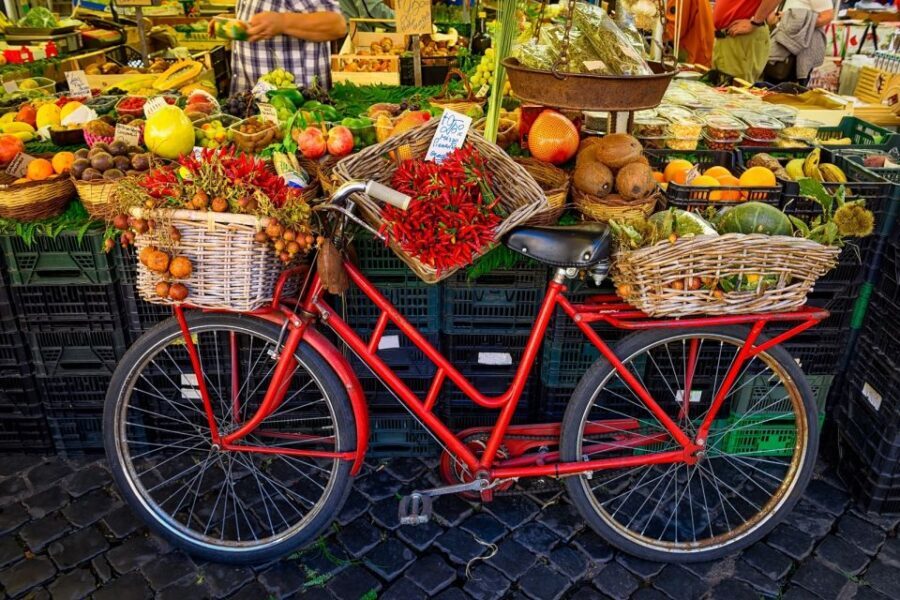
If Rome is your plan for the day, this class is a smart contrast. Zagarolo sits between two valleys, so you trade crowds for space and quiet. You also get out of the tourist bubble without going full medieval-tour costume. It’s simply: arrive, cook, eat, and enjoy the slower pace.
What I like most here is how the food connects to place. This isn’t just Italian cooking. It leans into Roman “Sunday lunch” culture, where the meal matters and the steps matter. You’ll follow the rhythm of antipasti, pasta, then a second course and dessert. That flow helps you learn, not just snack.
Seasonal changes are a big deal. In summertime, you might make sorbets or ice cream. In winter, the menu can tilt toward sfogliatelle and stuffed pasta. You’re not doing the same Instagram lineup every day, which is exactly what makes it feel authentic.
You can also read our reviews of more cooking classes in Rome
Getting to Zagarolo Station: meet Bruno and avoid time-wasting
Your base point is Zagarolo Station. The host team meets you there, then you ride from the station to Claudia’s home. That transfer is included, which keeps the day from turning into a puzzle.
Bruno is the key name to know. The morning option you’ll likely use is a train from Termini (train number 12703 at 9:14). About 25 minutes later, you get off at Zagarolo. You then look for Bruno in the square, usually with a gray car. Returning to Rome often lines up with the usual train 12610 around 14:05, matching the 3.5-hour class window.
Two practical tips that save stress:
- Plan to be at the station a few minutes early so you’re not scanning crowds while everyone’s already leaving.
- If you’re buying tickets, use trenitalia.it for return tickets. The info also notes you don’t have to validate them at the station.
If you worry about language, it’s covered. The host or greeter is listed as English and Italian, so even if you miss a detail, you should be able to keep up.
Inside Claudia’s kitchen: what you’ll cook for a true Roman Sunday lunch
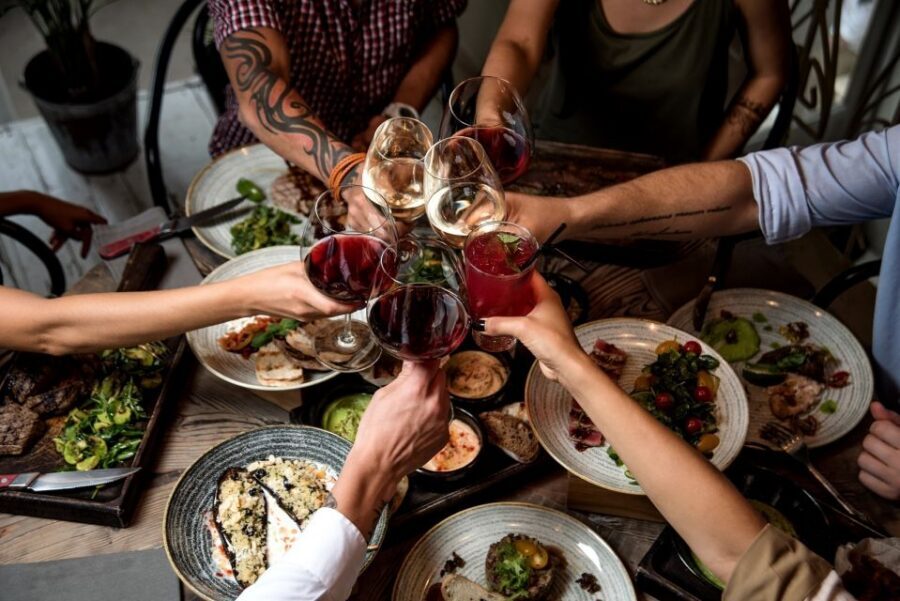
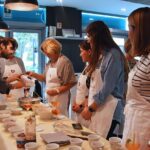
Claudia’s approach is all about careful, “do-it-right” teaching. You’ll be in the kitchen from the first prep step, then keep building until you have a complete meal. And the menu structure is classic: you’ll handle multiple recipes, not one neat demo.
Here’s the range of what you might make, based on what’s described for the class:
- Antipasti and savory starters: vegetable fritters or savory strudel; bruschette with vegetables and cheese
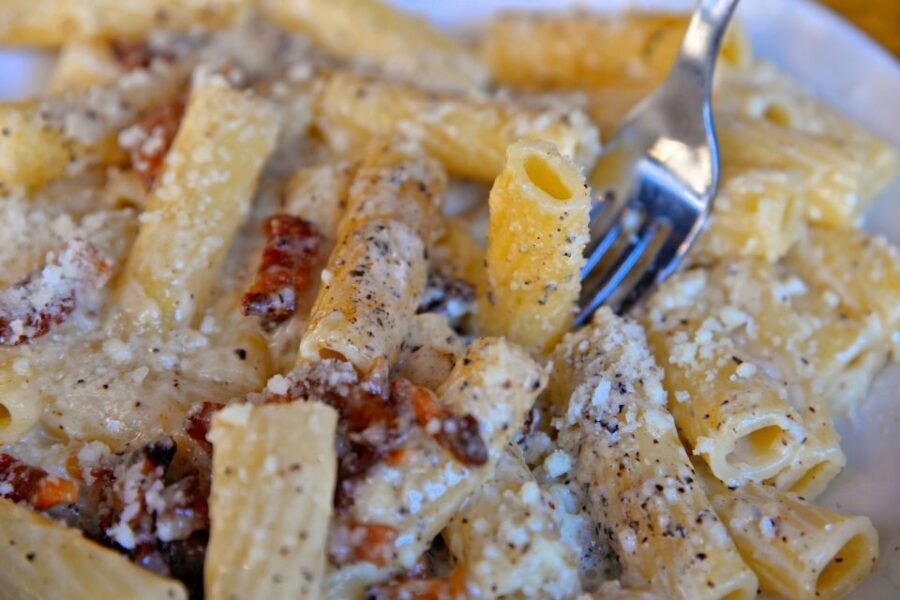
- Handmade pasta: pasta made by hand with flour from a local mill and eggs from a farmer, with options like lasagne, ravioli, or fettuccine and sauce
- Second course: rolls or saltimbocca, with a separate vegetarian dish
- Dessert: a cake like parfait or a tart, made together
That last part is worth noting. Dessert here isn’t an afterthought. It’s part of the shared work, which makes the meal feel like a group achievement, not just a training session that ends with coffee.
One extra detail that matters in real life: the class adapts to season. If you’re visiting in a colder month, you’ll likely get winter dishes such as sfogliatelle and stuffed pasta. If you’re there in summer, you might work on chilled desserts like sorbets or ice cream. You get variety without it feeling random.
Finally, Claudia and Bruno have real credibility. The kitchen has been featured in major outlets like The Guardian and The Wall Street Journal. That doesn’t automatically mean the class is better for you—but it does suggest the teaching and cooking are taken seriously.
The hands-on part: pasta skills you can reuse at home
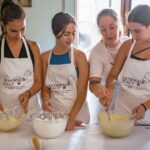
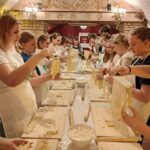
The star skill is pasta, and you’ll do more than roll it once. The class is described as starting from raw ingredients, then moving through the steps needed to turn that into real pasta dishes. You’re working with flour from a local mill and farm eggs, so the ingredients have a “real Rome” story behind them.
In practical terms, what you’ll likely learn includes:
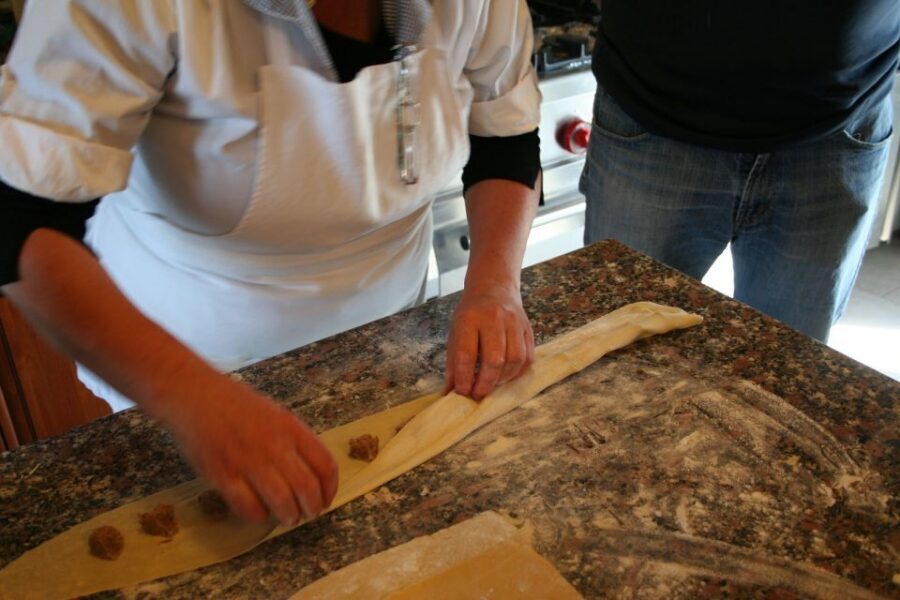
- how to prepare pasta from scratch (including handling dough)
- how to shape pasta forms used in Roman-style dishes like lasagne or ravioli
- how sauce fits into the timing, so you’re not rushing the meal at the end
You also work on other recipes alongside the pasta, like bruschette with vegetables and cheese or vegetable fritters. Those are useful because they teach you technique, not just one final product. You’ll see how flavors build from starter to pasta to second course.
A helpful mindset going in: you don’t need to be a confident cook. The structure is designed for teaching. You’ll be guided while you work, and the small group size (up to 8) means you’re not invisible.
Meal time: homemade wine, garden views, and the fun of eating together
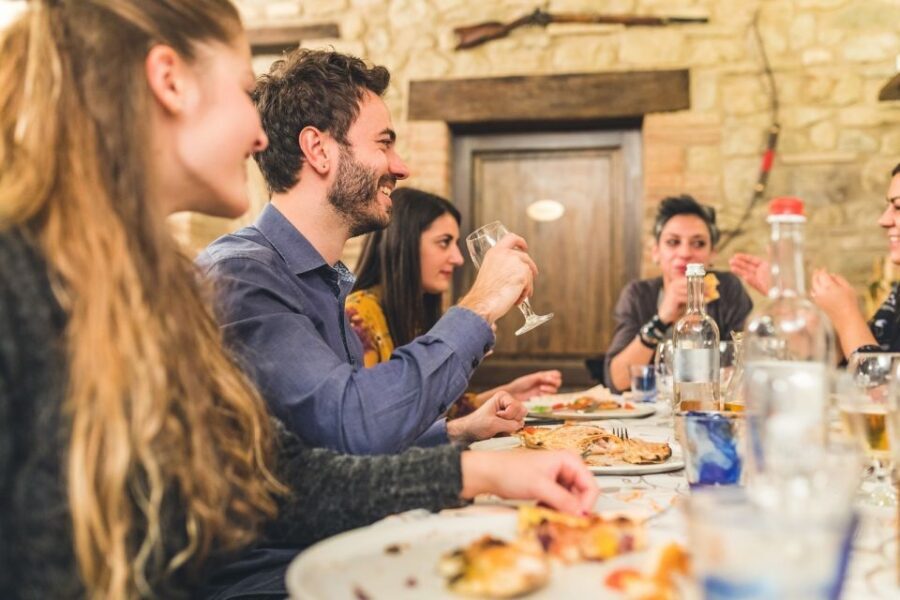
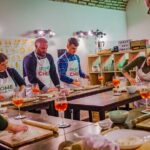
This is not a class where you cook, then eat a sad portion standing up. You sit down and eat a full 3-course meal as part of the experience. Bottled water is included, and alcoholic beverages are included too, with homemade wine being the headline.
The setting is part of the charm. After cooking, you can eat in the romantic living room or in the garden, depending on what makes sense. One of the best moments can be the garden pace—taking in the views while you enjoy the food you made. You may also find time to walk through Claudia’s garden and pick or learn about fresh herbs used in your meal, which turns the ingredients into something you remember, not just something you tasted.
If the weather supports it, you might even eat outside under a pergola. That’s the kind of detail that makes this feel like an invitation into someone’s home rather than a staged activity.
And then there’s Bruno’s personality. He’s listed as an English/Italian host, and there’s an extra layer here: in at least some sessions, he plays music and even serenades during the cooking. It’s the sort of small, human detail that makes the day feel lighter and more memorable than a standard “chef class.”
You can also read our reviews of more tours and experiences in Rome

Price and value: does $112.15 make sense for 3.5 hours?
At $112.15 per person for about 3.5 hours, you’re paying for more than just a meal. You’re paying for:
- a hands-on class led by Claudia
- a multi-recipe workflow, including pasta-making
- a 3-course meal with homemade wine
- transfer from Zagarolo Station to the chef’s house
- recipes to take home
For many food experiences in Italy, the price often covers either the meal or the class. Here, you get both, with the extra value of ingredients described as locally sourced (local mill flour and farm eggs) and a menu that’s paced like a real Sunday lunch.
The small group size (max 8) also matters. Larger groups usually mean less attention and less time actually doing the work. With fewer people, you’re more likely to get coaching when you need it and less likely to feel like you’re waiting your turn.
So is it “worth it”? If you like cooking and you want a meal that feels personal, yes. If your goal is purely to sample food with minimal effort, you might be happier with a tasting-focused option.
Who this class fits best (and who should think twice)
This cooking class is a great fit if you:
- want hands-on instruction for Italian dishes, especially Roman-style pasta
- enjoy meals with local context, not just flavors on a plate
- like small groups and the feeling of being treated as a visitor in someone’s home
- don’t mind learning while you cook, instead of watching only
It may be less ideal if you:
- hate train-and-pickup logistics (even though transfers are included, you still start at Zagarolo Station)
- want a very long experience (3.5 hours is focused, not slow and all-day)
- prefer highly standardized menus with predictable dishes every time (the class adjusts to the season)
That season-based menu is a feature for most people. If you’re the type who wants exactly one dish regardless of season, you’ll want to check what’s scheduled for your time.
Before you go: what to pack and how to plan your day
Because you’ll be in a working kitchen and then eating a relaxed meal, plan for comfort over fashion. Closed-toe shoes help if the kitchen space is slick or busy.
Also plan your Rome day around the timing. The train guidance you’re given suggests a morning start from Termini, then a return that lines up with the afternoon. That’s helpful because it keeps you from losing half a day to travel slowness.
Finally, go in hungry and ready to learn. The best part of this class isn’t just the final plate. It’s the chain of steps that gets you there—mixing, shaping, cooking, then finally tasting the results with a glass of homemade wine.
Should you book this Roman countryside cooking class?
Book it if you want an authentic Roman Sunday lunch experience with real teaching, local ingredients, and a meal you get to enjoy together—not just a quick snack session. The small group format, the homemade wine, and the multi-course structure make the $112.15 feel like value rather than a pricey indulgence.
Skip it only if you’re not into hands-on cooking or if you’re easily thrown off by a meeting point that’s simple and not overly staged. If that sounds manageable, this is the kind of day that gives you a story you’ll actually remember.
FAQ
How long is the cooking class?
It runs for about 3.5 hours. Starting times can vary, so you’ll want to check availability for your preferred slot.
Where do I meet the host?
You meet the guide at Zagarolo Station.
Are transfers included?
Yes. You’re picked up from Zagarolo Station and transferred to the chef’s house, and you’re also brought back to the meeting point afterward.
What language is the class taught in?
The host or greeter communicates in English and Italian.
What’s included in the price?
The class includes a hands-on cooking session, a 3-course lunch or dinner, bottled water, alcoholic beverages, transfers, and recipes you can take home.
Can the class accommodate dietary restrictions?
Dietary restrictions can be accommodated if you notify in advance.